The Ultimate Guide to Cleaning Hand Painted Earrings
Learn how to safely clean, maintain, and store hand painted earrings. Discover expert tips on sealants, dusting, and preventing paint chips.

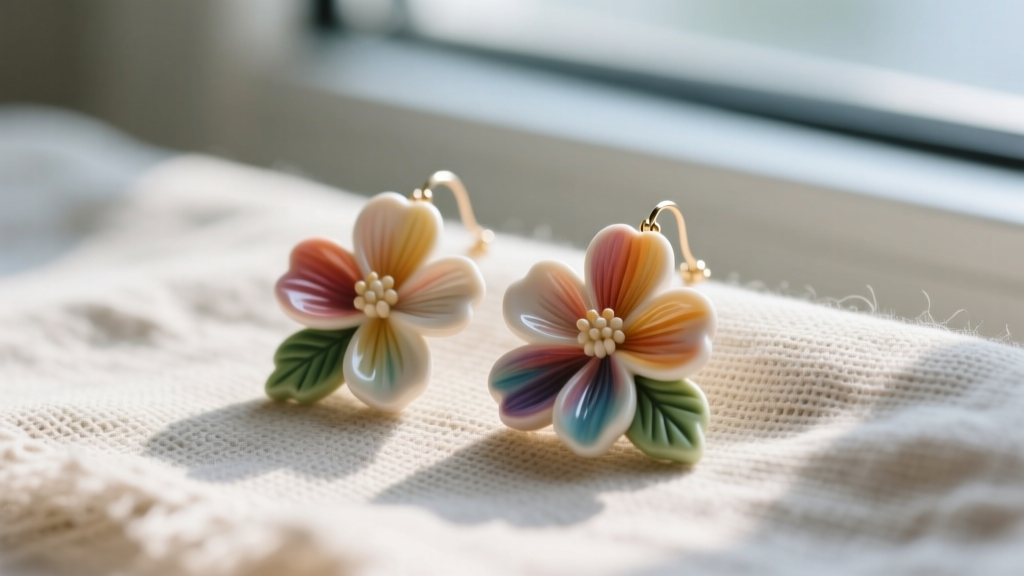
Hand painted earrings are more than just accessories; they are miniature, wearable canvases. Whether crafted on polymer clay, laser-cut basswood, or enameled metal, the delicate pigments and protective topcoats require a highly specific approach to maintenance. Unlike solid gold or gemstone jewelry, which can often withstand ultrasonic cleaners or harsh commercial dips, hand painted pieces demand a gentle, informed touch. As artisan jewelry trends evolve in 2026, makers are utilizing advanced alcohol inks, heavy-body acrylics, and UV-curing resins, each reacting differently to environmental stressors and cleaning agents. This comprehensive guide will teach you how to preserve the vibrancy and structural integrity of your hand painted earrings for years to come.
Understanding the Canvas and Pigments
Before applying any cleaning solution, you must identify the base material and the type of paint used. According to Sculpey Polymer Clay Tutorials, polymer clay is a porous PVC-based medium that, once baked, becomes durable but remains susceptible to chemical degradation from solvents. If your earrings are painted with alcohol inks (like Pinata or Jacquard), introducing isopropyl alcohol or acetone-based cleaners will instantly dissolve the artwork. Similarly, water-based acrylics can re-emulsify or turn cloudy if exposed to prolonged moisture or alkaline soaps. Understanding this chemical sensitivity is the first step in preventing irreversible damage to your artisan jewelry.
The Golden Rules of Daily Maintenance
The most common cause of micro-scratches on hand painted earrings is not impact, but improper dusting. Dust particles often contain microscopic silica, which acts like sandpaper when rubbed against a painted surface or a glossy resin topcoat.
- Ditch the Cloth: Avoid using standard microfiber or cotton cloths for daily dusting. The friction can catch on microscopic paint ridges.
- Use a Goat-Hair Brush: A soft, clean goat-hair makeup brush or a specialized camera lens brush is ideal. Gently sweep the surface to dislodge dust without applying downward pressure.
- Post-Wear Wipe Down: After wearing, gently brush off any skin oils or hairspray residue. Sebum contains squalene, an organic compound that can slowly break down water-based polyurethane sealants over time.
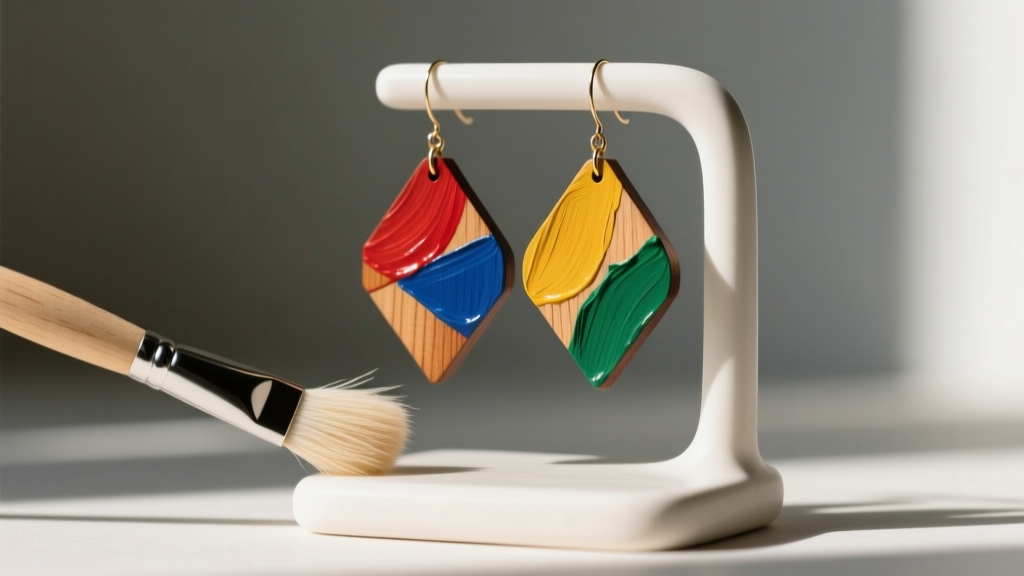
The Step-by-Step Deep Cleaning Protocol
When your hand painted earrings accumulate stubborn grime, makeup, or environmental pollutants, a deep clean is necessary. You must avoid tap water, which contains chlorine, fluoride, and calcium carbonate that can leave hard water spots on glossy sealants.
What You Will Need
- Distilled water (never tap water)
- pH-neutral dish soap (such as original blue Dawn)
- Ultra-soft synthetic makeup sponge or lint-free cotton rounds
- A dry, plush microfiber towel for immediate drying
The Cleaning Process
- Mix the Solution: In a small glass bowl, combine two tablespoons of distilled water with a single, pin-sized drop of pH-neutral dish soap. Agitate gently to create mild suds.
- Dampen, Don't Soak: Dip the corner of your synthetic sponge into the suds, not the water. You want the sponge to be barely damp. Submerging hand painted wood or unsealed clay can cause the base to swell and crack the paint.
- Gently Lift Grime: Using light, circular motions, work the suds over the painted surface. Do not scrub. Let the mild surfactants break down the oils.
- Rinse Quickly: Dampen a clean cotton round with pure distilled water and gently wipe away the soap residue.
- Immediate Drying: Pat the earrings completely dry with your microfiber towel immediately. Air-drying can lead to water spots, especially on high-gloss UV resin topcoats.
Hardware Care: Cleaning the Hooks and Posts
The Gemological Institute of America (GIA) emphasizes that different metals require distinct care protocols, and this is especially true when the metal is attached to fragile painted elements. Most high-end artisan earrings in 2026 utilize 925 sterling silver or niobium hooks for hypoallergenic properties.
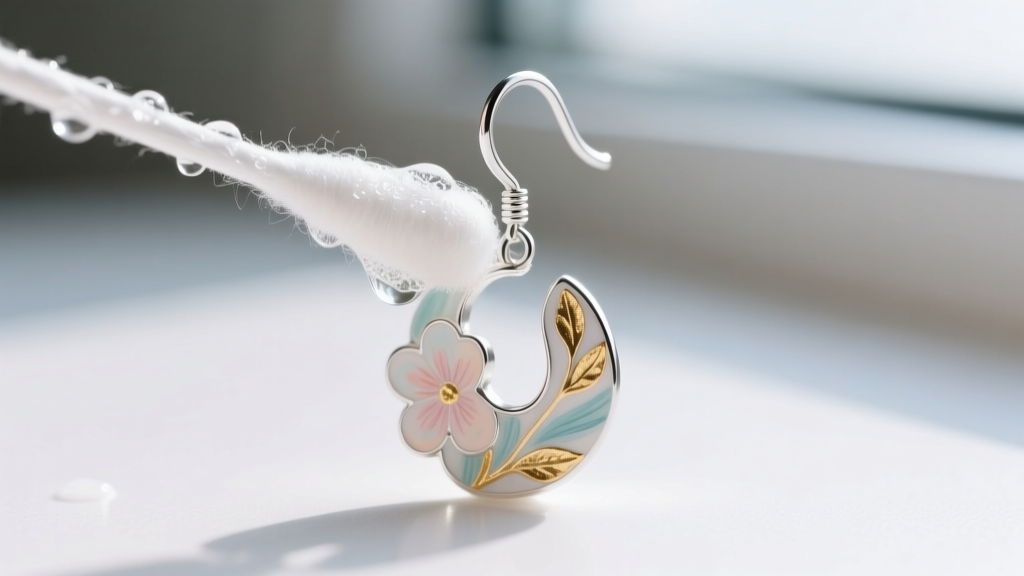
If your sterling silver hooks have oxidized and turned black, do not use liquid silver dips. The chemical thiourea found in dips will strip the paint off your earrings upon contact. Instead, use a treated polishing cloth (like a Sunshine cloth). Carefully wrap the cloth around the wire hook and polish the metal, ensuring the abrasive-treated fabric never grazes the painted canvas. If your earrings feature niobium or titanium hardware, simply wipe the posts with a cotton swab dipped in 70% isopropyl alcohol to sterilize them before wearing—just be incredibly careful to keep the alcohol away from the painted sections.
Sealant Breakdown: Protecting the Art
The longevity of hand painted earrings relies heavily on the topcoat sealant. If you notice your earrings becoming tacky, cloudy, or prone to chipping, the sealant may be failing. Below is a comparison of the most common sealants used by jewelry makers and how they age.
| Sealant Type | Pros | Cons & Failure Modes | Maintenance Level |
|---|---|---|---|
| UV-Curing Resin | Extremely hard, glass-like finish; waterproof; highly durable against scratches. | Can yellow over time if exposed to direct UV sunlight; difficult to repair if chipped. | Low |
| Water-Based Polyurethane | Non-toxic, matte or satin finishes available, does not yellow. | Can become sticky in high humidity; susceptible to peeling if exposed to skin oils. | High |
| Two-Part Epoxy | Thick, domed finish; excellent for encapsulating delicate elements like gold leaf. | Prone to trapping dust during application; can crack if the clay base flexes. | Medium |
Troubleshooting Common Issues
Sticky or Tacky Surfaces
If your earrings feel sticky, this is typically a sign of a failing water-based polyurethane sealant reacting to high ambient humidity or prolonged contact with skin oils. Unfortunately, you cannot simply clean this stickiness away. The piece requires professional restoration: the old sealant must be carefully sanded away, and the piece must be re-sealed, ideally with a UV resin for a permanent fix.
White Cloudiness or Haze
A white haze usually indicates moisture trapped beneath a failing topcoat, or a chemical reaction between an alcohol-based ink and an incompatible spray sealant. To prevent this, makers must ensure inks are 100% dry and sealed with a clear acrylic spray before applying a final resin topcoat. As a wearer, keep your earrings out of the bathroom while showering to prevent steam penetration.
Proper Storage for Longevity
How you store your hand painted earrings is just as critical as how you clean them. Never toss them into a communal jewelry box where metal clasps and gemstone rings can scratch the painted surfaces. Store each pair in its own soft, anti-tarnish flannel pouch. For pieces with delicate dimensional elements (like hand painted clay petals or leaves), utilize a compartmentalized jewelry box with a plush velvet insert to prevent the pieces from being crushed. By combining mindful daily maintenance with proper storage, your hand painted earrings will remain as vibrant and detailed as the day they were first painted.


