Beaded Hoop Earrings: A Material & Durability Comparison Guide
Compare base metals and bead types in beaded hoop earrings. Discover the best hypoallergenic wires, durable stones, and weight profiles for daily wear.

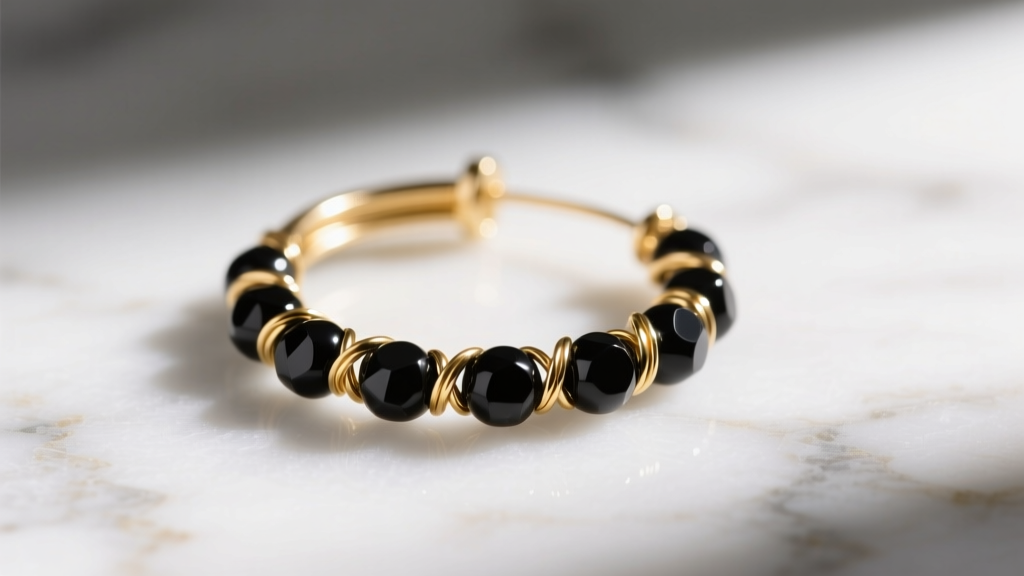
The Anatomy of Beaded Hoop Earrings: Wire vs. Bead
When evaluating beaded hoop earrings, most consumers focus entirely on the aesthetic arrangement of the beads. However, from a materials science and longevity perspective, the true quality of the earring lies in the structural interplay between the base wire and the beads themselves. Beaded hoops are subject to unique mechanical stresses: the wire must maintain its circular memory under the uneven weight distribution of the beads, while the beads must resist friction-induced degradation where they rub against the metal and each other.
Choosing the right combination of materials is not merely a stylistic choice; it dictates the earring's hypoallergenic properties, its resistance to environmental tarnishing, and its ultimate lifespan. In this comprehensive guide, we break down the exact metallurgical grades and gemological properties you need to consider before investing in your next pair of beaded hoops.
Base Wire Metals: Hypoallergenic & Structural Integrity
The wire acts as the structural spine of any beaded hoop. Because hoops pass entirely through the earlobe piercing, the metal is in constant contact with the fistula (the healed piercing channel). This makes biocompatibility just as critical as tensile strength.
Implant-Grade Titanium (ASTM F136) vs. Niobium
For sensitive ears and fresh piercings, ASTM F136 implant-grade titanium is the undisputed gold standard. This specific alloy (Titanium-6Aluminum-4Vanadium ELI) contains zero nickel and boasts an exceptionally high strength-to-weight ratio. An 18-gauge (1.02mm) titanium hoop will resist warping even when strung with heavy natural stone beads.
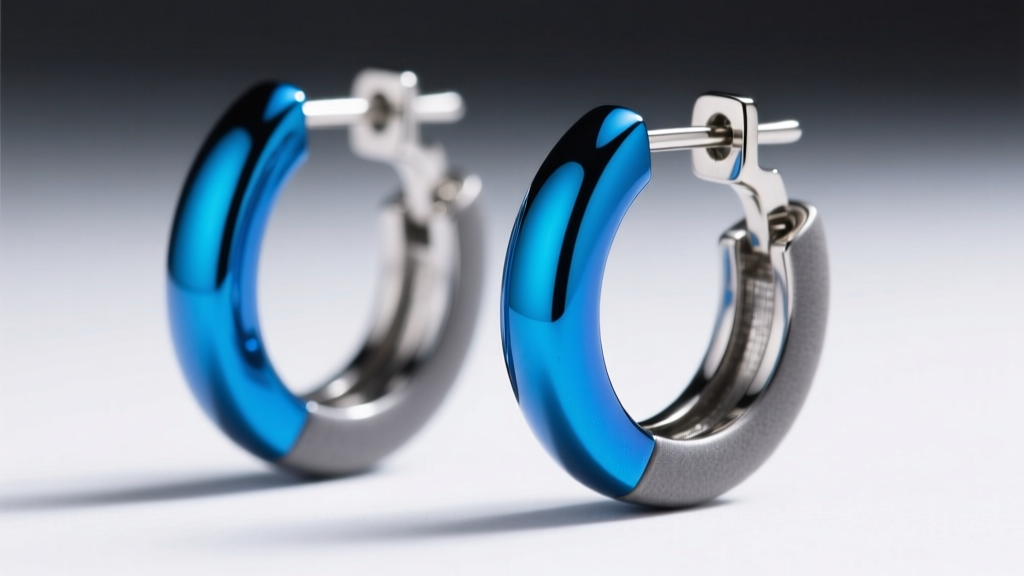
Niobium is another highly biocompatible alternative. While slightly softer than titanium, niobium's unique advantage is its ability to be anodized. By applying varying voltages, jewelers can alter the surface oxide layer to create vibrant, permanent colors without using toxic dyes or plating that could flake off inside the piercing. However, because niobium is softer, it is best reserved for lightweight glass or acrylic beads to prevent the hoop from pulling out of shape.
Gold-Filled vs. Gold Vermeil: The Friction Test
Many shoppers confuse gold vermeil with gold-filled wire, but their durability profiles are vastly different. Gold vermeil consists of a sterling silver base plated with a minimum of 2.5 microns of gold. In beaded hoop earrings, the constant friction of beads sliding against the wire, combined with the mechanical stress at the clasp hinge, will quickly wear through this thin plating, exposing the tarnish-prone silver beneath.
Conversely, 14/20 gold-filled wire is created by mechanically bonding a layer of 14k gold to a brass core using heat and pressure. By FTC standards, the gold must constitute at least 5% of the total weight. This results in a gold layer that is up to 100 times thicker than vermeil, making it highly resistant to the friction wear caused by sliding beads.
Bead Material Properties: Weight, Porosity, and Fade Resistance
The beads strung onto the hoop dictate the overall weight profile and maintenance requirements of the jewelry. According to gemological standards outlined by the Gemological Institute of America (GIA), a material's Mohs hardness and porosity will determine how well it survives the micro-collisions inherent in hoop earrings.
Natural Gemstones vs. Czech Glass vs. Acrylic
Natural gemstones like onyx, quartz, and jade offer exceptional durability due to their high Mohs hardness (6.5 to 7). They resist scratching when they clink together as the hoop swings. However, porous organic materials like freshwater pearls (2.5 to 4.5 Mohs) and turquoise (5 to 6 Mohs) are highly susceptible to 'dusting'—a phenomenon where the friction of the wire slowly grinds away the material around the drill hole, eventually causing the bead to crack.
Czech glass beads provide a fantastic middle ground. With a Mohs hardness of around 5.5, they are heavy enough to give the hoop a premium, luxurious drape, but non-porous, meaning they will not absorb sweat, oils, or perfumes. Acrylic beads, while incredibly lightweight and vibrant, are prone to micro-scratches and can become brittle when exposed to prolonged UV light and alcohol-based cleaning agents.
Material Comparison Matrix
| Material | Mohs Hardness | Weight Profile | Porosity | Est. Price Range (per pair) |
|---|---|---|---|---|
| Natural Onyx | 6.5 - 7.0 | Heavy | Non-Porous | $45 - $120 |
| Freshwater Pearl | 2.5 - 4.5 | Medium | Highly Porous | $30 - $90 |
| Czech Glass | 5.5 | Medium-Heavy | Non-Porous | $20 - $50 |
| Acrylic/Resin | 2.0 - 3.0 | Ultra-Light | Non-Porous | $12 - $35 |
| Niobium Anodized | N/A (Metal) | Light | N/A | $25 - $60 |
Gauge Sizing and Structural Failure Modes
The thickness of the wire, measured in gauge, must be carefully matched to the weight and drill-hole size of the beads. A common structural failure in mass-produced beaded hoops is the use of 22-gauge (0.64mm) wire to save on metal costs. When heavy stone beads are strung on 22g wire, the hoop will inevitably warp into an oval shape, and the clasp will fail to close flush against the post.
- 20-Gauge (0.81mm): The standard for most standard earlobe piercings. Ideal for lightweight glass, acrylic, and small seed beads. Offers a delicate profile but will bend if subjected to heavy stone beads or physical snagging.
- 18-Gauge (1.02mm): The optimal choice for durability and premium materials. Required when stringing heavy natural gemstones, large freshwater pearls, or dense metal beads. Provides the necessary rigidity to maintain a perfect circle.
- 16-Gauge (1.29mm): Generally too thick for most pre-drilled gemstone beads, which typically feature 0.8mm to 1.0mm drill holes. Used primarily for heavy-duty cartilage hoops or custom-wire-wrapped bead designs.
Another critical failure mode occurs at the clasp mechanism. In beaded hoops, the beads often slide down and rest against the hinge or the clicker closure. If the design does not include a small metal spacer bead or a crimp stopper to keep the beads away from the moving parts, the beads can jam the hinge, preventing a secure closure and leading to lost earrings.
Expert Verdict: Matching Material to Lifestyle
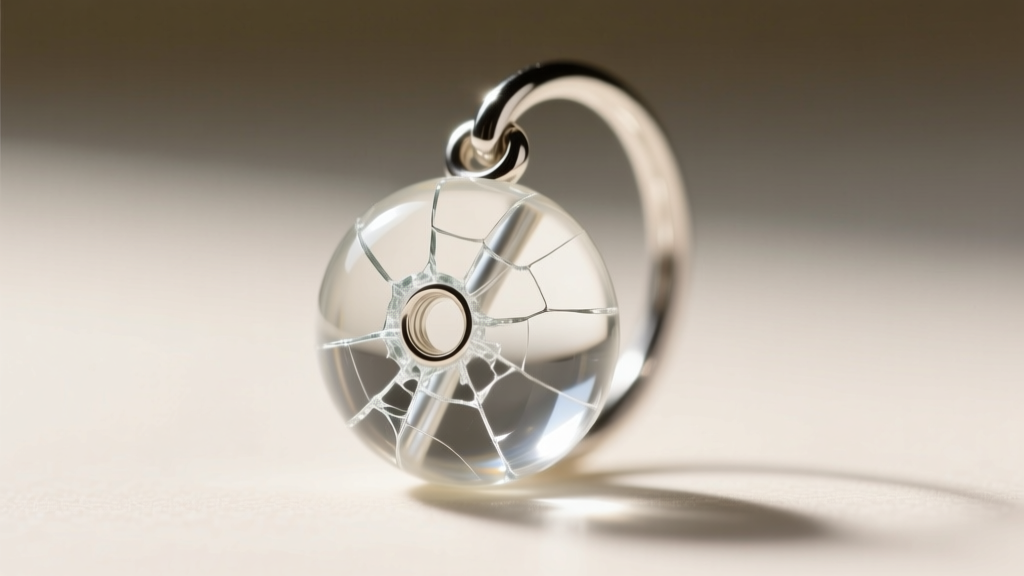
Selecting the perfect beaded hoop earrings requires aligning the material properties with your daily environment. If you live in a humid climate, frequently exercise, or have highly reactive skin, you must prioritize ASTM F136 titanium or solid 14k gold wires paired with non-porous beads like Czech glass or high-Mohs gemstones. Avoid gold vermeil and organic pearls for daily 'sleeper' hoops, as the combination of sweat acidity and mechanical friction will rapidly degrade both the plating and the nacre.
Pro-Tip for Longevity: Never clean porous beaded hoops (like turquoise or pearls) with ultrasonic cleaners or harsh chemical dips. The vibrations can shatter micro-fractured stones, and the chemicals will strip organic nacre. Instead, wipe the beads gently with a damp microfiber cloth and use a dry cotton swab to clean the wire clasp mechanism.
Ultimately, the highest quality beaded hoop earrings are those that transparently disclose their wire alloy and bead origins. By understanding the physics of wire tension and the gemology of bead friction, you can curate a collection that remains structurally sound and visually pristine for years to come.


