1 Carat Princess Cut Diamond Earrings: A Beginner's Buying Guide
Discover how to buy 1 carat princess cut diamond earrings. Learn CTW vs carat each, ideal proportions, setting types, and 2026 pricing benchmarks.

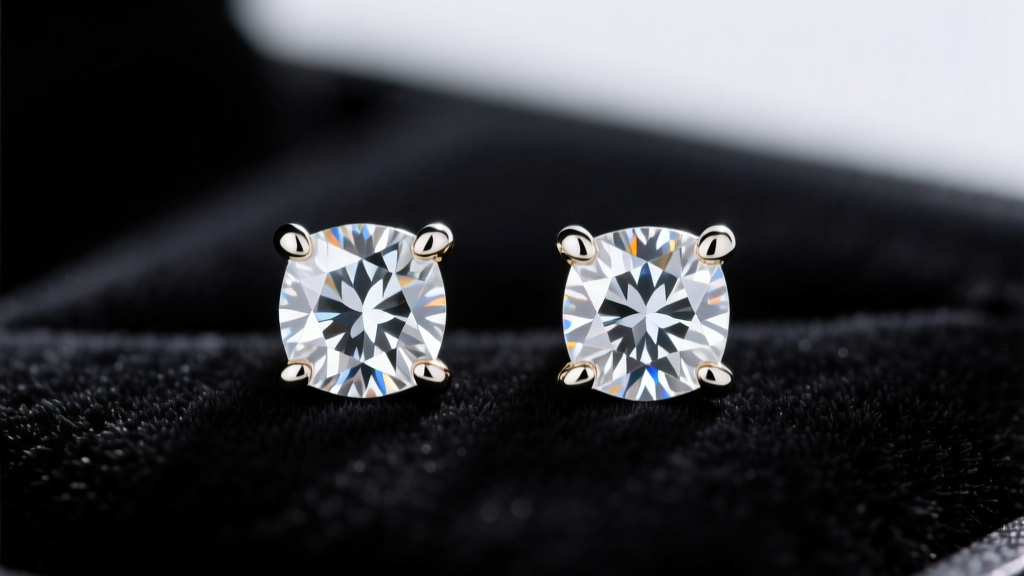
Introduction to Geometric Brilliance
If you are stepping into the world of fine jewelry, few pieces offer the striking, modern elegance of 1 carat princess cut diamond earrings. Known for their sharp, uncut corners and brilliant faceting, princess cuts are the second most popular diamond shape globally, trailing only the classic round brilliant. However, buying square diamonds comes with a unique set of rules, pitfalls, and terminology that can easily overwhelm a first-time buyer.
This beginner-friendly explainer will decode the jargon, help you avoid costly sizing mistakes, and provide exact proportions to ensure your earrings deliver maximum fire and scintillation. Whether you are shopping for natural or lab-grown stones, this 2026 guide will give you the confidence to buy like a seasoned gemologist.
The "1 Carat" Trap: Total Weight vs. Individual Weight
The most common mistake beginners make when shopping for diamond studs is misunderstanding carat weight terminology. When a retailer advertises "1 carat princess cut diamond earrings," they are almost always referring to Carat Total Weight (CTW), not the weight of a single stone.
Breaking Down the Math
- 1.00 CTW (0.50ct each): Each earring weighs half a carat. A 0.50ct princess cut typically measures about 4.3mm x 4.3mm. This is the standard, everyday size for most stud earrings.
- 1.00 Carat Each (2.00 CTW): Each earring weighs a full carat, making the total weight 2 carats. A 1.00ct princess cut measures roughly 5.5mm x 5.5mm. This is a bold, high-impact size that commands a significantly higher price.
Always verify whether the listing specifies "CTW" or "Carat Each." The Federal Trade Commission (FTC) Jewelry Guides strictly mandate that retailers must clearly disclose total weight versus individual stone weight to prevent deceptive marketing, but the fine print can still be tricky to navigate on mobile screens.
Anatomy of a Princess Cut: Proportions That Matter
Unlike round brilliant diamonds, the Gemological Institute of America (GIA) does not assign an official "Cut Grade" to princess cut diamonds. This means you cannot simply look for an "Excellent" cut grade on the certificate. Instead, you must evaluate the proportions yourself using the GIA's diamond shape guidelines.
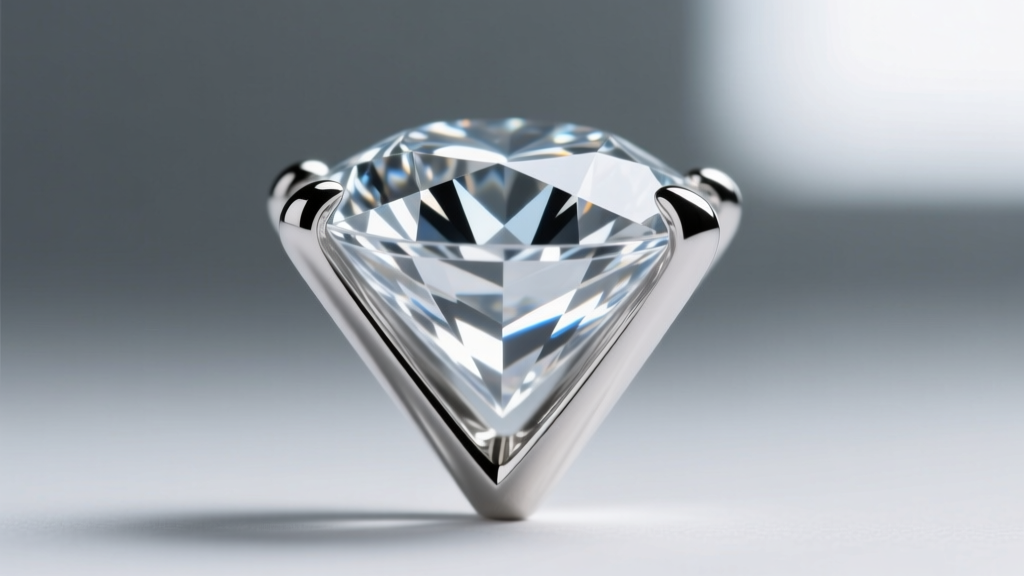
The Ideal Proportion Matrix
To ensure your 1 carat princess cut diamond earrings exhibit optimal light return and avoid looking rectangular or flat, look for these specific metrics on the grading report:
| Proportion Metric | Ideal Range | Why It Matters |
|---|---|---|
| Length-to-Width Ratio | 1.00 - 1.05 | Ensures the stone is a perfect square, not a rectangle. |
| Depth Percentage | 65% - 75% | Prevents light from leaking out the bottom (windowing). |
| Table Percentage | 65% - 75% | Balances the crown's brilliance with the pavilion's fire. |
Color and Clarity Sweet Spots
Princess cuts are excellent at retaining color, meaning you do not need to pay a premium for the highest color grades. For white gold or platinum settings, a G or H color grade will face up completely colorless to the naked eye. For yellow or rose gold, you can safely drop to an I or J color.
Regarding clarity, the sharp corners of a princess cut are highly susceptible to chipping if an inclusion is located near the edge. According to GIA clarity grading standards, always review the inclusion plot map. Aim for VS2 or SI1 clarity, but ensure the inclusions are centralized and not located in the four vulnerable corners.
Setting Styles: Protecting the Corners
Because of their 90-degree corners, princess cut diamonds require specific setting architectures to prevent chipping during daily wear. Never buy a princess cut stud with a standard round prong that leaves the corner exposed.
The 4-Prong Basket Setting
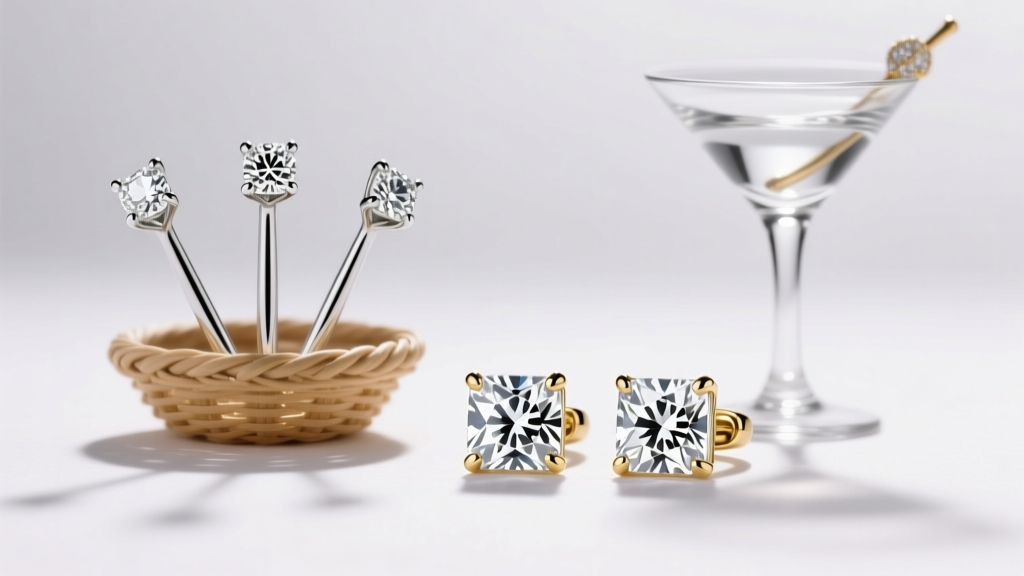
The basket setting is the gold standard for square stones. It utilizes four distinct prongs, each placed directly over a corner of the diamond. This not only protects the fragile points but also visually reinforces the square silhouette. For maximum security, look for V-prongs, which are shaped like a "V" to cradle the entire corner rather than just resting on the very tip.
The Martini Setting
While martini settings (which feature three prongs) are popular for round diamonds because they allow more light to enter the stone, they are not recommended for princess cuts. A three-prong setting will inevitably leave one of the four sharp corners completely exposed to impact, drastically increasing the risk of catastrophic chipping.
Metals, Post Gauges, and Backings
The hardware of your earrings is just as critical as the diamonds themselves. Here is what you need to know about the structural components.
Metal Choices
- Platinum: The ultimate choice for security. It is naturally white, hypoallergenic, and does not require rhodium plating. Its density holds prongs securely, making it ideal for protecting princess corners.
- 14k or 18k White Gold: A more budget-friendly option that mimics platinum. However, white gold requires rhodium replating every 1-2 years to maintain its bright white color. If the plating wears off, the yellowish base metal can reflect into the diamond, altering its perceived color.
Post Gauge and Backings
Standard earring posts typically range from 20-gauge (0.81mm)18-gauge (1.02mm). For a 1.00 CTW pair of earrings, a 20-gauge post is standard and comfortable for most earlobes. If you are buying 2.00 CTW (1 carat each), the heavier stones may require a thicker 18-gauge post to prevent the earring from drooping forward.
Always opt for screw-backs or La Pousette (locking) backs rather than standard friction push-backs. The threading or locking mechanism ensures that your investment stays securely on your ear, even if snagged on a sweater or hairbrush.
2026 Pricing Benchmarks: Natural vs. Lab-Grown
The diamond market has shifted dramatically over the last few years. As of 2026, lab-grown diamonds offer identical chemical and optical properties to mined diamonds at a fraction of the cost, allowing beginners to maximize their budget.
| Specification | Natural Diamond (Approx. Price) | Lab-Grown Diamond (Approx. Price) |
|---|---|---|
| 1.00 CTW (0.50ct each), G/VS2 | $2,800 - $3,500 | $600 - $900 |
| 2.00 CTW (1.00ct each), G/VS2 | $8,500 - $11,000 | $1,400 - $2,000 |
Note: Prices fluctuate based on retailer overhead, exact cut quality, and fluorescence. Always compare stones with identical grading metrics.
Certification: The Non-Negotiable Rule
Never purchase 1 carat princess cut diamond earrings without an independent grading report. For natural diamonds, the GIA (Gemological Institute of America) is the undisputed industry standard, offering the most rigorous and consistent color and clarity grading. For lab-grown diamonds, the IGI (International Gemological Institute) and GIA both provide excellent, comprehensive reports that include laser inscriptions on the diamond's girdle, allowing you to match the physical stone to the digital certificate.
Final Beginner Checklist
Before you click "checkout," run through this quick E-E-A-T verification list:
- Is the listing clearly marked as CTW or Carat Each?
- Does the L/W ratio fall between 1.00 and 1.05?
- Are the corners protected by V-prongs in a 4-prong basket setting?
- Is the clarity plot free of inclusions near the four corners?
- Does the stone come with a verifiable GIA or IGI grading report?
By focusing on precise proportions, protective settings, and transparent weight metrics, you will secure a pair of princess cut studs that deliver striking, geometric brilliance for decades to come.


