How to Clean and Care for 11mm Hoop Earrings Safely
Learn expert cleaning and maintenance tips for 11mm hoop earrings. Discover how to safely wash clicker hinges, prevent tarnish, and protect piercings.

The Unique Anatomy of 11mm Hoop Earrings
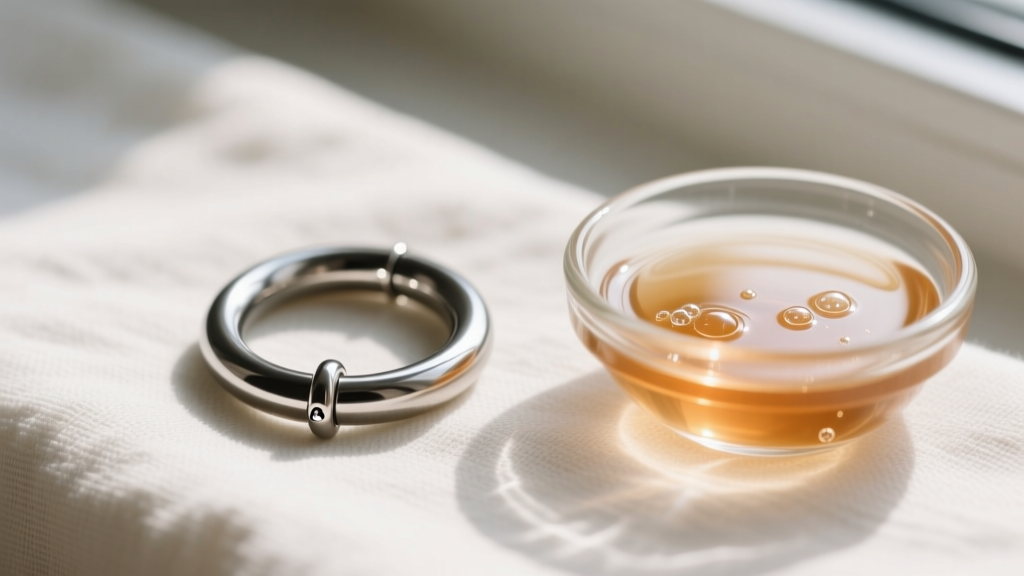
11mm hoop earrings occupy a highly specific niche in modern jewelry design. Often categorized as "huggies" or small sleepers, this exact 11-millimeter diameter is engineered to hug the earlobe tightly or sit flush in cartilage piercings like the helix, tragus, or rook. Because of their compact geometry, 11mm hoops require specialized care that larger hoops simply do not demand. The tight curvature makes it difficult to reach the inner circumference with standard polishing cloths, and the miniaturized hinge or clicker mechanisms are highly susceptible to microscopic debris buildup.
Whether you are wearing a 20-gauge (0.81mm) lobe sleeper or a thicker 16-gauge (1.29mm) cartilage hoop, maintaining the structural integrity and hygiene of your jewelry is paramount. According to the Association of Professional Piercers (APP), accumulated sebum, dead skin cells, and aerosolized hair products can calcify inside small jewelry mechanisms, leading to clasp failure and localized skin irritation. This comprehensive guide will walk you through the exact protocols for cleaning, maintaining, and troubleshooting your 11mm hoop earrings to ensure they last a lifetime.
Material-Specific Cleaning Protocols
Not all 11mm hoops are created equal. The base metal and finishing techniques dictate the chemicals and mechanical actions you can safely use. Using the wrong cleaning agent can strip plating, oxidize alloys, or dull gemstones.
| Material Grade | Common Use Case | Safe Cleaning Agents | Ultrasonic Safe? |
|---|---|---|---|
| Implant-Grade Titanium (ASTM F136) | Healing piercings, sensitive cartilage | Sterile saline, mild unscented soap | Yes |
| 14k / 18k Solid Gold | Everyday lobe and helix wear | Warm water, mild dish detergent | Yes (if no soft gems) |
| Gold Vermeil (over 925 Silver) | Fashion-forward huggies | Dry microfiber cloth only | Strictly No |
| Surgical Steel (316L) | Standard healed lobe piercings | Mild soap, distilled water rinse | Yes |
| Sterling Silver (925) | Occasional wear, vintage styles | Silver polish, baking soda paste | Yes (but avoid chemicals) |
As noted by Jewelers of America, gold vermeil requires the most delicate touch. The gold layer on vermeil is typically only 2.5 microns thick; submerging it in liquid solutions or using ultrasonic vibrations will accelerate the wear-through process, exposing the sterling silver core to rapid tarnishing.
Step-by-Step Deep Clean for Clicker and Hinged Hoops
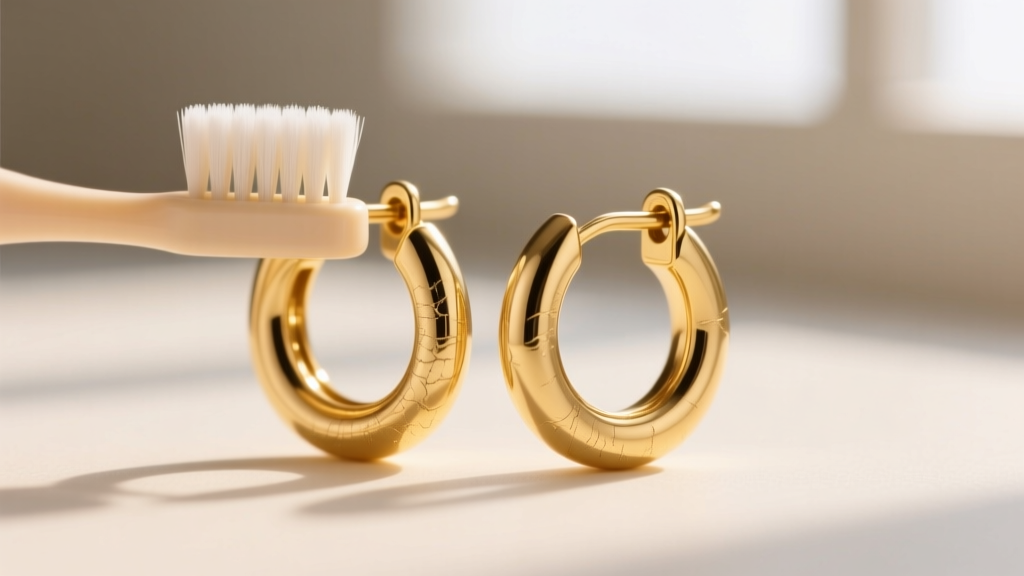
The most common closure for an 11mm hoop is the "clicker"—a hinged segment that snaps into a receiving tube with an audible click. This mechanism relies on a tiny tension groove. When lotion, hard water minerals, or skin oils fill this groove, the clasp loses its tension and fails to close securely.
Manual Hinge Flushing Technique
To deep clean the clicker mechanism without damaging the tension ridge, follow this exact protocol:
- Step 1: Prepare a flushing solution of 50% distilled water and 50% isopropyl alcohol (70% or higher). Note: Do not use alcohol on gold vermeil or porous gemstones like opals.
- Step 2: Draw the solution into a blunt-tipped oral syringe (available at any pharmacy).
- Step 3: Hold the 11mm hoop open over a paper towel. Aim the syringe tip directly at the hollow receiving tube of the clasp and flush with moderate pressure. This forces out calcified sebum and soap residue.
- Step 4: Use a soft-bristled baby toothbrush dipped in mild dish soap to gently scrub the male post and the microscopic groove.
- Step 5: Rinse thoroughly with distilled water and dry immediately with a microfiber cloth to prevent water spots.
The Ultrasonic Cleaner Warning
While 40kHz ultrasonic cleaners are fantastic for blasting debris out of solid titanium or plain gold 11mm hoops, they are highly destructive to certain designs. If your 11mm huggies feature tension-set lab-grown diamonds, pave settings, or enamel inlays, the high-frequency cavitation bubbles can shatter the stones or cause micro-fractures in the enamel. Always default to manual brushing for gemstone-set huggies.
Daily Maintenance and Snag Prevention
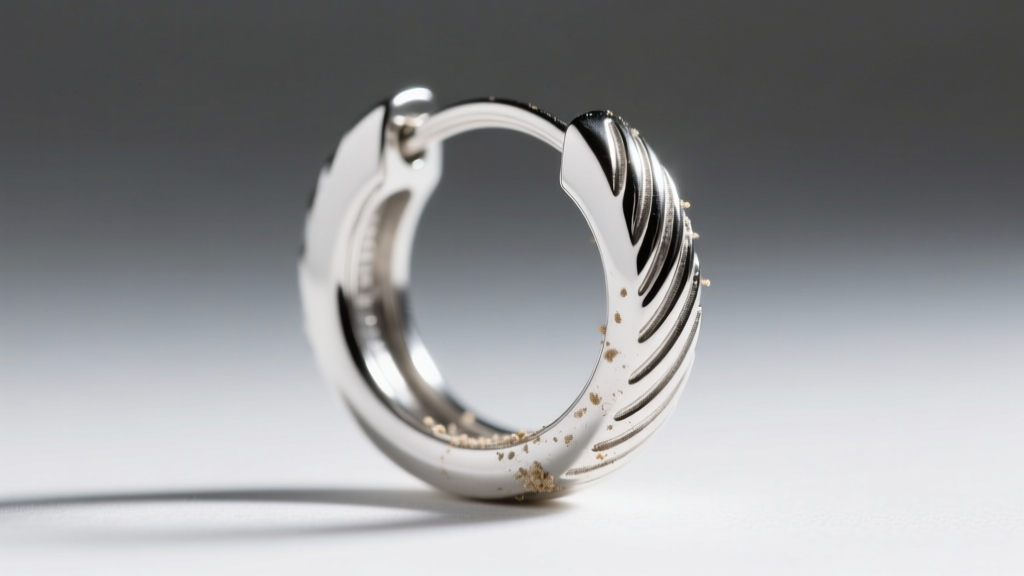
Because 11mm hoops sit so close to the skin, they are constantly exposed to the body's natural oils and external environmental factors. Cartilage piercings, in particular, are prone to collecting aerosolized dry shampoo, hairspray, and heavy conditioners.
To prevent buildup, adopt a "wipe-down" habit. Keep a dedicated jewelry polishing cloth on your nightstand. Every evening, before bed, run the cloth along the inner and outer curves of the hoop. This 10-second habit prevents the sebum from hardening into a cement-like substance inside the hinge barrel.
Furthermore, be mindful of snagging. An 11mm hoop in a forward helix or tragus piercing is perfectly sized to catch on over-ear headphones, woolen winter hats, and coarse hair. When removing clothing, always pull garments down from the waist rather than up over the head to avoid catching the hoop on fabric seams, which can warp the metal or tear the piercing fistula.
Troubleshooting Common 11mm Hoop Failures
Even with meticulous care, the physical realities of wearing small-gauge jewelry can lead to mechanical issues. Here is how to troubleshoot the three most common failures associated with 11mm hoops.
1. The Clasp Won't "Click" Shut
If the hinge closes but fails to snap securely, the internal ridge of the female tube is likely obstructed. Do not use metal needles or safety pins to dig out the debris, as this will scratch the interior and permanently ruin the tension fit. Instead, use a wooden toothpick shaved to a fine point, or a stiff interdental brush, to gently dislodge the compacted material. Follow up with the syringe flushing technique mentioned above.
2. Warping and Loss of Circular Shape
11mm hoops crafted in 20-gauge (0.81mm) or 18-gauge (1.02mm) wire are relatively delicate. Sleeping on them can easily bend the hoop into an oval shape. If this happens, do not attempt to bend it back with your bare fingers, as this places immense stress on the solder point near the hinge, risking a clean snap. Instead, slide the hoop onto a steel ring mandrel or a smooth, rounded wooden dowel that matches the 11mm diameter. Gently roll it against a flat surface to coax the metal back into a perfect circle without stressing the hinge joint.
3. Accelerated Tarnish on Sterling Silver
If your 11mm sterling silver hoops turn black near the clasp, this is often a reaction to sulfur compounds in the air or contact with rubber/silicone (like phone cases or earbud tips). While chemical silver dips will remove the tarnish instantly, they leave a microscopic residue that accelerates future tarnishing and can degrade the hinge spring. Always opt for a treated silver polishing cloth, rubbing in a single direction rather than in circles, to lift the silver sulfide layer without scratching the soft metal.
Conclusion
Caring for 11mm hoop earrings requires a shift from passive maintenance to active, precision cleaning. By understanding the specific vulnerabilities of miniaturized clicker hinges and respecting the chemical limits of your chosen metal grade, you can keep your huggies functioning flawlessly. Whether you are wearing implant-grade titanium for a healing helix or solid 14k gold for a polished lobe stack, implementing these targeted cleaning protocols will ensure your jewelry remains as secure and brilliant as the day you first clicked it into place.


