Bee Earrings Gold Guide: Solid, Vermeil, and Plated Compared
Discover the best metal for your bee earrings. We compare solid gold, vermeil, and plated options for durability, detail, and sensitive ears.

The Anatomy of Gold Bee Earrings: Why Material Matters
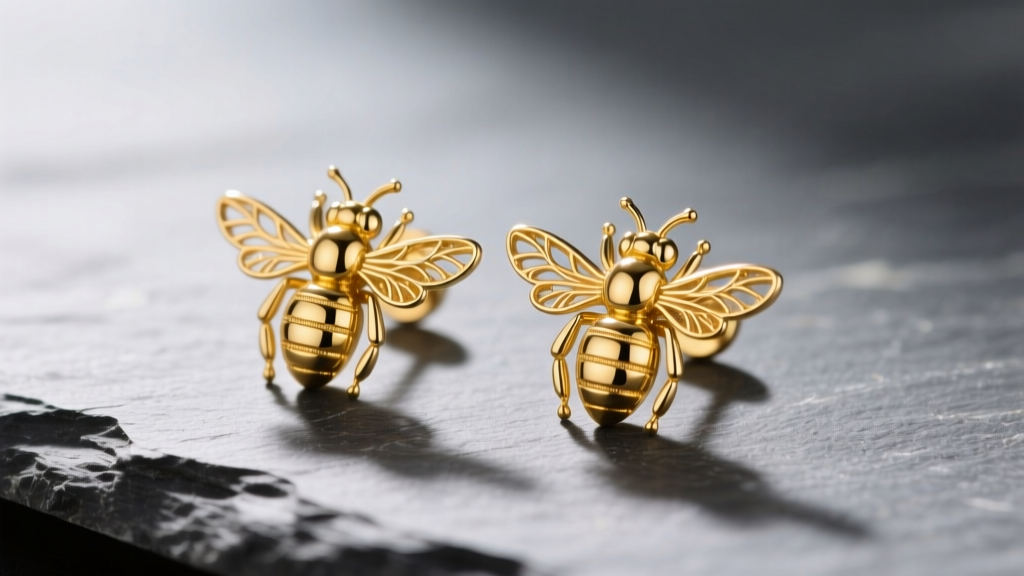
When selecting nature-inspired jewelry, the material composition dictates both the aesthetic longevity and the structural integrity of the piece. If you are searching for bee earrings gold options, you are likely drawn to the intricate detailing—filigree wings, textured abdomens, and delicate stingers—that these motifs require. However, not all gold is created equal. The manufacturing process for 3D cast bee shapes or flat-stamped silhouettes reacts very differently depending on the karat purity and base metals involved.
In 2026, the jewelry market is saturated with varying grades of gold finishes, making it crucial for consumers to understand the metallurgical differences before investing. A bee motif relies heavily on high-relief textures and thin wire accents. If the metal is too soft, the wings will bend; if the plating is too thin, the crevices of the bee's anatomy will quickly reveal the base metal beneath. This comprehensive guide breaks down the material properties of solid gold, gold vermeil, gold-filled, and gold-plated options specifically for bee-themed earrings.
Solid Gold vs. Vermeil vs. Plated: The Breakdown
To make an informed purchase, it is essential to look past the marketing terminology and examine the actual gold content, base metals, and manufacturing standards. The Federal Trade Commission (FTC) strictly regulates how jewelers can label gold products, ensuring that terms like 'vermeil' and 'solid' carry specific metallurgical weight.
| Material Type | Base Metal | Gold Layer / Purity | Avg. Price (Studs) | Durability Score |
|---|---|---|---|---|
| Solid 14k Gold | None (Alloyed) | 58.5% Pure Gold | $150 - $450 | Excellent |
| Solid 18k Gold | None (Alloyed) | 75.0% Pure Gold | $250 - $600+ | Good (Prone to scratching) |
| Gold Vermeil | Sterling Silver (925) | Min. 2.5 microns | $65 - $140 | Very Good |
| Gold Filled | Brass / Copper | 1/20th gold by weight | $40 - $90 | Good (Limited to wirework) |
| Gold Plated | Brass / Alloy | Less than 0.5 microns | $15 - $45 | Poor |
Intricate Detailing: How Gold Purity Affects Bee Motifs
The physical properties of gold alloys directly impact how well a jeweler can execute the fine details of a bee design. According to the Gemological Institute of America (GIA), pure 24k gold is far too soft for everyday jewelry, which is why it is alloyed with metals like copper, silver, and zinc.
Granulation and Filigree Wings
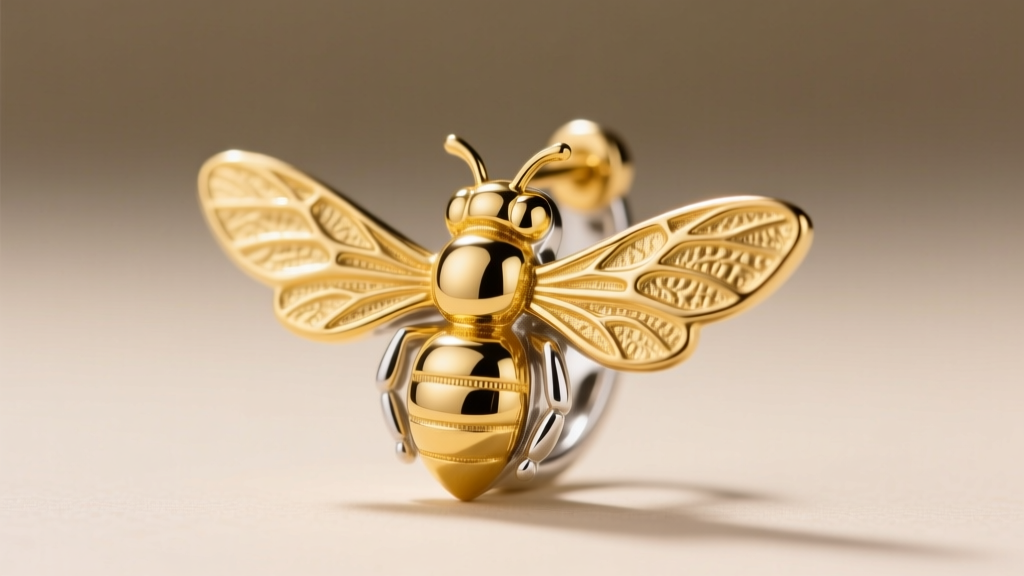
Bee wings are often crafted using filigree (soldered wire threads) or granulation (tiny gold beads). For these delicate structures, 14k gold is the superior choice. Because 14k gold contains 41.5% alloy metals, it possesses a higher Vickers hardness (approximately 120-150 HV) compared to 18k gold. This tensile strength ensures that the ultra-thin wires forming the bee's wings will not easily bend or warp when snagged on hair or clothing. Conversely, 18k gold offers a richer, warmer yellow hue that beautifully mimics the natural stripes of a honeybee, but its softer nature makes high-relief abdomens more susceptible to micro-scratches and dents over time.
Enamel and Gemstone Settings
Many premium bee earrings feature guilloché enamel on the wings or tiny sapphire accents for the eyes. Enamel requires a stable base to prevent cracking and flaking. Solid gold and sterling silver (the base for vermeil) provide the necessary thermal stability during the enamel firing process. Cheap brass bases found in standard gold-plated earrings often expand and contract at different rates than the enamel, leading to premature chipping in the bee's intricate wing segments.
Gauge Sizes and Post Thickness for Bee Studs and Dangles
Material choice also intersects with the structural engineering of the earring post or wire. The weight of a 3D cast gold bee requires specific gauge thicknesses to prevent the earring from drooping or tearing the earlobe.
- Standard Bee Studs (20 Gauge / 0.81mm): Ideal for small, lightweight bees (under 3 grams). A 20k or 14k solid gold post at this gauge provides enough rigidity to push through the lobe without bending.
- Heavy Bee Studs & Huggies (18 Gauge / 1.02mm): If the bee design is chunky or features a honeycomb halo, an 18-gauge post is necessary to support the weight and keep the earring sitting flush against the ear.
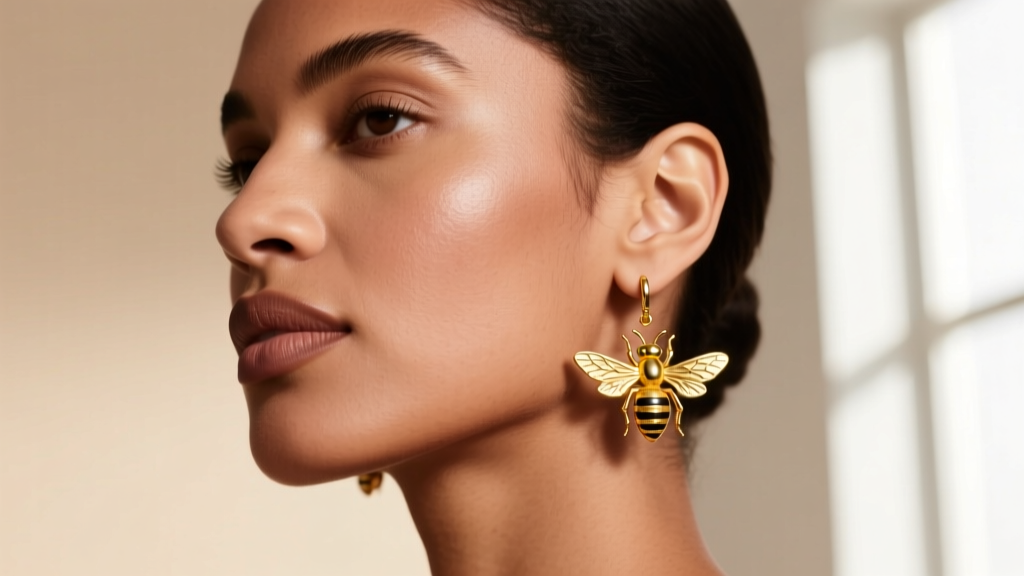
- Dangle & Drop Bees (20 to 22 Gauge French Wire): Dangling bees rely on the ear's natural movement. Thinner 22-gauge (0.64mm) gold-filled or solid gold French wires are standard here to minimize friction in the piercing channel while allowing the bee to swing freely.
Hypoallergenic Properties: Avoiding Contact Dermatitis
The intricate crevices of a bee design can trap sweat, dead skin cells, and soap residue, creating a breeding ground for bacteria and exacerbating metal allergies. If you have sensitive earlobes, the base metal of your bee earrings is just as critical as the outer gold layer.
The American Academy of Dermatology notes that nickel is the most common culprit for allergic contact dermatitis in jewelry. Many budget-friendly gold-plated bee earrings use brass or nickel-silver alloys as a base. As the microscopic gold layer wears away from the high-friction areas (like the bee's antennae or the post itself), the nickel is exposed directly to the skin.
Expert Tip: If you are buying gold vermeil bee earrings, you are inherently protected from nickel allergies, as FTC guidelines mandate that vermeil must have a sterling silver (925) base, which is generally nickel-free. For solid gold, ensure the jeweler uses a nickel-free white gold alloy (palladium-based) if you prefer the silver-toned look for your bee motifs.
Care and Maintenance for Gold Bee Jewelry
Maintaining the intricate details of gold bee earrings requires specific cleaning protocols based on their material composition. The deep grooves of a bee's thorax and the tight angles of honeycomb accents trap oils that can dull the metal's shine.
Cleaning Solid Gold and Vermeil
For solid 14k/18k gold and heavy vermeil pieces, use a soft-bristled baby toothbrush dipped in a solution of warm water and mild, phosphate-free dish soap. Gently brush the crevices of the bee's wings and abdomen. Never use ultrasonic cleaners on gold vermeil or plated bee earrings; the high-frequency vibrations will strip the gold layer right out of the intricate filigree details, leaving you with a patchy, silver-and-brass bee.
Storing to Prevent Tarnish and Scratching
Because bee motifs often feature protruding elements like stingers and legs, they can easily scratch other jewelry in a shared box. Store your bee earrings in individual anti-tarnish flannel pouches. If your bee earrings feature pearl accents (often used to mimic dewdrops on the wings), keep them away from airtight plastic bags, as pearls require ambient moisture to prevent cracking and peeling.
Ultimately, choosing the right material for your bee earrings gold collection comes down to balancing your budget with your expectations for detail retention and skin compatibility. While solid 14k gold remains the undisputed champion for heirloom-quality filigree wings, high-grade vermeil offers a highly durable, hypoallergenic alternative for those who want the luxurious look of gold without the solid gold price tag.


