Crafting the Perfect Vermeer Pearl Earring: A Material Guide
Discover how to choose the ideal Vermeer pearl earring by comparing nacre thickness, pearl types, and metal settings for lasting luster.

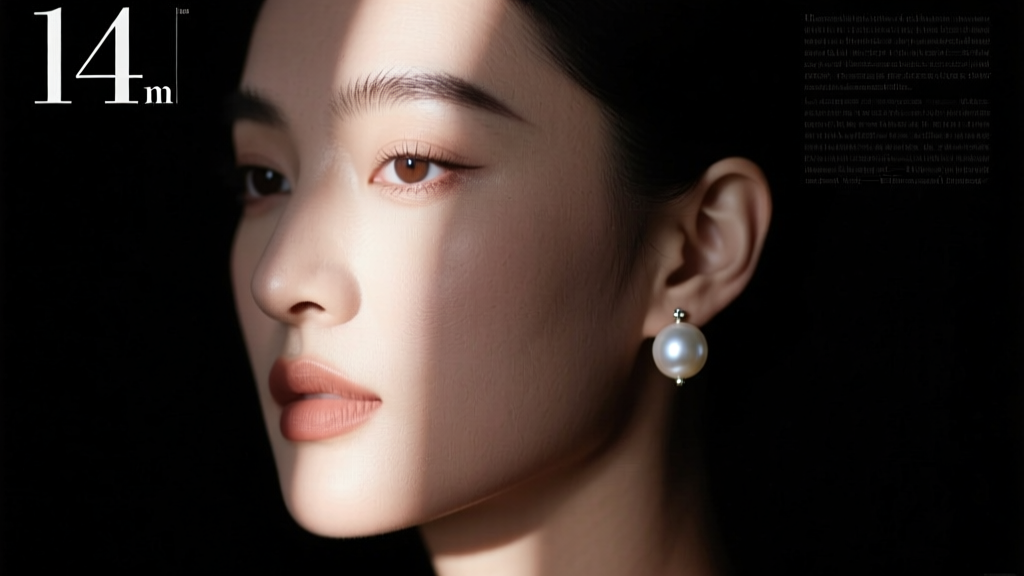
Johannes Vermeer’s 1665 masterpiece, Girl with a Pearl Earring, has captivated art lovers and jewelry enthusiasts for centuries. The enigmatic subject’s focal point is, undeniably, the massive, luminous pearl drop resting against her collarbone. Recreating this iconic look requires more than just finding a large spherical bead; it demands a deep understanding of gemological properties, material durability, and structural mechanics. A true Vermeer pearl earring must balance breathtaking optical phenomena with the physical reality of weight distribution on the human earlobe.
In this comprehensive material guide, we deconstruct the anatomy of the perfect pearl drop earring. From the microscopic aragonite platelets that create a pearl's luster to the tensile strength of the metal wires that support it, here is everything you need to know to select or craft an heirloom-quality piece.
The Allure of the Vermeer Pearl Earring
According to curators at the Mauritshuis Museum, where the original painting resides, the pearl depicted is impossibly large for a 17th-century natural saltwater pearl. Art historians suggest it may have been a polished glass or tin drop, or perhaps an artistic exaggeration of light and shadow. However, in modern jewelry design, we have the gemological technology to source genuine cultured pearls that match this exact visual impact.
To achieve the "Vermeer effect," the earring must possess three critical material traits: substantial size (typically 12mm to 15mm), a teardrop or perfectly round geometry, and a high-contrast luster that catches ambient light even in dimly lit, chiaroscuro environments. Achieving this requires navigating the complex trade-offs between different pearl species and their underlying nacre structures.
Decoding Pearl Types: Akoya vs. South Sea vs. Freshwater
Not all pearls are created equal. The Gemological Institute of America (GIA) categorizes cultured pearls by their mollusk host and cultivation environment. For a large-scale drop earring, your primary contenders are White South Sea, Edison Freshwater, and occasionally, oversized Akoya pearls.
Nacre Thickness and Luster Quality
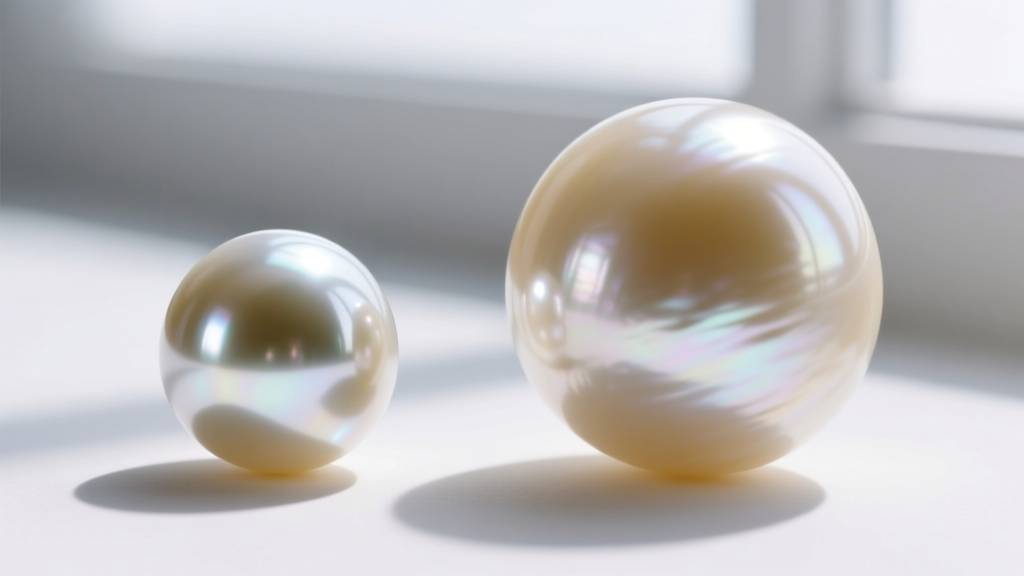
Luster is the result of light penetrating the translucent layers of nacre and reflecting back from the inner core. Nacre is composed of microscopic hexagonal platelets of aragonite (a form of calcium carbonate) bound together by an organic protein called conchiolin. The thickness and alignment of these layers dictate the pearl's optical performance.
- White South Sea Pearls: Cultivated in the Pinctada maxima oyster, these pearls naturally grow to massive sizes (10mm–15mm+). They feature incredibly thick nacre (2mm–6mm) but possess a softer, satiny luster due to the rapid deposition of aragonite in warm tropical waters.
- Freshwater Edison Pearls: A modern innovation, these bead-nucleated freshwater pearls can reach 13mm–16mm. They offer a thicker nacre layer than Akoya and a sharper luster than South Sea pearls, making them a highly cost-effective material for Vermeer-inspired drops.
- Akoya Pearls: Famous for their razor-sharp, mirror-like luster, Akoya pearls are rarely found above 9.5mm. While they offer the best optical reflection, they fall short of the dramatic, oversized proportions required for an authentic Vermeer silhouette.
| Pearl Material | Typical Size Range | Nacre Thickness | Luster Profile | Est. Price (Per Pair) |
|---|---|---|---|---|
| White South Sea | 10mm – 16mm | 2.0mm – 6.0mm | Soft, Satiny, Deep Glow | $800 – $4,500+ |
| Edison Freshwater | 11mm – 15mm | 1.5mm – 3.0mm | Sharp, Metallic, Bright | $150 – $600 |
| Akoya (Max Size) | 8mm – 9.5mm | 0.3mm – 0.5mm | Mirror-Like, High Contrast | $400 – $1,200 |
| Majorica (Glass Core) | 12mm – 16mm | N/A (Coating) | Uniform, Flawless, Bright | $150 – $300 |
Metal Settings: Supporting the Weight of History
A 14mm White South Sea pearl can weigh between 4 and 6 grams. While this sounds light, when suspended from the earlobe via a leverback or French wire, it creates significant rotational torque. The choice of metal alloy is not merely an aesthetic decision; it is a structural necessity.
Wire Gauge and Structural Integrity
Standard fashion earrings often utilize 21-gauge (0.72mm) or 22-gauge (0.64mm) ear wires. Under the continuous gravitational pull of a 5-gram pearl, these thin wires will slowly bend, deform, and eventually snap, especially if crafted from softer metals.
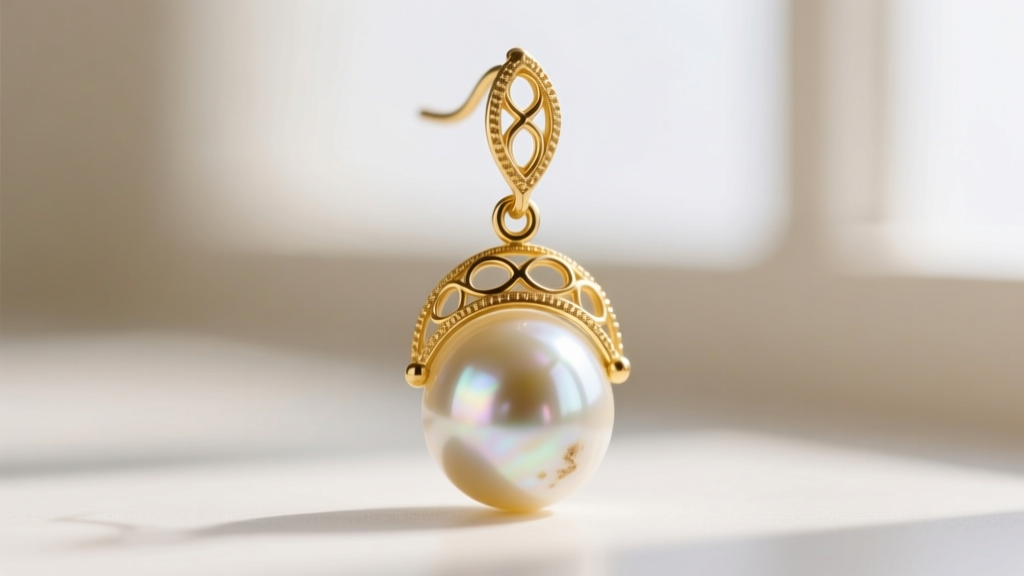
For a secure Vermeer pearl earring, you must specify 18-gauge (1.02mm) or 19-gauge (0.91mm) wire. Furthermore, the metallurgical composition matters:
- Sterling Silver (925): With a Vickers hardness of roughly 70 HV, sterling silver is highly malleable. An 18-gauge silver wire will eventually warp under heavy pearl drops. If using silver, opt for a reinforced leverback mechanism with a steel internal spring.
- 14k Yellow Gold: Alloyed with copper and silver, 14k gold boasts a Vickers hardness of approximately 125 HV. It provides the ideal balance of historical warmth (matching 17th-century aesthetic preferences) and the tensile strength required to hold a heavy drop pearl securely without permanent deformation.
- Platinum (950): While extremely durable and heavy (Vickers ~110 HV but highly dense), platinum's cool, white reflection can sometimes clash with the warm overtones of a vintage-inspired pearl drop.
Glass and Crystal Alternatives: The Historical Reality
If historical accuracy to Vermeer's actual subject matter is your goal, you might bypass organic gems entirely. In the 1600s, massive natural pearls were the exclusive domain of royalty. The bourgeois class often wore high-quality glass pearls coated with essence d'orient (a substance derived from herring scales).
Today, brands like Majorica utilize a proprietary opaline glass core dipped in multiple layers of pearl essence. From a material science perspective, a glass-core pearl offers a distinct advantage: weight reduction. A 15mm glass pearl weighs significantly less than a solid nacre South Sea pearl of the same volume, drastically reducing the risk of earlobe tearing or piercing elongation over time. For those with sensitive or previously stretched piercings, a high-grade crystal or glass alternative set on a 20-gauge gold-filled wire is the most ergonomic choice.
Care and Maintenance for High-Drop Pearls
Organic pearls are remarkably delicate, ranking only 2.5 to 3.0 on the Mohs scale of mineral hardness. Because a Vermeer-style drop earring dangles freely, it is highly susceptible to swinging and striking against hard surfaces like desks, mirrors, or stone countertops, which can cause micro-abrasions or catastrophic chipping.
Expert Maintenance Tip: Never store your pearl drop earrings in a communal jewelry box where they can rub against diamonds or sapphires. Store them individually in a soft, untreated silk pouch. Furthermore, apply all perfumes, hairsprays, and acidic skincare products at least 15 minutes before putting on your pearls, as the conchiolin protein in nacre is highly vulnerable to chemical degradation.
According to the GIA Pearl Care Guide, you should wipe your pearls with a damp, lint-free microfiber cloth after every wear to remove sebum and environmental pollutants. By respecting the material limitations of both the nacre and the metal setting, your Vermeer pearl earring will remain a timeless, luminous masterpiece for generations to come.


