Niihau Shell Earrings: The Ultimate Authenticity & Buying Guide
Discover how to authenticate, value, and buy genuine Niihau shell earrings. Learn about Kahelelani and Laiki shells, pricing, and expert care tips.

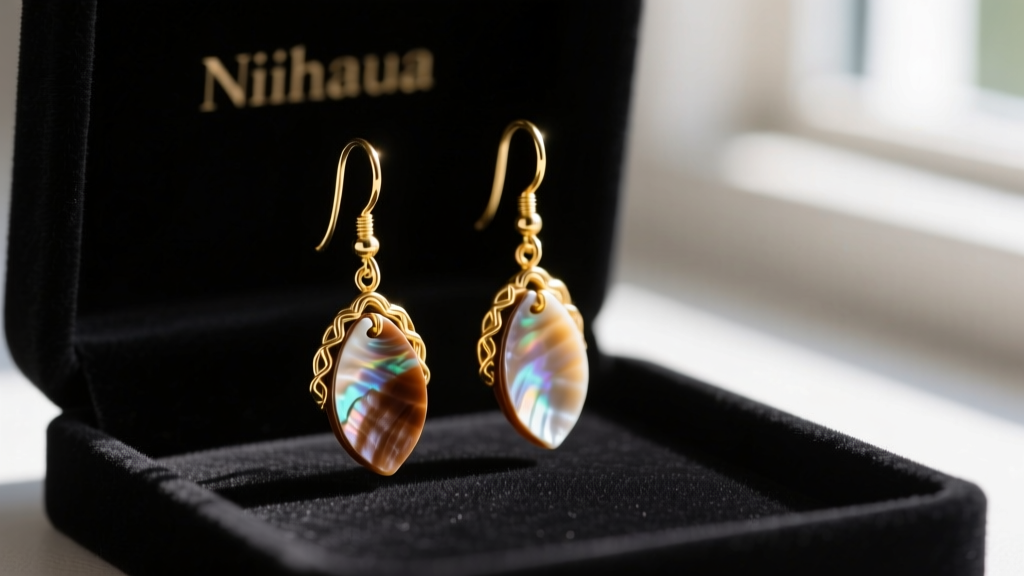
The Allure and Rarity of Niihau Shell Jewelry
Often referred to as the "diamonds of Hawaii," genuine Niihau shell earrings represent one of the most exclusive and culturally significant forms of jewelry in the world. Sourced primarily from the shores of Niihau—the privately owned "Forbidden Island" of Hawaii—these microscopic treasures are not merely accessories; they are wearable art and serious investment pieces. As of 2026, the market for authentic Hawaiian shell jewelry has surged, driven by a renewed appreciation for indigenous craftsmanship and the increasing scarcity of pristine, unbroken shells.
Unlike mass-produced beach souvenirs, true Niihau shell jewelry requires hundreds of hours of painstaking labor. Artisans must forage for shells that wash ashore only during specific winter storm surges, sort them by color and size, and hand-drill holes less than a millimeter wide. According to the Bishop Museum, the cultural heritage of shell lei-making dates back centuries, but the adaptation into fine earrings with precious metal fittings is a modern evolution that has captivated global collectors.
Decoding the Shell Types: Kahelelani, Laiki, and Kamoa
To buy Niihau shell earrings intelligently, you must understand the specific taxonomy of the shells used. The value of a pair of earrings is directly tied to the species, size, and color uniformity of the shells. Here is a breakdown of the primary shells used in fine earring construction:
| Shell Name | Scientific Classification | Average Size | Color Profile | Market Value Tier |
|---|---|---|---|---|
| Kahelelani | Leptothyra verruca | 1mm - 3mm | Deep brown, gold, blue, rare black | Highest (Premium) |
| Laiki | Erosaria caputdraconis (juvenile) | 3mm - 5mm | Pure, translucent white | High |
| Kamoa | Cypraea species | 4mm - 6mm | Pink, peach, soft coral | Medium-High |
| Pupu | Various small gastropods | 5mm+ | Mixed, mottled patterns | Standard |
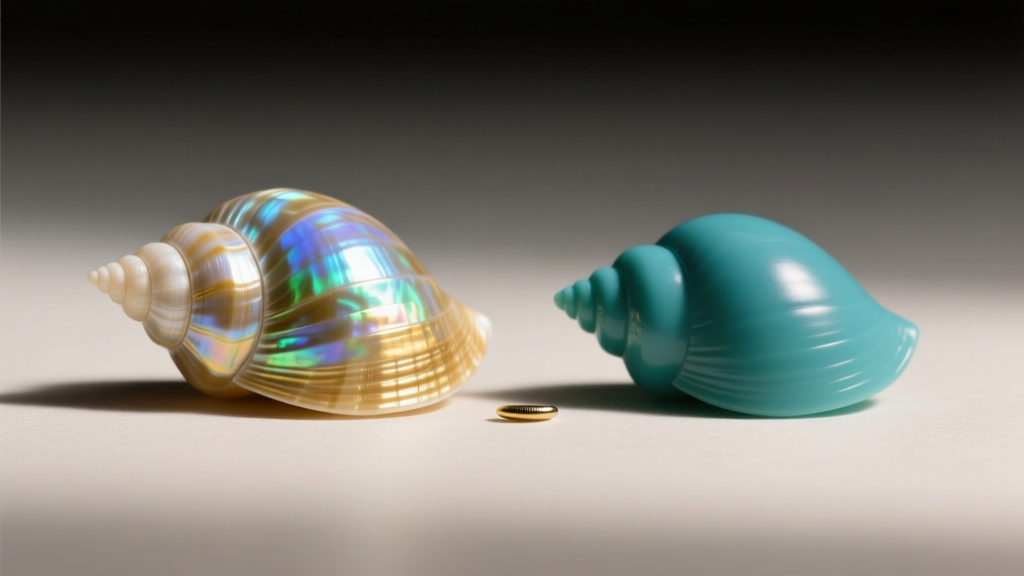
The Kahelelani is the undisputed king of Niihau shells. Because they are so small (often compared to a grain of rice or a pinhead), creating a single pair of multi-strand drop earrings can require over 2,000 individually drilled shells. The rarest Kahelelani colors, such as deep midnight blue or flawless gold, command astronomical prices per gram, often exceeding the cost of mid-grade diamonds.
Authentication: How to Spot Genuine Niihau Shells
With the high financial stakes involved, the market is unfortunately flooded with imitations. Unscrupulous sellers often pass off dyed howlite, carved plastic, or shells harvested from the Philippines and Indonesia as authentic Niihau. When evaluating Niihau shell earrings, employ these expert authentication techniques:
The Weight and Temperature Test
Genuine marine shells possess a specific density that plastic cannot replicate. When you hold authentic Niihau shell earrings, they should feel surprisingly heavy for their delicate appearance. Furthermore, real shell is cool to the touch and takes longer to warm up against your skin compared to synthetic resins or glass.
Examining the Drill Holes and Nacre
Use a jeweler's loupe (10x magnification) to inspect the drill holes. Hand-drilled Niihau shells will show microscopic variations in the entry and exit points, and the hole is rarely perfectly centered. Mass-produced fakes are laser or machine-drilled, resulting in unnaturally uniform, perfectly centered holes with melted or frayed edges. Additionally, true Kahelelani shells exhibit a deep, natural nacreous luster that shifts in the light, whereas dyed shells often have a flat, painted appearance with dye pooling in the natural crevices of the shell.
The Hot Pin and Sound Tests
While you should never damage a piece you intend to buy, the "hot pin test" is the definitive way to expose plastic fakes. A red-hot needle touched to an inconspicuous area of a plastic shell will melt it and emit a toxic chemical odor. A real shell will remain unaffected and smell faintly of calcium or burnt hair if scorched. Alternatively, gently tap the shells together; real shells produce a distinct, high-pitched "clink," while plastic yields a dull thud.
Earring Styles and Pricing Expectations
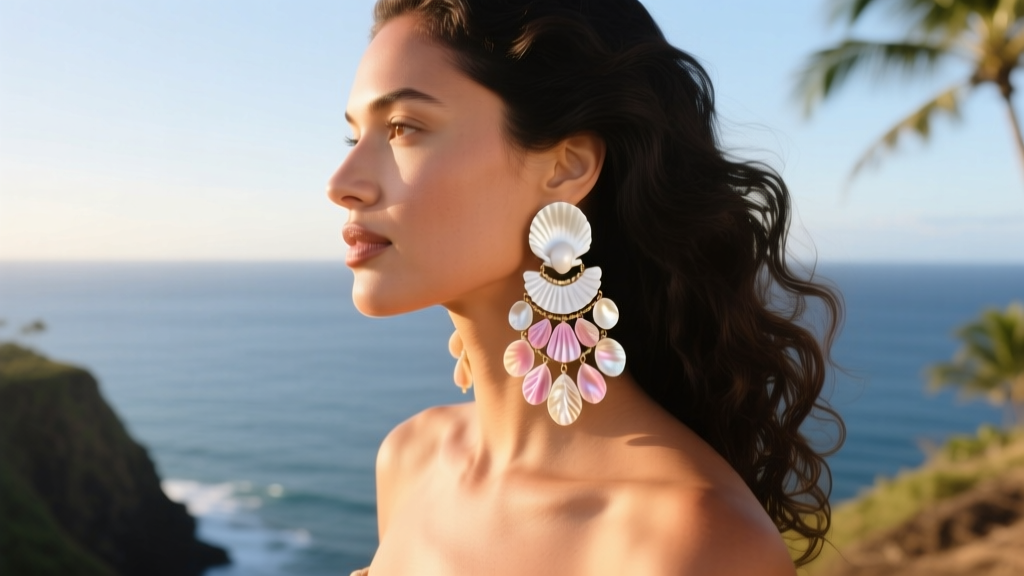
The construction of the earring dictates its final price. Artisans typically use 14k or 18k gold, sterling silver, or platinum for the hooks, clasps, and end-caps. 14k gold is highly preferred over silver, as silver tarnish can transfer to the porous nacre of the shell and cause irreversible discoloration. Here is what you can expect to pay in the current market for authenticated, artisan-crafted pieces:
- Simple Studs (Single Shell or Small Cluster): Utilizing larger Laiki or Kamoa shells set in gold bezels or prongs. Price Range: $150 - $400.
- Single-Strand Drops or Hoops: Featuring a continuous line of matched Kahelelani or Laiki shells strung on jeweler-grade nylon or Wildfire beading thread, finished with gold French wire hooks. Price Range: $500 - $1,500.
- Multi-Strand Chandeliers and Dangles: The pinnacle of Niihau shell artistry. These feature complex geometric patterns, cascading strands, and thousands of color-graded Kahelelani shells. Price Range: $3,000 - $15,000+.
As noted by experts featured in Hawaii Magazine, the provenance of the artisan significantly impacts the price. Pieces created by master weavers from Niihau or recognized Hawaiian artisan guilds carry a premium and often come with a signed certificate of authenticity detailing the exact shell types and origin.
Caring for Your Niihau Shell Investment
Niihau shells are organic gems and require meticulous care to preserve their luster and structural integrity. The stringing materials and the shells themselves are vulnerable to environmental factors.
Expert Care Rule: Never wear Niihau shell earrings in the shower, pool, or ocean. Chlorine and saltwater can degrade the stringing fiber and dull the natural polish of the shell. Always put your earrings on after applying perfumes, hairsprays, and lotions.
To clean them, use a dry, ultra-soft microfiber cloth to gently wipe away skin oils. Store them flat in a padded jewelry box away from direct, prolonged sunlight, which can cause certain organic pigments in the Kamoa and Pupu shells to fade over time. If the stringing begins to sag or fray, take them to a specialized Hawaiian shell jeweler for restringing; do not attempt to repair them with standard jewelry adhesives.
Final Thoughts on Sourcing
Buying Niihau shell earrings is an exercise in cultural appreciation and fine jewelry acquisition. Always purchase from established Hawaiian jewelers, verified indigenous artisan cooperatives, or reputable auction houses that provide ironclad guarantees of authenticity. Avoid tourist trap shops in Waikiki or unverified online marketplaces offering "Niihau-style" earrings at suspiciously low prices. True Niihau shell jewelry is a generational heirloom—treat the purchasing process with the respect and diligence it deserves.


