What Are 925 Italy Earrings? A Beginner's Guide to Italian Silver
Discover what "925 Italy" means on your earrings. Learn how to verify authentic Italian sterling silver, avoid fakes, and care for your jewelry.

The Misconception Behind the "925 Italy" Stamp
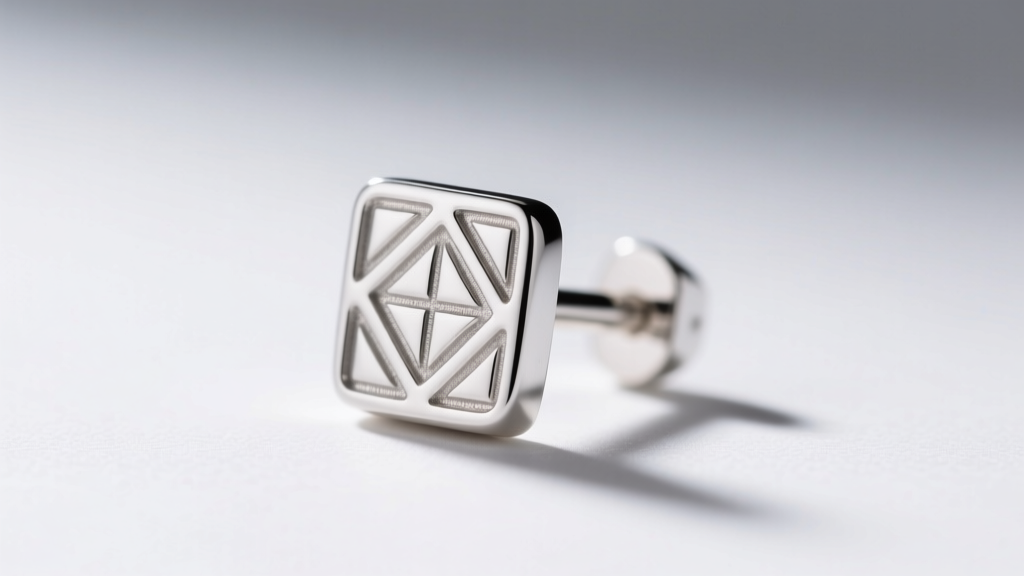
If you have ever turned over a pair of silver earrings to inspect the post, you have likely seen the tiny engraving: 925 Italy. For beginners, this stamp often sparks confusion. Is "925 Italy" a specific brand? A designer name? A guarantee of hypoallergenic properties? The truth is both simpler and far more fascinating.
The term "925 Italy" is not a brand at all. Instead, it is a dual-declaration of material purity and geographic origin. The "925" denotes that the piece is crafted from sterling silver, while "Italy" indicates that the jewelry was manufactured in one of the world's most historically significant silversmithing capitals. Understanding this distinction is your first step toward buying fine jewelry with confidence and avoiding cheap, mass-produced imitations.
The Metallurgy of Sterling Silver: Why 92.5%?
To understand the value of your earrings, you must understand the metal. Pure silver (99.9% fine silver) is incredibly soft and malleable. If a jeweler were to craft a pair of heavy drop earrings or a thin huggie hoop out of pure silver, the metal would bend, warp, and lose its shape within days of wear.
To solve this, metallurgists alloy pure silver with other metals to increase its tensile strength and durability. According to the Gemological Institute of America (GIA), the international standard for sterling silver requires exactly 92.5% pure silver and 7.5% alloy metals. In traditional Italian silversmithing, that 7.5% is almost exclusively copper. Copper provides the necessary structural integrity to hold intricate filigree work and secure gemstone prongs, but it also introduces the primary vulnerability of sterling silver: tarnish.
Decoding the Authentic Italian Hallmark
While "925" is stamped globally, authentic Italian silver jewelry is governed by strict national laws, specifically the Precious Metals Law (Legislative Decree 251/1999). Genuine pieces crafted in Italy will often feature more than just the word "Italy." They carry a registered maker's mark that acts as a fingerprint of the manufacturer.
An authentic Italian hallmark consists of three elements:
- The Star of Italy: A small star symbol representing the Italian Republic.
- The Registration Number: A unique number assigned to the specific silversmith or factory.
- The Province Code: A two-letter code indicating the province where the piece was assayed and manufactured.
Below is a quick-reference table of the most prominent Italian silver-producing provinces you might encounter on high-end earrings:
| Province Code | Region | Specialty & Reputation |
|---|---|---|
| AR | Arezzo (Tuscany) | World-renowned for chain-making, lightweight hollow hoops, and high-volume precision manufacturing. |
| VI | Vicenza (Veneto) | Famous for intricate gold and silver work, heavy cast pieces, and artisanal filigree designs. |
| MI | Milan (Lombardy) | Known for high-fashion, avant-garde designer jewelry, and modern, architectural earring styles. |
| NA | Naples (Campania) | Specializes in cameos, coral inlays, and traditional, romantic drop earrings. |
If your earrings simply say "925" and "Italy" without a maker's mark, they are likely still sterling silver, but they may have been mass-produced for export rather than crafted by a registered, historic Italian atelier.
Popular 925 Italy Earring Styles and Gauge Specifications
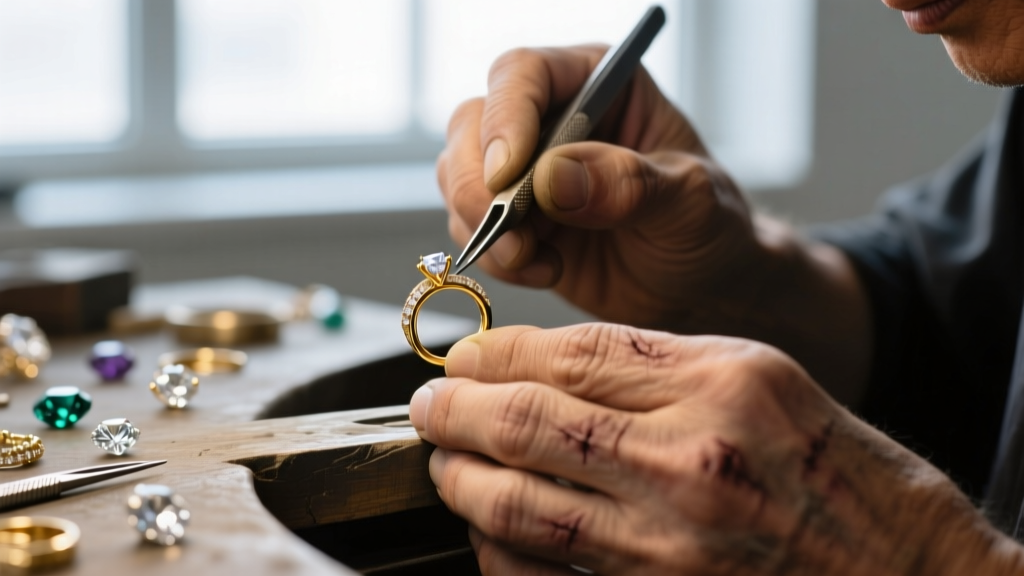
Italian manufacturers are celebrated for their mastery over different earring silhouettes. However, as a beginner, you must pay attention to the gauge (thickness) of the earring post or wire, as this dictates both comfort and longevity.
Classic Studs and Huggies
For lightweight studs and small huggie hoops, Italian jewelers typically use 20-gauge (0.81mm) or 19-gauge (0.91mm) wire. This thickness slides effortlessly through standard lobe piercings. High-quality Italian huggies will feature a seamless clicker hinge or a secure snap-back closure machined to exact tolerances, preventing the earring from popping open during sleep.
Filigree and Oxidized Dangles
When dealing with heavier, elaborate drop earrings or chandelier styles, the structural integrity of the ear wire is paramount. Reputable Italian makers will upgrade the ear wire to 18-gauge (1.02mm) to support the weight of the dangle without bending. If you purchase heavy Italian drops and notice the wire is flimsy (22-gauge or thinner), it is a red flag indicating poor manufacturing standards, regardless of the "925" stamp.
The Reality of Tarnish and Advanced Care Protocols
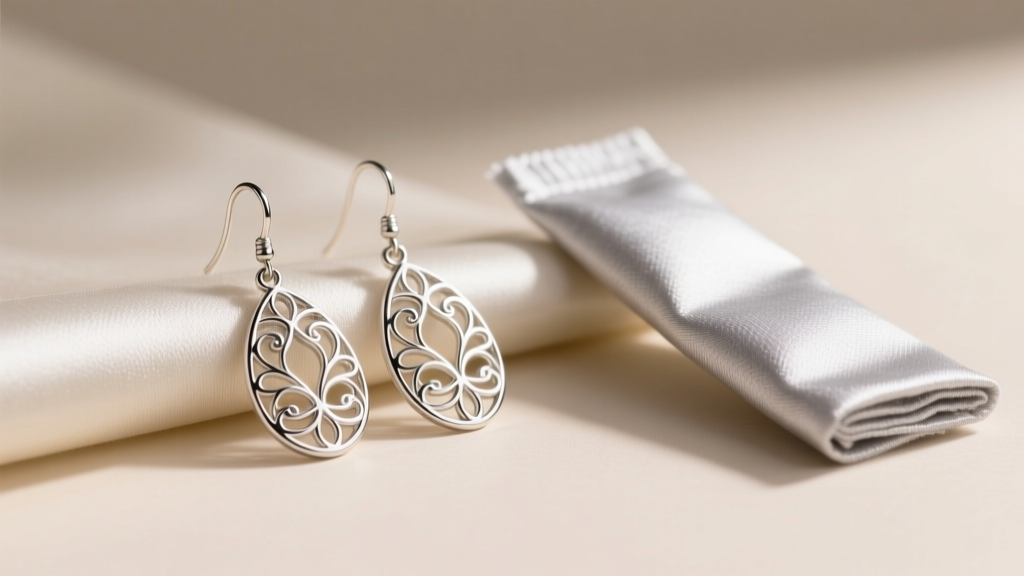
Because traditional 925 Italy earrings use copper as the alloying agent, they are susceptible to tarnish. Tarnish is not a sign of fake silver; rather, it is a chemical reaction between the copper and sulfur compounds in the air, resulting in copper sulfide. According to the Silver Institute, environmental factors like humidity, wool, and even certain foods (like eggs and onions) accelerate this process.
To maintain the brilliant luster of your Italian silver earrings, abandon harsh liquid dips and adopt a science-backed care routine:
- The Electrochemical Bath (For Heavy Tarnish): Line a glass bowl with aluminum foil (shiny side up). Add boiling water, a tablespoon of baking soda, and a pinch of salt. Submerge your earrings for 3 to 5 minutes. This creates a galvanic reaction where the sulfur atoms are literally pulled off the silver and transferred to the aluminum foil, restoring the silver without removing any metal.
- Microfiber Polishing (For Maintenance): Use a treated, anti-tarnish microfiber cloth. Never use paper towels or tissues, as the wood pulp fibers will cause micro-scratches on the highly polished Italian finish.
- Storage Chemistry: Store your earrings in an airtight ziplock bag alongside a silica gel packet and a 3M anti-tarnish strip. This neutralizes airborne sulfur before it can reach the copper alloy.
Pricing Guide: What Should You Actually Pay?
Beginners often overpay for mass-exported silver or underpay for genuine artisanal work, assuming all "925" is equal. Here is a realistic 2026 pricing framework for authentic 925 Italy earrings based on weight, craftsmanship, and origin:
- Lightweight Tube Hoops & Basic Studs ($25 - $55): Usually produced in Arezzo (AR). These are often hollow-tube constructions, offering a large visual footprint with minimal silver weight. Excellent for everyday wear.
- Solid Cast Huggies & Gemstone Drops ($60 - $140): Features solid silver casting, secure hinge mechanisms, and potentially semi-precious stone inlays (like onyx or mother-of-pearl). Expect to see maker's marks from Vicenza (VI) or Milan (MI).
- Artisanal Filigree & Heavy Statement Pieces ($150 - $350+): Hand-soldered wirework, oxidized detailing, and substantial gram weights. These are investment pieces that often carry the full, registered Italian hallmark star and province code.
Final Thoughts on Investing in Italian Silver
Buying "925 Italy" earrings is an exercise in appreciating centuries of metallurgical tradition. By looking past the basic stamp and learning to identify the province codes, gauge thicknesses, and structural hallmarks of true Italian craftsmanship, you transition from a casual shopper to an informed collector. Whether you are selecting a pair of minimalist 20-gauge studs for the office or ornate 18-gauge filigree drops for an evening out, authentic Italian sterling silver offers an unmatched balance of durability, hypoallergenic comfort, and timeless elegance.


