Carolyn Pollack Earrings: Buying Guide & What To Look For
Discover what to look for when buying Carolyn Pollack earrings. Learn about sterling silver grades, turquoise inlays, and weight tolerances.

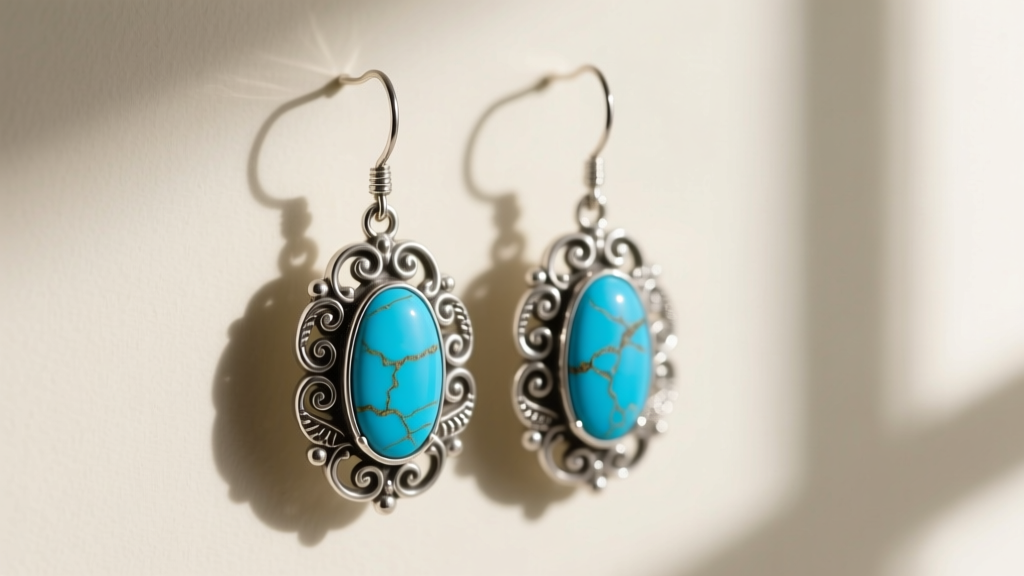
Carolyn Pollack Jewelry has carved a highly distinct niche in the American fine jewelry market, celebrated for its Southwestern-inspired motifs, intricate sterling silver scrollwork, and vibrant gemstone inlays. Whether you are purchasing directly from a retail partner, tuning into a QVC broadcast, or hunting for vintage pieces on the secondary market, knowing exactly what to look for is critical. The brand's earrings are not just accessories; they are substantial, wearable works of art that require a discerning eye to evaluate properly. This comprehensive buying guide breaks down the metallurgy, gemstone grading, structural ergonomics, and authentication markers you need to know before investing in Carolyn Pollack earrings.
Decoding the Metalwork: Sterling Silver and Vermeil Standards
The foundation of almost all Carolyn Pollack earrings is .925 sterling silver. By definition, sterling silver consists of 92.5% pure silver and 7.5% alloy metals, usually copper. While copper provides the necessary structural hardness for intricate castings and scrollwork, it is also the culprit behind silver tarnish. To combat this, many of the brand's silver earrings feature a thin layer of rhodium plating. Rhodium, a platinum-group metal, provides a brilliant, tarnish-resistant white finish that mimics white gold and protects the underlying silver from oxidizing when exposed to the sulfur in the air and human skin oils.
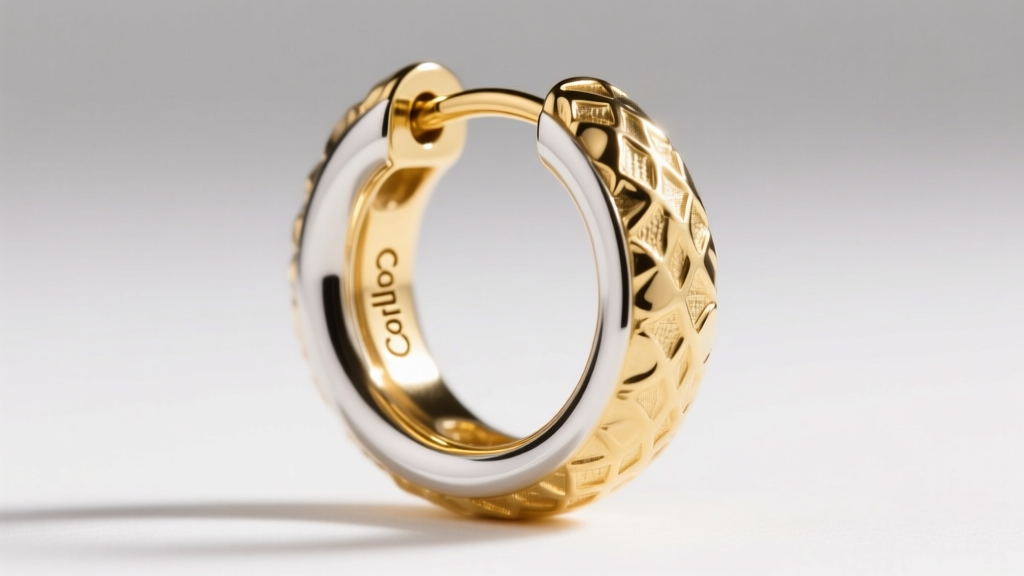
Beyond standard silver, Carolyn Pollack frequently utilizes vermeil (pronounced ver-may). According to the FTC Jewelry Guides, for a piece to be legally marketed as vermeil in the United States, it must have a base of sterling silver plated with at least 2.5 microns of 10k, 14k, or 18k gold. Pollack’s designs often feature lush 14k or 18k yellow and rose gold vermeil over sterling silver. When inspecting vermeil earrings, look closely at the high-friction areas, such as the earring post and the clutch backing. If you see a silvery or grayish hue bleeding through the gold tone on a piece marketed as new, the vermeil layer may be substandard or the piece may simply be gold-plated brass, which is a common hallmark of counterfeits.
Gemstone Inlays: Natural vs. Stabilized Stones
The true hallmark of Carolyn Pollack earrings is the meticulous channel and bezel inlay work. The brand heavily favors Southwestern staples: turquoise, lapis lazuli, coral, mother-of-pearl, and variscite. However, not all turquoise is created equal, and understanding the difference is vital for evaluating price and longevity.
Natural turquoise is porous and relatively soft, ranking between 5 and 6 on the Mohs hardness scale. Because the inlay process requires cutting, grinding, and polishing stones to fit perfectly flush within silver channels, pure natural turquoise can easily fracture during manufacturing. Therefore, high-end jewelry makers often use stabilized turquoise. Stabilization is an accepted industry practice where a clear epoxy resin is introduced into the porous stone under pressure, hardening it without altering its natural color. According to the Gemological Institute of America (GIA), stabilization enhances durability while preserving the stone's natural matrix and hue.
What you must avoid is reconstituted or block turquoise, which is essentially turquoise dust mixed with dyes and plastics to form a synthetic brick. Genuine Carolyn Pollack pieces will feature vibrant, distinct matrix patterns (the web-like host rock inclusions) in stones like Kingman or Royston turquoise, or the pure, unblemished sky-blue of Sleeping Beauty turquoise. If the "turquoise" inlay looks entirely uniform, plasticky, and lacks any natural depth or matrix variation under a jeweler's loupe, proceed with extreme caution.
Weight, Gauge, and Ergonomic Considerations
One of the most common surprises for first-time buyers of Southwestern inlay jewelry is the sheer weight of the pieces. Solid .925 silver combined with dense gemstone inlays results in earrings that are significantly heavier than standard commercial jewelry. While this weight signifies quality and substantial material value, it also demands careful consideration regarding earlobe health and post gauge sizing.
| Earring Style | Avg Weight (per earring) | Standard Post Gauge | Lobe Support Needed? |
|---|---|---|---|
| Stud (Small Inlay) | 2.5 - 4.5g | 20g (0.81mm) | No |
| Drop / Dangle | 6.0 - 12.5g | 18g (1.02mm) or 20g | Yes (O-rings or patches) |
| Medium Hoops | 4.5 - 8.0g | 20g (0.81mm) | Depends on lobe elasticity |
| Chandelier / Statement | 13.0 - 22.0g+ | 18g (1.02mm) wire or leverback | Absolutely (Silicone supports) |
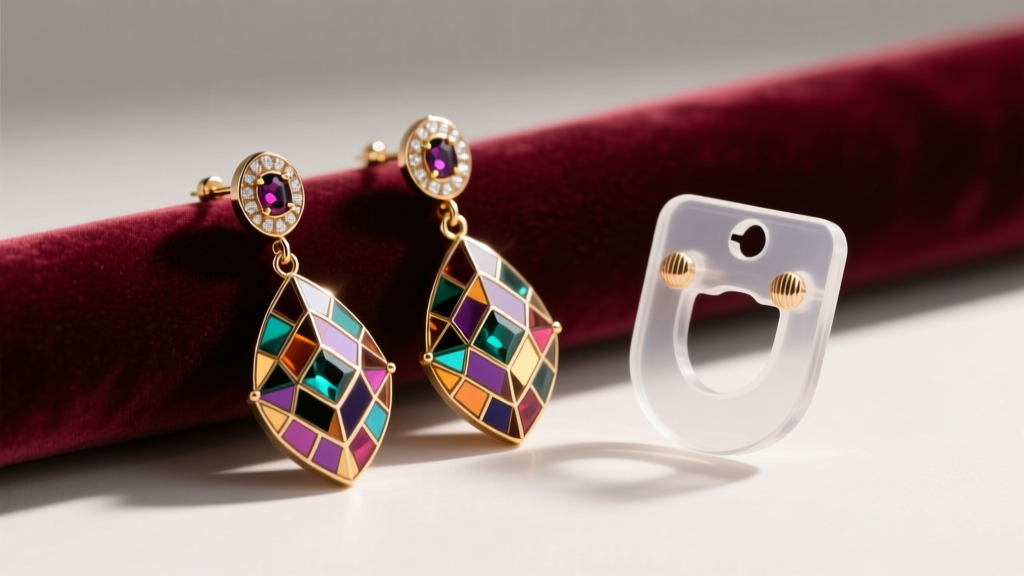
For any Carolyn Pollack dangle or chandelier earring exceeding 8 grams, the downward pull can cause the earring to droop forward, making the design invisible from the front and stretching the piercing over time. We highly recommend investing in silicone earring support patches or jumbo O-ring backings. These inexpensive accessories distribute the weight across a wider surface area of the earlobe, keeping the intricate scrollwork and inlay facing perfectly forward.
Navigating QVC Exclusives and the Secondary Market
A significant portion of Carolyn Pollack's catalog consists of broadcast exclusives for networks like QVC and HSN. Because these pieces are often produced in limited runs or specific seasonal collections, the secondary market (eBay, Poshmark, Mercari) is a goldmine for collectors. However, it is also rife with misattributed items.
When authenticating on the secondary market, demand clear, macro-level photographs of the earring post and the back of the main body. Authentic pieces will bear a clear hallmark. Depending on the era, this will be stamped as "CAROLYN POLLACK", "CP", or "C. POLLACK", accompanied by the ".925" sterling silver purity mark. Furthermore, many QVC exclusives feature a tiny, laser-etched alphanumeric item number (e.g., J-123456) near the hallmark. If a seller uses terms like "Southwestern style," "CP inspired," or "Tibetan silver" (which contains zero actual silver), you are looking at a counterfeit or a knock-off. Always verify that the macro details of the silver casting are sharp; authentic Pollack scrollwork features deep, clean undercuts, whereas cast knock-offs often have shallow, muddy, or pitted detailing.
Care and Maintenance for Inlay Earrings
Proper maintenance is non-negotiable for preserving the structural integrity of inlay earrings. The most critical rule is to never place Carolyn Pollack inlay earrings in an ultrasonic cleaner. Ultrasonic waves create microscopic cavitation bubbles that can easily shatter porous stones like turquoise and coral. More importantly, the heat and chemical baths used in ultrasonic and steam cleaning will dissolve the jeweler's epoxy resins used to secure the inlay stones within their silver channels, causing the gems to pop out and become lost.
Instead, follow the GIA's turquoise care guidelines by cleaning your earrings with a soft, lint-free microfiber cloth. If the silver scrollwork requires deeper cleaning, use a mild, phosphate-free dish soap diluted in lukewarm water and a very soft baby toothbrush to gently agitate the dirt from the silver crevices, carefully avoiding scrubbing the gemstone inlays. Dry immediately and thoroughly with a soft cloth to prevent water spots on the stones. Store your earrings in an anti-tarnish flannel pouch, separated from harder gemstones like diamonds or sapphires that could easily scratch the softer turquoise and silver surfaces.
Final Thoughts on Investing in Southwestern Elegance
Carolyn Pollack earrings represent a unique intersection of Native American artistic heritage and modern jewelry manufacturing precision. By understanding the nuances of vermeil thickness, recognizing the visual cues of stabilized versus reconstituted turquoise, and respecting the ergonomic demands of heavy silver inlay, you can confidently build a collection that retains both its aesthetic beauty and its structural integrity for decades. Whether you are adding a pair of lightweight Kingman turquoise studs to your daily rotation or investing in a heavy, museum-quality chandelier pair for special occasions, armed with this knowledge, you will know exactly what you are paying for.


