The Black Earring Men Wear: Metals, Gauges & Styles
Discover the black earring men wear most. Compare PVD, anodized titanium, and onyx, plus gauge sizes and pricing in our expert buying guide.

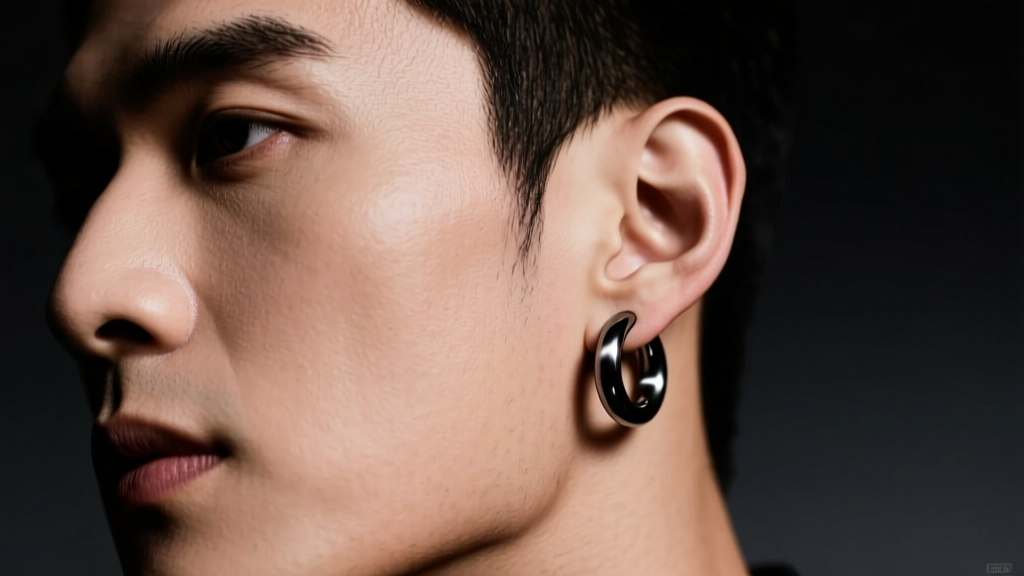
The Shift Toward Dark Aesthetics in Men's Jewelry
The landscape of men's jewelry has evolved dramatically, moving away from overly flashy precious metals toward sleek, understated, and industrial aesthetics. When evaluating the black earring men choose for daily wear, the focus is heavily on durability, biocompatibility, and minimalist design. Whether you are looking for a subtle stud for the office or a bold hoop for the weekend, understanding the metallurgy and structural integrity of dark-toned jewelry is critical. Many mass-market options rely on cheap paint or thin electroplating that chips within weeks, leading to skin irritation and wasted money. This guide breaks down exactly what to look for, from advanced coating technologies to precise gauge sizing, ensuring your investment lasts.
Decoding Black Metallurgy: What Actually Lasts?
Not all black metals are created equal. The method used to achieve that dark, gunmetal, or pitch-black finish dictates the lifespan of the earring and how your skin will react to it. Here is the hierarchy of black metal finishes, ranked from most durable to least durable.
1. Physical Vapor Deposition (PVD) Coating
PVD is the gold standard for black men's jewelry. This process takes place in a vacuum chamber where titanium nitride or zirconium carbon is vaporized and bonded to a stainless steel or titanium base at a molecular level. Unlike traditional plating, PVD does not simply sit on the surface; it integrates with the metal. A high-quality PVD black earring will resist scratching, sweat, and UV degradation for years. It is highly recommended for hoops and huggies that experience high friction against the neck and hair.
2. Anodized Implant-Grade Titanium
For those with sensitive skin or fresh piercings, anodized ASTM F136 implant-grade titanium is the ultimate choice. Anodizing uses an electrical current to thicken the natural oxide layer on the titanium. By adjusting the voltage, jewelers can create a permanent, deep black or dark grey hue without using any paints, dyes, or external metals. Because there is no nickel or copper involved, the risk of contact dermatitis is virtually zero. According to the Mayo Clinic, avoiding nickel-releasing alloys is paramount for preventing severe earlobe eczema, making anodized titanium the safest route for allergy sufferers.
3. Black Rhodium and Ruthenium Plating
Often found in luxury designer jewelry, black rhodium and ruthenium are applied via electroplating. While they offer a stunning, high-contrast, mirror-like black finish, they are fundamentally surface-level treatments. On rings or pendants, they hold up reasonably well, but on earrings—specifically the post and the clasp mechanism—the constant friction of insertion and removal will wear the plating down to the base metal within 6 to 18 months. Buy these only for occasional wear, not as daily drivers.
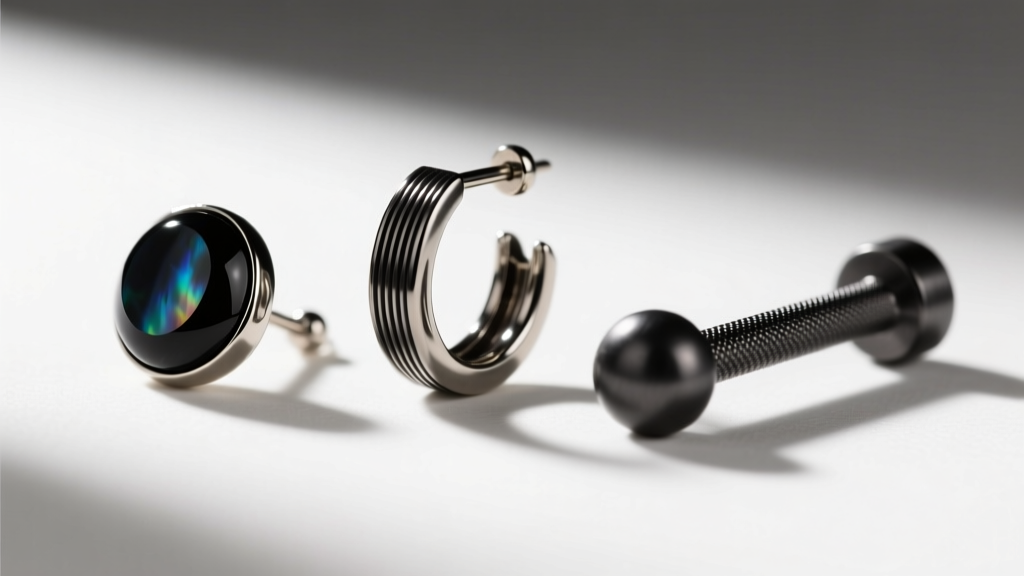
Gemstone and Inlay Alternatives for Black Studs
If you prefer the look of a black stud over a metal hoop, gemstones offer a completely different set of physical properties and maintenance requirements.
- Black Onyx: The most common black gemstone in men's jewelry. It is important to note that almost all commercial black onyx is actually grey chalcedony that has been dyed and heated. With a Mohs hardness of 7, it is durable enough for daily wear but can chip if dropped on tile. The Gemological Institute of America (GIA) notes that onyx takes an excellent polish, making it ideal for sleek, bezel-set studs.
- Black Spinel: A natural, untreated gemstone that is significantly rarer than onyx. It boasts a Mohs hardness of 8, making it highly resistant to scratching. It has a higher refractive index than onyx, giving it a sharper, more brilliant sparkle under direct light.
- Black Enamel: Enamel is essentially fused glass baked onto a metal base. While it provides an opaque, flawless black finish, it is highly susceptible to impact damage. Dropping an enamel earring will likely result in spiderweb cracking or chipping.
Gauge Sizing Framework for Men
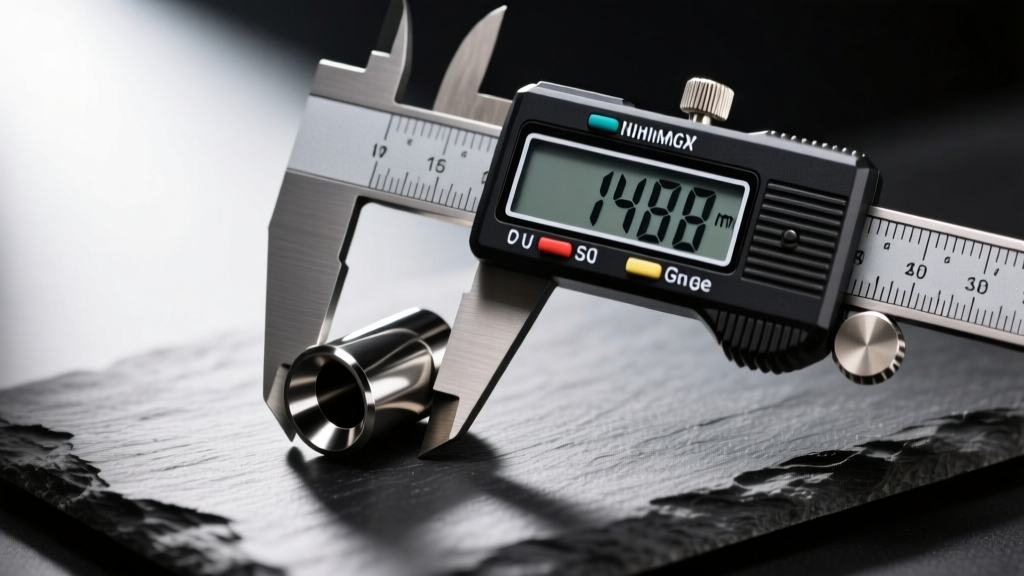
One of the most common mistakes men make when buying earrings is ignoring the gauge (thickness) of the post or wire. Women's standard earrings are typically 20-gauge or 22-gauge, which can look disproportionately thin and fragile on a man's ear. For a masculine, substantial aesthetic, a thicker gauge is preferred.
| Gauge Size | Millimeter (mm) | Best Use Case for Men |
|---|---|---|
| 18 Gauge | 1.02 mm | Standard lobe studs; good for those with very tight, unpierced or recently healed lobes. |
| 16 Gauge | 1.29 mm | The ideal standard for men's hoops and huggies. Provides structural rigidity without stretching the lobe. |
| 14 Gauge | 1.63 mm | Thicker statement pieces, cartilage piercings (like the industrial or tragus), and entry-level stretched lobes. |
| 8 Gauge to 2 Gauge | 3.26 mm to 6.54 mm | Exclusively for stretched earlobes wearing tunnels, plugs, and heavy gauge weights. |
Style Profiles: Proportions and Face Shapes
The geometry of the earring should complement your facial structure and personal style. Here is how to select the right silhouette.
Huggies and Mini-Hoops
Huggies are designed to "hug" the earlobe tightly. For men, a diameter between 10mm and 12mm with a 16-gauge thickness offers a rugged yet refined look. They are the best option for active men or those who wear over-ear headphones, as they will not snag or press uncomfortably against the ear cup.
Classic Hoops
If you prefer a traditional hoop, keep the diameter between 15mm and 20mm. Anything larger than 25mm begins to dangle and can easily catch on shirt collars or jackets. A seamless, click-top closure mechanism in black PVD steel ensures the hoop stays secure without the visible gap of a traditional latch-back.
Tunnels and Plugs
For men with stretched lobes, black tungsten carbide or black PVD titanium tunnels are incredibly popular. Tungsten carbide is exceptionally heavy and scratch-resistant, providing a satisfying weight and a permanent, gunmetal-black polish that will never fade, even after years of friction.
Maintenance and Failure Modes to Avoid
To maximize the lifespan of your black earrings, you must understand how they fail. The most common failure mode for black jewelry is "green ear," which occurs when cheap copper or brass base metals are exposed through micro-scratches in the black plating, reacting with the acidity of your sweat. To avoid this, never buy black-plated jewelry unless the base metal is explicitly listed as surgical steel or titanium.
Furthermore, never put PVD or plated black jewelry in an ultrasonic cleaner. The high-frequency cavitation bubbles can strip the coating at a microscopic level, leading to premature fading. Instead, clean your black earrings weekly using warm water, a drop of mild dish soap, and a microfiber cloth. For gemstone studs like onyx, avoid harsh chemicals like bleach or chlorine, which can dull the stone's polish and degrade the adhesive holding it in the bezel.
Final Verdict: What to Buy Based on Budget
If your budget is under $40, look for 316L surgical steel with a PVD black coating. It offers the best durability-to-price ratio on the market. For budgets between $50 and $150, seek out ASTM F136 anodized titanium or solid 14k gold with black rhodium accents from specialized men's jewelry brands. If you are investing $200 or more, demand natural black spinel or high-grade, precision-cut black onyx set in solid, unplated white gold or platinum, allowing the natural darkness of the stone to provide the color without the risk of a fading metal coating.


