The Science of Earring Cleaner: Formulations for Every Metal
Discover the chemistry behind earring cleaner solutions. Learn which formulations safely restore gold, titanium, silver, and porous gemstones without damage.

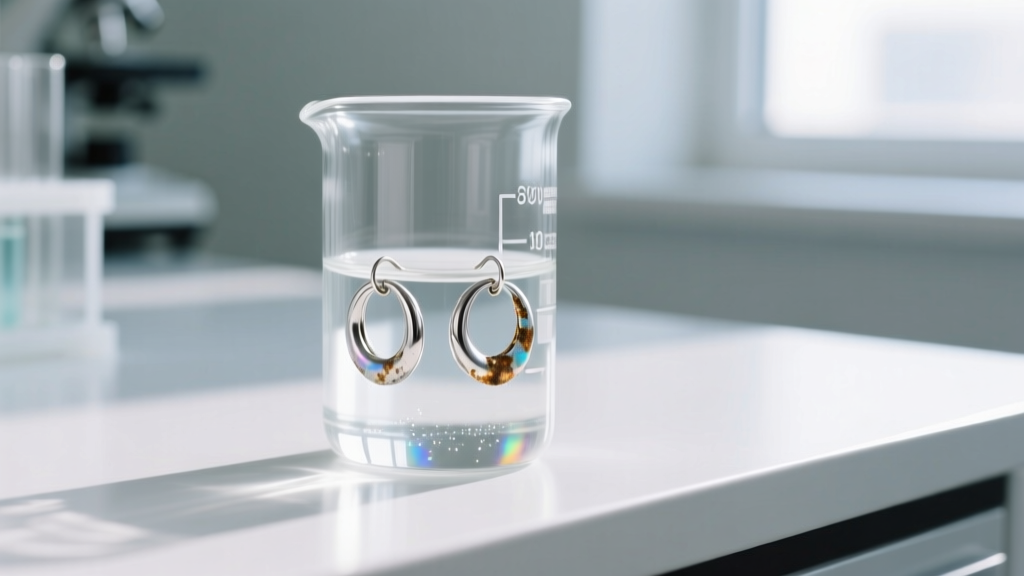
Choosing the right earring cleaner is rarely a one-size-fits-all endeavor. While a quick wipe with a jewelry cloth might remove surface dust, the microscopic topography of body jewelry harbors a complex matrix of sebum, dead keratinocytes, cosmetic residues, and environmental sulfur compounds. Using an improper chemical formulation can strip rhodium plating, dissolve the nacre of a pearl, or induce galvanic corrosion in mixed-metal settings. This technical deep dive explores the metallurgy of jewelry tarnish, the chemical profiles of commercial earring cleaner solutions, and the exact protocols required to safely restore your collection.
The Metallurgy of Tarnish and Sebum Buildup
Before selecting an earring cleaner, it is critical to understand the exact nature of the soil you are attempting to remove. Earring buildup generally falls into two distinct categories: organic biofilms and inorganic chemical reactions.
Organic Biofilms
Body jewelry sits in a high-contact zone where sebaceous glands continuously secrete lipids. These lipids mix with desquamated skin cells and cosmetic polymers to form a hydrophobic biofilm. This layer is highly adhesive and traps environmental particulates, leading to the dull, grayish 'gunk' often found on earring posts and clutch backs. Water alone cannot penetrate this lipid barrier; it requires specific surfactants or mild solvents to break the surface tension and emulsify the oils.
Inorganic Tarnish (Silver Sulfide)
Sterling silver (92.5% Ag, 7.5% Cu) is highly susceptible to atmospheric sulfur. When hydrogen sulfide in the air reacts with the silver alloy, it forms silver sulfide (Ag2S), a dark, insoluble crust. The copper content in sterling silver also accelerates this reaction in the presence of moisture and chlorides (like sweat). An effective earring cleaner for silver must either chemically reduce the silver sulfide back to elemental silver or utilize mild abrasives to physically remove the tarnished layer without scratching the underlying metal.
Chemical Profiles of Commercial Earring Cleaner Solutions
Most commercial liquid earring cleaner solutions rely on a synergistic blend of four primary chemical classes. Understanding these ingredients will help you read labels and avoid formulations that could damage sensitive alloys or gemstones.
| Chemical Class | Common Ingredients | Target Soil | Material Warnings |
|---|---|---|---|
| Surfactants | Sodium Lauryl Sulfate, Polysorbate 20 | Sebum, skin cells, makeup | Safe for almost all metals and stones. |
| Solvents | Isopropanol, Ethanol | Oils, tree resins, adhesives | Can dry out porous stones; flammable. |
| Alkaline Builders | Ammonia, Sodium Hydroxide | Heavy tarnish, silver sulfide | Destroys pearls, opals, and strips rhodium. |
| Chelating Agents | EDTA, Citric Acid | Hard water spots, mineral deposits | Prolonged exposure can etch soft stones. |
Many mass-market 'dip' style earring cleaner products rely heavily on thiourea and strong acids to rapidly dissolve tarnish. While visually impressive, these aggressive formulations can cause micro-pitting in silver and leave a chemical residue that accelerates future tarnishing if not rinsed meticulously with distilled water.
Material-Specific Cleaning Protocols
The efficacy of an earring cleaner is entirely dependent on the metallurgical and gemological properties of the piece being cleaned. Below are the technical protocols for the most common earring materials.
Titanium and Implant-Grade Steel (ASTM F136 / F138)
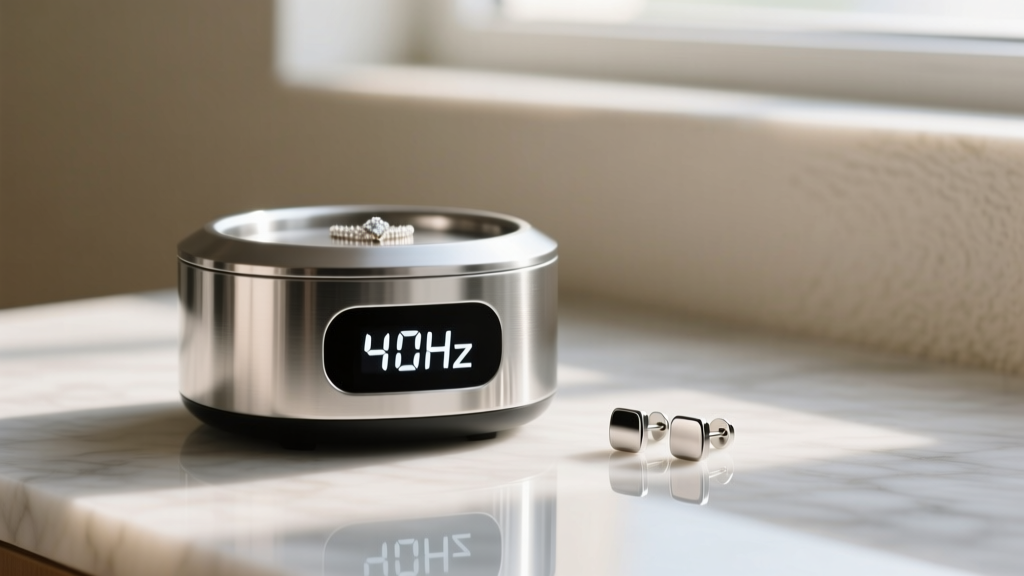
Implant-grade titanium (ASTM F136) and 316L surgical steel possess a passive oxide layer that makes them highly resistant to corrosion. According to the Association of Professional Piercers (APP), these metals are exceptionally stable. You can safely use ultrasonic earring cleaner machines and mild alkaline solutions on these pieces. However, avoid hydrochloric acid or bleach, which can breach the passive oxide layer and cause pitting.
Porous Gemstones (Pearls, Opals, Turquoise)
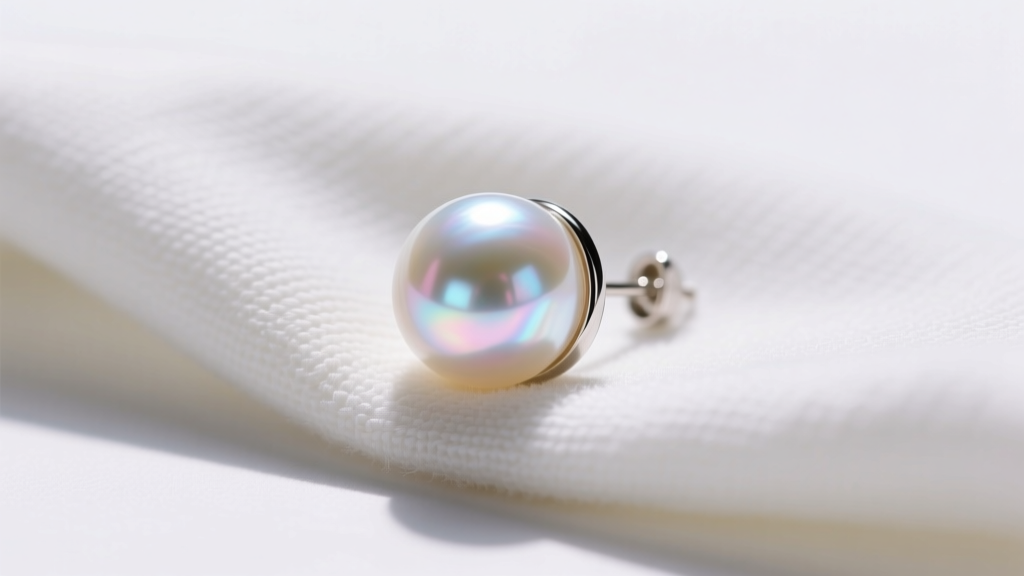
Ammonia is the enemy of porous organics. The Gemological Institute of America (GIA) explicitly warns against using harsh chemical dips on pearls. Pearls are composed of calcium carbonate and conchiolin; alkaline earring cleaner solutions will literally dissolve the nacre, destroying the luster permanently. Opals contain up to 20% water; solvents like isopropyl alcohol can cause 'crazing' (micro-fractures) by dehydrating the silica matrix. For these earrings, the only safe 'cleaner' is a damp microfiber cloth and a tiny drop of pH-neutral baby shampoo.
White Gold and Rhodium Plating
White gold is an alloy of yellow gold and white metals (like palladium or nickel), which is then electroplated with a microscopic layer of rhodium to achieve a bright, mirror-like finish. Aggressive earring cleaner solutions, particularly those containing ammonia or sulfuric acid, will strip this rhodium layer, revealing the yellowish-gray alloy beneath. Stick to mild, non-ammoniated surfactant solutions and avoid ultrasonic cleaning if the rhodium plating is already compromised.
Ultrasonic vs. Ionic vs. Chemical Soak: A Technical Comparison
Beyond liquid formulations, the mechanical action applied to the earring cleaner process dictates the final result. Here is how the three primary technological methods compare at a microscopic level.
- Ultrasonic Cavitation (40kHz - 45kHz): These machines use high-frequency sound waves to create microscopic vacuum bubbles in the liquid earring cleaner. When these bubbles collapse against the metal surface (cavitation), they generate localized shockwaves that blast biofilms out of microscopic crevices and under gemstone settings. Ideal for diamond and sapphire studs, but the shockwaves can shatter emeralds and fracture opals.
- Ionic (Electrolytic) Cleaning: This method passes a low-voltage electrical current through a conductive earring cleaner bath, causing a reduction-oxidation reaction that converts silver sulfide back into elemental silver. It is highly effective for heavily tarnished silver chains and hoops without removing any base metal, but it cannot remove organic sebum buildup.
- Chemical Soak: Relying purely on the dwell time and chemical reactivity of the solution. Best for delicate pieces with glued-in settings (like turquoise or lapis lazuli) where ultrasonic vibrations would break the adhesive bond.
Formulating a Safe DIY Earring Cleaner
If you are managing a diverse collection of fine jewelry and need a universal, non-destructive earring cleaner, you can formulate a highly effective solution at home using precise ratios. Commercial 'gentle' cleaners often charge a premium for what is essentially diluted surfactant.
Master Formula for Universal Jewelry Bath:
1. 250ml Distilled Water (Tap water contains chlorides and calcium that leave spots).
2. 3ml Sodium Lauryl Sulfate (or a high-quality, lotion-free dish detergent like Dawn).
3. 15ml Isopropyl Alcohol (70% or higher, to act as a drying agent and cut through cosmetic oils).
Protocol: Soak diamond, sapphire, gold, platinum, and titanium earrings for 15 minutes. Agitate gently with a soft-bristled infant toothbrush. Rinse with distilled water and dry with compressed air to prevent water spots in prong settings.
Preventative Maintenance and Storage Chemistry
The most effective earring cleaner is the one you never have to use. By controlling the storage environment, you can halt the chemical reactions that necessitate deep cleaning. Silver earrings should be stored in airtight polyethylene bags alongside anti-tarnish strips. These strips contain activated carbon and silver-scavenging compounds that preferentially react with atmospheric sulfur, sacrificing themselves to protect your jewelry. Furthermore, always remove earrings before swimming in chlorinated pools; chlorine reacts violently with the copper and zinc alloys in karat gold, leading to irreversible stress-corrosion cracking and structural failure of the earring posts.


