The Beginner’s Guide to Barbell Earrings: Sizing, Materials & Styles
Discover everything about barbell earrings. Learn gauge sizes, implant-grade titanium vs steel, and how to choose straight or curved styles.

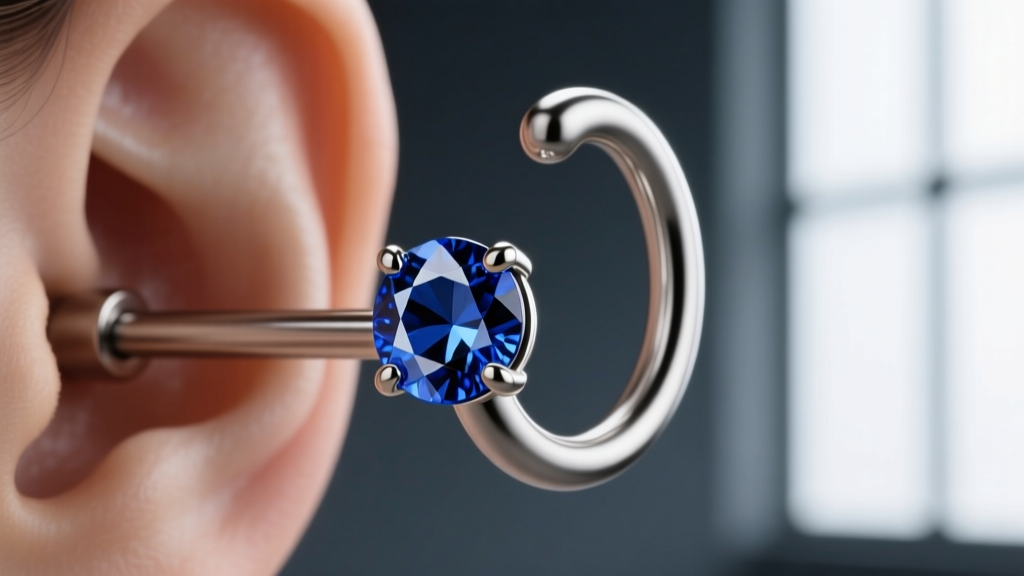
When you first step into a professional piercing studio or browse high-end jewelry boutiques, the sheer variety of body jewelry can be overwhelming. Among the most versatile, foundational, and widely used pieces in any collection are barbell earrings. Whether you are looking to adorn a freshly pierced helix, upgrade an industrial, or find a sleek, minimalist option for your earlobes, understanding the mechanics of barbells is crucial. This beginner-friendly explainer will demystify gauge sizes, material grades, threading types, and the critical differences between straight and curved styles, ensuring you make safe, comfortable, and aesthetically pleasing choices for your ear anatomy.
What Exactly Are Barbell Earrings?
At their core, barbell earrings consist of a straight or curved bar with a decorative end or bead on one side, and a removable end on the other. Unlike standard butterfly-back studs that rely on friction and can harbor bacteria, or continuous hoop rings that can move around and introduce irritation to a healing fistula (the piercing channel), barbells offer a secure, stationary fit. They are the gold standard for initial piercings in cartilage because they minimize movement, accommodate swelling via adjustable post lengths, and provide a stable environment for tissue regeneration.
Straight vs. Curved: Choosing the Right Shape
The anatomy of your ear dictates which shape you must wear. Wearing the wrong curvature can cause pressure necrosis, migration, or persistent irritation bumps.
Straight Barbells
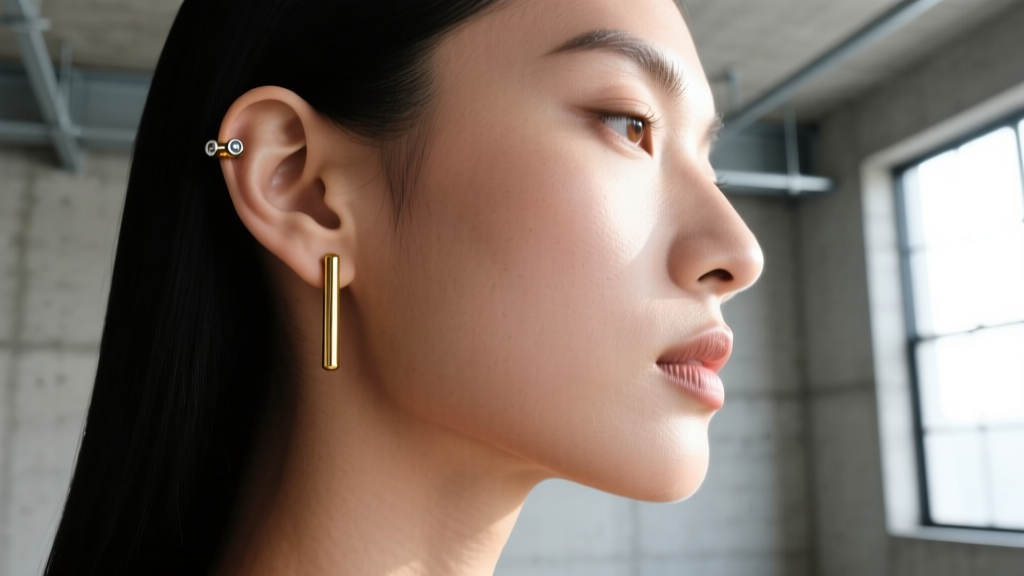
Straight barbells feature a completely linear post. They are anatomically required for industrial piercings (which connect two cartilage points across the ear) and are frequently used in standard lobe piercings, conch piercings, and some transverse lobe setups. Because they do not bend, they distribute pressure evenly across the entry and exit holes, provided the piercing angle matches the bar perfectly.
Curved Barbells
Curved barbells (often called 'bananas' or 'shields') feature a gentle arc. They are designed to follow the natural contour of the ear's folds. You will find these in rook, daith, and snug piercings, as well as many helix placements. The curvature ensures that the ends of the jewelry sit flush against the skin without putting outward pressure on the piercing channel, which a straight bar would do in these specific anatomical folds.
The Ultimate Sizing Chart: Gauge and Length
Sizing is where most beginners make costly mistakes. Jewelry sizing is measured in two dimensions: gauge (the thickness of the bar) and length (the distance between the two ends). Understanding the 'cheese-cutter effect' is vital here: if a barbell is too thin (like 18g or 20g) for a cartilage piercing, the tension can cause the jewelry to slowly slice through the tissue, leading to migration and rejection. Therefore, professional piercers almost universally default to 14g or 16g for ear cartilage.
| Piercing Type | Standard Gauge | Initial Length (Swelling) | Healed Length (Snug Fit) |
|---|---|---|---|
| Helix / Forward Helix | 16g (1.2mm) | 8mm (5/16') or 10mm (3/8') | 6mm (1/4') |
| Industrial | 14g (1.6mm) | 32mm - 38mm (custom) | 28mm - 35mm (custom) |
| Conch | 16g or 14g | 8mm (5/16') | 6mm (1/4') |
| Rook / Daith | 16g (1.2mm) | 8mm (5/16') curved | 6mm (1/4') curved |
| Earlobe (Standard) | 18g (1.0mm) or 16g | 8mm (5/16') | 6mm (1/4') or 5mm |
Pro-Tip: Always plan for a 'downsize' appointment. Your piercer will insert a longer barbell to handle the inevitable swelling of a fresh wound. Once the swelling subsides (usually 4 to 8 weeks), you must return to have it swapped for a shorter, snugger post to prevent snagging on hair and clothing.
Material Matters: What to Actually Buy
Not all metals are created equal, especially when they reside inside your body 24/7. The market is flooded with misleading terms like 'surgical steel' or 'hypoallergenic alloys.' Here is the unvarnished truth about what you should be putting in your ears.
- ASTM F-136 Implant-Grade Titanium: This is the undisputed champion of body jewelry. It is completely nickel-free, highly polished, and biocompatible. Brands like Anatometal and Neometal use this exact alloy. It is lightweight, will not tarnish, and is safe for MRI scans. Expect to pay $35 to $60 for a basic titanium barbell setup.
- Solid 14k or 18k Gold: High-karat gold is excellent for healed piercings, provided it is alloyed for body safety (avoiding nickel and cadmium). However, gold is heavy and soft, making it less ideal for initial, swelling-prone piercings. Prices typically range from $120 to over $400 depending on gemstone inclusions.
- 316L Stainless Steel: Often marketed as 'surgical steel,' this material contains trace amounts of nickel. While fine for many people with healed piercings, it can trigger contact dermatitis in those with metal sensitivities. The Association of Professional Piercers strongly recommends avoiding steel for fresh piercings in favor of titanium.
Threading Types: Why Externally Threaded is a Trap
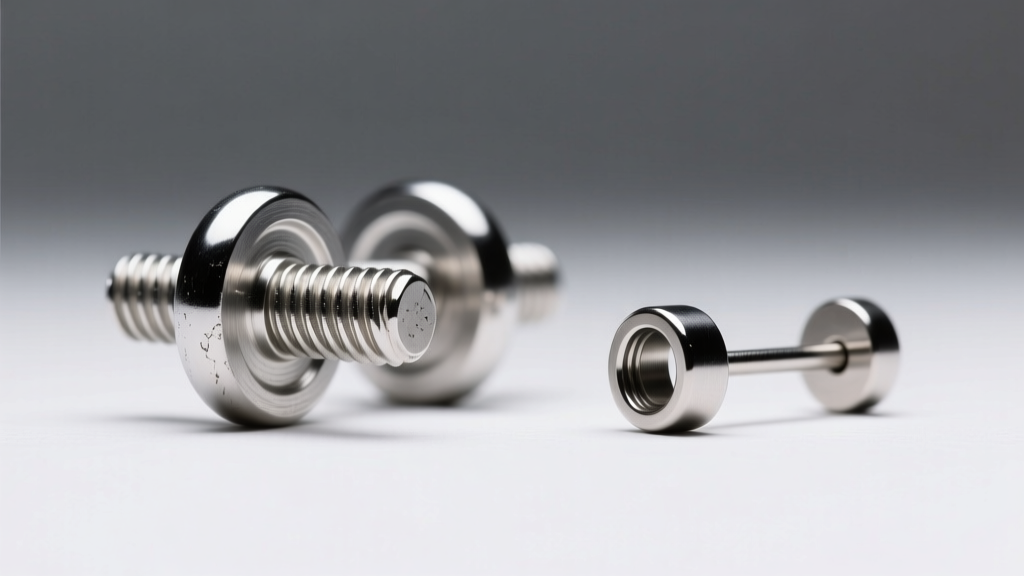
If you buy cheap barbell earrings from mall kiosks or unverified online marketplaces, you are likely getting externally threaded jewelry. This means the screw threads are cut directly into the barbell post. Every time you insert or remove the jewelry, those sharp, jagged threads scrape and micro-tear the delicate fistula tissue, causing scarring and irritation.
High-end studios exclusively use two superior methods:
- Internally Threaded: The threads are on the decorative end (the ball or gem setting), while the post itself is completely smooth. The smooth post glides through the piercing without causing trauma.
- Threadless (Push-Pin): Currently the industry gold standard. The decorative end features a slightly bent pin that inserts into a hollow, smooth post. The tension of the bent pin against the inside of the tube holds the jewelry securely in place. It requires no screwing, eliminates cross-threading, and offers a seamless, flush fit.
'Threadless jewelry has revolutionized cartilage piercings. The tension-fit mechanism means you never have to twist a backing blindly behind your ear, drastically reducing the risk of dropping your jewelry or irritating the healing channel.' — Senior Piercer, Jewel Style Radar Editorial Board
Aftercare and Changing Your First Barbell
If you are wearing a barbell in a fresh piercing, do not change it yourself. The initial jewelry is intentionally long to prevent the skin from swallowing the ends during peak swelling. Attempting to unscrew a barbell in a healing cartilage piercing can introduce bacteria, cause severe trauma, and set your healing timeline back by months. Stick to a strict regimen of sterile saline wound wash (0.9% sodium chloride with no additives) twice a day, avoid sleeping on the pierced ear using a travel neck pillow, and wait for your piercer's clearance before downsizing to your final, aesthetic barbell of choice.
Conclusion
Barbell earrings are the backbone of modern ear curation. By prioritizing implant-grade titanium or solid gold, insisting on threadless or internally threaded mechanics, and respecting the precise gauge and length requirements of your specific anatomy, you ensure your piercings remain healthy, comfortable, and visually stunning for a lifetime. Skip the fast-fashion jewelry bins and invest in precision-machined pieces that honor the art of body modification.


