The 2026 Buying Guide for Silver Aquamarine Earrings
Discover what to look for when buying silver aquamarine earrings. Learn about gemstone grading, silver alloys, settings, and pricing in our 2026 guide.

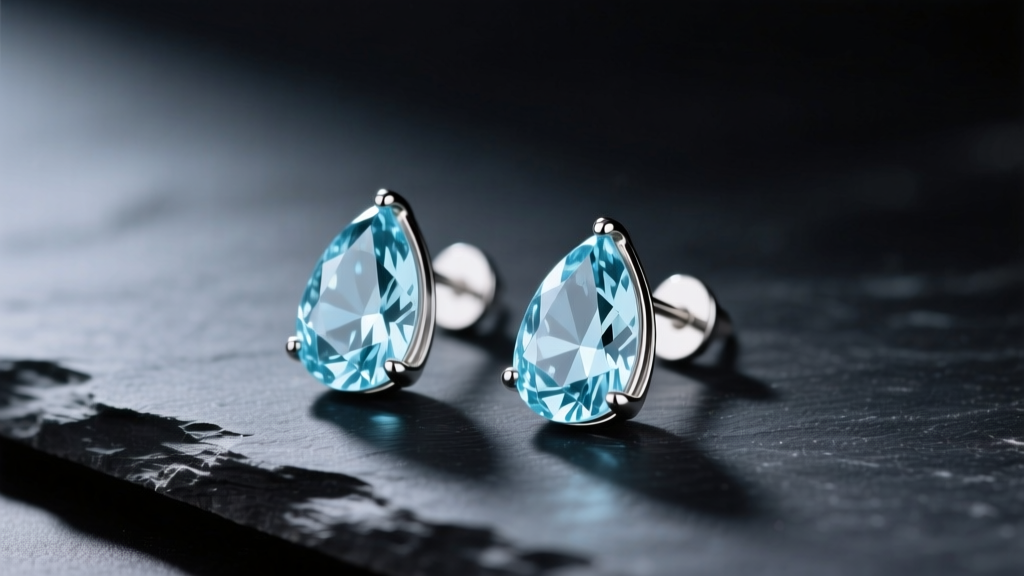
The Allure of Aquamarine and Silver: A 2026 Perspective
Aquamarine, the stunning blue variety of the mineral beryl, has long been prized for its serene, oceanic hues. When paired with the cool, reflective luster of silver, the result is a piece of jewelry that feels both timeless and remarkably modern. However, navigating the market for silver aquamarine earrings requires a discerning eye. Not all silver is created equal, and aquamarine quality can vary wildly from pale, washed-out stones to the highly coveted deep-blue 'Santa Maria' specimens. This comprehensive buying guide breaks down the metallurgical, gemological, and structural factors you must evaluate before making a purchase in 2026.
Decoding Aquamarine: Color, Clarity, and Cut
To evaluate the gemstone itself, we must look to established gemological standards. According to the Gemological Institute of America (GIA), aquamarine is classified as a Type I clarity gemstone, meaning it is typically eye-clean. However, color and cut are where the true value disparities lie.
The Color Spectrum: From Pale Ice to Santa Maria
The blue color in aquamarine is caused by trace amounts of iron. The market generally segments aquamarine into three color tiers:
- Commercial Pale Blue: Often described as 'ice blue,' these stones are abundant and affordable. They offer a subtle, pastel aesthetic but lack the saturation of higher grades.
- Medium Blue (Espirito Santo):strong> Sourced primarily from Brazil, these stones offer a noticeable, cheerful blue with moderate saturation.
- Santa Maria / Santa Maria Africana: The pinnacle of aquamarine color. These stones exhibit a deep, vivid, and highly saturated blue without any green or yellow secondary modifiers. They command a significant premium.
Expert Note: Nearly all commercial aquamarine is heat-treated at approximately 400°C to remove greenish or yellowish secondary hues. This treatment is permanent, stable, and universally accepted in the gem trade. It does not negatively impact the stone's value.
Clarity and Inclusions
While Mindat.org notes the complex beryl crystal structure of aquamarine, high-quality faceted stones should be free of visible inclusions to the naked eye. Avoid stones with surface-reaching fractures, especially near the girdle, as these create structural weak points that can shatter if the earring is dropped.
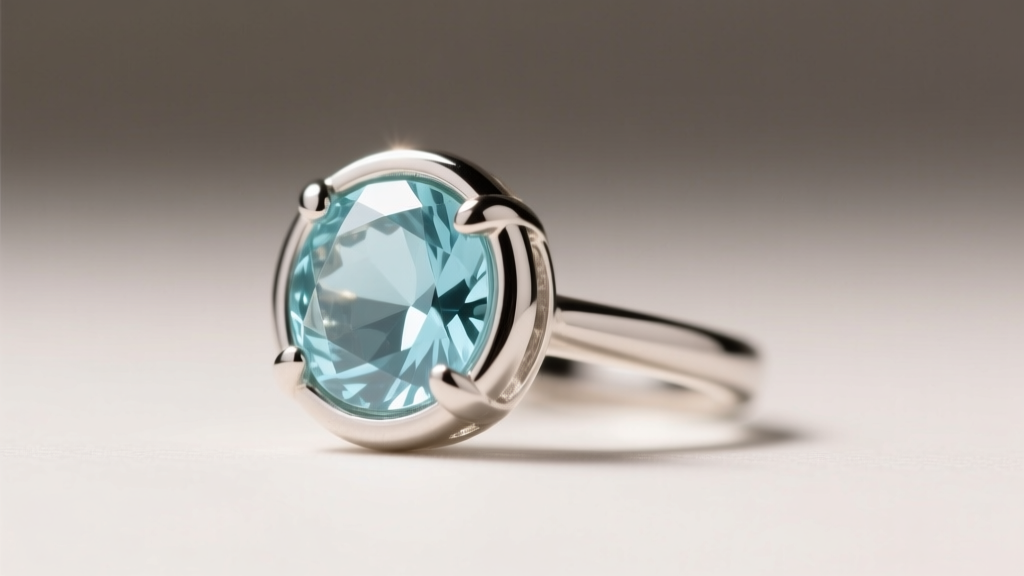
Silver Alloys: 925 Sterling vs. Argentium
The metal holding your gemstone is just as critical as the stone itself. Pure silver (999) is too soft for jewelry, so it must be alloyed. Understanding which alloy is used will dictate the longevity and maintenance requirements of your earrings.
| Silver Type | Composition | Tarnish Resistance | Best Use Case |
|---|---|---|---|
| 925 Sterling | 92.5% Silver, 7.5% Copper | Low (Prone to silver sulfide tarnish) | Budget-friendly studs, occasional wear |
| Argentium 935/960 | Silver, Copper, Germanium | High (Germanium forms a protective oxide layer) | Daily wear, heirloom pieces, low-maintenance buyers |
| Silver-Plated | Brass/Copper core with thin silver wash | Very Low (Will eventually wear off) | Avoid for fine gemstone settings |
The Rhodium Factor: Many high-end silver aquamarine earrings are plated with rhodium (a platinum group metal) to mimic the look of white gold and prevent tarnish. When buying, inquire about the plating thickness. Standard commercial plating is 0.1 to 0.2 microns and will wear off in months. Premium jewelry uses 0.5+ microns, which can last for years with proper care.
Setting Styles and Structural Integrity
Aquamarine ranks 7.5 to 8 on the Mohs hardness scale. While reasonably hard, it has indistinct cleavage and can be brittle, particularly at the sharp corners of emerald or pear cuts. The setting must protect the stone.
Prong vs. Bezel Settings
Jeweler's Rule of Thumb: 'If the aquamarine has sharp corners (like an emerald or marquise cut), never use a standard 4-prong setting for daily-wear earrings. The exposed corners will chip against hairbrushes, phones, and pillows. Opt for a bezel, semi-bezel, or V-prong setting to encapsulate the vulnerable points.'
For oval or round brilliant cuts, a 4-prong or 6-prong setting is perfectly safe and allows maximum light return, enhancing the stone's brilliance.
Post Gauge and Backings
The hardware of the earring dictates comfort and security. Standard lobe piercings are usually 20-gauge (0.8mm) or 18-gauge (1.0mm). If you are purchasing heavy aquamarine drop earrings, ensure the post is 18-gauge to prevent the metal from bending under the stone's weight. Furthermore, upgrade from standard 'butterfly' friction backs to La Pousette (push-back with a locking mechanism) or screw-backs to prevent losing a valuable gemstone.
Pricing Tiers: What Should You Expect to Pay?
The price of silver aquamarine earrings is driven primarily by the gemstone's color saturation and carat weight, rather than the silver itself. Here is a realistic 2026 pricing framework for a pair of stud earrings (approx. 1.00 to 1.50 total carat weight):
- Tier 1: Commercial Pale Blue ($60 - $150)
Set in standard 925 sterling silver. Stones are very light, almost colorless in low light. Ideal for fashion jewelry and gifts. - Tier 2: Medium Saturation ($150 - $400)
Set in rhodium-plated sterling or Argentium. Stones show a distinct, pleasing sky-blue color. The sweet spot for value and aesthetics. - Tier 3: Santa Maria / Premium ($500 - $1,200+)
Set in heavy Argentium or premium rhodium-plated silver. Deep, vivid blue stones with exceptional clarity and precision custom cuts.
Authenticity and Treatment Disclosures
Because high-quality aquamarine is expensive, the market is flooded with imitations. The most common substitute is Swiss or London Blue Topaz. While beautiful, blue topaz has a higher refractive index (1.61-1.62) compared to aquamarine (1.57-1.58), giving it a more 'glassy' and highly reflective look, whereas aquamarine has a softer, more velvety luster. Furthermore, synthetic spinel and colored glass are frequently used in cheap silver settings. Always demand a certificate of authenticity or a detailed receipt specifying 'Natural Aquamarine' (heat treated) rather than just 'Blue Gemstone'.
Care and Maintenance Framework
Proper care ensures your silver aquamarine earrings remain pristine for decades.
- Cleaning the Stone: While aquamarine is generally safe in ultrasonic cleaners, it is a risky practice if the stone has hidden liquid inclusions or surface-reaching fractures. The safest method is a soft toothbrush, warm water, and mild dish soap.
- Cleaning the Silver: If your earrings are un-plated 925 sterling, use a specialized silver polishing cloth. Avoid liquid 'silver dips' as they can leave a chemical residue that dulls the faceted surface of the aquamarine.
- Storage: Store aquamarine earrings in a soft pouch separate from diamonds or sapphires, which rank higher on the Mohs scale and can scratch the aquamarine's surface. Include an anti-tarnish tab in the pouch if the silver is not rhodium-plated.
By understanding the nuances of beryl gemology and silver metallurgy, you can confidently invest in a pair of silver aquamarine earrings that offer both exceptional beauty and enduring structural integrity.


