Earring Hole Infection: Expert Guide to Healing & Care
Learn how to identify, treat, and prevent an earring hole infection with expert cleaning tips, safe metal grades, and proper aftercare routines.

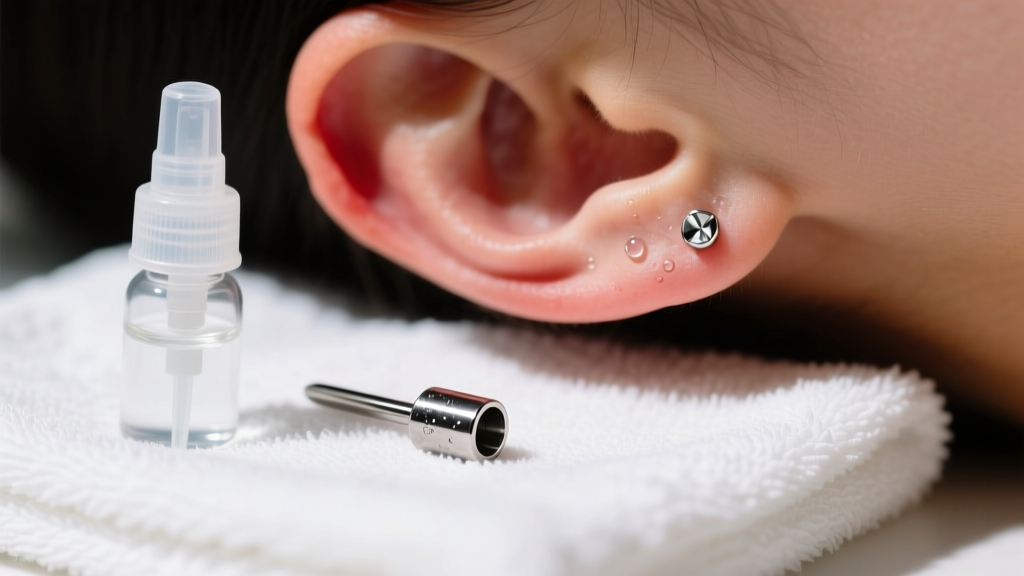
Dealing with an earring hole infection can be a painful, frustrating, and potentially dangerous experience. Whether you are navigating a fresh lobe piercing or a complex cartilage project, the delicate tissue of the ear is highly susceptible to bacterial intrusion. While many people panic at the first sign of redness, it is crucial to understand the biological difference between normal healing inflammation, contact dermatitis, and a true bacterial infection. This comprehensive guide provides actionable, expert-level protocols for treating an earring hole infection, selecting biocompatible metals, and maintaining long-term piercing health.
Identifying an Earring Hole Infection vs. Normal Irritation
Before applying any treatment, you must accurately diagnose the issue. The majority of suspected earring hole infections are actually irritation bumps or allergic contact dermatitis caused by poor jewelry quality or mechanical trauma. True bacterial infections—typically caused by Staphylococcus aureus or Pseudomonas aeruginosa—present with distinct, systemic symptoms that require immediate attention.
| Symptom | True Bacterial Infection | Irritation / Contact Dermatitis |
|---|---|---|
| Exudate (Discharge) | Thick, opaque yellow/green pus; foul odor | Clear, white, or pale yellow lymph fluid (crusties) |
| Temperature | Piercing site is hot to the touch | Normal skin temperature |
| Pain Level | Throbbing, deep, radiating pain | Tender, itchy, or sharp only when touched |
| Redness | Spreading, angry red streaks radiating outward | Localized pinkness strictly around the puncture site |
| Systemic Signs | Fever, swollen lymph nodes, chills, nausea | None |
If your symptoms align with the right column, your focus should be on reducing mechanical friction and upgrading your jewelry. If they align with the left column, you are likely dealing with a genuine earring hole infection that requires strict hygienic intervention and potentially medical treatment.
Immediate First Aid: What to Do (and What NOT to Do)
When an infection strikes, the instinctive reaction for many is to remove the earring immediately. Do not remove the jewelry. If you remove the earring from an infected, unhealed piercing, the surface tissue can heal over the hole, trapping the bacteria inside and forming a painful abscess. The jewelry acts as a drain, allowing the infection to escape.
Never use rubbing alcohol, hydrogen peroxide, or harsh antibacterial soaps on a piercing. These chemicals destroy the fragile, newly formed epithelial cells and delay healing, ultimately worsening the infection environment. — Association of Professional Piercers (APP)
Instead, your immediate first aid should consist of sterile wound washing. You must use a sterile 0.9% sodium chloride solution with zero additives, preservatives, or fragrances. Spray the saline directly onto the site or apply it via a sterile, non-woven gauze pad. Avoid cotton balls or swabs, as they shed microscopic fibers that can become embedded in the healing fistula and exacerbate the earring hole infection.
The Role of Jewelry Materials in Infection Prevention
The metallurgical composition of your earrings plays a massive role in both causing and preventing infections. Many commercial earrings are labeled as 'surgical steel,' but this is a largely unregulated marketing term. Standard 316L surgical stainless steel contains up to 10% nickel. When nickel leaches into the micro-tears of a healing piercing, it triggers severe contact dermatitis, which compromises the skin barrier and invites bacterial infections.
ASTM F136 Titanium: The Gold Standard
To eliminate metal-related complications, you must upgrade to implant-grade titanium, specifically certified as ASTM F136 or ASTM F1295. This specific alloy is completely nickel-free, highly polished to a mirror finish, and biocompatible, meaning the human body does not recognize it as a foreign threat. For those with severe metal sensitivities, Niobium or 14k/18k solid, nickel-free gold are the only other acceptable alternatives for fresh or infected piercings.
The Danger of External Threading
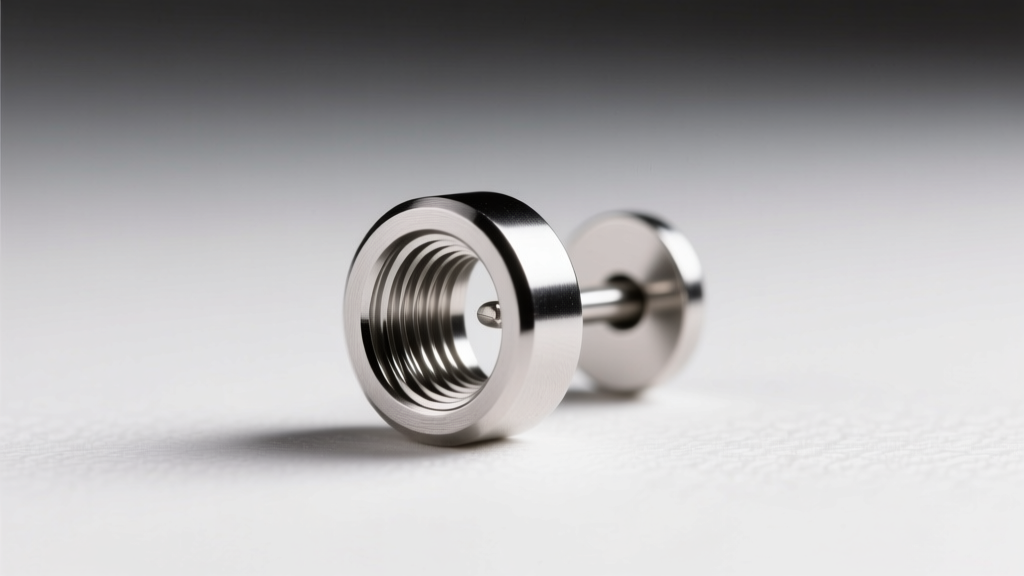
Beyond the metal itself, the physical construction of the earring post matters. Externally threaded earrings (where the screw pattern is on the post that passes through the ear) act like a microscopic cheese grater. Every time you insert or remove the earring, the sharp threads tear the delicate fistula tissue, creating micro-wounds that easily become infected. Always opt for internally threaded or threadless (push-pin) jewelry, where the post is completely smooth and the threading is hidden on the decorative end.
Step-by-Step Cleaning Protocol for Healing Piercings
If you are actively managing an earring hole infection or maintaining a fresh piercing, consistency is your best defense. Follow this exact protocol twice daily until the piercing is fully healed:
- Wash Hands: Scrub your hands with antibacterial soap for a full 20 seconds. Dry them with a clean paper towel, not a shared cloth towel.
- Apply Sterile Saline: Spray a sterile 0.9% saline wound wash directly onto the front and back of the piercing site. Let it sit for 30 seconds to soften any lymph crusties.
- Gently Wipe: Using a piece of sterile, non-woven gauze, gently wipe away the softened debris. Never force or pick at crusties, as this re-opens the wound.
- Rinse (Optional but Recommended): In the shower, let warm (not hot) water gently run over the ear for 30 seconds to rinse away the saline residue, which can otherwise cause dryness and itching.
- Dry Thoroughly: Moisture breeds bacteria. Gently pat the area dry with a fresh paper towel or use a hair dryer on the lowest, coolest setting to ensure the area is completely dry.
Cartilage vs. Lobe: Why Location Dictates Risk
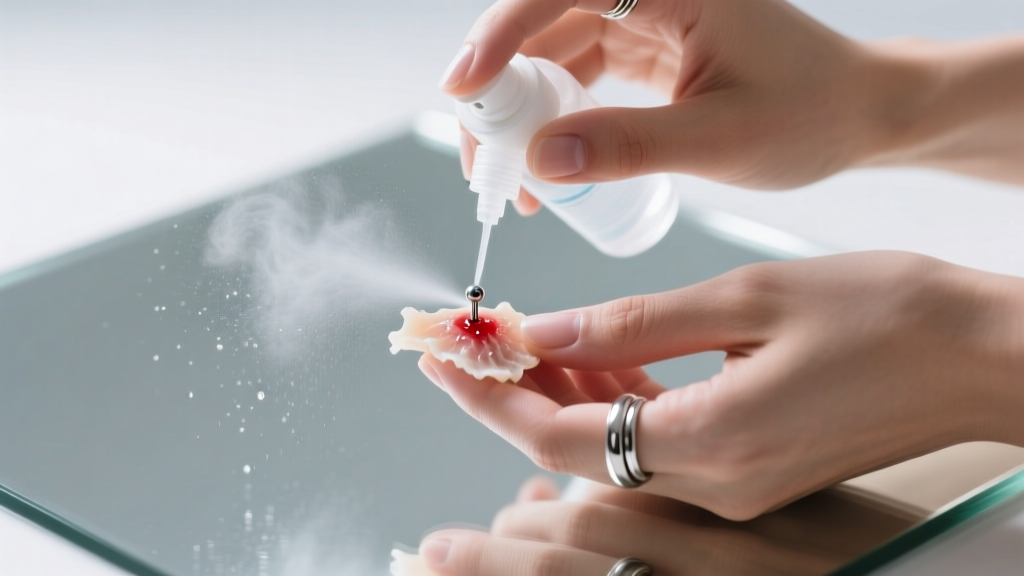
Not all earring hole infections carry the same level of medical risk. The anatomical location of your piercing fundamentally changes how an infection behaves and how it must be treated.
Earlobe Piercings: The earlobe is highly vascular, meaning it has a robust blood supply. This allows white blood cells and systemic antibiotics to reach the site quickly. Lobe infections, while painful, generally respond well to topical care and oral antibiotics, healing within 6 to 8 weeks.
Cartilage Piercings (Helix, Tragus, Conch, Daith): Cartilage is avascular; it lacks its own direct blood supply and relies on the surrounding skin for nutrients and immune response. Because of this, a cartilage infection can rapidly develop into perichondritis—a severe infection of the tissue membrane surrounding the cartilage. If left untreated, perichondritis can lead to cartilage necrosis (tissue death) and permanent 'cauliflower ear' deformity. Cartilage piercings take 6 to 12 months to heal and require extreme vigilance.
When to See a Doctor: Red Flags and Systemic Risks
While a professional piercer can help you troubleshoot irritation bumps, jewelry fit, and cleaning routines, they are not medical doctors. You must seek immediate medical attention from a physician or urgent care clinic if you experience any of the following red flags:
- Red streaks radiating outward from the earring hole across your skin.
- A fever exceeding 100.4°F (38°C) or sudden chills.
- The earring becomes physically embedded or swallowed by the swelling tissue.
- Severe, throbbing pain that keeps you awake at night, especially in cartilage piercings.
- The infection shows no improvement after 48 hours of strict sterile saline aftercare.
A doctor will typically prescribe a course of oral antibiotics, such as Cephalexin or Clindamycin, to target the specific bacterial strain. According to the Cleveland Clinic, you should continue wearing the jewelry while on antibiotics unless a medical professional explicitly instructs you to remove it for surgical drainage. For deeper insights into the pathology of ear infections, medical literature from the National Center for Biotechnology Information (NCBI) highlights the critical importance of early intervention in avascular cartilage infections to prevent permanent structural damage.
Ultimately, preventing an earring hole infection is far easier than treating one. By investing in high-quality, internally threaded ASTM F136 titanium jewelry, adhering to a strict sterile saline cleaning routine, and avoiding mechanical trauma like sleeping on fresh piercings, you can ensure your ears remain healthy, beautiful, and infection-free for a lifetime.


