How Long to Wait to Change Earrings After Piercing: A Cost Guide
Discover exactly how long to wait to change earrings after piercing. Learn the hidden costs of rushing and how to protect your jewelry investment.

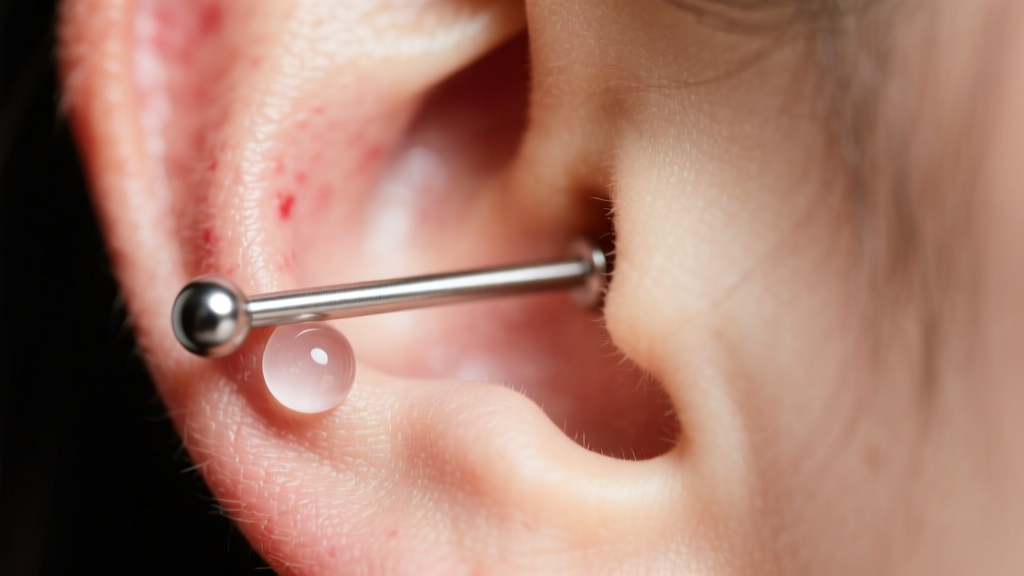
The True Cost of Changing Earrings Too Early
When you invest in a professional piercing, you are not just paying for a momentary thrill; you are funding a long-term body modification that requires strategic aftercare. One of the most common questions new collectors ask is how long to wait to change earrings after piercing. While the temptation to swap your starter stud for a decorative hoop or dangle is immense, rushing this process is a fast track to financial waste. From a budget and value assessment perspective, changing your jewelry before the fistula (the piercing channel) has fully matured can result in severe complications, ruined jewelry, and unexpected medical expenses.
Many consumers view the initial piercing fee—typically ranging from $40 to $80, plus $30 to $150 for high-quality jewelry—as a one-time transaction. However, failing to respect the biological healing timeline turns that initial investment into a sunk cost. Tearing fragile tissue, introducing bacteria, or triggering contact dermatitis by swapping jewelry prematurely can lead to infection treatments, professional removal fees, and the total loss of the piercing itself. In this guide, we break down the exact timelines, material grades, and hidden costs associated with your first earring change to ensure your jewelry budget is protected.
Healing Timelines vs. Financial Risk Matrix
The answer to how long to wait to change earrings after piercing depends entirely on the anatomical placement of the piercing. Cartilage piercings lack the robust blood supply of earlobes, meaning they heal significantly slower and carry a higher financial risk if disturbed. Below is a value-assessment matrix comparing standard healing timelines with the potential financial fallout of premature jewelry changes.
| Piercing Placement | Minimum Healing Time | Optimal Wait for First Change | Financial Risk of Early Change |
|---|---|---|---|
| Standard Earlobe | 6 - 8 Weeks | 8 - 10 Weeks | Moderate ($50 - $150 in OTC treatments & lost jewelry) |
| Upper Lobe / Mid-Flat | 12 - 16 Weeks | 4 - 5 Months | High ($100+ in piercer troubleshooting & potential migration) |
| Helix / Forward Helix | 6 - 12 Months | 9 - 12 Months | Severe ($200+ in medical copays, hypertrophic scarring removal) |
| Conch / Daith / Rook | 9 - 18 Months | 12 - 18 Months | Critical (Total loss of piercing, $300+ in dermatologist visits) |
According to the Association of Professional Piercers (APP), cartilage piercings can appear healed on the surface within a few months, but the internal tissue remains fragile. Forcing a new earring through an immature cartilage channel often causes micro-tears, leading to hypertrophic scarring (piercing bumps) that require expensive saline regimens, patch testing, and sometimes cortisone injections to resolve.
Material Grades: Why Cheap Starter Jewelry Ruins Your Investment
A critical component of the waiting period is the material you are waiting with. If your piercer used low-grade "surgical steel" or mystery metals to save you money upfront, you are already operating at a deficit. Surgical steel contains nickel, a known allergen. As the piercing heals, the body's immune system reacts to the nickel, causing weeping, crusting, and inflammation. This delays healing and forces you to buy replacement jewelry sooner than planned.
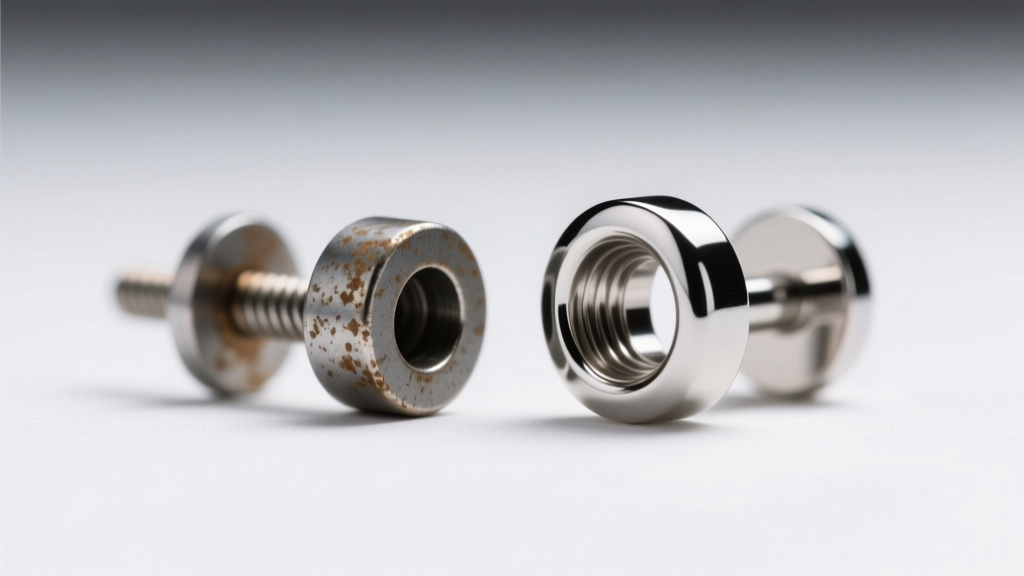
The ASTM F136 Titanium Standard
For maximum value and biological compatibility, your starter jewelry must be ASTM F136 implant-grade titanium or solid 14k/18k nickel-free gold. Titanium is biologically inert, meaning the body will not waste energy fighting it, allowing the fistula to form smoothly. While an ASTM F136 titanium labret might cost $45 to $85 compared to a $15 steel alternative, the steel option frequently leads to contact dermatitis. Treating a nickel allergy flare-up with hydrocortisone creams, sterile saline, and eventual jewelry replacement easily eclipses the $70 savings, making titanium the only mathematically sound choice for initial piercings.
The Hidden Expenses of Piercing Infections and Rejection
When you search for how long to wait to change earrings after piercing, you are essentially searching for the safest way to avoid infection. The financial anatomy of a piercing infection is steep. If you change a helix earring at month three instead of month ten, you risk introducing Staphylococcus aureus or Pseudomonas into the wound. The costs compound rapidly:
- OTC Medical Supplies ($25 - $60): Sterile wound washes, antibiotic ointments (which piercers actually advise against, as they trap bacteria), and non-woven gauze.
- Urgent Care / Doctor Copays ($50 - $250+): If the infection spreads to the cartilage (perichondritis), oral antibiotics like Ciprofloxacin are required. Cartilage infections can cause permanent ear deformation if left untreated.
- Jewelry Loss ($40 - $150): If the body initiates a rejection response due to the trauma of an early jewelry change, the piercing will migrate to the surface. You will lose the initial jewelry investment and the piercing entirely.
As noted by dermatology experts at the American Academy of Dermatology, keeping the initial jewelry in place and avoiding rotation or early swapping is the primary defense against these costly medical interventions.
A Value-Driven Timeline for Your First Earring Change
To protect your budget, follow this strict, value-driven timeline for your first jewelry swap. This framework ensures you do not waste money on ruined channels or lost gems.
Weeks 3 to 4: The Crucial Downsize
Most high-end piercers use a longer post (e.g., 8mm or 10mm for lobes, 10mm or 12mm for cartilage) to accommodate initial swelling. Once the swelling subsides around week three or four, the excess post becomes a liability. It catches on hair and clothing, leading to trauma bumps. Returning to your piercer for a "downsize" to a shorter post (e.g., 5mm or 6mm) usually costs between $15 and $30 for the service and new post. Do not skip this step. The $20 downsize fee prevents the $100 cost of treating a migration-induced trauma bump.
The Final Healing Mark: Professional vs. DIY Swap
Once the APP-recommended healing time has passed (e.g., 10 weeks for lobes, 12 months for helixes), it is time for the final swap. For your very first change, paying a professional piercer $20 to $40 to swap the jewelry is a high-value insurance policy. Piercers use sterile tapers to gently guide the new jewelry through the fistula without collapsing the tissue. DIY attempts frequently result in dropping expensive threaded or threadless ends down the sink drain or forcefully jamming a blunt post through a semi-healed channel, causing immediate bleeding and resetting your healing clock to zero.
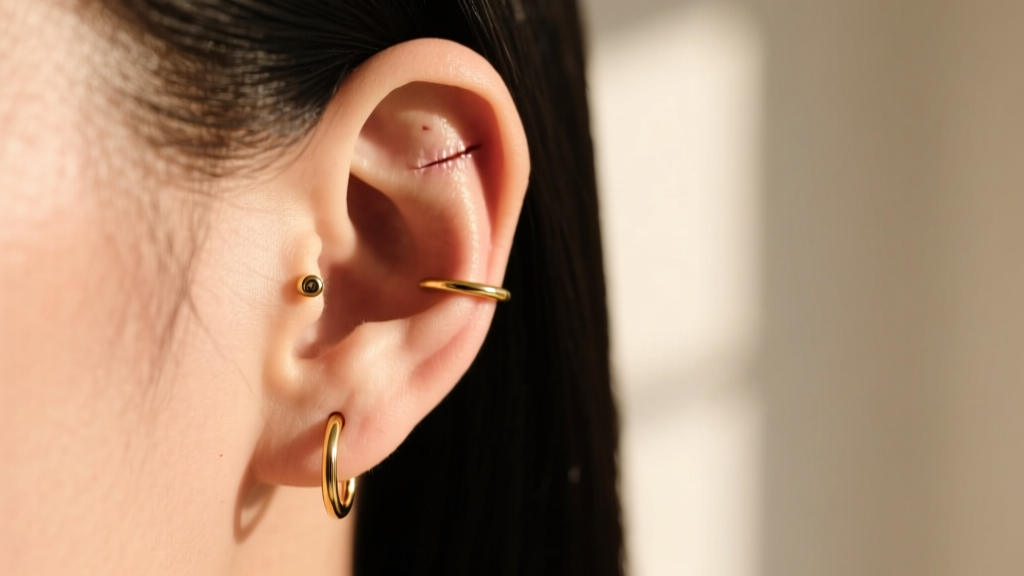
Maximizing Your Jewelry Budget Post-Healing
Once you have safely navigated the waiting period and your piercing is fully mature, you can begin optimizing your jewelry budget. Transitioning from basic titanium labrets to decorative pieces requires an understanding of jewelry construction to ensure longevity.
The Golden Rule of Post-Healing Value: Never buy gold-plated or PVD-coated jewelry for a fresh or newly healed piercing. The friction of insertion will strip the plating, ruining the piece and exposing the base metal to your skin. Always invest in solid 14k gold, niobium, or anodized titanium.
When moving into hoops, huggies, or clickers, ensure the internal diameter is correct. A hoop that is too tight will put pressure on the healing channel, causing it to heal at an angle. This angling forces you to eventually abandon hoop styles entirely, wasting your investment in curved jewelry. For threadless jewelry, learn how to properly bend the pin for a secure tension fit. A properly fitted threadless end will never fall out and get lost in your bedding or carpet, safeguarding your $80+ gemstone investment.
Final Verdict on Patience and Profit
Understanding how long to wait to change earrings after piercing is ultimately an exercise in financial preservation. By respecting the biological timelines of earlobes and cartilage, insisting on ASTM F136 titanium, and utilizing professional tapers for your first swap, you transform a simple piercing into a lifelong, cost-effective asset. Patience in the first year guarantees decades of high-value, uncomplicated wear.


