How Long Does It Take Earring Holes to Close? Expert Guide
Discover how long it takes earring holes to close based on piercing age and placement. Expert troubleshooting for lobes and cartilage.

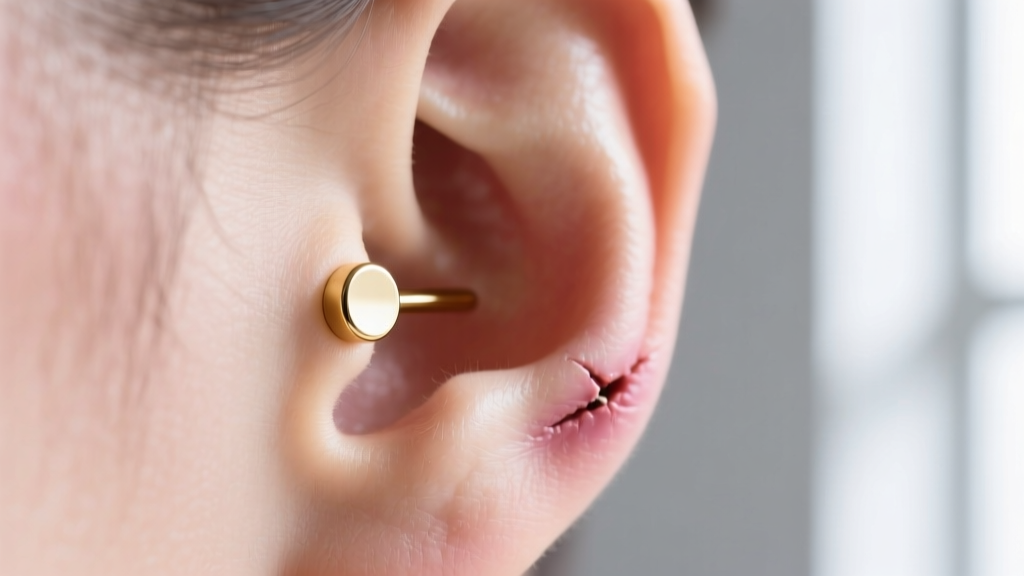
If you have ever taken out your favorite studs for a weekend and struggled to get them back in on Monday, you have likely asked yourself: how long does it take earring holes to close? The answer is not a simple number of hours or days. The closure timeline depends heavily on the age of the piercing, the anatomical placement (lobe versus cartilage), and the biological formation of your fistula. As a troubleshooting guide for jewelry enthusiasts, this article breaks down the exact science of piercing closure, how to identify a false closure, and the step-by-step protocol for safely reopening a shrunken hole.
The Anatomy of a Piercing: Why Holes Shrink and Close
When you get your ears pierced, the body treats the needle puncture as a wound. Over the course of several months, the body forms a fistula—a tube of epithelial tissue that lines the piercing channel. This fistula is what keeps the hole open. However, the body is always trying to conserve energy and heal what it perceives as an unnecessary void. When jewelry is removed, the elastic collagen fibers in the surrounding tissue begin to contract, causing the fistula to shrink. If the fistula is not fully mature, the epithelial walls will eventually touch and fuse, closing the hole completely.
The Timeline: How Long Does It Take Earring Holes to Close?
There is no universal countdown clock for piercing closure. A fresh piercing can close in a matter of hours, while a decades-old lobe piercing may never fully close, merely shrinking to a tiny, barely visible dot. Below is a general framework based on clinical observations from professional piercers.
| Piercing Age | Lobe Closure Time | Cartilage Closure Time |
|---|---|---|
| Fresh (0-3 Months) | 1 to 24 hours | 1 to 12 hours |
| Healing (3-12 Months) | 1 to 7 days | 12 to 48 hours |
| Mature (1-5 Years) | Weeks to Months (may shrink permanently) | Days to Weeks |
| Vintage (5+ Years) | Rarely closes entirely; shrinks significantly | Weeks to Months (highly variable) |
Fresh Piercings (0 to 6 Months)
If your piercing is less than six months old, the fistula is still fragile and highly vascular. According to the Association of Professional Piercers (APP), removing jewelry from a fresh piercing for even a few hours can result in rapid tissue contraction. In these cases, the hole can close up almost overnight. If you must change jewelry during this window, it should be done by a professional who can use an insertion taper to prevent the channel from collapsing.
Mature Lobe Piercings (1 to 5+ Years)
Earlobes are composed of soft, vascular tissue that heals predictably. Once a lobe piercing has been consistently worn for several years, the fistula becomes thick and leathery. While the hole will shrink significantly when empty—often making it difficult to push a standard 20-gauge post back through—it rarely closes completely from the inside out. Instead, the outer layers of skin may heal over the entrance, creating a superficial barrier.
Cartilage Piercings (Helix, Tragus, Conch)
Cartilage lacks the direct blood supply that lobes have, relying on surrounding tissue for nutrient delivery. Because of this, cartilage fistulas are notoriously stubborn and prone to rapid, aggressive shrinkage. A helix piercing that is three years old can still shrink tight enough to reject a standard 16-gauge earring after just 48 hours without jewelry. Cartilage also has a higher tendency to develop hypertrophic scarring if forced open improperly.
The Sebum Plug Illusion: Is It Really Closed?
Before you assume your earring hole has permanently closed, you must rule out the 'sebum plug.' The fistula is essentially a skin tube, and just like the pores on your face, it produces sebum (oil) and sheds dead skin cells. When jewelry is removed, this mixture accumulates inside the channel, hardening into a dense, waxy plug.
When you try to reinsert an earring, the post hits this hardened plug and stops, mimicking the feeling of a closed hole. Troubleshooting tip: Take a warm shower to soften the skin and sebum. Gently massage the earlobe between your thumb and index finger to break up the internal debris. You will often find that the hole is perfectly open once the plug is cleared.
Troubleshooting: How to Reopen a Partially Closed Hole
If the hole has genuinely shrunken and your jewelry will not pass through, do not force it. Forcing a blunt earring post through a shrunken fistula creates micro-tears, leading to swelling, infection, and the formation of a 'blowout' or false tract. Instead, follow this professional troubleshooting protocol.
Step 1: Preparation and Lubrication
Wash your hands thoroughly with antibacterial soap. Apply a warm, damp compress to the ear for three to five minutes to increase blood flow and soften the tissue. Next, apply a water-based lubricant or a sterile saline solution to both the earlobe and the jewelry. Avoid petroleum-based products like Vaseline, which can trap bacteria inside the fistula.
Step 2: The Taper Technique
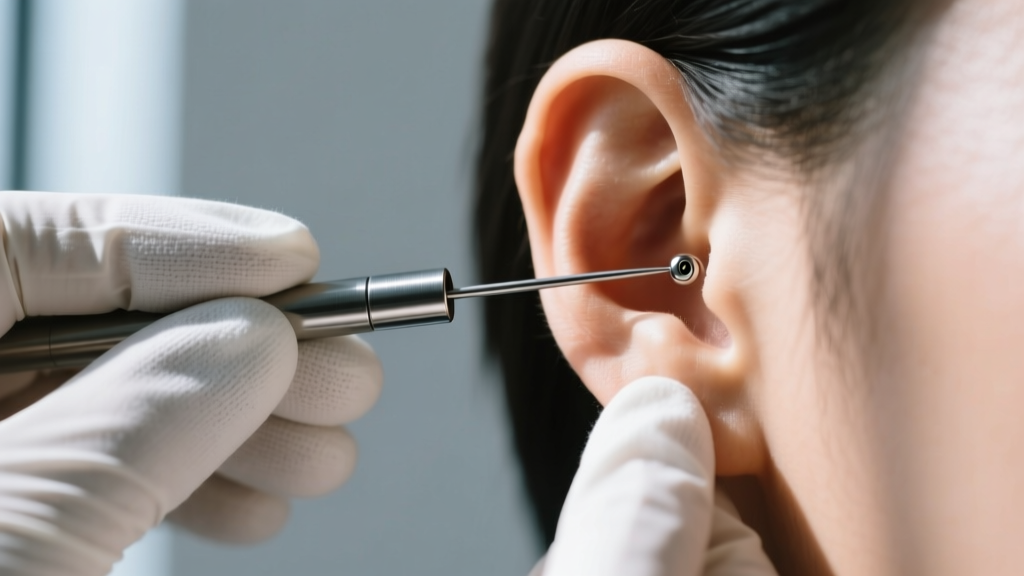
Professional piercers use insertion tapers—smooth, conical metal tools that gradually stretch the tissue. If you do not have a taper, you can use the jewelry itself, provided it has a smooth, rounded end (like a captive bead ring or a seamless hoop). Never use a flat-back labret or a butterfly post to force open a tight hole, as the sharp edges or clutch grooves will scrape the delicate fistula lining.
Step 3: Gentle Manipulation
Insert the thinnest part of the taper or hoop into the hole. Apply gentle, steady pressure while slightly twisting the jewelry. If you meet resistance that causes sharp pain, stop immediately. You are hitting un-pierced tissue, and pushing further will result in a fresh wound. If the taper slides through, follow it immediately with your sterilized jewelry.
Preventative Jewelry: Materials That Keep Holes Open
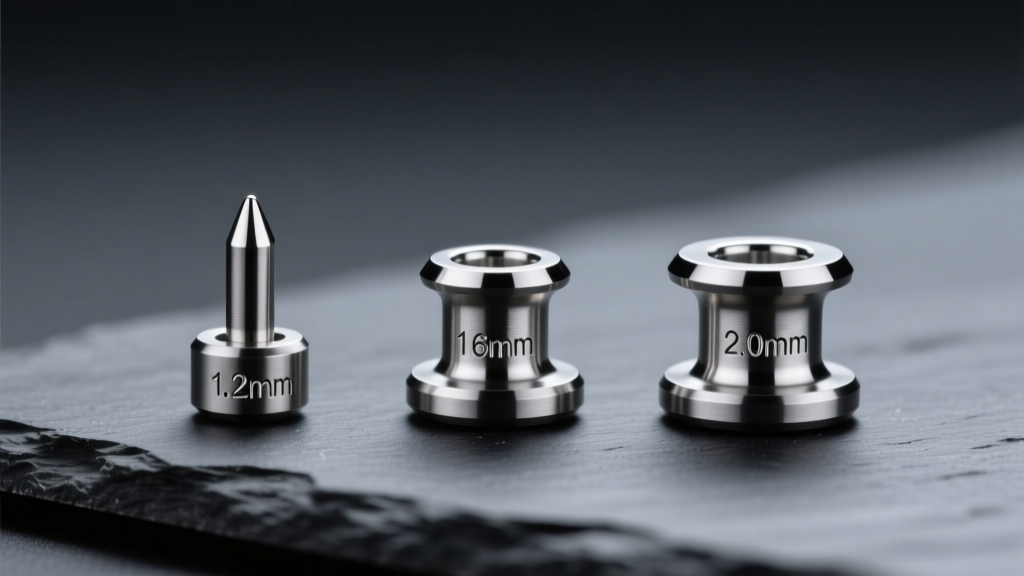
If you frequently take your earrings out and struggle with shrinkage, the material and style of your daily jewelry might be to blame. Cheap alloys and heavy dangles can cause low-grade inflammation, causing the fistula to swell and subsequently contract more aggressively when the jewelry is removed.
- Implant-Grade Titanium (ASTM F136): This is the gold standard for maintaining a healthy, stable fistula. It is entirely nickel-free and biocompatible, reducing inflammation that leads to erratic shrinkage.
- Threadless Flat-Back Labrets: Unlike traditional butterfly backs that harbor bacteria and irritate the rear of the hole, threadless titanium labrets sit flush against the tissue, promoting a calm, mature fistula that is less prone to rapid closure.
- Continuous Hoops for Cartilage: For stubborn cartilage piercings, wearing a continuous hoop or a clicker ring prevents the sharp angles associated with straight posts, making reinsertion significantly easier if you must remove them briefly.
When to See a Professional Piercer
There is a distinct line between a shrunken hole and a closed one. If you cannot see light through the piercing channel, or if the skin has completely smoothed over the entrance leaving a visible dimple or scar tissue knot, the fistula has likely healed shut. The American Academy of Dermatology notes that attempting to puncture scar tissue at home with unsterilized needles or blunt earrings frequently results in severe localized infections and keloid scarring.
If your hole has fully closed, visit an APP-certified professional piercer. They will assess the scar tissue and, if necessary, use a sterile, single-use hollow needle to cleanly re-pierce the channel. Re-piercing through old scar tissue requires precise angle correction, as the internal scar tract often heals at a different angle than your original piercing.
Summary Checklist for Earring Hole Maintenance
Understanding how long it takes earring holes to close is ultimately about understanding your own body's healing mechanisms. To keep your piercings accessible and healthy:
- Leave fresh piercings completely alone for the first 6 to 12 months.
- Use only ASTM F136 titanium or solid 14k/18k gold to prevent inflammatory shrinkage.
- Clear out sebum plugs with warm water and gentle massage before assuming a hole is closed.
- Invest in a basic insertion taper for mature piercings that tend to shrink overnight.
- Never force blunt jewelry through a resistant cartilage channel.
By treating your fistulas with the same care you give your fine jewelry, you ensure that your favorite pieces are always ready to wear, without the pain and frustration of forced reinsertion.


