2026 Trends: How to Style Dangle Pearl Earrings Gold
Discover 2026 styling trends for dangle pearl earrings gold. Expert insights on karat weights, pearl grades, face shapes, and modern pairings.

The 2026 Resurgence of Heirloom Eclecticism
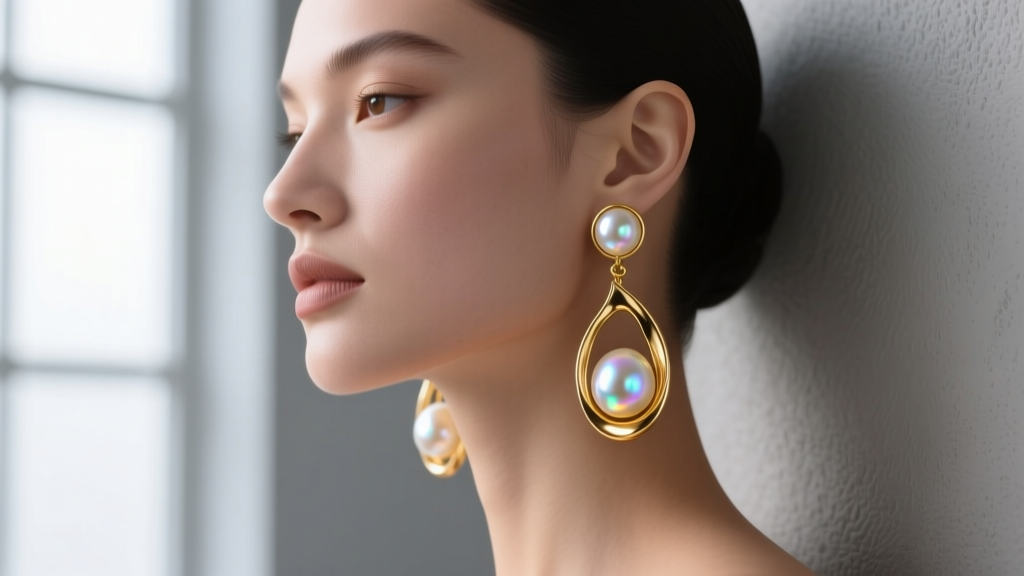
The jewelry landscape of 2026 has decisively moved past the minimalist 'quiet luxury' era, embracing a movement gemologists and stylists are calling 'heirloom eclecticism.' At the forefront of this shift are dangle pearl earrings gold settings, which have evolved from traditional, stiff bridal accessories into dynamic, everyday statement pieces. Modern designs now frequently pair high-polish 18k gold with asymmetrical baroque pearls, articulated chain drops, and mixed-metal accents. This trend reflects a broader consumer desire for jewelry that feels both historically grounded and fiercely individualistic.
When analyzing the current market, the most sought-after dangle pearl earrings gold designs feature kinetic movement. Articulated links—where the pearl is suspended from a gold chain rather than rigidly fixed to a wire—allow the pearl to catch ambient light with every turn of the head. This kinetic quality is essential for maximizing the luster of lower-grade freshwater pearls, making them appear far more luxurious than their static counterparts.
Material Deep-Dive: Gold Karats and Pearl Grades
To navigate the 2026 market intelligently, one must understand the material science behind the components. The interplay between the gold alloy and the pearl's nacre dictates both the aesthetic and the longevity of the piece.
Gold Alloys: 14k vs. 18k vs. Vermeil
For dangle earrings, structural integrity is paramount. Pure 24k gold is too soft to support the leverage of a dangling pearl. Therefore, jewelers rely on specific alloys:
- 14k Gold (58.5% pure gold): The industry standard for earring wires and leverbacks. Its higher copper and silver content provides the tensile strength needed to prevent the wire from bending under the weight of a heavy South Sea pearl.
- 18k Gold (75% pure gold): Preferred for the decorative caps, bezels, and chain links. It offers a richer, warmer yellow hue that complements the cream and rose overtones of most pearls, though it is slightly more prone to micro-scratching.
- Gold Vermeil: Under Federal Trade Commission guidelines, vermeil must consist of a sterling silver base plated with at least 2.5 microns of 10k or higher gold. While affordable, vermeil dangles require careful maintenance, as the friction from earring backs can wear away the plating over time.
Pearl Value Factors
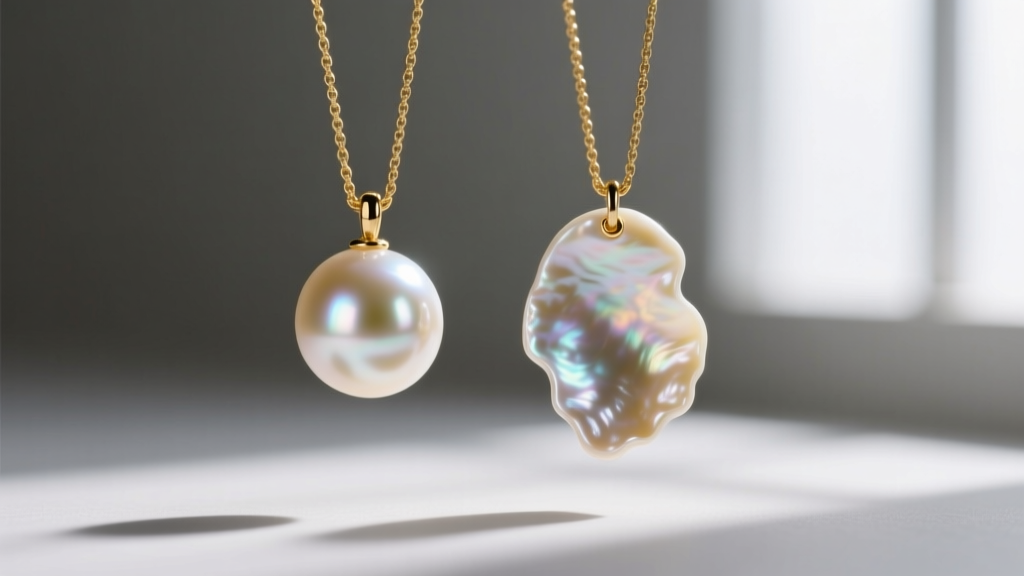
According to the Gemological Institute of America (GIA), pearl value is determined by seven factors: Size, Shape, Color, Luster, Surface Quality, Nacre Quality, and Matching. In 2026, the strict preference for perfectly round shapes has fractured. While round Akoya pearls remain the benchmark for mirror-like luster, irregular baroque Freshwater and Tahitian pearls are commanding premium prices in avant-garde dangle designs.
| Pearl Type | Average Size | Best Gold Pairing | Price Range (Per Pair) | Durability Note |
|---|---|---|---|---|
| Akoya (Round) | 6.0 - 8.5mm | 18k Yellow Gold | $400 - $1,200 | High luster, but thin nacre requires careful storage. |
| Freshwater (Baroque) | 8.0 - 12.0mm | 14k Rose or Yellow | $150 - $450 | Thick, solid nacre makes these highly chip-resistant. |
| South Sea (Drop/Round) | 10.0 - 15.0mm | 18k or 22k Yellow | $2,500 - $10,000+ | Heavy weight requires reinforced 18k leverbacks. |
| Tahitian (Peacock) | 9.0 - 13.0mm | 18k White or Rose | $800 - $3,500 | Dark body colors pop best against white gold alloys. |
Face Shape & Proportion Framework
Styling dangle pearl earrings gold settings effectively requires an understanding of facial geometry and visual weight. The drop length of the earring should act as a counterbalance to the wearer's jawline and cheekbones.
- Round Faces: Opt for linear, elongated dangles (1.5 to 2.5 inches in length). The vertical drop creates an optical illusion that elongates the neck and slims the face. Avoid chandelier styles or wide, clustered pearl drops that add horizontal volume.
- Square Faces: Choose dangles with curved silhouettes, such as teardrop-shaped pearls or pearls suspended from fluid, serpentine gold chains. The organic curves soften strong jawlines. Length should ideally hit just below the earlobe to draw the eye downward without widening the face.
- Oval Faces: This balanced proportion can carry almost any dangle style. However, to maintain harmony, keep the drop length between 1 and 2 inches. Extremely long, bohemian dangles can overwhelm the natural symmetry of an oval face.
- Heart-Shaped Faces: Look for dangles that feature more visual weight at the bottom—such as a small gold stud leading to a large, 12mm baroque pearl drop. This adds width to the lower half of the face, balancing a narrower chin.
The Mechanics of the Dangle: Wire vs. Hinge
A common failure point in dangle pearl earrings gold designs is the connection mechanism. Understanding the hardware is critical for both comfort and security.
French Wire (Fish Hook): Typically crafted in 20-gauge (0.81mm) or 22-gauge (0.64mm) wire. While elegant, they lack a secure closure. For heavy pearls, always pair French wires with transparent silicone stoppers to prevent loss. The wire must be thick enough to support the pearl's pendulum motion without metal fatigue.
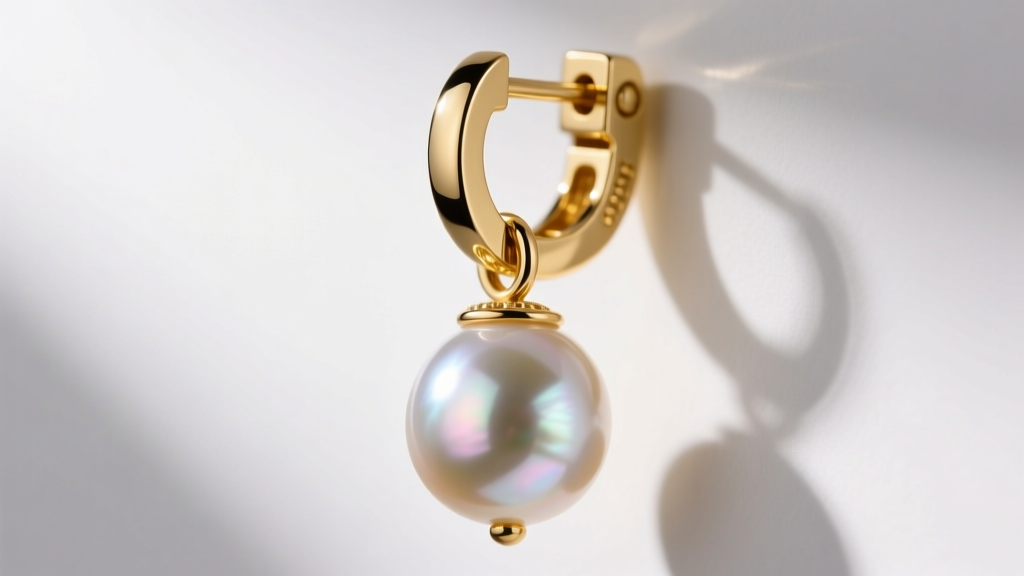
Leverback Clasps: The gold standard for heavy South Sea or large Tahitian pearl dangles. A hinged wire snaps securely into a locking catch. When purchasing leverbacks, inspect the hinge pin; it should be flush with the casting to prevent snagging on hair or silk garments.
Articulated Jump Rings: The tiny ring connecting the pearl cap to the earring wire is the weakest link. High-end 2026 designs utilize laser-welded jump rings, which are fused shut, eliminating the risk of the ring pulling open under the pearl's weight.
2026 Styling Matrix: Day to Night Transitions
The modern wardrobe demands versatility. Dangle pearl earrings gold pieces are no longer reserved for evening wear; they are anchoring daytime professional and casual looks alike.
'The 2026 consumer doesn't want jewelry that sits in a vault. They want kinetic, tactile pieces that transition from a morning board meeting to an evening gallery opening without requiring a trip back to the vanity.' — Global Jewelry Trend Forecast, Q1 2026
The Corporate Power Look: Pair a structured, oversized blazer with medium-length (1-inch) Akoya pearl dangles on 14k gold wire. The rigid tailoring of the suit contrasts beautifully with the organic sway of the pearls, projecting authority with a touch of approachability.
The Weekend Casual: Mix textures by wearing a chunky, cable-knit sweater with long, raw baroque freshwater pearl dangles on mixed-metal (gold and oxidized silver) chains. The juxtaposition of cozy knitwear and high-shine gold creates an effortless, curated aesthetic.
The Evening Statement: Pull hair back into a sleek, low chignon to expose the neck. Wear dramatic, 2.5-inch Tahitian pearl chandeliers with a minimalist slip dress. Let the earrings serve as the primary focal point of the ensemble.
Care & Maintenance for Longevity
Pearls are organic gemstones, ranking a mere 2.5 to 3.0 on the Mohs hardness scale. They are highly susceptible to acids, cosmetics, and dehydration. Gold, while durable, can accumulate oils that dull its shine. To preserve your dangle pearl earrings gold pieces, adhere to this strict maintenance protocol:
- The 'Last On, First Off' Rule: Always apply perfumes, hairsprays, and lotions before putting on your earrings. The alcohol and chemicals in cosmetics can degrade the pearl's nacre and strip the luster over time.
- Post-Wear Wiping: After removal, gently wipe the pearls with a clean, slightly damp microfiber cloth to remove skin oils and environmental pollutants. Never use paper towels, as their wood fibers can cause micro-scratches on the nacre.
- Proper Storage: Store dangles hanging or laid flat in a soft silk pouch. Never store pearls in airtight plastic bags or safety deposit boxes without a moisture source; pearls require ambient humidity to prevent cracking and crazing.
- Hardware Checks: Every six months, gently tug the jump ring and the pearl cap. If you detect any movement or loosening, take the piece to a jeweler immediately for a professional tightening or laser-welding before the pearl is lost.
By understanding the material nuances, structural mechanics, and styling frameworks of 2026, you can confidently select and wear dangle pearl earrings gold designs that are not only visually stunning but engineered to last a lifetime.


