Expert Care and Cleaning Tips for Horsebit Earrings
Learn expert techniques to clean, polish, and store horsebit earrings. Discover how to remove tarnish from intricate metal rings without causing damage.

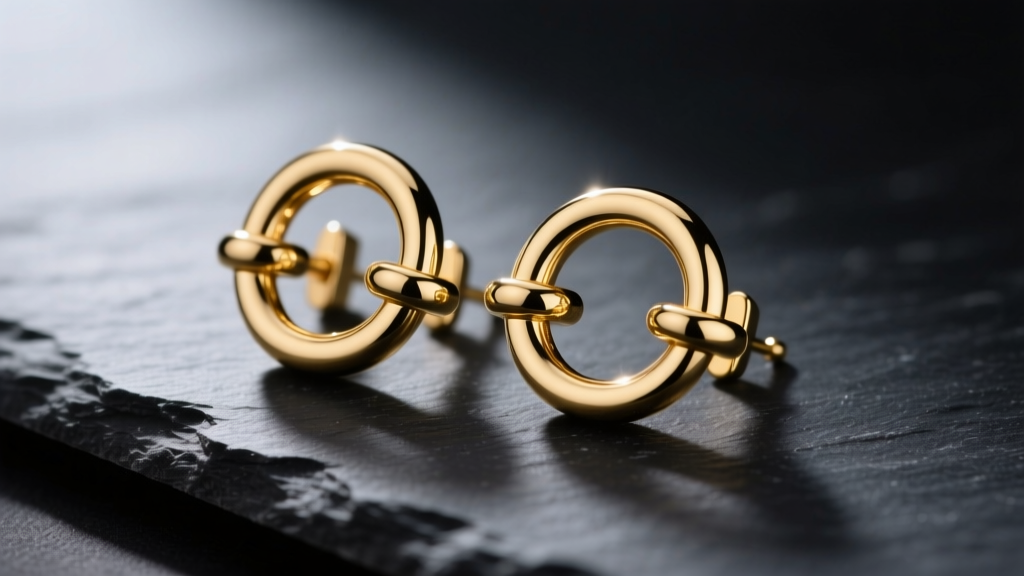
Horsebit earrings are a timeless staple in luxury and fashion jewelry, instantly recognizable by their iconic interlocking rings and central double bar. Whether you own authentic 18k gold pieces from a heritage fashion house or high-quality gold vermeil replicas, the structural complexity of the horsebit motif presents unique maintenance challenges. The very design elements that make these earrings visually striking—the overlapping circles, the hinged joints, and the tight crevices where the bar meets the rings—are also prime traps for sebum, cosmetic residue, and environmental pollutants.
As a senior jewelry care specialist, I frequently see horsebit designs returned for professional refurbishment simply because standard cleaning methods fail to address their specific geometry. In this comprehensive guide, we will break down the metallurgical realities of your earrings and provide a meticulous, step-by-step protocol to keep your horsebit earrings looking pristine without compromising their finish or structural integrity.
The Anatomy of Horsebit Earrings: Why They Trap Debris
To clean horsebit earrings effectively, you must first understand their structural vulnerabilities. The classic horsebit design consists of two primary rings connected by a double-bar harness. In hoop or huggie variations, this design is often integrated into a hinged mechanism with a secure clicker or latch closure.
The primary failure point for hygiene and aesthetics in these earrings is the interstitial gap—the microscopic space where the central bar overlaps the inner curve of the rings. Human skin naturally produces sebum and squalene, which oxidize when exposed to air and mix with dead skin cells, lotion, and hairspray. This mixture forms a hardened, dark residue that lodges deep within these overlapping joints. Furthermore, if your horsebit earrings feature a hinged post, the hinge barrel acts as a magnet for this debris, eventually causing the mechanism to stiffen or fail to click securely into place.
Material-Specific Cleaning Protocols
The cleaning method you choose must be dictated by the base metal and the surface finish. Applying the wrong technique can strip plating, induce micro-scratches, or accelerate oxidation.
Gold Vermeil and Plated Horsebits
Gold vermeil (pronounced ver-may) requires the most delicate touch. By US Federal Trade Commission standards, vermeil must consist of a sterling silver base coated with at least 2.5 microns of gold. While 2.5 microns is substantially thicker than standard flash plating, it is still a surface layer. Never use ultrasonic cleaners or abrasive polishing cloths on vermeil. The high-frequency cavitation of an ultrasonic bath can cause the gold layer to delaminate from the silver base, while polishing cloths embedded with jeweler's rouge will physically strip the gold away, exposing the silver beneath.
Solid 18k Gold
Solid gold is highly resistant to tarnish and corrosion, making it the most forgiving material. According to the Gemological Institute of America (GIA), solid gold can safely withstand ultrasonic cleaning, provided the piece does not contain fragile gemstones or delicate enamel work. However, for daily maintenance, a gentle chemical bath is usually sufficient to restore the high-polish luster of the interlocking rings.
Sterling Silver
Sterling silver (92.5% silver, 7.5% copper) is prone to tarnishing when exposed to sulfur compounds in the air, forming silver sulfide (Ag2S). This tarnish appears as a yellowish, brown, or black film that aggressively clings to the textured crevices of the horsebit bar. While silver dips can remove this tarnish chemically, they are often too harsh for the intricate joints and can leave a chalky residue if not rinsed perfectly.
Step-by-Step Deep Cleaning Routine
This protocol is safe for gold vermeil, solid gold, and sterling silver. It relies on gentle chemical emulsification and precise mechanical agitation.
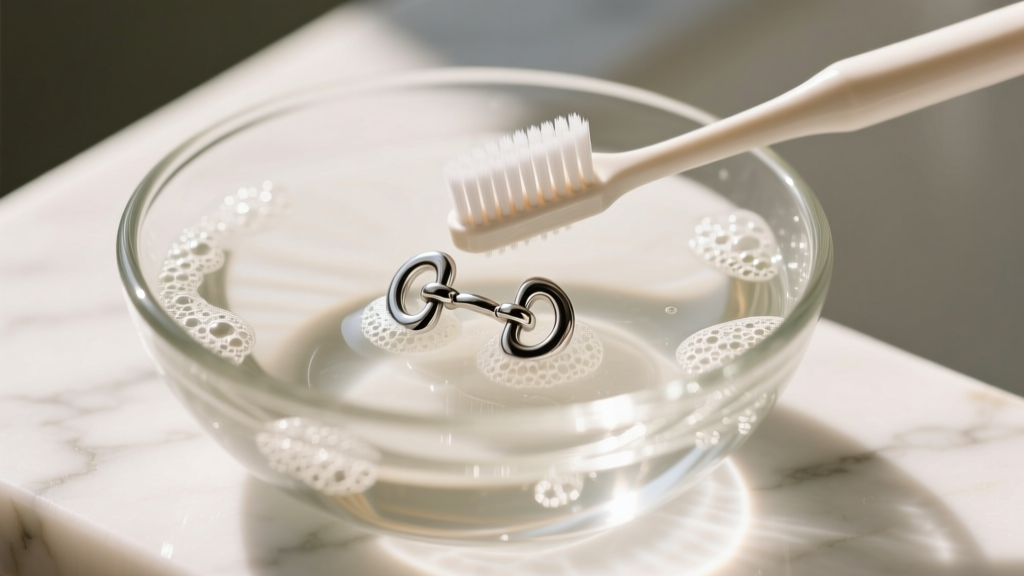
- Preparation: Fill a small glass bowl with lukewarm water (approximately 85°F or 29°C). Hot water can compromise the structural integrity of certain jewelry adhesives if your horsebit features inlaid mother-of-pearl or enamel.
- Emulsification: Add three drops of a phosphate-free, mild dish soap (such as Dawn or a dedicated jewelry wash). Swirl to create a light lather. Avoid soaps with heavy moisturizers or citrus extracts, which can leave a film or react with copper alloys.
- Soaking: Submerge the horsebit earrings and let them soak for 10 to 15 minutes. This allows the surfactants in the soap to break down the lipid bonds of the trapped sebum.
- Precision Agitation: Remove the earrings and use an extra-soft baby toothbrush to gently sweep the surface. For the interstitial gaps between the bar and the rings, use a wooden toothpick or a soft silicone interdental brush (like a TePe brush) to carefully dislodge hardened debris without scratching the metal.
- Rinsing and Drying: Rinse thoroughly under a gentle stream of distilled water to prevent hard water spots. Pat dry with a lint-free microfiber cloth, and use a hair dryer on the 'cool' setting to blow moisture out of the hinge barrels and overlapping joints.
Tackling Tarnish in Intricate Crevices
If your sterling silver horsebit earrings have developed stubborn black tarnish in the recesses of the double bar, mechanical wiping will not suffice. You must use a targeted chemical reduction method.
Create a paste using baking soda and a few drops of distilled water. Using a cotton swab, apply the paste strictly to the tarnished crevices. The mild alkalinity of the baking soda helps lift the silver sulfide. Gently work the paste into the joint with a soft-bristled brush, then rinse immediately. For severe tarnish, a professional-grade silver polishing foam applied with a microfiber swab offers more control than liquid dips, ensuring you do not accidentally strip the rhodium plating that often lines the inner post of the earring.
Proper Storage to Prevent Interlocking Ring Scratches
The interlocking nature of the horsebit design means the rings are in constant, slight friction with one another. When stored improperly, this friction, combined with the hardness of the metal, leads to micro-scratches and permanent dulling of the high-polish finish.
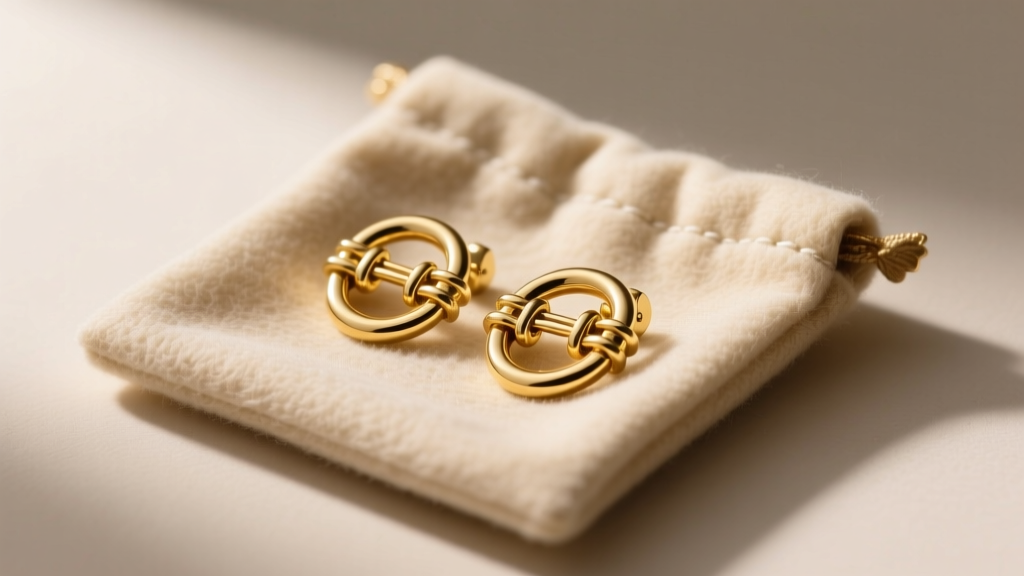
- Individual Flannel Pouches: Never toss multiple pairs of horsebit earrings into a single compartment. Store each pair individually in a soft, untreated flannel pouch. Flannel is lint-free and provides a breathable environment that reduces moisture buildup.
- Anti-Tarnish Strips: If you own sterling silver or copper-alloy horsebits, place a 3M anti-tarnish strip or a piece of Pacific Silvercloth inside the storage drawer. These materials absorb airborne sulfur compounds before they can react with your jewelry.
- Lay Flat, Do Not Hang: While hanging earrings on a display tree looks attractive, gravity can cause the interlocking rings of heavy horsebit hoops to pull against the hinge post, leading to metal fatigue over time. Always store them flat.
What to Avoid: Common Horsebit Ruining Mistakes
Many well-intentioned jewelry owners accidentally ruin their pieces by relying on outdated cleaning myths. Below is a definitive guide on what to keep away from your horsebit earrings.
| Cleaning Agent / Method | Solid Gold | Gold Vermeil | Sterling Silver | Expert Verdict |
|---|---|---|---|---|
| Ultrasonic Cleaners | Safe | Unsafe | Use with caution | Cavitation strips vermeil plating and can loosen hinge pins. |
| Toothpaste (Whitening) | Unsafe | Unsafe | Unsafe | Hydrated silica in toothpaste causes severe micro-scratching. |
| Liquid Silver Dip | N/A | Unsafe | Safe (Short term) | Dips contain thiourea, which can cause pitting if left too long. |
| Alcohol / Hand Sanitizer | Safe | Risky | Safe | High alcohol content can degrade the protective e-coatings on vermeil. |
Pro Tip from the Bench: If your horsebit earring's hinge becomes stiff or squeaky after cleaning, do not use WD-40 or household oils. Apply a microscopic drop of synthetic watch oil (like Moebius 9010) to the hinge pin using a fine needle. This will lubricate the joint without attracting dust or degrading the metal.
Maintaining the brilliant finish of your horsebit earrings requires a shift from aggressive scrubbing to strategic, gentle emulsification. By respecting the specific metallurgical properties of your pieces and paying close attention to the overlapping joints, you can ensure that the iconic interlocking rings remain as flawless as the day you acquired them. For further reading on precious metal maintenance, the Smithsonian Institution's conservation guidelines offer excellent foundational knowledge on preserving historical and modern silver alloys.


