Stud Earrings Lab Diamond: The Ultimate Beginner Guide
Discover everything about stud earrings lab diamond options. Learn about the 4Cs, ideal carat sizes, metal pairings, and pricing in this beginner guide.

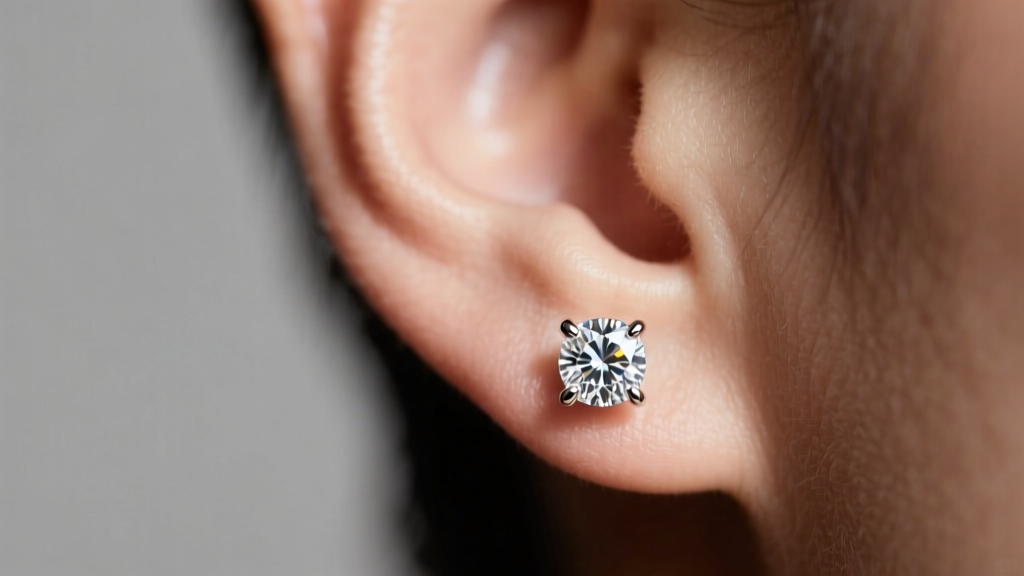
If you are stepping into the world of fine jewelry for the first time, navigating the terminology can feel overwhelming. When it comes to everyday elegance, stud earrings lab diamond options have completely revolutionized the market. They offer the exact same physical, chemical, and optical properties as mined diamonds, but at a fraction of the cost and environmental impact. This beginner-friendly explainer will decode the science, the 4Cs, and the structural details you need to make a confident purchase.
What Exactly is a Lab-Grown Diamond?
Before we dive into settings and carat weights, it is crucial to understand what you are buying. According to the Gemological Institute of America (GIA), lab-grown diamonds are not simulants like cubic zirconia or moissanite. They are pure carbon crystals grown in highly controlled laboratory environments using advanced technological processes that duplicate the conditions under which diamonds naturally develop.
There are two primary methods used to create these stones:
- High Pressure High Temperature (HPHT): Mimics the earth's crushing forces. Best for smaller stones and certain color grades.
- Chemical Vapor Deposition (CVD): Uses a hydrocarbon gas mixture in a vacuum chamber. CVD is the dominant method in 2026 for high-clarity, larger gem-quality studs.
Decoding the 4Cs for Everyday Studs
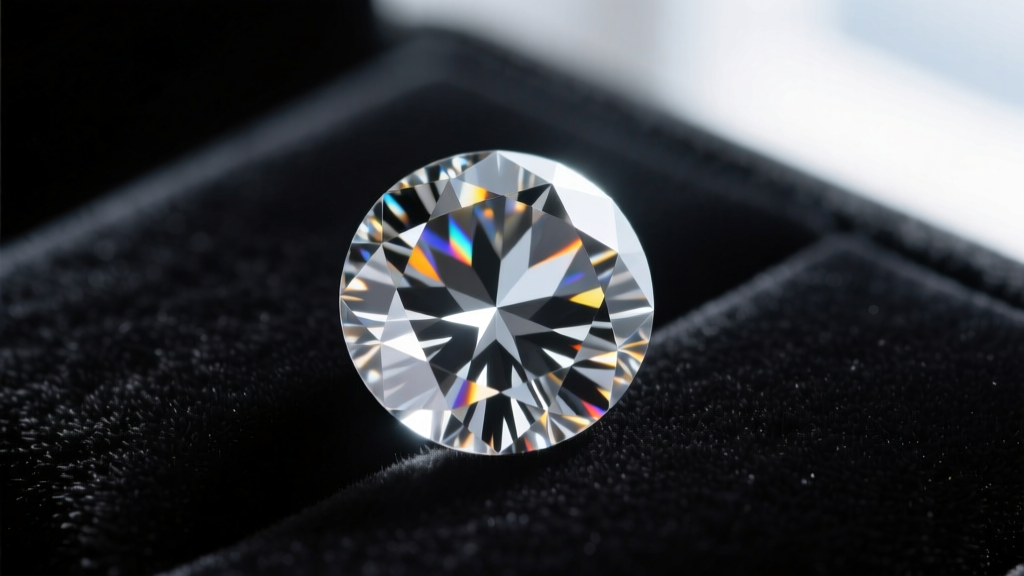
When shopping for a stud earrings lab diamond pair, you do not need to pay top dollar for flawless grades. Because studs sit on the earlobe—typically a foot or more away from the observer's eye—you can strategically compromise on certain grades without sacrificing visual beauty.
Cut: Never Compromise Here
Cut is the only 'C' that dictates a diamond's sparkle. For round brilliant studs, look for an 'Excellent' or 'Ideal' cut grade. Specifically, you want a table percentage between 54% and 58%, and a depth percentage between 59% and 62.5%. A poorly cut diamond will look dull, even if it has perfect color and clarity.
Color: The Metal Matching Trick
Diamond color is graded from D (colorless) to Z (light yellow). For white gold or platinum settings, stick to the G-H range (near-colorless). The white metal reflects through the stone, masking slight warmth. If you prefer 14k or 18k yellow gold, you can safely drop down to the I-J range. The yellow metal will reflect its own color into the stone anyway, making higher color grades a waste of money.
Clarity: Eye-Clean is the Goal
The International Gemological Institute (IGI) grades clarity on a scale from Flawless to Included. For studs, VS1 or VS2 (Very Slightly Included) is excellent, but SI1 (Slightly Included) is the ultimate sweet spot for budget-conscious buyers. As long as the SI1 stone is 'eye-clean' (no visible black carbon spots to the naked eye), no one will notice the inclusions from a conversational distance.
Carat Weight and Face-Up Size Chart
Carat weight refers to the total mass of the diamonds. Note that jewelers usually sell studs by Total Carat Weight (CTW). A 1.00 CTW pair means each earring is 0.50 carats. Here is a practical sizing and pricing framework for 2026:
| Total Carat Weight (CTW) | Individual Carat Size | Approximate MM Diameter | Estimated Lab Price Range |
|---|---|---|---|
| 0.50 CTW | 0.25 ct each | 4.1 mm | $150 - $250 |
| 1.00 CTW | 0.50 ct each | 5.0 mm | $350 - $600 |
| 2.00 CTW | 1.00 ct each | 6.4 mm | $700 - $1,200 |
| 3.00 CTW | 1.50 ct each | 7.4 mm | $1,300 - $2,200 |
Pro Tip: If you have a smaller face or petite earlobes, a 1.00 CTW (5.0mm) pair will look substantial and elegant. For larger features or a bold, glamorous aesthetic, opt for the 2.00 CTW size.
Choosing the Right Setting and Metal
The setting dictates both the security and the light performance of your studs. The three most common styles are:
- Martini (3-Prong): Allows maximum light to enter the stone from the sides, enhancing sparkle. However, the post is soldered to the bottom point, which can sometimes cause the earring to droop on thinner earlobes.
- 4-Prong Basket: The most traditional and secure option. The flat basket base sits flush against the earlobe, providing excellent support for heavier stones.
- Bezel: A modern rim of metal completely encircles the diamond. While it sacrifices a tiny bit of edge sparkle, it is completely snag-free and highly secure.
Regarding the post gauge (thickness), standard earrings use a 20-gauge (0.81mm) post. However, if you are buying 2.00 CTW or larger, ensure the jeweler uses an 18-gauge (1.02mm) or 19-gauge (0.91mm) post to prevent the heavy diamonds from bending the metal and drooping downward. Furthermore, while 14k white gold is popular and affordable, it requires rhodium plating every few years to maintain its bright white color. Platinum is naturally white, denser, and far more durable for holding prongs securely over decades of daily wear.
Certification: Why IGI and GCAL Rule the Lab Market
When purchasing a stud earrings lab diamond pair, the grading report is your roadmap. While the GIA invented the 4Cs, their lab-grown reports are often digital-only and use broad color/clarity ranges (e.g., 'Colorless' or 'Very Slightly Included'). In 2026, savvy buyers rely on the IGI or GCAL. These labs provide exact grades (like 'G' color and 'VS1' clarity) on physical or secure digital certificates, ensuring you know precisely what you are paying for. Never buy lab studs over 0.50 carats each without a verifiable certificate number laser-inscribed on the diamond's girdle.
Securing Your Investment: Backing Types
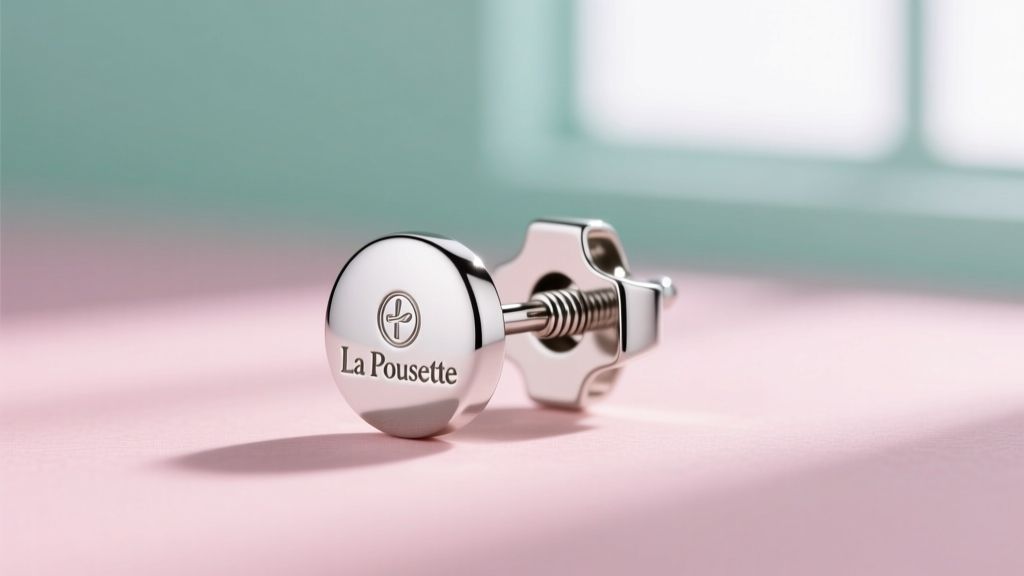
Losing a lab diamond stud is a heartbreak you can easily avoid by choosing the correct earring back. Standard friction backs (push backs) rely on a tiny groove on the post. Over time, the metal wears down, and they can slip off when removing a sweater or brushing your hair.
For valuable studs, upgrade to one of these secure options:
- Screw Backs: The post is threaded, and the back twists on. Highly secure, but they can be tedious to put on and require care to avoid cross-threading the delicate metal.
- La Pousette (Locking) Backs: The gold standard for fine jewelry. These feature a mechanical spring-loaded clip that snaps securely into a groove on the post. They are as secure as screw backs but infinitely easier to operate.
Final Thoughts for First-Time Buyers
Investing in a stud earrings lab diamond pair is one of the smartest jewelry decisions a beginner can make. You get the prestige, durability (a perfect 10 on the Mohs scale), and fiery brilliance of a diamond, while keeping thousands of dollars in your pocket. Focus your budget on an Ideal cut, choose a 4-prong basket for structural support, demand an IGI certificate, and never skip the La Pousette locking backs. With these specific parameters in mind, you are fully equipped to find your perfect, lifelong pair of diamond studs.


