Claire's Earrings for Piercing: A Safety & Material Guide
Discover the truth about Claire's earrings for piercing. We analyze material grades, post designs, and safety standards to help you make an informed choice.

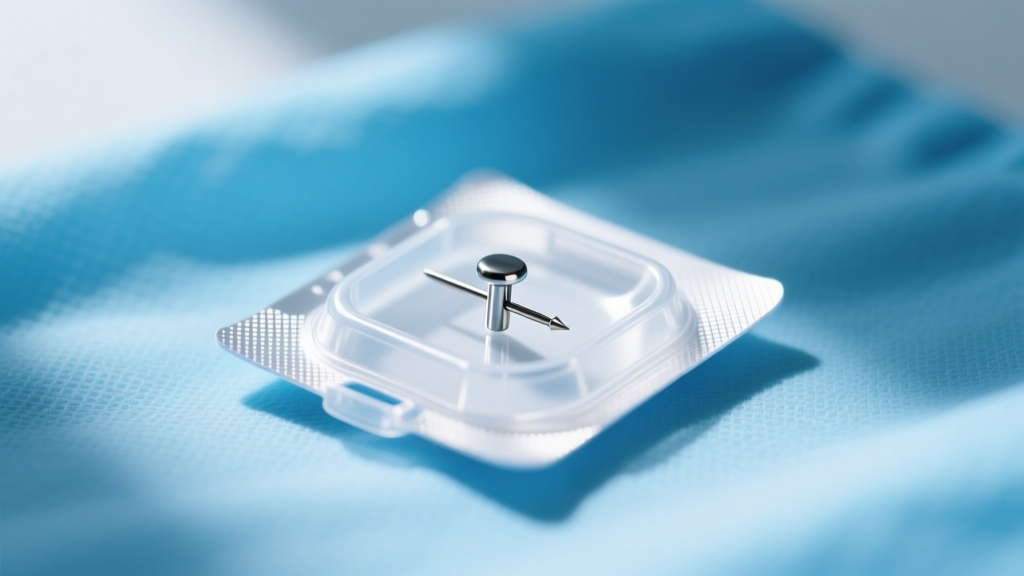
The Appeal and the Controversy of Mall Piercings
For decades, getting your ears pierced at the local mall has been a rite of passage. The convenience, the immediate gratification, and the vast selection of starter jewelry make it an attractive option for parents and teens alike. However, as body modification standards have evolved, so has the scrutiny surrounding the tools and jewelry used in these retail environments. If you are researching Claire's earrings for piercing, you are likely looking for clarity amidst a sea of conflicting online opinions. Are the materials truly safe for sensitive skin? How does the piercing method affect long-term healing?
As jewelry and piercing standards have advanced significantly by 2026, the gap between retail mall piercings and professional body piercing studios has become a critical topic of discussion among dermatologists and professional piercers. This guide breaks down the exact metallurgy, mechanical forces, and post-design realities of Claire's piercing studs, providing you with the expert knowledge needed to make an informed, safe decision for your ear health.
Metallurgy 101: What Are Claire's Piercing Studs Actually Made Of?
The most critical factor in any piercing jewelry is its material composition. When skin is punctured, the body's immune system is immediately exposed to the foreign object. If the material contains reactive alloys, the body will mount an inflammatory response, leading to contact dermatitis, delayed healing, or chronic infection.
Claire's primarily offers piercing studs made from what they term "Surgical Steel," alongside options for gold-plated or white gold-plated variants. In the jewelry industry, "surgical steel" is a marketing term, not a regulated metallurgical standard. Most retail surgical steel is 316L stainless steel. While 316L is perfectly safe for healed piercings and external wear, it contains between 8% and 10.5% nickel. When exposed to the chloride ions present in human sweat and lymphatic fluid during the healing process, 316L steel can leach nickel into the wound bed.
According to the Mayo Clinic, nickel allergy is one of the most common causes of allergic contact dermatitis. Once a nickel allergy is triggered, it is typically lifelong. In contrast, professional piercing studios utilize Implant-Grade Titanium (specifically Ti6Al4V, meeting ASTM F138 standards), which is entirely nickel-free and biologically inert, making it the gold standard for fresh puncture wounds.
| Feature | Standard Claire's Piercing Studs | Professional Piercer Implant Jewelry |
|---|---|---|
| Primary Material | 316L Surgical Steel, Plated Brass | Implant-Grade Titanium (ASTM F138), Solid 14k/18k Gold |
| Nickel Content | 8% - 10.5% (Risk of leaching in open wounds) | 0% (Completely nickel-free) |
| Surface Finish | Standard polish (microscopic pitting possible) | Mirror polish (prevents bacterial adhesion) |
| Alloy Stability | Plating can wear off, exposing base metals | Solid alloy, no plating to degrade |
The Mechanics of Tissue Trauma: Gun vs. Needle
To understand the safety of Claire's earrings for piercing, we must also examine how they are inserted. Traditional piercing guns operate using blunt force trauma. The earring stud itself acts as the piercing instrument, being forced through the earlobe via a spring-loaded or squeeze-activated mechanism.
This method essentially crushes the tissue to create a hole, rather than cleanly removing a small core of flesh as a hollow, medical-grade needle does. The Association of Professional Piercers (APP) notes that blunt force trauma causes significantly more cellular damage, leading to increased swelling, prolonged healing times, and a higher risk of hypertrophic scarring (those hard, raised bumps that form around the piercing site). Furthermore, the thick plastic cassettes used to hold the studs in the gun limit the piercer's visibility and precision, making it difficult to achieve the perfect anatomical angle required for the earring to sit flush and heal correctly.
While some retail locations have begun adopting single-use, sterile cartridge systems that mimic a needle-like push, the fundamental issue remains: the jewelry being pushed through the tissue is still a blunt, thick-posted stud designed for mass manufacturing, not precision medical insertion.
The "Butterfly Back" Dilemma: Swelling and Infection Risks
Perhaps the most significant design flaw in standard retail piercing earrings is the post and backing system. Claire's earrings for piercing universally utilize a friction-backed "butterfly" clutch. From an anatomical and hygienic perspective, this design presents multiple challenges for a fresh wound.
1. The Swelling Accommodation Problem
When an earlobe is pierced, it will inevitably swell. Professional piercers use long, flat-back labret posts (typically 8mm to 10mm in length) to accommodate this initial swelling, downsizing to a shorter post only after the swelling subsides. Retail piercing studs often have a fixed, relatively short post. If the earlobe swells beyond the length of the post, the butterfly back can become embedded in the flesh, requiring medical intervention to remove.
2. The Bacterial Trap
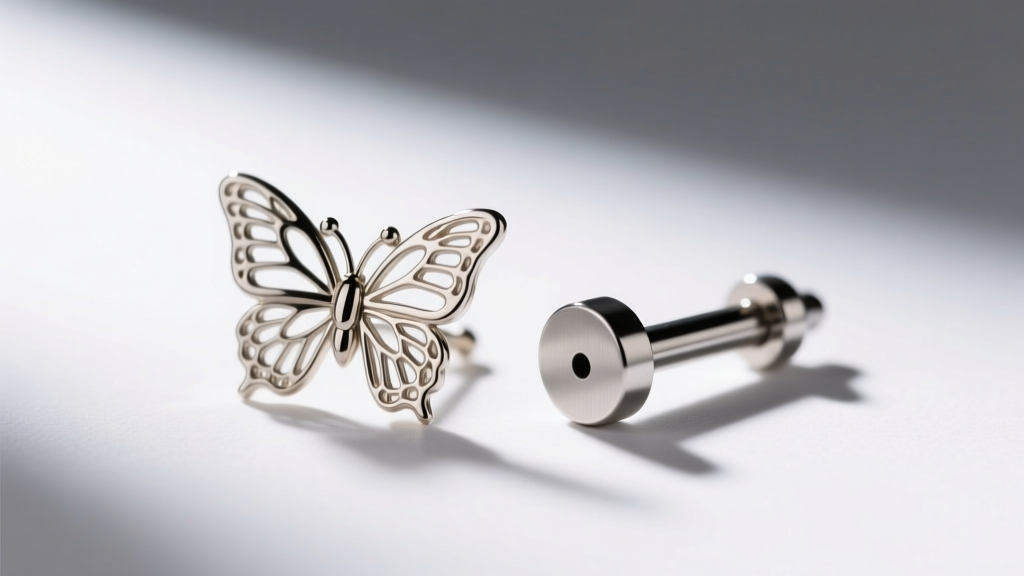
The butterfly clutch features multiple crevices, sharp angles, and a tight coil spring mechanism. These microscopic pockets are impossible to clean thoroughly with standard saline solution. Dead skin cells, sebum, soap residue, and moisture become trapped against the open wound bed, creating an ideal breeding ground for Staphylococcus and Pseudomonas bacteria. Professional flat-back labrets, conversely, feature a smooth, solid disc that sits flush against the back of the ear, eliminating debris traps entirely.
Actionable Aftercare: Protecting Your New Piercing
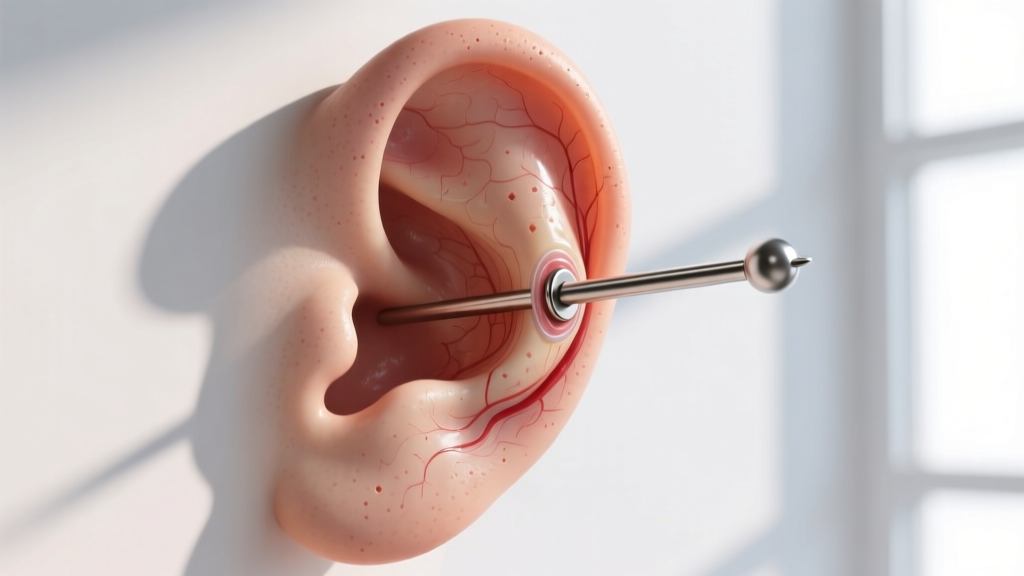
If you or your child have already been pierced using Claire's earrings, rigorous and correct aftercare is non-negotiable to prevent infection and minimize scarring. Abandon outdated advice regarding twisting the jewelry or using harsh chemicals.
- Use Only Sterile Saline: Purchase a sterile wound wash containing only 0.9% sodium chloride and purified water. Spray the front and back of the piercing twice daily. Avoid Claire's branded aftercare solutions if they contain benzalkonium chloride or alcohol, as these cytotoxic ingredients kill the new, fragile cells your body is producing to heal the fistula (the piercing tunnel).
- Never Twist the Jewelry: Twisting the stud tears the delicate healing tissue and forces bacteria from the exterior into the wound channel. Let the saline do the work of softening any lymphatic crusties.
- Monitor the Backing: Check the butterfly back daily. Ensure it is not pressed tightly against the skin. It should rest loosely on the post to allow for swelling and airflow. If the earlobe begins to engulf the backing, seek immediate help from a professional piercer or healthcare provider to swap the jewelry for a longer titanium post.
- Avoid Early Changes: Do not remove the initial piercing studs for at least 6 to 8 weeks. The fistula takes months to fully mature; removing the jewelry too early will result in the hole shrinking or closing completely within hours.
Final Verdict: Making the Right Choice for Your Ears
When evaluating Claire's earrings for piercing, the decision ultimately comes down to weighing convenience against biological safety and long-term tissue health. While the immediate appeal of a mall piercing is undeniable, the use of nickel-bearing surgical steel, the blunt-force insertion method, and the hygienic risks of butterfly backs present measurable drawbacks.
For those with sensitive skin, a history of metal allergies, or anyone seeking a perfectly angled, low-trauma piercing, consulting an APP-certified professional piercer who uses implant-grade titanium and hollow needles remains the gold standard. However, if you choose the retail route, strict adherence to sterile saline aftercare and vigilant monitoring of the jewelry's fit are essential to ensuring your new earrings remain a source of joy, rather than a medical complication.


