Troubleshooting Diamond Solitaire Drop Earrings: Expert Fixes
Expert troubleshooting for diamond solitaire drop earrings. Fix lobe droop, prong snags, and dull stones with our structural repair guide.

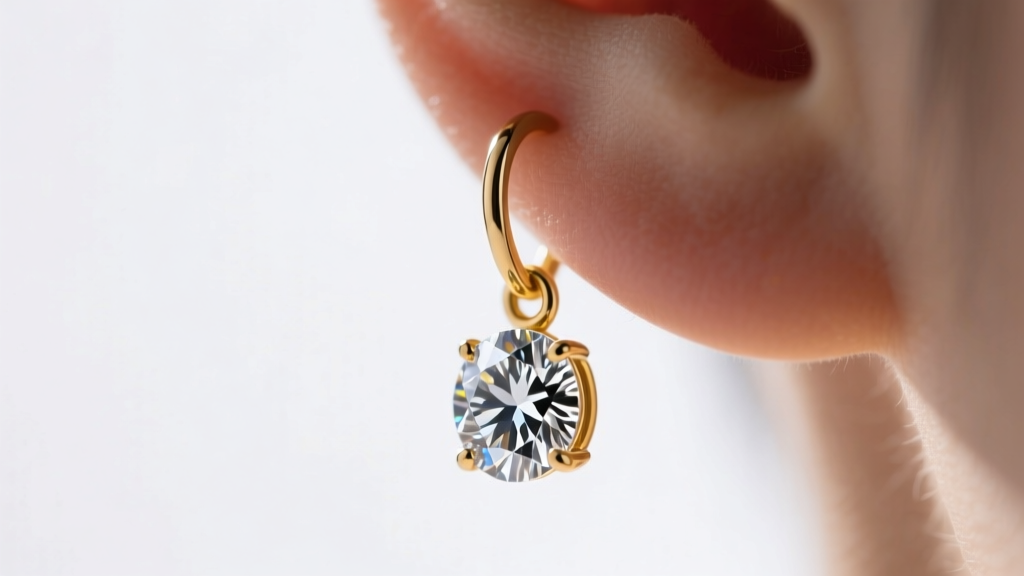
The Physics of Lobe Droop: Why Your Drops Tilt Forward
Diamond solitaire drop earrings combine the timeless brilliance of a classic stud with the kinetic, light-catching elegance of a dangle. However, the very feature that makes them beautiful—the suspended drop—introduces a unique set of structural and physical challenges. The most common complaint among wearers is "lobe droop," where the earring tilts forward, pointing the diamond toward the floor rather than showcasing it to the world.
This happens due to the center of gravity. A 1.50-carat diamond set in a platinum martini drop setting can easily weigh over 0.4 grams. When this weight is suspended below the earlobe via a delicate chain or jump ring, it creates a lever effect on the earring post. If your earrings are fitted with a standard 20-gauge (0.81mm) post, the metal simply lacks the rigidity to hold the drop upright against the natural downward pull of gravity and the soft tissue of the earlobe.
Actionable Fixes for Forward Tilt
- Upgrade the Post Gauge: Take your earrings to a bench jeweler and request an upsized post. Moving from a 20-gauge to an 18-gauge (1.02mm) or even a 16-gauge (1.29mm) post dramatically increases structural rigidity. Note that 18k gold is softer than 14k gold or platinum; if your drops are heavy, platinum or 14k white gold posts are vastly superior for preventing bending.
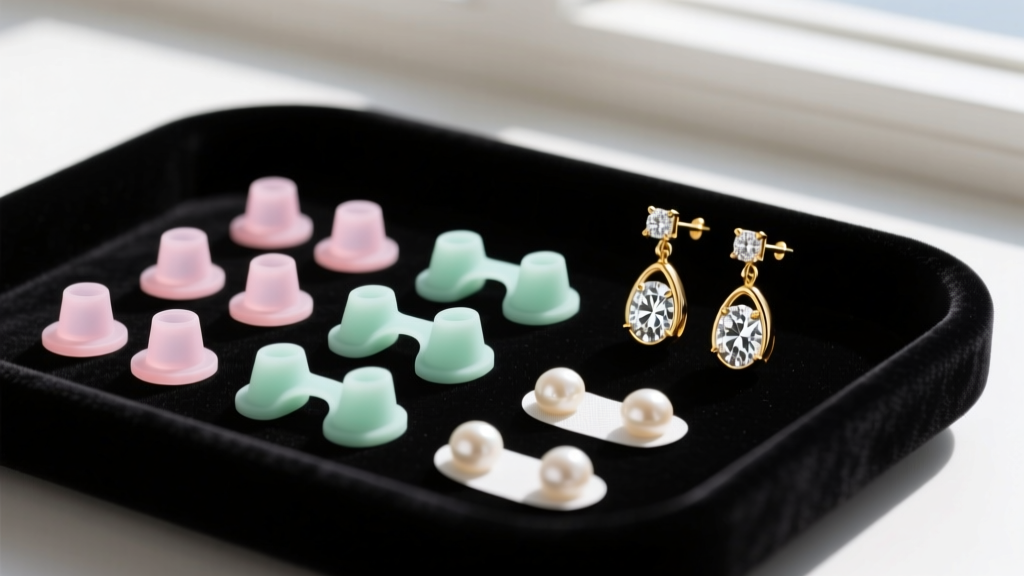
- Utilize Lobe Support Patches: Products like LobeWonder are adhesive, hypoallergenic patches that apply to the back of the earlobe. They create a rigid backstop that distributes the weight of the drop earring across a wider surface area, instantly correcting forward tilt.
- Switch to La Pousette Backs: Standard butterfly friction backs often fail to support heavy drops. Upgrading to La Pousette (push-lever) backs or jumbo silicone O-rings provides a wider surface area against the ear, stabilizing the post and reducing the pivot point that causes drooping.
The Jump Ring Vulnerability: Preventing Catastrophic Loss
The connection point between the upper stud and the lower diamond drop is the single greatest point of failure on these earrings. Typically, this connection relies on a tiny jump ring. In mass-produced jewelry, these jump rings are often unsoldered, meaning there is a microscopic slit where the two ends of the wire meet.
Because drop earrings swing with your movement, this kinetic energy constantly works the jump ring against the connecting loop. Over time, friction wears down the metal, or a sudden snag on a sweater can pull the unsoldered ring open, resulting in the loss of the diamond drop. As of 2026, micro-laser welding technology has become a standard offering at most reputable jewelry repair benches, making it easier than ever to permanently secure these weak points.
"Never rely on an unsoldered jump ring for a diamond drop earring. The swinging motion acts like a slow-motion saw against the connecting loop. Always have your jeweler laser-weld the jump ring shut or replace it with a solid figure-8 safety link." — Master Bench Jeweler
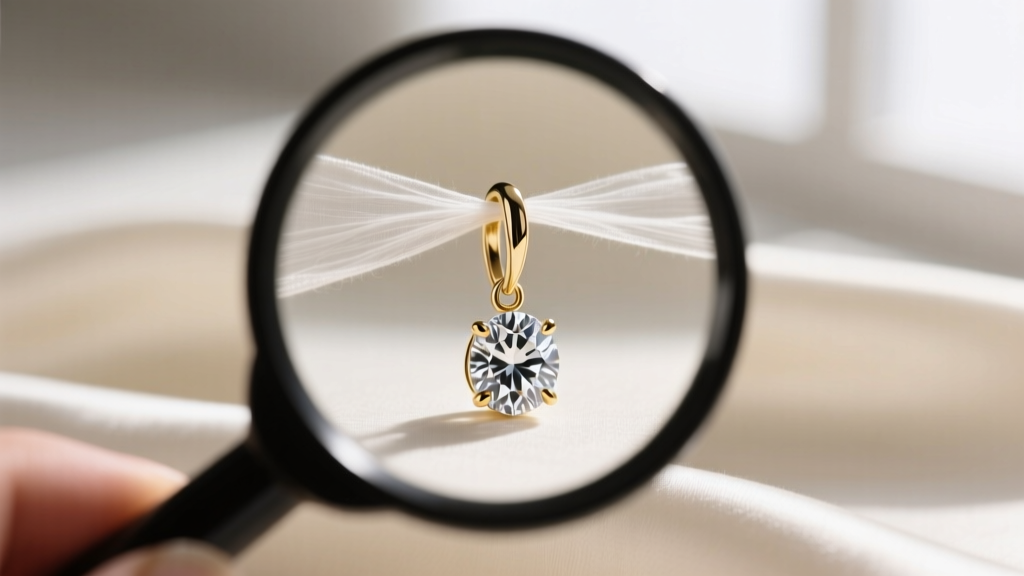
The Fix: Inspect the jump ring with a 10x jeweler's loupe. If you see a seam, take the earrings to a professional to be laser-welded. This fuses the metal seamlessly without heating the diamond, which could otherwise cause thermal shock or damage fracture-filled stones.
Prong Snags on the Move: Martini vs. Basket Settings
Unlike stationary studs, diamond solitaire drop earrings are in constant motion. This swinging action drastically increases the likelihood of prongs catching on hair, silk blouses, or lace. The profile of your setting dictates your snag risk and the long-term security of your diamond.
| Setting Style | Snag Risk | Metal Wear & Tear | Best Use Case |
|---|---|---|---|
| 3-Prong Martini | High (Sharp V-tips) | Prongs wear down faster due to less metal mass | Maximizing light return; occasional wear |
| 4-Prong Basket | Medium (Rounded tips) | Moderate; gallery wire adds structural support | Daily wear; active lifestyles |
| 6-Prong Crown | Low (Tight, rounded) | Low; excellent diamond protection | Heirloom pieces; high-carat weight drops |
If your martini prongs are constantly catching, do not simply push them down yourself with pliers. This can work-harden the gold or platinum, making it brittle and prone to snapping. A jeweler can carefully file and round the prong tips, or perform a "prong retip" using laser welding to add fresh metal to worn-down prongs without removing the diamond.
The Under-Bezel Grime Trap: Restoring Optical Brilliance
Diamonds are inherently lipophilic (grease-attracting) and hydrophobic (water-repelling). According to the Gemological Institute of America (GIA), this means diamonds readily attract skin oils, lotions, and hairsprays. On a drop earring, the underside of the diamond (the pavilion) and the delicate connecting chain act as a trap for this debris.
When the pavilion is coated in oil, light leaks out of the sides of the stone rather than reflecting back through the table, making a high-clarity diamond look cloudy and dead. Furthermore, the tiny chain links connecting the stud to the drop accumulate a hardened paste of dead skin and soap that cannot be wiped away with a cloth.
The Safe Cleaning Protocol for Drops
- Avoid Ultrasonic Cleaners for Older Drops: While ultrasonic cavitation is excellent for cleaning diamonds, the high-frequency vibrations can easily shake loose a worn jump ring or weaken a fragile solder point on an older chain link.
- The Ammonia Soak: Mix one part clear household ammonia with six parts warm distilled water. Soak the earrings for 15 minutes to break down the lipid bonds of the oils.
- Targeted Brushing: Use an extra-soft baby toothbrush. Brush specifically from the back of the diamond (the culet) pushing outward, and gently thread the bristles through the chain links.
- The Rinse & Dry: Rinse under warm running water (ensure the drain is plugged!) and dry with a lint-free microfiber cloth. Avoid paper towels, which can leave microscopic fibers caught in the prongs.
Structural Red Flags: When to Halt Wear Immediately
Routine maintenance is the difference between a lifelong heirloom and a devastating loss. The Jewelers of America recommends professional inspections every six months for frequently worn fine jewelry. However, you should perform your own visual checks monthly.
Stop wearing your diamond solitaire drop earrings and see a jeweler immediately if you notice:
- Creased or Bent Posts: If the post has a visible bend or crease near the base of the stud, the metal has been fatigued. A bent post will eventually snap off inside the earlobe or at the solder joint.
- Rattling Sounds: Gently tap the earring against your finger. If you hear a faint buzzing or rattling, the diamond is loose in the basket. The drop motion has likely stretched the gallery wire or lifted a prong.
- Thinning Gallery Wires: Look at the side profile of the drop setting. If the metal wire wrapping around the base of the diamond looks paper-thin or concave, it is wearing away from friction against your neck and hair. It requires immediate laser welding to rebuild the metal.
- Asymmetrical Swinging: If one earring swings freely but the other hangs stiffly, the internal connecting loop may be clogged with debris or slightly bent, putting uneven stress on the jump ring.
By understanding the unique mechanical stresses placed on diamond solitaire drop earrings, you can transition from reactive repairs to proactive preservation. Upgrading your post gauges, securing your jump rings, and maintaining a strict cleaning regimen will ensure your drops remain as brilliant and secure as the day they were crafted.


