Best Silver Teardrop Hoop Earrings: Sterling vs Argentium Guide
Compare sterling, Argentium, and plated silver teardrop hoop earrings. Discover metal grades, tarnish rates, and hypoallergenic properties.

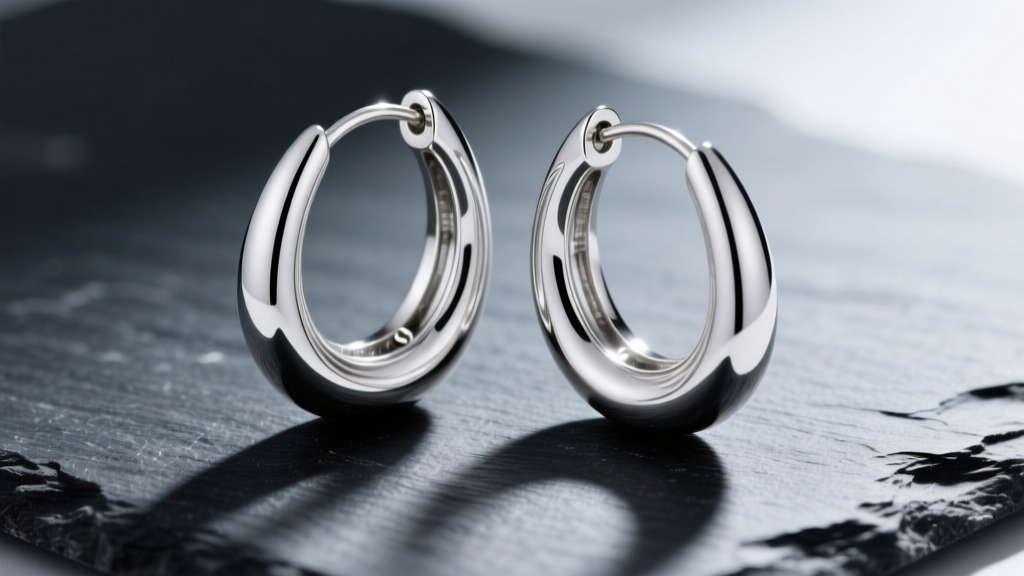
The Physics of the Teardrop Hoop
Teardrop hoops are a masterclass in jewelry design, merging the continuous, face-framing geometry of a traditional hoop with the elongated, elegant silhouette of a drop earring. However, when shopping for silver teardrop hoop earrings, the term "silver" is dangerously ambiguous. Because of their unique shape, teardrop hoops experience different gravitational stress than standard circular hoops. The center of gravity sits lower, creating a subtle pendulum effect that places concentrated tension on the ear wire and the lobe piercing. This makes the metallurgical properties of the silver alloy critical for both durability and comfort.
In this comprehensive material guide, we dissect the differences between 925 sterling silver, Argentium silver, and silver-plated alternatives, providing you with the exact specifications needed to make an informed purchase in 2026.
According to the Gemological Institute of America (GIA), pure silver is too soft for functional jewelry; the specific alloying metals used dictate not only the tensile strength but the long-term chemical stability and tarnish resistance of the piece.
Decoding "Silver": 925 Sterling vs. Argentium vs. Plated
Not all silver is created equal. The market is flooded with pieces stamped with misleading hallmarks. Here is a deep dive into the three most common metal grades used for teardrop hoops.
925 Sterling Silver (The Industry Standard)
Sterling silver consists of 92.5% pure silver and 7.5% alloying metals, almost always copper. The copper provides the necessary tensile strength to prevent the ear wire from bending under the weight of the teardrop loop. However, copper is highly reactive. When exposed to sulfur compounds in the air, sweat, and cosmetics, the copper oxidizes, forming silver sulfide—the black tarnish that plagues sterling silver jewelry. While 925 sterling is a premium, durable metal, it requires regular maintenance to keep its high-polish finish.
Argentium Silver (The Tarnish-Resistant Upgrade)
Argentium silver is a modern metallurgical triumph. Available in 935 (93.5% silver) or 960 (96% silver) grades, Argentium replaces a portion of the copper alloy with germanium. When exposed to oxygen, the germanium forms a transparent, self-healing germanium oxide layer on the surface of the metal. This layer acts as a shield, drastically slowing down the tarnishing process. For daily-wear silver teardrop hoop earrings, Argentium is vastly superior to traditional sterling, retaining its bright white luster for years with minimal upkeep.
Silver-Plated Brass and Copper (The Budget Trap)
Many fast-fashion brands sell "silver" teardrop hoops that are actually brass or copper cores coated in a microscopic layer of silver. The longevity of these pieces depends entirely on the plating thickness:
- Flash Plating (< 0.5 microns): Wears off within weeks of daily use, exposing the reactive base metal and turning the earlobe green.
- Micron Plating (1.0 - 2.5 microns): Offers moderate durability but will eventually wear through at high-friction points, such as the ear wire clasp and the bottom curve of the teardrop.
Material Properties Comparison Chart
| Metal Grade | Silver Content | Tarnish Resistance | Hypoallergenic | Avg. Price Range |
|---|---|---|---|---|
| 925 Sterling | 92.5% | Moderate (Requires polishing) | Usually (Nickel-free) | $45 - $120 |
| Argentium 935 | 93.5% | Exceptional (Self-healing oxide) | Yes (Highly biocompatible) | $80 - $180 |
| Silver-Plated Brass | < 1% (Surface only) | Poor (Wears and tarnishes) | No (Brass contains zinc/copper) | $15 - $40 |
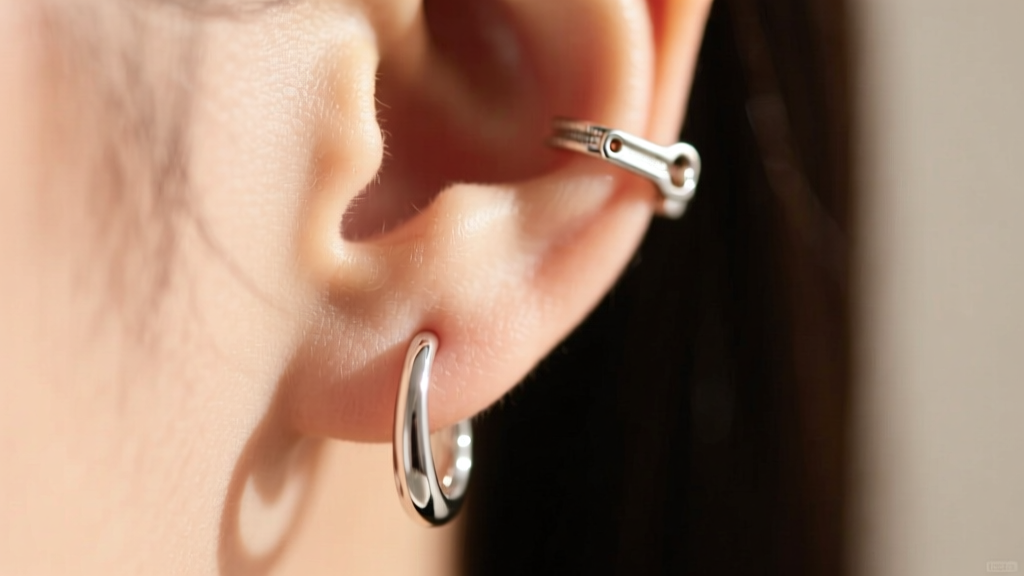
Hypoallergenic Realities and Nickel Sensitivities
When evaluating silver teardrop hoop earrings for sensitive ears, the hallmark "925" is not a guaranteed safe pass. The American Academy of Dermatology (AAD) notes that nickel allergy is the most common cause of allergic contact dermatitis, affecting up to 20% of the population.
While authentic US and European sterling silver uses copper as the alloy, unregulated overseas manufacturers sometimes cut costs by alloying silver with nickel, cadmium, or cheap zinc. If your earlobes become itchy, red, or weeping after wearing a pair of "sterling" hoops, the alloy is likely compromised. Argentium silver, by contrast, is strictly regulated and inherently nickel-free, making it the safest choice for newly pierced or highly reactive lobes.
Gauge, Weight, and Lobe Elongation Risks
The physical dimensions of your teardrop hoops are just as important as the metal grade. Because the teardrop shape concentrates weight at the bottom of the loop, heavy designs can cause the "cheese-cutter effect," where the ear wire slowly slices through the lobe tissue, causing permanent elongation.
Understanding Wire Gauge
- 22-Gauge (0.64mm): Too thin for teardrop hoops. Prone to warping and snapping under the pendulum stress of the elongated shape.
- 20-Gauge (0.81mm): The standard for lightweight, delicate teardrop hoops. Suitable for designs weighing under 5 grams.
- 18-Gauge (1.02mm): The ideal sweet spot for medium-to-large teardrop hoops. Provides excellent structural integrity without stretching a standard lobe piercing.
- 16-Gauge (1.29mm): Used for heavy, statement-making architectural hoops. Requires a slightly stretched or naturally robust piercing.
Expert Rule of Thumb: If a pair of solid silver teardrop hoops exceeds 12 grams per earring, opt for an 18-gauge wire and consider wearing silicone earring support patches to distribute the weight across a wider surface area of the lobe.
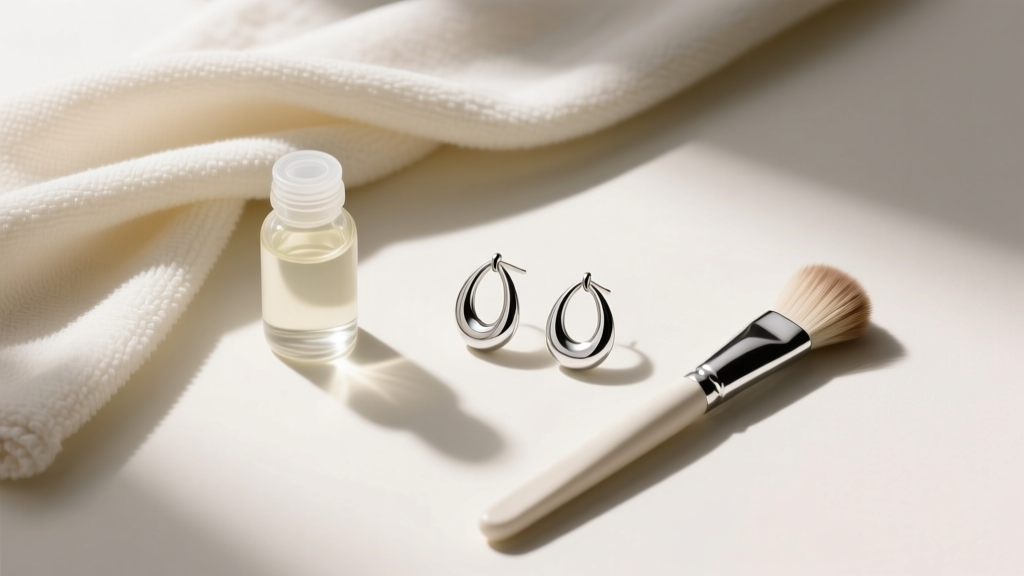
Care and Maintenance Protocols by Metal Type
Proper maintenance extends the lifespan of your earrings and prevents metal fatigue at the solder joints. Tailor your cleaning routine to the specific silver grade:
For 925 Sterling Silver
Use a treated jeweler's cloth (such as a Sunshine cloth) impregnated with micro-abrasives and anti-tarnish agents. Gently rub the high points of the teardrop curve. Avoid liquid silver dips, as they strip the metal's natural patina and can leave a chalky white residue in the crevices of the clasp mechanism.
For Argentium Silver
Because Argentium resists tarnish chemically, it rarely needs aggressive polishing. Simply wash the hoops in warm water with a few drops of pH-neutral dish soap and a soft-bristle baby toothbrush. Rinse thoroughly and dry with a lint-free microfiber cloth. Never use a treated polishing cloth on Argentium, as the chemicals can strip the protective germanium oxide layer.
For Silver-Plated Earrings
Wipe gently with a damp microfiber cloth after each wear to remove sweat and skin oils. Do not use abrasive polishing cloths, as you will rub right through the microscopic silver layer and expose the brass core underneath.
Final Verdict: Which Silver Grade Should You Choose?
If you are investing in a pair of everyday silver teardrop hoop earrings, Argentium 935 is the undisputed winner for 2026. The slight premium in price is entirely offset by the elimination of weekly polishing and the guarantee of a nickel-free, biocompatible alloy. For vintage-inspired or heavily textured designs where a natural dark patina is desired in the crevices, traditional 925 Sterling Silver remains a beautiful, reliable choice—provided you verify the source and commit to routine maintenance. Avoid silver-plated options entirely if you value ear health and long-term wearability.


