How to Clean and Maintain Teardrop Beaded Earrings
Learn expert cleaning and storage tips for teardrop beaded earrings. Protect gemstones, glass, and wire wraps from tarnish and damage.

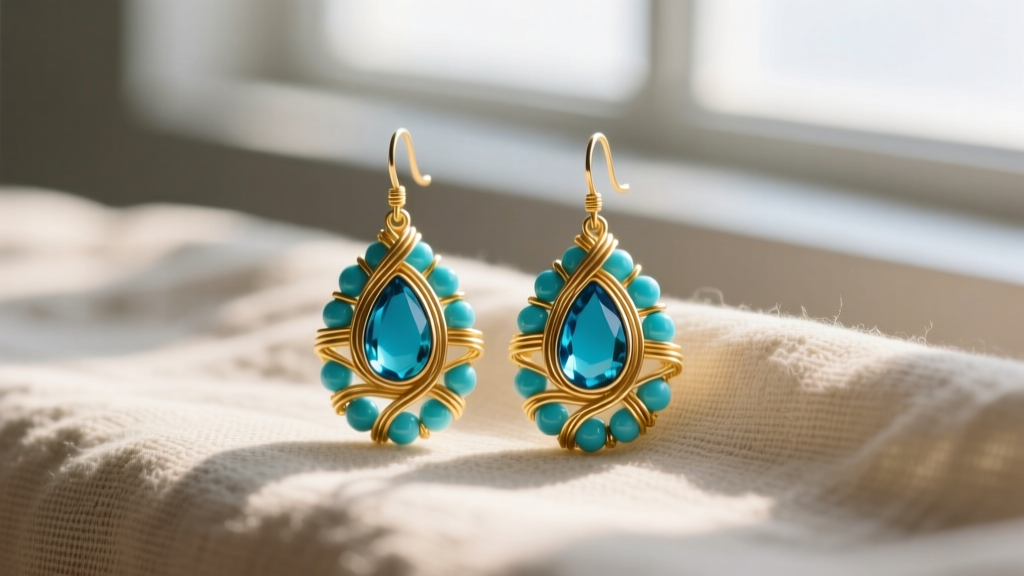
Teardrop beaded earrings are a timeless jewelry staple, offering a graceful silhouette that flatters nearly every face shape. However, their intricate construction—often combining delicate beads, fine wire wrapping, or fragile stringing threads—makes them uniquely vulnerable to improper care. Whether your pair features hand-cut glass, porous turquoise, or meticulously woven seed beads, maintaining their brilliance requires a tailored approach. In this comprehensive guide, we break down the exact cleaning protocols, structural checks, and storage environments needed to preserve your teardrop beaded earrings for years to come.
The Anatomy of Teardrop Beaded Earrings
Before applying any cleaning solution, you must identify how your earrings are constructed. The cleaning method for a beaded teardrop is entirely dictated by its core structure and bead material.
Wire-Wrapped vs. Thread-Strung
- Wire-Wrapped Teardrops: These rely on 24-gauge or 26-gauge wire (often gold-filled, sterling silver, or copper) to create the teardrop frame and secure the beads. The primary risk here is metal oxidation and wire fatigue at the loops.
- Thread-Strung Teardrops: Common in seed bead or pearl designs, these use flexible beading threads like Fireline (a gel-spun polyethylene) or Silamide nylon. Submerging these in harsh chemicals or hot water can degrade the thread's tensile strength, leading to catastrophic breakage.
The Dangers of Improper Cleaning
The most common mistake jewelry owners make is treating all earrings like solid metal hoops or studs. According to gemstone care guidelines from the GIA, porous materials can absorb liquid chemicals, leading to irreversible discoloration or structural fracturing.
Expert Warning: Never place beaded teardrop earrings in an ultrasonic cleaner. The high-frequency vibrations can easily shatter glass beads, strip the foil backing off crystal teardrops, and cause micro-fractures in natural gemstones like opals or emeralds.
Step-by-Step Cleaning Methods by Bead Type
Because teardrop beaded earrings often feature a mix of materials, you must clean the beads and the hardware separately. Below is a decision matrix for safe cleaning agents.
| Bead Material | Safe Cleaning Agent | Strictly Avoid |
|---|---|---|
| Glass & Crystal | Mild dish soap (e.g., Dawn) + lukewarm water | Ammonia, abrasive pastes |
| Porous Gemstones (Turquoise, Lapis) | Dry or slightly damp microfiber cloth | Ultrasonic cleaners, soap, oils |
| Seed Beads (Threaded) | Soft, dry makeup brush | Submersion in water, steam |
| Pearls (Faux or Cultured) | Distilled water wipe | Vinegar, alcohol, citrus acids |
Cleaning Glass and Crystal Teardrops
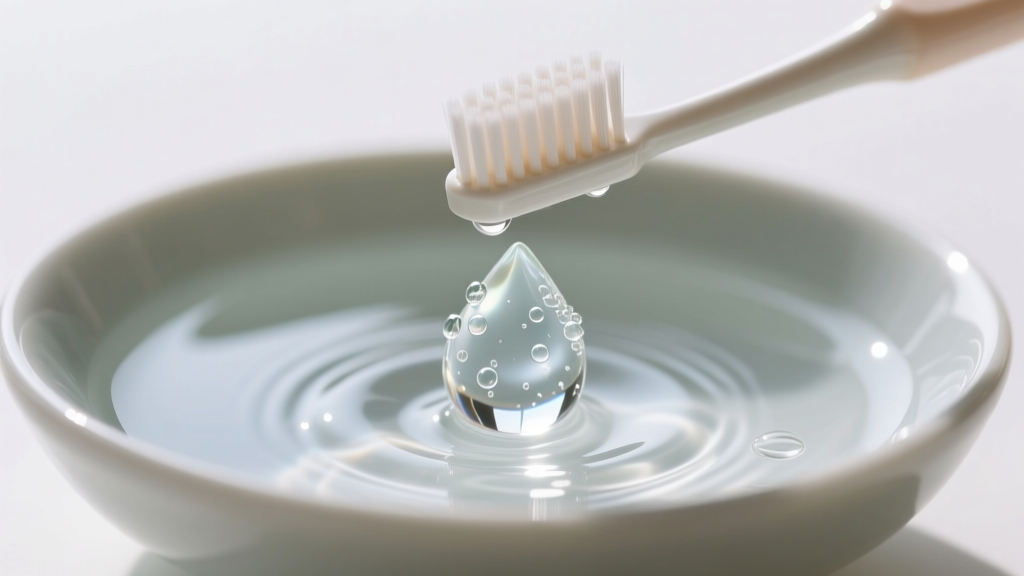
For non-porous glass or crystal teardrops, mix two drops of mild, phosphate-free dish soap into a bowl of lukewarm water. Dip a soft-bristled baby toothbrush into the solution and gently brush the surface of the bead. Avoid scrubbing the wire wraps directly, as this can push soapy residue into the tight crevices where the wire meets the bead hole.
Caring for Porous Gemstones
Natural stones like turquoise, malachite, and opals rank relatively low on the Mohs hardness scale and possess microscopic pores. Wipe these teardrops gently with a dry, lint-free microfiber cloth. If there is stubborn skin oil buildup, slightly dampen the cloth with distilled water—never tap water, which contains chlorine and minerals that can stain the stone.
Dusting Seed Bead Teardrops
Woven seed bead teardrops act like magnets for dust and cosmetic powders. Do not use water. Instead, take a clean, fluffy eyeshadow blending brush and gently sweep the bristles across the beadwork. The soft bristles will dislodge trapped particles from the tiny gaps between the seed beads without putting stress on the underlying nylon thread.
Hardware and Ear Wire Maintenance
The beads may be the focal point, but the hardware is what keeps the earring secure and hygienic. The ear wires (typically French hooks in 20-gauge or 22-gauge thickness) accumulate dead skin cells, sebum, and hair product residue.
- Isolate the Metal: Hold the earring by the beaded teardrop portion, ensuring no cleaning chemicals will drip onto the beads.
- Sanitize the Wire: Dip a cotton swab in 70% or 90% isopropyl alcohol and thoroughly swab the ear wire, paying special attention to the curve that sits inside the ear piercing and the small loop at the base.
- Polish (If Applicable): If your ear wires are sterling silver and show signs of black tarnish (silver sulfide), use a treated silver polishing cloth. Note: Never use liquid silver dip, as it will strip the patina from oxidized details and can ruin adjacent beads.
Proper Storage to Prevent Tangling and Tarnish
Teardrop earrings are notorious for tangling, especially when the ear hook catches on the wire wrap of the opposing earring. Proper storage is a critical component of maintenance.
The Ideal Storage Environment
Store your teardrop beaded earrings in a cool, dark place with low humidity. Bathrooms are the worst possible environment due to the extreme fluctuations in heat and moisture from showers, which accelerate metal oxidation and degrade stringing threads.
- Anti-Tarnish Strips: Place a 3M Anti-Tarnish strip in your jewelry box drawer. These strips absorb airborne sulfur compounds that cause sterling silver and copper wire wraps to tarnish.
- Silica Gel Packets: If you live in a high-humidity climate, toss a few silica gel packets into your storage box to protect porous beads and metal from moisture damage.
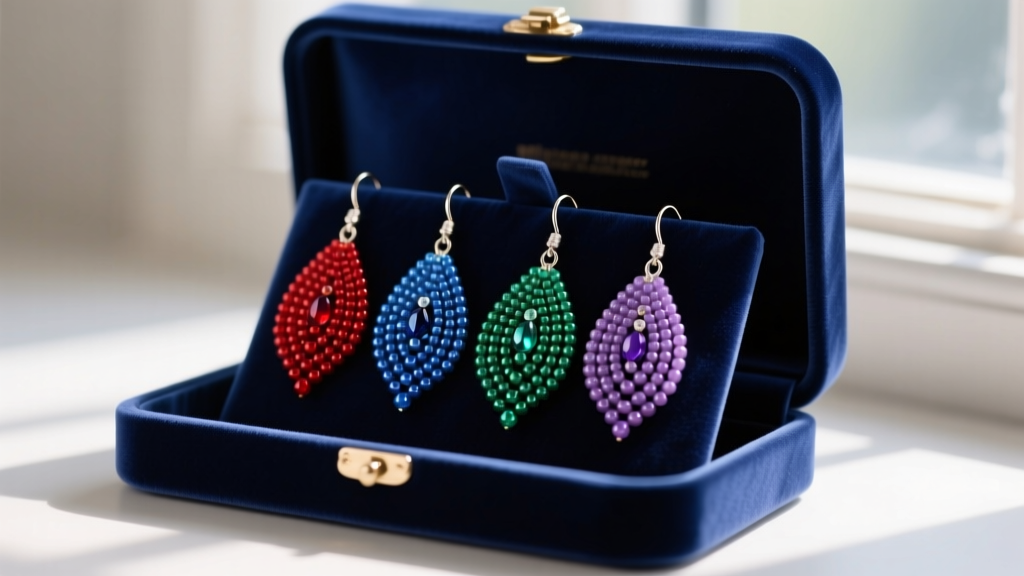
- Individual Compartments: Hang teardrop earrings on individual velvet-lined hooks or store them flat in separate grid compartments. Never toss them loosely into a communal jewelry bowl.
Troubleshooting Common Issues
Even with meticulous care, wear and tear happens. Here is how to handle the most common structural failures in teardrop beaded earrings, utilizing insights from the Fire Mountain Gems jewelry making encyclopedia.
Loose or Rattling Beads
If a bead on a wire-wrapped teardrop rattles or slides out of alignment, the wire loop at the base of the teardrop has likely stretched. Using a pair of nylon-jaw pliers (to prevent marring the metal), gently squeeze the loop closed. If the bead still moves, the wire gauge may be too thin for the bead hole; a jeweler can add a tiny silicone bead stopper or a micro-crimp cover to secure it.
Bent Teardrop Frames
If the wire frame of your teardrop loses its symmetrical shape, do not try to bend it back with your fingers. Human hands apply uneven pressure, which will create sharp kinks in the wire, leading to work-hardening and eventual snapping. Instead, use a stepped jewelry mandrel or smooth, flat-nose pliers to gently coax the wire back into its original curve.
Frayed Stringing Thread
Inspect the top loop of thread-strung teardrops every six months. If you see fuzzy, frayed edges on the nylon or silk thread near the jump ring, the earring is at imminent risk of breaking. Stop wearing it immediately and have it re-strung by a professional using a more durable alternative like gel-spun polyethylene thread.
Final Thoughts on Longevity
Teardrop beaded earrings are an investment in craftsmanship and style. By abandoning generic jewelry cleaning sprays and adopting a material-specific maintenance routine, you ensure that the wire wraps remain secure, the beads retain their optical clarity, and the hardware stays hygienic. Treat your earrings with the same specialized care you would give to fine horology, and they will remain a flawless part of your rotation for decades.


