The Ultimate 2026 Gift Guide: Twist Earrings for Every Occasion
Discover the ultimate 2026 gift guide for twist earrings. Match styles, metals, and sizes to every occasion, from anniversaries to graduations.

The Art and Symbolism of Gifting Twist Earrings
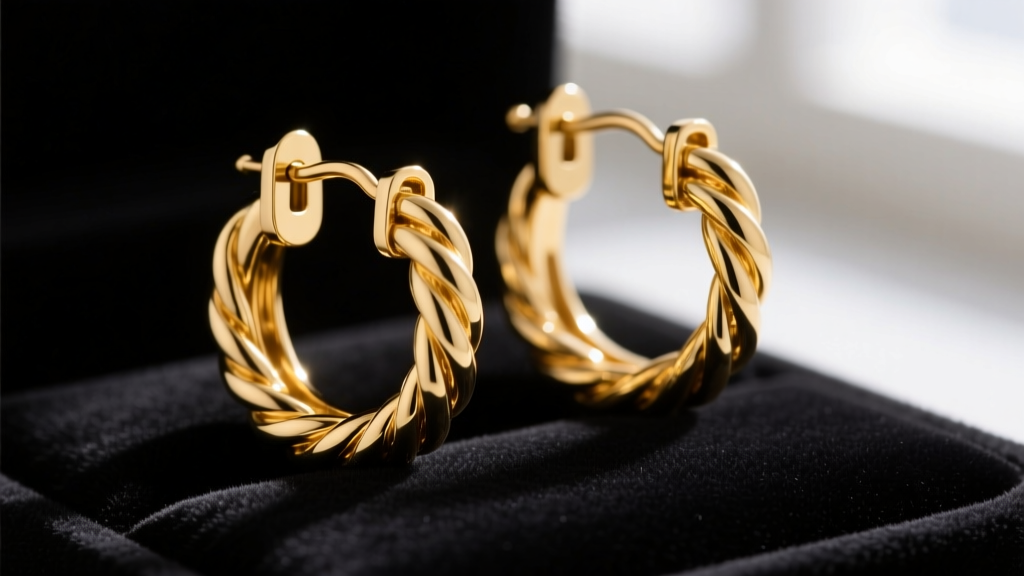
When selecting jewelry as a gift, the motif carries as much weight as the material. Twist earrings—characterized by their intertwined, rope-like, or helical metalwork—are among the most symbolically rich options available. The continuous loop of a twist represents infinity, enduring bonds, and the intertwined paths of two lives. In 2026, the twist motif has evolved beyond simple wire wraps, incorporating advanced casting techniques, diamond pavé integration, and architectural helixes that cater to both lobe and cartilage piercings.
However, gifting earrings requires precise knowledge of the recipient's anatomy, style preferences, and the mechanical integrity of the jewelry. A poorly constructed twist earring can snap at the solder joint, while an improperly sized huggie can cause cartilage irritation. This comprehensive guide decodes the mechanics, materials, and occasion-matching strategies for twist earrings, ensuring your gift is both meaningful and wearable for decades.
Decoding the Twist: Styles, Mechanics, and Failure Modes
Not all twists are created equal. The manufacturing method dictates the durability, weight, and price point of the earring. Understanding these differences is crucial for selecting a high-quality gift.
1. Drawn-Wire vs. Cast Twists
- Drawn-and-Twisted Wire: Created by physically applying torque to a straight piece of metal wire (usually 18-gauge or 20-gauge). This method aligns the metal's grain structure, making it incredibly durable and lightweight. Ideal for large twist hoops that won't drag down the earlobe.
- Cast Twists (Rope Texture): Created via lost-wax casting. These are heavier and feature a more uniform, rounded "rope" texture. The failure mode to watch for is the solder joint where the twist meets the earring post. Cheap cast twists often snap here. Always look for laser-welded joints or continuous unibody designs.
2. Clasp Mechanics for Twisted Designs
Because twist textures add visual and physical weight, standard friction posts and butterfly backs often fail to secure them properly, leading to lost earrings. For twist hoops and huggies, insist on a hinged clicker closure with a V-latch. For twist studs, opt for flat-back labret posts or secure screw-backs, especially if the recipient has active hobbies or long hair that can catch on the textured grooves.
The 2026 Occasion Matching Matrix
Matching the specific style of twist earring to the recipient's milestone ensures the gift feels personalized and appropriate. Use this matrix to guide your purchasing decision based on the occasion, budget, and required specifications.
| Occasion | Ideal Style | Material & Specs | Price Range |
|---|---|---|---|
| Anniversary / Milestone | Diamond Pavé Twist Hoops (Medium) | 18k Yellow Gold, 2.5mm width, Omega back | $1,200 - $3,500 |
| Graduation | Classic Rope Twist Knot Studs | 14k White Gold, 20g post, Screw-back | $150 - $350 |
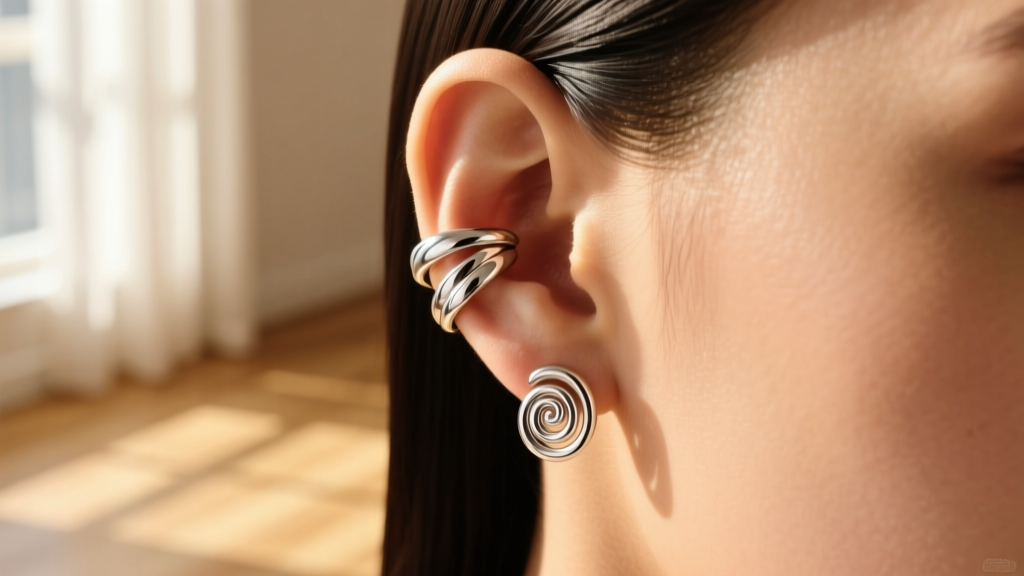
| 21st Birthday | Helix Twist Ear Cuffs (No piercing) | Rhodium Silver, 18g cuff, Adjustable | $45 - $120 |
| Corporate Promotion | Minimalist DNA Helix Twist Huggies | Platinum, 16g wire, Hinged clicker | $600 - $900 |
| Holiday / Stocking Stuffer | Enamel-Coated Wire Twist Huggies | 925 Sterling Silver, 2mm enamel inlay | $35 - $85 |
Material Grades, Hallmarks, and Longevity
When purchasing precious metals, always verify the hallmarks. According to the Federal Trade Commission Jewelry Guides, gold and silver items must be accurately stamped with their purity grade. Here is how different metals perform in twisted designs:
14k vs. 18k Gold in Twisted Wire
18k gold (75% pure gold) offers a richer, warmer yellow hue, making it the premium choice for anniversary gifts. However, it is softer. If gifting a thin, 20-gauge 18k gold twist hoop to someone who wears their jewelry 24/7, the wire may slowly warp out of its perfect circle. 14k gold (58.3% pure gold) is alloyed with more copper and silver, providing superior tensile strength. For intricate, tight twist knots that need to hold their shape against daily friction, 14k gold is the superior, more durable choice.
The Rhodium Plating Dilemma on Silver Twists
Sterling silver (925) is an excellent budget-friendly option, but it tarnishes. To prevent this, jewelers plate silver with rhodium. The failure mode specific to twist earrings is that the friction from hair, clothing, and skin wears away the rhodium plating much faster on the raised ridges of the twist than on smooth metal. If gifting silver twist earrings, ensure the recipient knows to store them in an anti-tarnish pouch when not in use, and expect that the silver may need re-plating every 2 to 3 years.
Gifting by Ear Anatomy and Face Shape
Earrings frame the face, and the geometry of a twist can either balance or exaggerate facial features. Furthermore, you must account for the recipient's specific piercing anatomy.
Face Shape Matching
- Round Faces: Avoid wide, chunky twist huggies that add horizontal volume. Instead, opt for elongated drop twist earrings or vertically oriented twist dangles. The linear helix draws the eye downward, creating a lengthening illusion.
- Square Faces: Soften strong jawlines with rounded twist hoops (20mm to 30mm in diameter). The continuous circular curve of the rope texture contrasts beautifully with angular features.
- Heart-Shaped Faces: Balance a narrower chin with twist chandelier earrings or bottom-heavy teardrop twists that add volume at the jawline.
Lobe vs. Cartilage Considerations
If you are gifting twist earrings for a cartilage piercing (such as a helix or forward helix), you must account for standard gauge sizes. Cartilage piercings are typically 16-gauge (1.2mm thick), whereas standard lobe piercings are 20-gauge (0.8mm). Gifting a 20g twist stud for a 16g cartilage hole will result in a loose fit that can cause the piercing channel to shrink or migrate. Always verify the recipient's gauge size, or opt for a non-piercing twist ear cuff that wraps securely around the outer helix without requiring a hole.
Care and Maintenance for Textured Metals
Twist earrings are notorious for trapping sebum, lotions, and environmental dust deep within their grooves. Over time, this buildup dulls the metal's reflectivity and can cause skin irritation. Include a care card with your gift to demonstrate thoughtfulness and expertise.
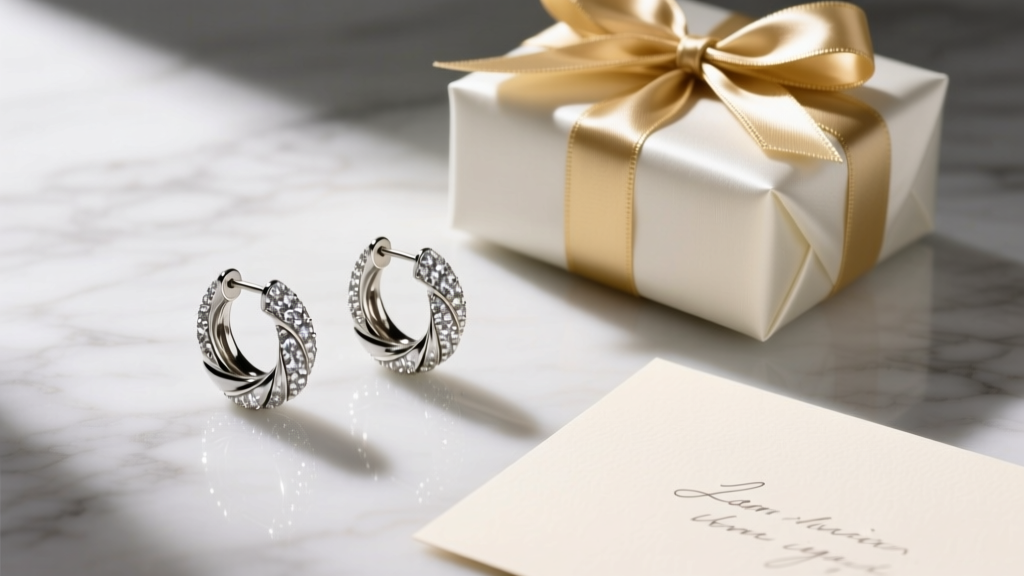
Pro-Tip for Gifting: Pair your twist earrings with a small, high-quality ultrasonic jewelry cleaner. However, warn the recipient that ultrasonic waves can loosen pavé-set diamonds if the prongs are already worn. For diamond-encrusted twists, manual cleaning is always safer.
The Safe Cleaning Protocol
- Soak: Mix a few drops of mild, phosphate-free dish soap (like Dawn) in a bowl of warm distilled water. Let the earrings soak for 5 minutes to soften debris.
- Agitate: Use an extra-soft baby toothbrush to gently brush along the direction of the twist grooves, not across them, to avoid scratching the metal ridges.
- Rinse & Dry: Rinse under lukewarm running water. Pat dry with a lint-free microfiber cloth. Never use tissue paper, as the wood fibers will snag on the twisted texture and leave micro-scratches.
For more information on maintaining precious metal jewelry and understanding alloy compositions, refer to the educational resources provided by the Gemological Institute of America (GIA).
Final Thoughts on the Perfect Gift
Twist earrings are far more than a passing trend; they are a masterclass in metallurgical texture and timeless symbolism. By paying close attention to the manufacturing method (drawn vs. cast), selecting the appropriate clasp for the weight of the design, and matching the geometry to the recipient's face shape, you elevate your gift from a simple accessory to a deeply considered keepsake. Whether you choose a platinum helix for a corporate milestone or a classic 14k gold rope knot for a graduation, the twist remains an enduring emblem of connection and strength.


