Navy Blue Color Earrings: 2026 Trend Analysis & Styling Guide
Discover why navy blue color earrings are dominating 2026 jewelry trends. Explore material pairings, face-shape styling, and expert buying advice.

The Rise of Deep Oceanic Hues in 2026
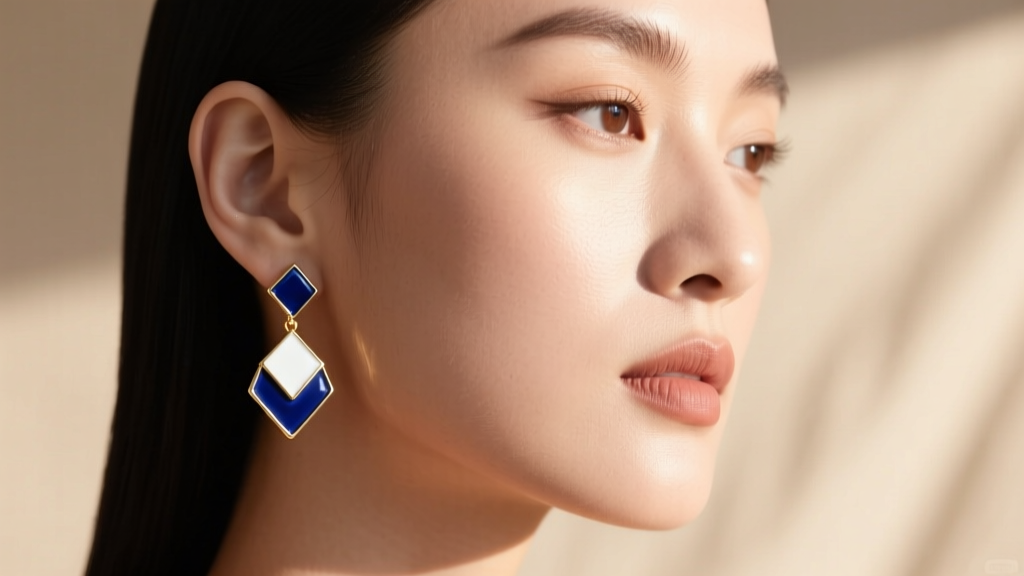
The jewelry landscape of 2026 has decisively pivoted away from the hyper-bright dopamine dressing and fleeting micro-trends of previous years, settling into a sophisticated era of "midnight maritime" aesthetics. At the forefront of this shift are navy blue color earrings, which have emerged as the ultimate anchor piece in both fine and demi-fine jewelry collections. Unlike stark black, which can sometimes appear heavy or severe against certain skin tones, navy blue offers a chromatic depth that mimics the night sky or deep oceanic trenches. It provides a grounding neutrality while introducing a layer of optical richness and subtle color theory that flat black simply cannot achieve.
According to industry analysts tracking colored gemstone and enamel trends, the demand for deep, saturated blues has increased by over 34% in luxury markets this year. This surge is largely driven by the evolution of "quiet luxury" into what stylists are now calling "stealth opulence"—where the quality of materials and the subtlety of color take precedence over overt branding or massive carat weights. Navy blue color earrings fit perfectly into this paradigm, offering a way to wear color that remains entirely appropriate for boardroom settings, evening galas, and casual weekend wear alike.
Material Matrix: What Makes the Best Navy Blue Color Earrings?
When shopping for navy blue color earrings, the material dictates not only the price point but also the longevity, weight, and care requirements of the piece. A deep blue can be achieved through natural gemstones, synthetic processes, or artisanal metalwork. Below is a comprehensive breakdown of the four most prominent materials used to achieve this specific hue in 2026.
| Material | Mohs Hardness | Price Range (USD) | Durability & Care Profile |
|---|---|---|---|
| Blue Sapphire | 9.0 | $800 - $5,000+ | Exceptional. Safe for ultrasonic and steam cleaners. Ideal for daily wear studs. |
| Lapis Lazuli | 5.0 - 6.0 | $150 - $600 | Moderate. Porous and sensitive to acids. Never use ultrasonic cleaners; wipe with a damp cloth. |
| Vitreous Enamel | N/A (Glass-like) | $300 - $1,200 | Fragile to impact. Can chip or crack if dropped on hard surfaces. Avoid extreme temperature shifts. |
| Anodized Titanium | 6.0 | $40 - $180 | Hypoallergenic and lightweight. The color is a surface oxide layer; avoid abrasive polishing cloths. |
Deep Dive: The Science of Anodized Titanium
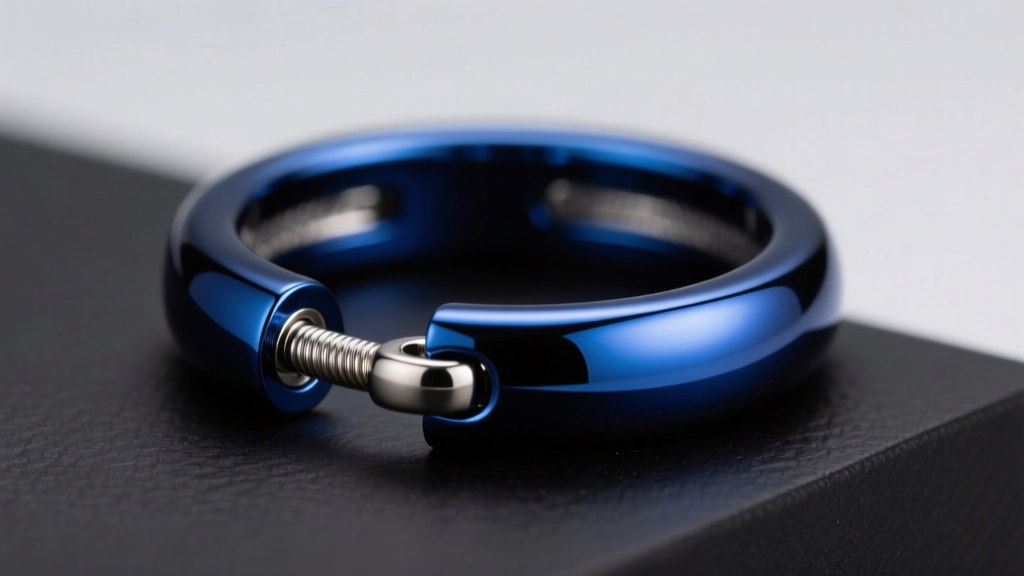
For those seeking modern, lightweight, and highly biocompatible options, anodized titanium is the undisputed champion of 2026. To achieve a true navy blue color, titanium must be anodized at approximately 90 to 100 volts. The process uses an electrolytic bath to thicken the natural oxide layer on the metal's surface. The thickness of this layer dictates how light refracts through it, creating color without the use of dyes or plating. If a jeweler uses too low a voltage (around 50V), the result will be a bronze or purple hue; too high (110V+), and the metal shifts into teal or bright green. Therefore, achieving a consistent, deep navy requires precise voltage control, making it a hallmark of skilled contemporary jewelers.
The Artisanal Appeal of Guilloché Enamel
In the realm of fine jewelry, vitreous enamel remains a top choice for navy blue color earrings. Specifically, the guilloché technique involves engine-turning a geometric pattern into a gold or silver base before fusing translucent navy blue glass powder over it at temperatures exceeding 1,400°F. The light catches the metal ridges beneath the glass, giving the navy blue a luminous, three-dimensional quality that flat paint or resin cannot replicate. However, buyers must be aware that enamel is essentially glass; it will shatter or chip if dropped on a marble bathroom counter.
Metal Pairings: Enhancing the Navy Blue Color Earrings
The metal setting acts as the frame for your navy blue color earrings, dramatically altering the overall temperature and formality of the piece. In 2026, we are seeing a distinct move away from mixed-metal chaos toward intentional, high-contrast pairings.
White Gold and Platinum: The Icy Contrast
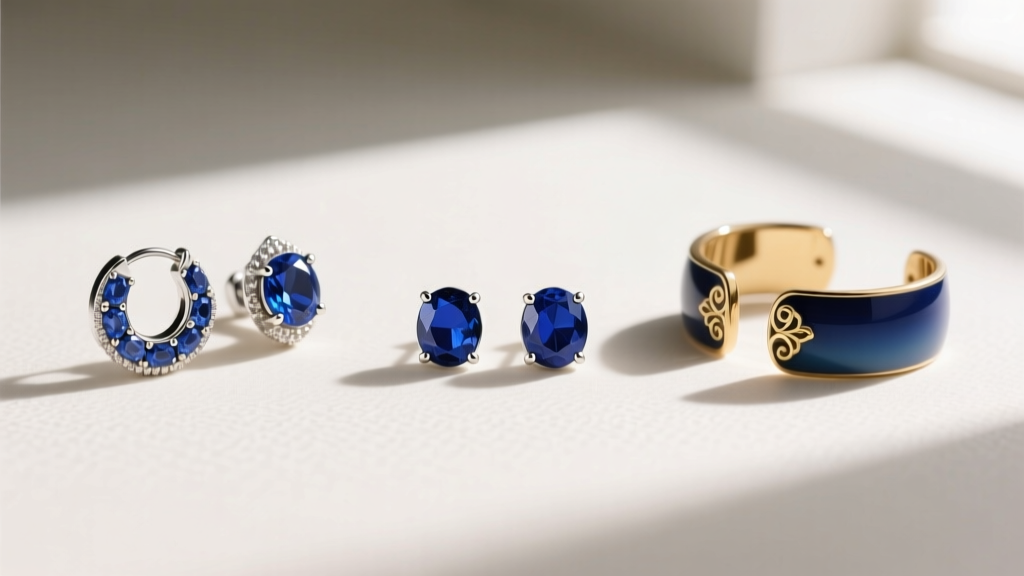
Pairing navy blue with 18k white gold or 950 platinum creates a crisp, high-contrast aesthetic. The cool, reflective nature of white metals amplifies the depth of the blue, making it appear almost black in low light and vividly blue in direct sunlight. This pairing is highly recommended for geometric drop earrings and structured ear cuffs intended for formal or corporate environments. Platinum, being denser and more durable than white gold, is particularly recommended for securing heavy sapphire cabochons, as its prongs are less likely to wear down over decades of use.
Yellow Gold: The Nautical Regal
There is an undeniable historical richness to navy blue set in 18k or 22k yellow gold. This combination evokes vintage nautical aesthetics, regal signet rings, and Art Deco revivalism. The warmth of the yellow gold neutralizes the chill of the navy blue, creating a balanced, inviting tone that flatters warm and olive skin undertones. For huggie hoops featuring channel-set navy sapphires, yellow gold remains the top-selling metal choice in the current market.
Face Shape and Silhouette Matching
While navy blue is a universally flattering neutral, the silhouette of the earring must be matched to your facial geometry to achieve optimal styling. Use this framework to select the right navy blue color earrings for your structure:
- Round Faces: Opt for angular, elongated silhouettes. Rectangular navy enamel drop earrings or long, linear lapis lazuli dangles help draw the eye vertically, creating the illusion of a longer, more sculpted jawline. Avoid large, circular navy hoops, which will only emphasize facial roundness.
- Square Faces: Soften a strong jawline with curved edges. Medium-sized navy blue huggie hoops, teardrop-shaped sapphire dangles, or rounded ear cuffs introduce necessary softness and balance to angular features.
- Heart-Shaped Faces: Balance a wider forehead and narrower chin with bottom-heavy designs. Chandelier earrings featuring navy blue gemstones or wide, inverted-triangle enamel studs draw attention downward, harmonizing your proportions.
- Oval Faces: The most versatile canvas. You can confidently wear structural navy blue ear cuffs, oversized hoops, or minimalist bezel-set studs. To highlight natural symmetry, try a sleek, horizontal navy bar stud.
Cartilage vs. Lobe: Placement and Gauge Strategy
The placement of your navy blue color earrings dictates the necessary hardware specifications. Ignoring gauge sizes and backing types is the leading cause of jewelry failure, discomfort, and migration.
Standard Lobe Placements
Most primary lobe piercings are done at 20-gauge (0.81mm) or 18-gauge (1.02mm). When wearing heavier navy blue pieces, such as solid gold drops with large lapis lazuli stones, the weight can cause the piercing to stretch or sag over time. To combat this, always opt for la pousette (butterfly) clutches with wide, flat backs that distribute weight evenly, or upgrade to screw-back findings which prevent the earring from slipping forward. For heavy navy blue color earrings, a thicker 16-gauge post provides necessary structural support.
Cartilage Placements (Helix, Conch, Flat)
Cartilage piercings are typically performed at 16-gauge (1.29mm) or 14-gauge (1.63mm). According to the Association of Professional Piercers (APP), internally threaded or threadless implant-grade titanium is the gold standard for cartilage health. This is where anodized navy blue titanium shines. A 16-gauge navy blue titanium clicker hoop in the helix provides a striking pop of color without the risk of nickel allergies or heavy metal irritation. Furthermore, threadless push-pin ends featuring navy blue synthetic spinels are highly secure, relying on tension rather than threading, ensuring your earring won't get lost in your hair or clothing.
Expert Care and Maintenance Protocols
Preserving the deep, saturated hue of your navy blue color earrings requires material-specific care routines. A one-size-fits-all approach will inevitably lead to ruined gemstones or degraded metals.
"The most common mistake consumers make is treating lapis lazuli like a diamond. Lapis is a porous rock, not a single crystal. Submerging it in commercial jewelry dips or ultrasonic cleaners will strip its natural oils, dull the pyrite inclusions, and potentially dissolve the calcite matrix." — Gemological Institute of America (GIA)
Sapphires and Diamonds: As noted in the GIA Sapphire Guide, corundum (sapphire) is incredibly durable. You can safely clean navy blue sapphire earrings in an ultrasonic bath using a mild degreasing solution, followed by a soft brush to remove skin oils from the pavilion (the back of the stone) to restore maximum light return.
Enamel and Lapis Lazuli: Never use ultrasonics, steamers, or harsh chemicals. Clean these pieces using only a soft, lint-free microfiber cloth slightly dampened with distilled water. Dry immediately. Store enamel pieces in individual soft pouches to prevent them from scratching against harder metals in your jewelry box.
Anodized Titanium: While the metal itself is virtually indestructible and highly resistant to tarnish, the anodized navy blue layer is a microscopic surface alteration. Avoid wearing titanium jewelry in chlorinated pools, and never use silver polishing cloths on anodized titanium, as the mild abrasives will buff away the blue oxide layer, revealing the dull grey metal beneath.
Final Verdict: Investing in the Deep Blue
Navy blue color earrings are not a passing fad; they represent a fundamental shift toward enduring, versatile sophistication in modern accessorizing. Whether you are investing in a pair of heirloom-quality navy sapphire and platinum drops, supporting artisanal jewelers through guilloché enamel ear cuffs, or opting for the biocompatible brilliance of anodized titanium cartilage hoops, this hue offers unparalleled styling utility. By understanding the material science, respecting gauge requirements, and matching silhouettes to your unique geometry, you can curate a navy blue collection that remains timelessly relevant well beyond 2026.


