Polymer Clay Flower Earrings: Material Properties & Brand Guide
Discover the material properties of polymer clay flower earrings. We compare top clay brands, sealing methods, and hardware for durable floral designs.

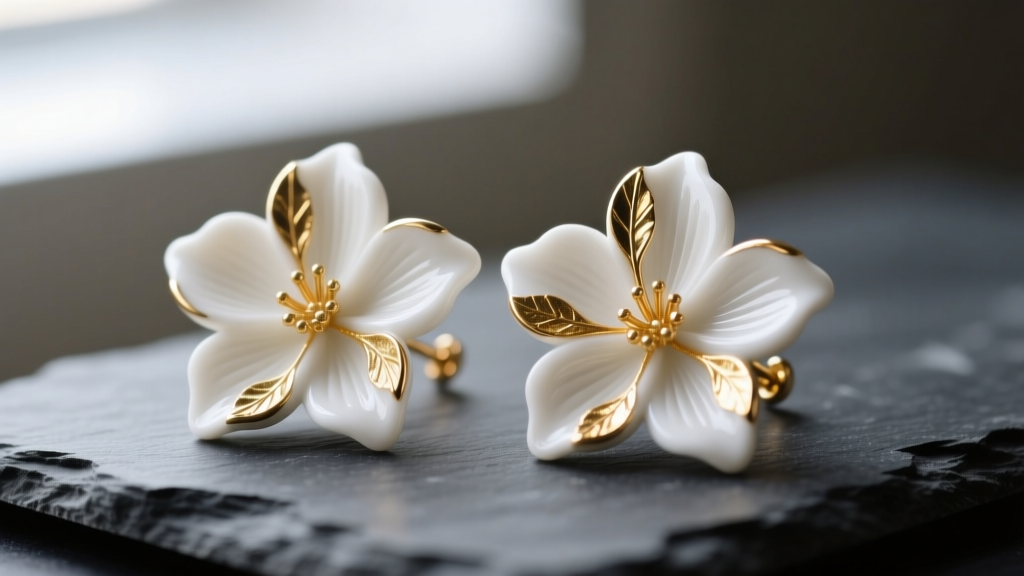
The Chemistry of Polymer Clay in Jewelry
To truly master the creation and curation of polymer clay flower earrings, one must first understand the material at a molecular level. Unlike traditional ceramic clays that require kiln firing at temperatures exceeding 1,800°F, polymer clay is a synthetic modeling material based on polyvinyl chloride (PVC). It contains no actual clay minerals; instead, it relies on a suspension of PVC particles in a plasticizer matrix, combined with pigments and fillers. When heated to relatively low temperatures (typically between 230°F and 275°F), the plasticizer melts, fusing the PVC particles into a solid, flexible plastic network.
This unique chemical structure gives polymer clay its signature lightweight property, making it an exceptional medium for large, statement-making floral earrings that won't stretch or damage the earlobe. However, the presence of liquid plasticizers also introduces specific material challenges, particularly regarding sealing, adhesion, and long-term durability. Understanding these properties is the difference between a fragile craft project and a professional-grade piece of jewelry.
Material Showdown: Polymer Clay vs. Alternative Floral Mediums
When designing botanical jewelry, artisans have several material options. Below is a comparative analysis of polymer clay against other popular mediums used for floral earrings.
| Material | Weight Profile | Durability & Flexibility | Detail Resolution | Cost per Pair |
|---|---|---|---|---|
| Polymer Clay | Ultra-lightweight | Highly flexible (brand dependent); shatter-resistant | Exceptional; captures micro-textures of petals | $0.50 - $2.00 |
| Epoxy Resin | Moderate to Heavy | Rigid; prone to shattering if dropped | High (requires molds); lacks hand-sculpted nuance | $3.00 - $8.00 |
| Vitreous Enamel | Heavy (requires metal base) | Extremely rigid; chips upon impact | Moderate; limited by metal cloisonné walls | $15.00 - $40.00 |
| Silk/Canvas | Ultra-lightweight | Delicate; susceptible to moisture and fraying | High (petal shaping); limited by fabric grain | $2.00 - $5.00 |
As the data illustrates, polymer clay occupies a unique sweet spot, offering the intricate, hand-sculpted detail of silk or resin with a fraction of the weight and a vastly superior shatter-resistance profile.
Brand-Specific Properties for Floral Designs
Not all polymer clays are created equal. The ratio of PVC to plasticizer and the type of fillers used drastically alter the working properties and final cure of the material. For delicate floral components like stamen, thin petals, and leaves, choosing the right brand is critical.
Sculpey Premo
Premo is widely considered the workhorse of jewelry-grade polymer clay. It cures at 275°F (135°C) and is renowned for its post-bake flexibility. This is a vital property for flower earrings; if a thin petal is bumped, Premo will bend rather than snap. It conditions easily and holds a slight translucency when shaved paper-thin, mimicking the delicate nature of real flower petals. However, its softer nature means it can sometimes lose ultra-crisp edges during the baking process if not supported properly.
Fimo Professional
Fimo Professional is a firmer clay that requires significant mechanical conditioning (often requiring a dedicated pasta machine) before use. It cures at a lower 230°F (110°C). Its primary advantage for floral work is its exceptional structural integrity. 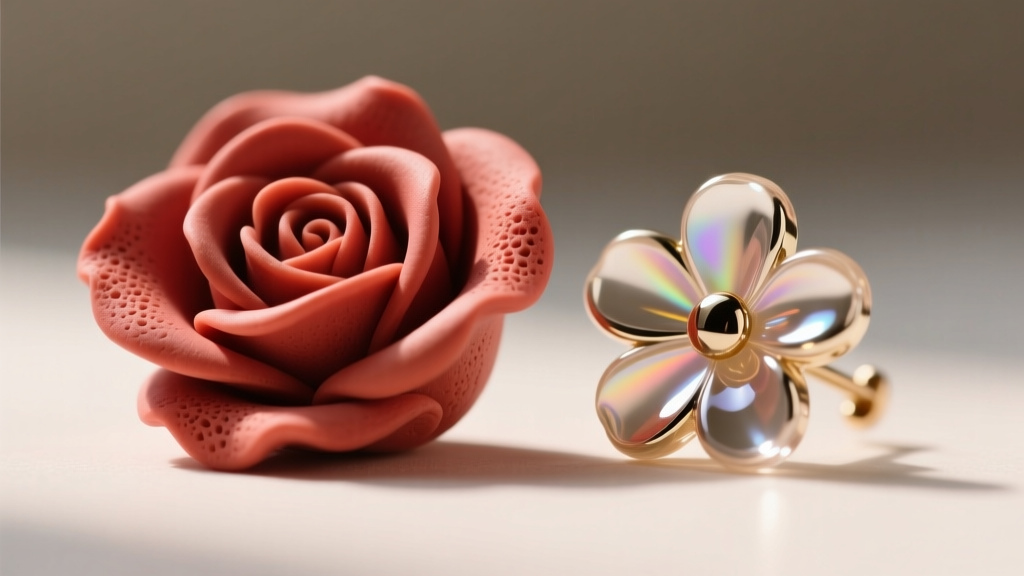 When carving or using tissue blades to create razor-thin, ruffled petal edges, Fimo holds those sharp lines perfectly through the baking process without drooping. It is slightly more brittle post-bake than Premo, making it better suited for smaller, structured blooms rather than large, sweeping leaves.
Cernit Number One
Cernit is famous for its translucent lines and slightly rubbery, elastic finish after baking. It cures at 265°F (130°C). For floral designs requiring a waxy, lifelike appearance—such as magnolias or orchids—Cernit's unique light-refracting properties are unmatched. It is highly resistant to cracking, even when rolled to near-transparency, though it can become sticky during the conditioning phase if your hands are too warm.
The Sealing Dilemma: Plasticizers vs. Varnishes
The most common point of failure in polymer clay jewelry is the sealing process. Because polymer clay is a plastic that retains liquid plasticizers permanently, these oils can migrate to the surface over time. If you apply a standard aerosol clear coat or a water-based craft varnish, the migrating plasticizer will break down the chemical bonds of the sealant, resulting in a permanently sticky, tacky surface that attracts dust and ruins the earring.
According to extensive testing by The Blue Bottle Tree, a leading authority on polymer clay chemistry, only specific sealants are compatible with PVC plasticizers. For flower earrings, which often feature complex, multi-layered petal structures, the best sealing options include:
- Polyurethane Varnishes (e.g., Varathane Water-Based): These provide a durable, non-yellowing finish that resists plasticizer migration. They are ideal for brushing over textured petals.
- UV Resin Coatings: Applying a thin layer of UV-cured resin creates an impenetrable, glass-like barrier. This is excellent for adding a dewy, wet-look finish to tropical flower earrings, though it adds slight weight.
- Dimethicone-Based Sealers: Specialty products like DuraClear Gloss are formulated specifically to withstand the chemical environment of polymer clay without turning sticky.
Pro Tip: Never bake your clay directly on a metal pan without a barrier. As noted in the official Sculpey Baking Instructions, placing your floral pieces on a bed of baking soda or a dedicated ceramic tile prevents flat, shiny spots on the back of your earrings, ensuring a uniform matte texture that helps adhesives grip later.
Structural Integrity: Hardware and Earlobe Support
Even the most beautifully sculpted polymer clay flower earring will fail if the hardware integration is poorly executed. The intersection of the baked clay and the metal post is the highest stress point.
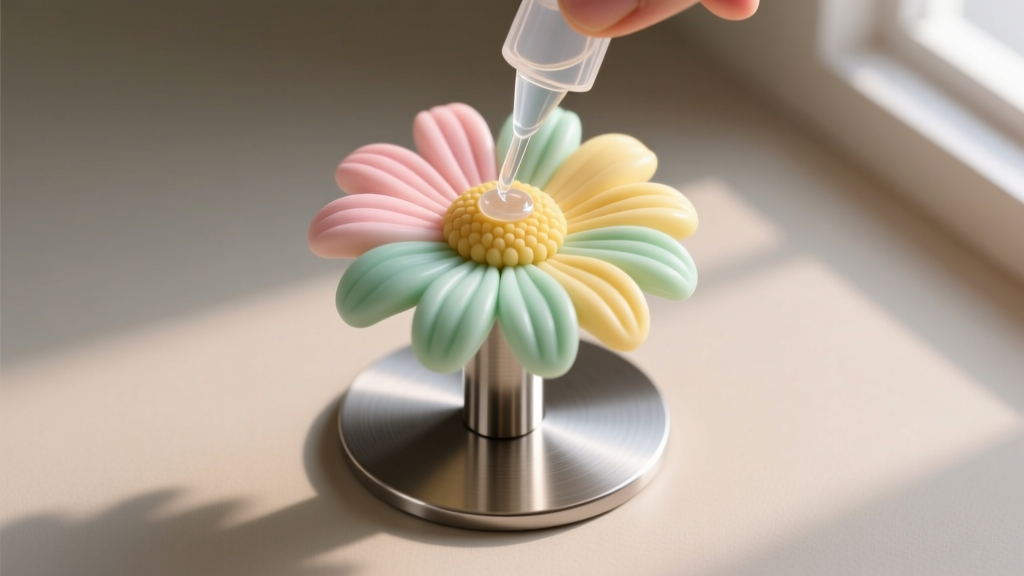
Post Gauges and Adhesion
For lightweight floral studs, 22-gauge stainless steel posts are sufficient. However, for larger dangle flowers or hoops wrapped in clay, you must upgrade to 20-gauge or 18-gauge posts to prevent the metal from bending under the leverage of the clay's weight. Flat pad posts are preferred over cup posts for polymer clay, as they offer a larger surface area for adhesion.
While many crafters rely on E6000 or superglue, these adhesives can degrade over time due to the same plasticizer migration mentioned earlier. The industry standard for a permanent bond is to embed the post directly into the raw clay before baking, or to use a two-part epoxy resin combined with a mechanical anchor (such as scoring the back of the clay and the metal pad with sandpaper before gluing).
Weight Distribution and Earlobe Health
While polymer clay is inherently light, a 3-inch layered dahlia earring can still weigh upwards of 8 grams. This is enough to cause earlobe fatigue or stretching over a long day of wear. To mitigate this, professional designers utilize silicone disc earring backs or specialized earlobe support patches (like BlingDots). These distribute the downward force across a wider area of the earlobe's posterior, allowing the wearer to enjoy dramatic, oversized botanical designs without discomfort.
Troubleshooting Common Material Failures
Even experienced jewelers encounter material failures. Here is a diagnostic framework for the most common issues in polymer clay floral earrings:
- Cracking or Snapping Petals: This is almost always a result of underbaking. Oven dials are notoriously inaccurate. You must use an independent oven thermometer. If your clay requires 275°F, but your oven only reaches 240°F, the PVC particles will not fully fuse, leaving the clay brittle. Always bake for the full recommended time (usually 30 minutes per 1/4 inch of thickness).
- Browning or Scorching: If your white or pale pink flower petals turn brown, your oven is running too hot, or the elements are too close to the clay. Use an aluminum foil 'tent' over your baking tray to deflect direct radiant heat and protect delicate, thin edges from scorching.
- Sticky Varnish: As discussed, this is plasticizer incompatibility. Strip the sticky varnish using 91% isopropyl alcohol, wash the piece thoroughly, and re-seal using a verified polyurethane or UV resin.
Conclusion
Creating and wearing high-quality polymer clay flower earrings requires a deep respect for the material's chemical and physical properties. By selecting the appropriate clay brand for your specific floral design, utilizing chemically compatible sealants, and integrating robust, properly gauged hardware, you can produce botanical jewelry that is not only breathtakingly detailed but structurally engineered to last a lifetime.


