Laurel Burch Earrings Vintage: A Material & Alloy Guide
Explore the metallurgy, vitreous enamel properties, and hallmarks of laurel burch earrings vintage pieces to authenticate your collection.

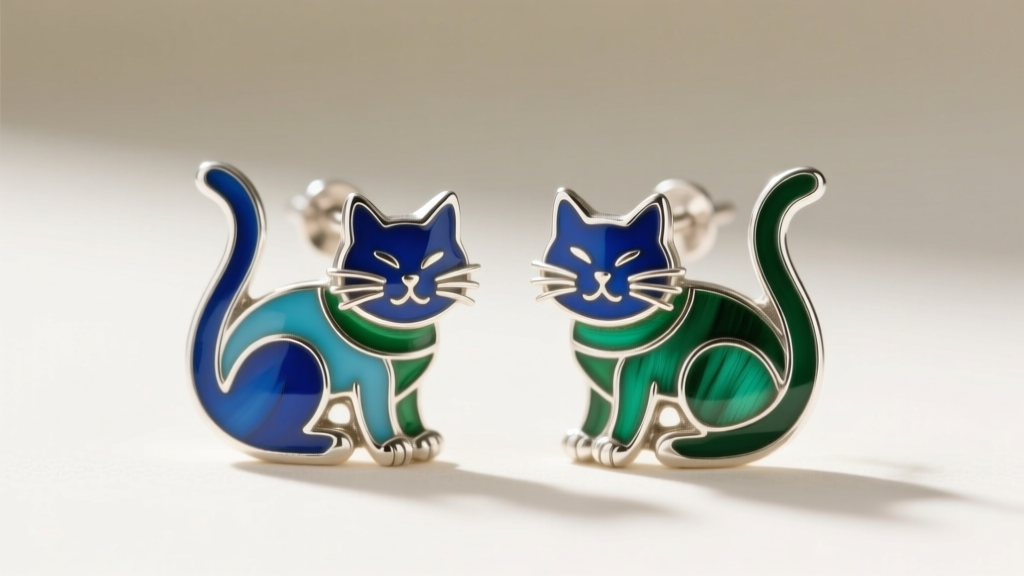
For collectors and archivists, the secondary market for laurel burch earrings vintage pieces represents a fascinating intersection of whimsical artistry and late-20th-century jewelry manufacturing. Laurel Burch’s iconic designs—characterized by interlocking cats, mythical creatures, and vibrant color palettes—were produced primarily between the 1970s and the late 1990s. However, as the 2026 vintage market continues to appreciate, the proliferation of high-quality reproductions and outright counterfeits demands a rigorous, material-science-based approach to authentication. Rather than relying solely on visual motif recognition, serious collectors must evaluate the metallurgical composition, enamel chemistry, and structural degradation patterns unique to Burch’s original production runs.
Base Metal Alloys: Sterling Silver vs. Gold-Plated Brass
The foundation of any authentic vintage Laurel Burch earring is its base metal. Burch primarily utilized two distinct metallic substrates for her earrings: solid 925 sterling silver and heavy gold-plated brass or Zamac. Understanding the specific alloy compositions is critical for both authentication and long-term preservation.
The 925 Sterling Silver Standard
Authentic silver pieces are stamped '925', indicating an alloy of 92.5% pure silver and 7.5% copper. The copper is essential for structural integrity, as pure silver is too malleable to support the weight of Burch’s elaborate drop earrings or the tension of her clip-on mechanisms. However, this copper content is also responsible for the formation of silver sulfide (tarnish) when exposed to atmospheric sulfur. In vintage pieces, this tarnish often accumulates deeply within the cloisonné wire channels, creating a dark, oxidized patina that is notoriously difficult to remove without damaging the adjacent enamel.
Gold-Plated Substrates and Micron Thickness
Burch’s gold-toned earrings were rarely solid gold. Instead, they featured a base of jeweler’s brass or Zamac (a zinc alloy containing aluminum, magnesium, and copper) that was electroplated with 14k or 18k gold. The defining characteristic of vintage 1980s and 1990s gold-plated jewelry is the thickness of the electroplating. Authentic vintage pieces typically boast a gold layer between 2.0 and 5.0 microns thick. By contrast, modern counterfeit pieces utilize 'flash plating,' which deposits a mere 0.1 to 0.3 microns of gold. Under a 10x jeweler's loupe, flash-plated fakes often reveal the silvery undertone of the base metal at high-friction contact points, such as the earring post or the hinge of a clip-on mechanism, whereas authentic vintage pieces maintain a rich, opaque gold hue even after decades of wear.
The Chemistry of Vitreous Enamel vs. Cold Enamel Fakes
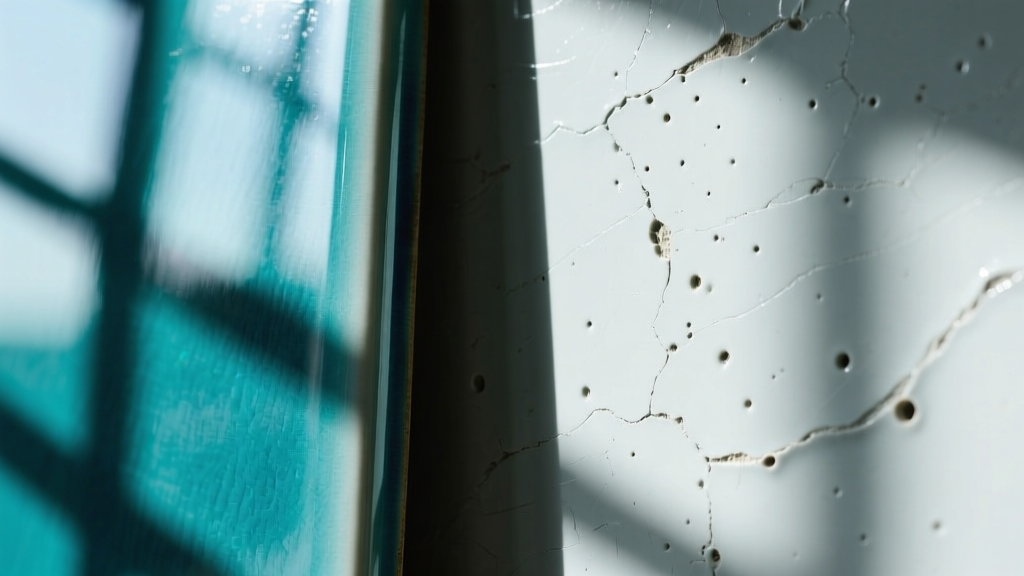
The most striking feature of Laurel Burch’s earrings is the vibrant, stained-glass-like coloration. This effect was achieved through traditional vitreous enameling, a process fundamentally different from the materials used in modern reproductions.
Vitreous Enamel: Fused Silica
Authentic vintage pieces utilize vitreous enamel, which is essentially finely ground glass (silica, soda, and borax) mixed with metal oxides for coloration. Cobalt yields deep blues, while copper produces vibrant greens and reds. This mixture is packed into the metallic channels (cloisons) and fired in a kiln at temperatures exceeding 1,450°F (788°C). The resulting material fuses chemically with the metal substrate, achieving a Mohs hardness of 5.5 to 6.0. This glass-like surface is highly resistant to scratching and will not degrade under UV light exposure.
The Cold Enamel Deception
Modern fakes and post-2000s mass-produced 'tribute' pieces frequently substitute vitreous enamel with 'cold enamel'—a two-part epoxy resin. While cold enamel can mimic the bright colors of Burch’s original palette, its material properties are vastly inferior. Epoxy resin possesses a Mohs hardness of only 2.0 to 3.0, making it highly susceptible to micro-scratches from everyday wear. Furthermore, cold enamel lacks the refractive index of fused glass, resulting in a dull, plasticky luster. Over time, the UV degradation of the epoxy causes the resin to yellow and shrink, leading to visible separation from the metal channels—a failure mode never seen in authentic vitreous enamel.
Authentication Matrix: Weight, Hallmarks, and Origin Stamps
To systematically evaluate laurel burch earrings vintage specimens, collectors should employ a multi-point material inspection matrix. The table below outlines the definitive physical markers that separate authentic mid-century production from modern forgeries.
| Material Feature | Authentic Vintage (1980s-1990s) | Modern Reproduction / Fake |
|---|---|---|
| Base Metal Weight | Substantial, dense feel (Zamac or solid silver) | Noticeably lighter, hollow-sounding (thin stamped brass) |
| Enamel Surface | Glassy, hard, cool to the touch, flush with metal wires | Plasticky, warm to the touch, often slightly domed or pitted |
| Gold Plating | Thick (2-5 microns), rich warm tone, wears slowly | Flash plated (<0.3 microns), brassy tone, flakes easily |
| Engraving / Hallmarks | 'LAUREL BURCH', 'LB', '925' deeply and cleanly stamped | Shallow, laser-etched, or poorly cast raised lettering |
| Origin Stamp | Often stamped 'CHINA' (Authentic 80s/90s production) | Often unmarked or stamped with incorrect modern factory codes |
The 'CHINA' Stamp Controversy
One of the most pervasive myths in the vintage jewelry community is that a 'CHINA' country-of-origin stamp automatically indicates a counterfeit. In reality, during the peak of Burch’s commercial success in the 1980s and 1990s, her company contracted skilled manufacturing facilities in China to meet global demand. These facilities operated under strict quality control directives from Burch’s San Francisco studio. Therefore, an authentic vintage piece bearing the 'CHINA' stamp alongside the 'LAUREL BURCH' signature is entirely legitimate. Fakes, ironically, often omit the country stamp entirely to avoid this exact buyer prejudice.
Material Degradation and Preservation Protocols
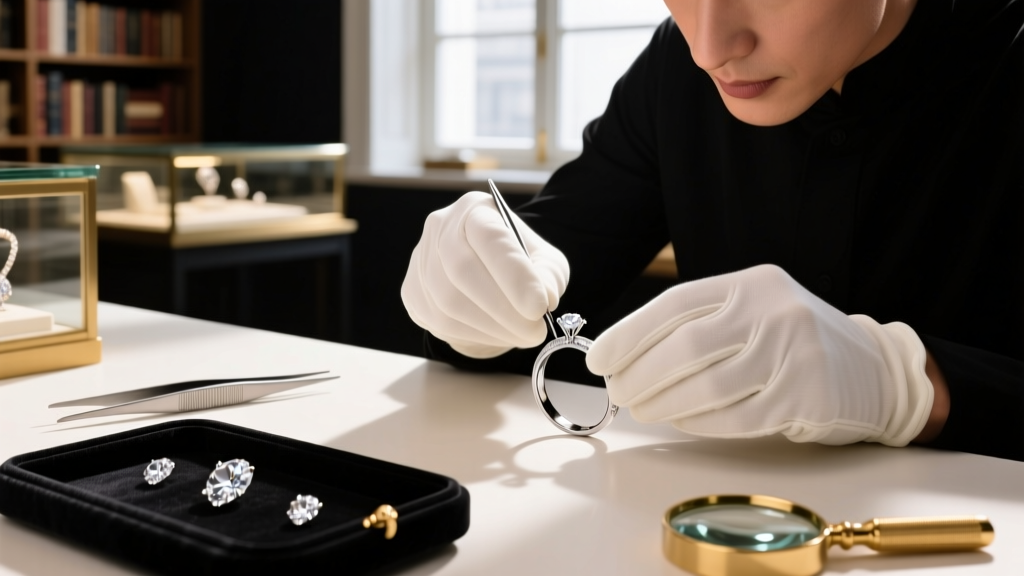
Preserving the material integrity of vintage enamel earrings requires an understanding of their specific failure modes. The most catastrophic threat to vitreous enamel is thermal shock. Because the glass enamel and the silver or brass substrate have different coefficients of thermal expansion, exposing the earrings to sudden temperature changes—such as dropping them into hot water for cleaning—can cause 'crazing,' a network of microscopic fractures within the glass that permanently clouds the color.
Furthermore, collectors must avoid ultrasonic jewelry cleaners. The high-frequency acoustic cavitation that safely removes dirt from solid metal can easily shatter vitreous enamel or dislodge it from the metal channels if micro-fractures are present. According to conservation guidelines outlined by The Enamelist Society, vitreous enamel should only be cleaned with a soft, damp microfiber cloth and mild, non-abrasive soap. For tarnished silver channels, a localized application of a silver polishing cloth is preferred over liquid chemical dips, which can seep beneath the enamel and cause subsurface oxidation.
Sourcing and Valuation in the 2026 Vintage Market
In the current 2026 market, the valuation of Laurel Burch earrings is inextricably linked to their material condition. Sterling silver pieces with intact, uncrazed enamel and original, unpolished patinas command the highest premiums, often ranging from $150 to $450 for rare, oversized clip-on motifs. Gold-plated brass pieces are generally valued lower ($60 to $180), unless the gold plating remains exceptionally thick and free from the characteristic 'brass bleed' that occurs when the copper in the brass substrate oxidizes and migrates through the gold layer.
When sourcing from estate sales or online auction platforms, always request macro-photography of the earring posts, the clasp mechanisms, and the reverse side of the enamel work. As detailed in Lang Antiques' hallmark database, verifying the precise font, depth, and placement of the 'LB' and '925' stamps remains the most reliable first line of defense against increasingly sophisticated modern counterfeits. By prioritizing material analysis over mere aesthetic recognition, collectors can build an archive of Laurel Burch’s work that is both historically accurate and structurally enduring.


