How to Maintain and Clean Gold Earrings Pearl Drop Styles
Discover expert care, maintenance, and cleaning tips for gold earrings pearl drop styles. Protect your nacre and metal with our step-by-step guide.

The Delicate Intersection of Metallurgy and Organic Gemology
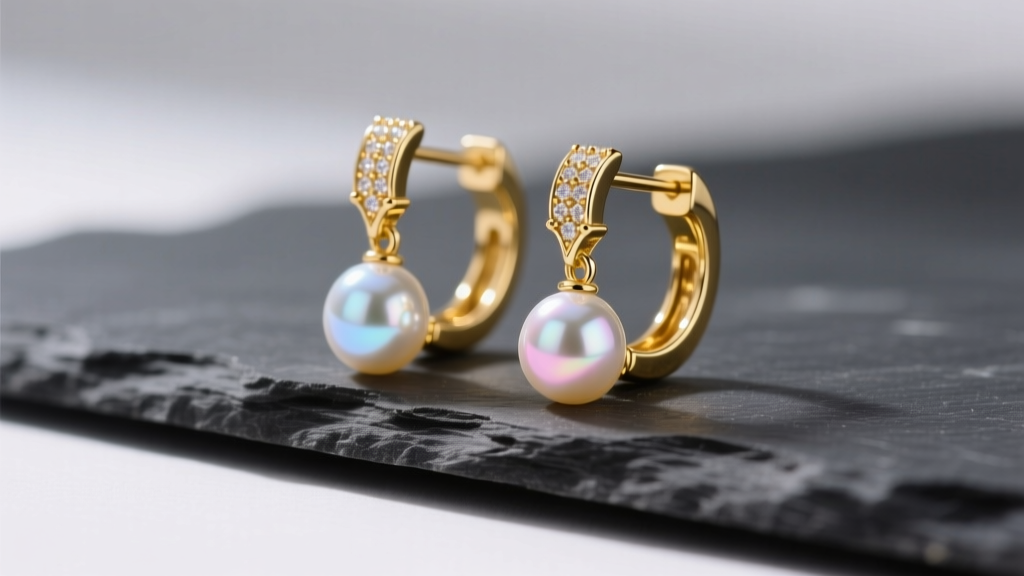
When it comes to fine jewelry, few combinations are as timelessly elegant as the pairing of precious metals and organic gems. However, maintaining the brilliance of your gold earrings pearl drop designs requires a nuanced understanding of two vastly different materials. Gold is a malleable, non-corrosive metal, while a pearl is a delicate, porous organic structure. Standard jewelry cleaning protocols that work perfectly for diamond stud earrings or plain gold hoops can permanently destroy the nacre of a pearl.
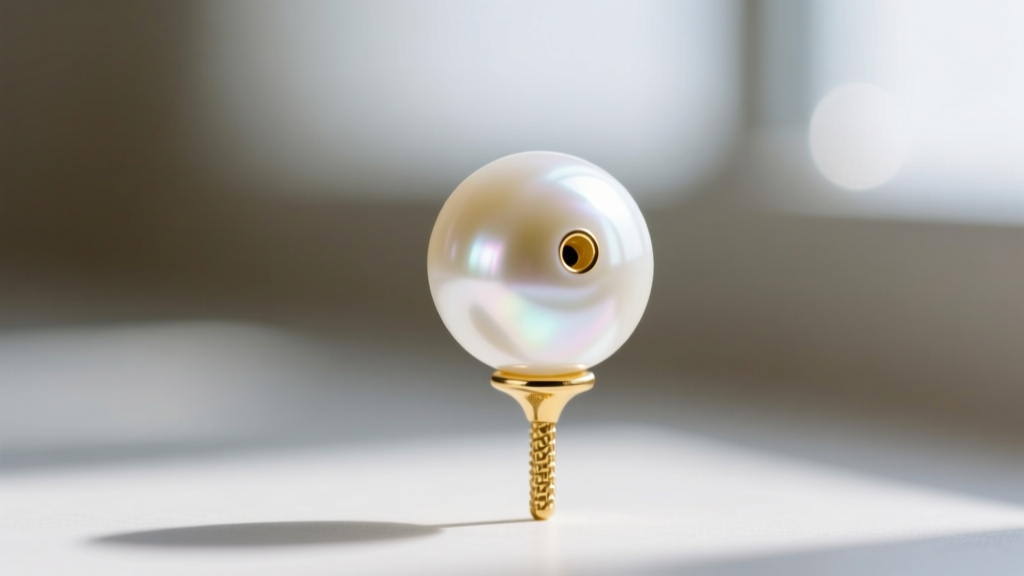
The primary challenge in cleaning these specific earrings lies in their anatomy. A drop earring typically features a gold finding (the post, hook, or leverback) attached to a decorative gold cap or wire, which is then bonded to a half-drilled pearl. This means you are not just cleaning metal and gemstone; you are also managing the structural integrity of the adhesive joint. According to the Gemological Institute of America (GIA), pearls are composed of calcium carbonate and conchiolin (an organic protein), making them highly susceptible to acidic and alkaline degradation. In this comprehensive guide, we will explore the exact protocols required to clean, maintain, and store your pearl drop earrings without compromising their structural or aesthetic integrity.
The Science of Nacre and Gold Alloys
To clean effectively, you must understand the Mohs hardness scale and chemical vulnerabilities of your materials. Pure 24k gold is a 2.5 on the Mohs scale, but jewelry is typically cast in 14k or 18k gold, alloyed with copper, silver, or zinc to increase durability. While 14k gold is relatively resistant to tarnish, the copper content can react with human sebum and environmental sulfur, creating a dull film around the earring post and the pearl's mounting cap.
Pearls, ranging from 2.5 to 4.5 on the Mohs scale depending on the variety (Akoya, South Sea, Tahitian, or Freshwater), are significantly more vulnerable. The conchiolin protein matrix that binds the aragonite platelets of the nacre together is highly sensitive to dehydration and chemical solvents. When you wear your gold earrings pearl drop styles, they are exposed to hairspray, perfume, and natural skin oils. These substances do not just sit on the surface; they penetrate the microscopic pores of the nacre, leading to a yellowing effect and a loss of the pearl's signature orient and luster over time.
Step-by-Step Cleaning Protocol
Forget commercial jewelry dips, ultrasonic machines, and polishing cloths treated with rouge. Cleaning pearl drop earrings requires a gentle, manual approach using pH-neutral solutions. Follow this exact protocol every 4 to 6 weeks, or immediately if the pearls are exposed to heavy perspiration or cosmetics.
1. Preparation and Solution Mixing
Never use tap water. Municipal tap water contains chlorine, fluoride, and varying pH levels that can etch the nacre. Instead, use distilled water. Mix one cup of lukewarm (never hot) distilled water with three drops of a pH-neutral, fragrance-free liquid soap, such as pure Castile soap or a mild baby shampoo. Avoid dish soaps, as they often contain degreasing agents and citrus extracts (citric acid) that will strip the pearl's luster.
2. The Targeted Wipe Technique
Do not submerge the earrings. Submerging drop pearls allows water to seep into the half-drilled hole, which can degrade the adhesive bond and cause the pearl to detach from the gold post. Instead, dip a lint-free microfiber cloth or a cotton swab into the soapy solution, wring it out until it is merely damp, and gently wipe the gold findings. Use a separate, clean, damp cotton swab to softly roll over the surface of the pearl to lift oils and dirt.
3. Rinsing and Drying
Wipe the gold and pearl with a fresh cloth dampened only with pure distilled water to remove any soap residue. Immediately dry the earrings with a soft, untreated jeweler's cloth. Allow them to air dry completely on a towel for at least two hours before storing or wearing them to ensure no moisture remains trapped near the glue joint.
The Hidden Danger: Adhesives and Drop Joints
The most common failure mode for pearl drop earrings is not the scratching of the gold or the dulling of the pearl, but the catastrophic failure of the drop joint. Jewelers typically mount half-drilled pearls onto a gold pin using either cyanoacrylate (super glue) or a two-part jewelry-grade epoxy.
Both of these adhesives have specific chemical weaknesses. Cyanoacrylate becomes brittle over time and dissolves rapidly when exposed to acetone or alcohol. Epoxy is more durable but softens when exposed to prolonged heat or harsh solvents. This is why you must never use rubbing alcohol to sanitize your earring posts if the post is attached directly to a pearl drop. If you need to sanitize the post for a fresh piercing, apply the alcohol strictly to the post wire using a Q-tip, ensuring zero runoff touches the pearl cap or the adhesive seam. The American Gem Society (AGS) consistently warns against using chemical dips on any assembled jewelry featuring organic gems or glued components.
Chemical Compatibility Chart: What to Avoid
To protect your investment, reference this compatibility table before applying any substance to your earrings.
| Cleaning Agent | Effect on 14k/18k Gold | Effect on Pearl Nacre | Effect on Drop Adhesive | Verdict |
|---|---|---|---|---|
| Ultrasonic Cleaners | Safe (if no soft gems) | Shatters nacre layers | Vibrations loosen glue | NEVER USE |
| Ammonia / Window Cleaner | Removes tarnish | Strips luster permanently | Degrades cyanoacrylate | NEVER USE |
| Baking Soda Paste | Mildly abrasive polish | Scratches and dulls | N/A | NEVER USE |
| Rubbing Alcohol | Safe for sanitizing | Dehydrates conchiolin | Dissolves glue bonds | AVOID (Use on post only) |
| Mild Castile Soap + Distilled H2O | Safe, lifts sebum | Safe, lifts surface oils | Safe (if not soaked) | HIGHLY RECOMMENDED |
Storage and Preventative Maintenance
Proper storage is just as critical as the cleaning process. The 'Last On, First Off' rule is the golden standard for pearl jewelry. Your gold earrings pearl drop styles should be the very last thing you put on after applying makeup, perfume, and hairspray, and the first thing you take off when you return home.
The Hydration Paradox
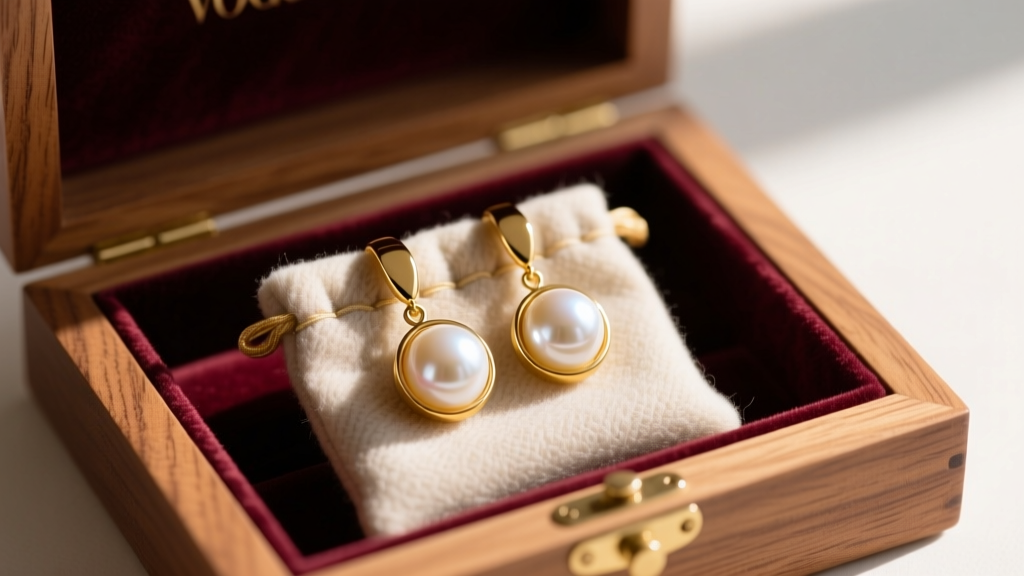
Unlike diamonds or sapphires, pearls need moisture to survive. They are organic and require a certain level of ambient humidity to prevent the conchiolin from drying out, cracking, or flaking. Never store your pearl drop earrings in an airtight plastic bag, a safety deposit box, or wrapped in cotton wool (which absorbs moisture). Instead, store them in a breathable, tarnish-resistant flannel pouch or a soft silk-lined jewelry box. Wearing your pearls regularly is actually one of the best ways to maintain them, as the natural, mild oils from your skin help keep the nacre hydrated and luminous.
Annual Professional Inspections
Even with meticulous home care, the mechanical stress of wearing drop earrings can compromise the hardware. Once a year, take your earrings to a bench jeweler for an inspection. They will check the earring post for bending (14k and 18k gold are soft and can warp under the weight of a heavy South Sea or Tahitian pearl drop), examine the solder joints on the drop mechanism, and safely re-tip or re-glue the pearl to the mounting cap using professional, UV-stable epoxies before a failure occurs.
Conclusion
Caring for gold earrings pearl drop designs is an exercise in restraint and precision. By abandoning harsh commercial cleaners and embracing a gentle, distilled-water-based protocol, you protect both the metallurgical brilliance of the gold and the organic fire of the pearl. Understanding the vulnerabilities of the adhesive joints and the moisture needs of the nacre ensures that your earrings will remain a luminous, structurally sound staple in your collection for decades to come.


