Best Earrings for Big Earlobes: A Complete Buying Guide
Discover the best earrings for big earlobes. Our buying guide covers ideal post lengths, gauge sizes, earring backs, and proportional styling tips.

Finding the perfect jewelry when you have larger, fleshy earlobes can be surprisingly frustrating. Standard jewelry is typically manufactured with a one-size-fits-all approach, assuming an average lobe thickness of 4 to 6 millimeters. If your earlobes exceed this depth, you have likely experienced the discomfort of standard friction backs digging into your skin, posts that are too short to accommodate the tissue, or delicate wires that sag under the weight of a drop earring.
This comprehensive buying guide cuts through the generic advice to provide exact specifications, material grades, and structural considerations for selecting the best earrings for big earlobes. Whether you are upgrading your everyday studs or shopping for statement pieces, understanding the mechanics of earring anatomy will ensure your jewelry is as comfortable as it is beautiful.
The Anatomy of a Perfect Fit for Larger Lobes
The most common point of failure for individuals with larger earlobes is the earring post. A standard stud earring post measures between 10mm and 11mm in length. On a thicker lobe, this leaves virtually zero clearance between the lobe tissue and the earring backing. This lack of breathing room traps moisture, restricts airflow, and creates constant friction, which can lead to contact dermatitis or localized irritation.
Optimal Post Lengths
When shopping, look specifically for manufacturers that offer extended post lengths. For traditional straight-post earrings, you should target a minimum length of 12mm to 14mm. This ensures that the backing secures the earring without compressing the lobe tissue.
Alternatively, consider transitioning to flat back (labret-style) earrings. Flat backs are measured by the wearable post length, allowing you to match the exact thickness of your lobe. If your lobe measures 8mm thick, purchasing an 8mm or 9mm flat back post will provide a flush, custom fit that eliminates the dreaded "sinking" feeling of traditional butterfly backs.
Earring Backs: The Secret to Comfort and Security
The backing mechanism dictates how the weight of the earring is distributed across your lobe. For larger earlobes, surface area and pressure distribution are critical.
| Backing Type | Pros for Larger Lobes | Cons to Consider | Verdict |
|---|---|---|---|
| Butterfly (Friction) | Widely available and inexpensive. | Small surface area digs into fleshy tissue; traps moisture. | Avoid for daily wear. |
| Flat Back (Threaded) | Distributes pressure evenly; custom post lengths available. | Requires precise measurement of lobe thickness. | Highly recommended. |
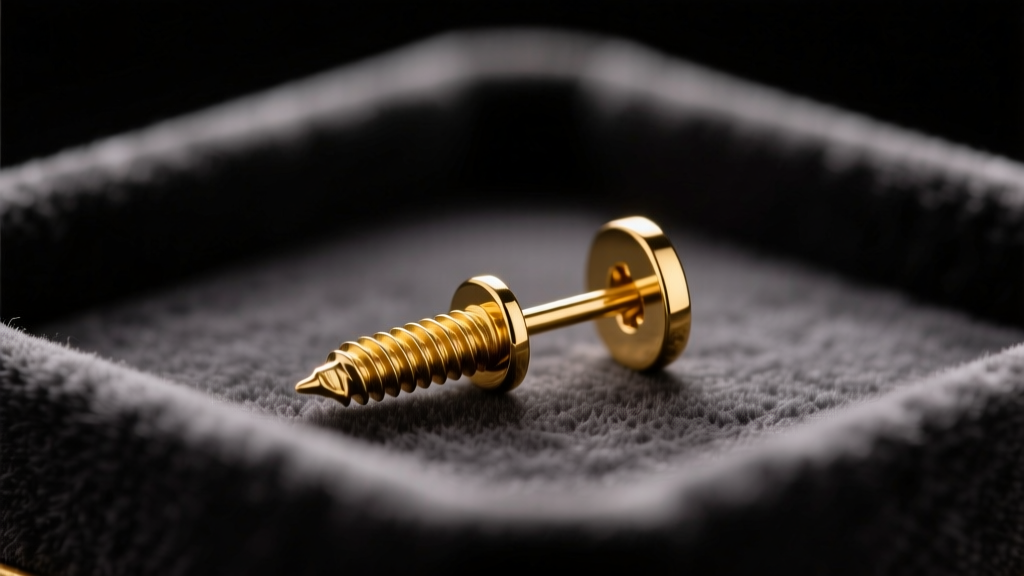
| Screw Back | Extremely secure; prevents loss of heavy earrings. | Threading can strip over time; posts are often still thin. | Good for valuable studs. |
| Silicone O-Rings | Provides a wide, soft cushion against the skin. | Can degrade with exposure to oils and perfumes. | Excellent budget hack. |
If you already own a collection of standard earrings that you love, you do not necessarily need to replace them. Upgrading to medical-grade silicone comfort discs or wide O-rings can instantly transform an uncomfortable friction back into a supportive, cushioned base that rests gently against a larger lobe.
Proportion and Styling: Balancing Visual Weight
Beyond physical comfort, visual proportion plays a massive role in how earrings complement larger earlobes. A tiny 3mm diamond stud, while elegant, can easily get visually "swallowed" by a prominent lobe, failing to frame the face effectively.
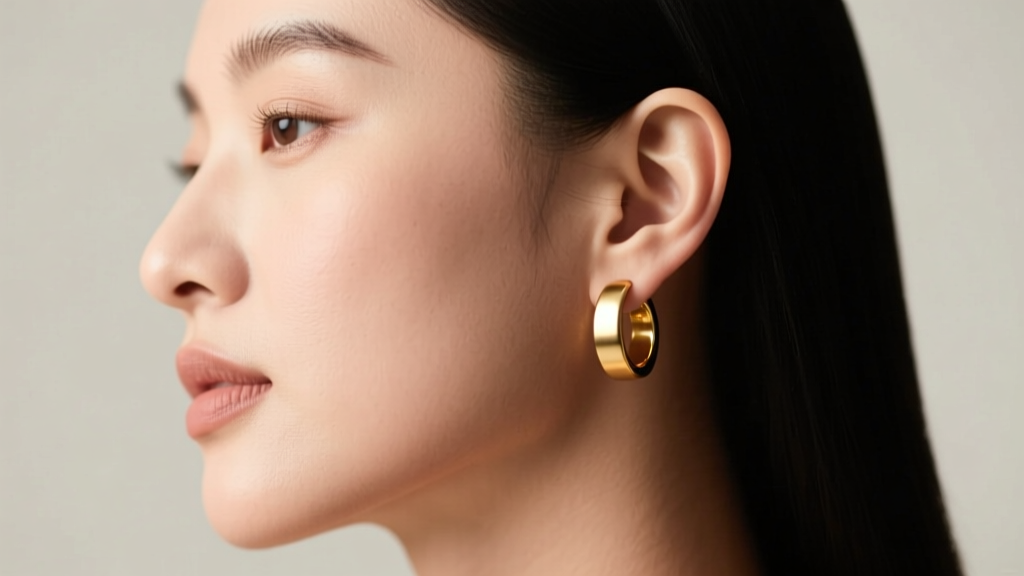
- Huggies and Hoops: Look for huggies with an inner diameter of at least 10mm to 12mm to ensure they actually "hug" rather than pinch the base of the lobe. Medium-sized hoops (15mm to 25mm) offer a beautiful, balanced silhouette that complements the natural volume of the ear.
- Geometric and Statement Studs: Opt for studs with a wider face diameter (8mm to 12mm). Hexagons, squares, or clustered designs provide the necessary visual weight to balance the lobe's proportions.
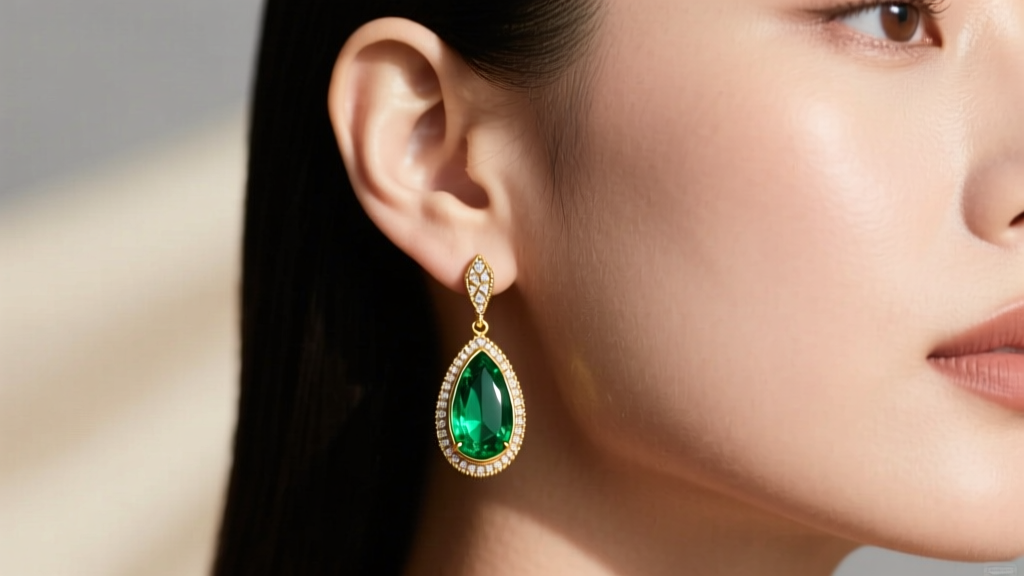
- Drop Earrings: Elongated drops draw the eye downward and work beautifully with larger lobes, provided the structural integrity of the wire is sufficient (more on this below).
Material Grades and Gauge Thickness
One of the most critical concepts to understand when buying earrings for big earlobes is the "cheese cutter effect." This occurs when a thin wire post supports a heavy earring on a fleshy lobe. Gravity pulls the heavy decorative end downward, causing the thin wire to slowly migrate and slice through the bottom of the piercing tract over time.
Understanding Wire Gauge
Standard fashion earrings are typically 20-gauge (0.81mm) or even 22-gauge (0.64mm). These are far too thin for heavy drops on larger lobes. To prevent migration and tissue tearing, you must look for thicker posts:
- 18-Gauge (1.0mm): The minimum acceptable thickness for medium-weight drops and larger hoops.
- 16-Gauge (1.2mm): The ideal standard for heavy statement pieces, providing robust structural support that distributes weight safely across the piercing channel.
Hypoallergenic Material Standards
Because larger lobes have more surface area in contact with the earring post and backing, the risk of nickel allergies or metal sensitivities is amplified. According to the Association of Professional Piercers (APP), the safest materials for prolonged skin contact are ASTM F136 implant-grade titanium and niobium. If you prefer precious metals, ensure you are purchasing solid 14k or 18k gold that complies with FTC jewelry guidelines, strictly avoiding gold-plated brass or nickel-containing white gold alloys.
Troubleshooting Common Fit Issues
Even with the right earrings, larger earlobes can present unique styling challenges. Here is how to troubleshoot the most common issues:
1. The "Sagging" Drop Earring
If your drop earrings point forward or droop downward instead of hanging straight, the issue is a lack of anterior support. The fix: Use an earring lifter (a small, clear silicone patch that adheres to the back of the earlobe) or switch to a French wire hook paired with a secure silicone O-ring to lock the earring in a vertical position.
2. Irritation at the Piercing Hole
Persistent redness or tenderness is often a mechanical issue, not just a metal allergy. If your post is too short, the backing creates a pressure ulcer on the back of the lobe. The fix: Measure your lobe thickness with a digital caliper and order custom-length flat back posts from specialized body jewelry brands like Anatometal or Industrial Strength.
3. Huggies Pinching the Lobe
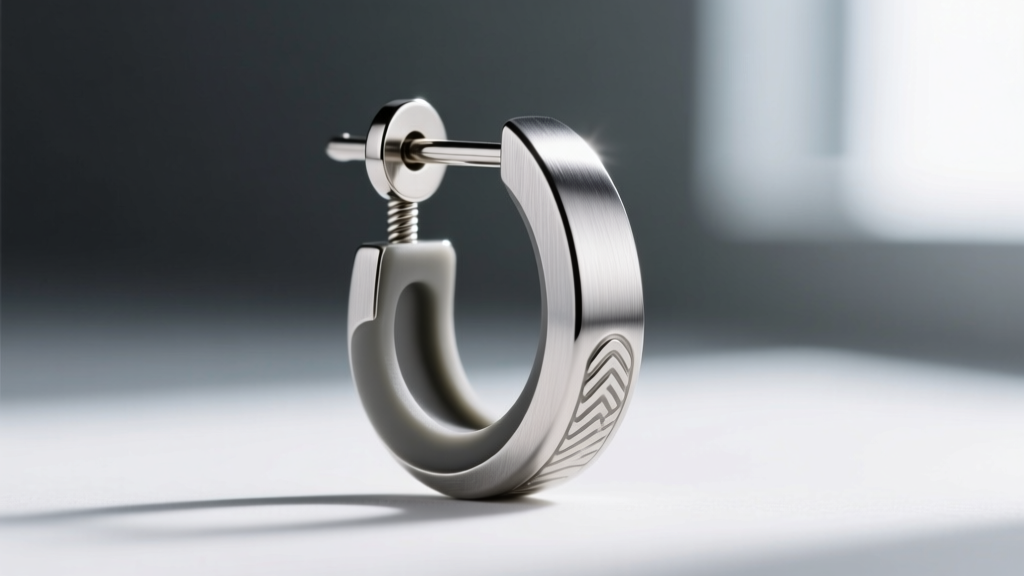
If a huggie hoop feels tight or causes the bottom of your lobe to bulge, the inner diameter is too small. The fix: Abandon standard "one-size" huggies and look for brands that offer adjustable tension hinges or specifically list an inner diameter of 12mm or greater.
Where to Shop: Brand Recommendations
When seeking out these specific structural requirements, mainstream fast-fashion retailers rarely provide the necessary gauge or post-length options. Instead, look toward specialized brands:
- For Flat Backs & Custom Lengths: Brands like Maria Tash and Buddha Jewelry Organics offer high-end, threaded flat backs in precise millimeter increments and 16g/18g thicknesses.
- For Heavy Drops: Look for artisan jewelers on platforms like Etsy who explicitly state their wire gauge. Search specifically for "16g solid gold drop earrings" to ensure you are getting a structurally sound piece.
- For Comfort Backs: BlingGuard and LobeWonder manufacture excellent silicone support patches and wide comfort clutches that retrofit your existing jewelry collection.
By prioritizing post length, gauge thickness, and pressure-distributing backings, you can curate a jewelry collection that celebrates your unique anatomy without sacrificing an ounce of comfort or style.