How to Choose and Style Emerald Drop Earrings Gold Pieces
Master selecting, authenticating, and styling emerald drop earrings gold settings with our expert guide on gem grades, karats, and face matching.
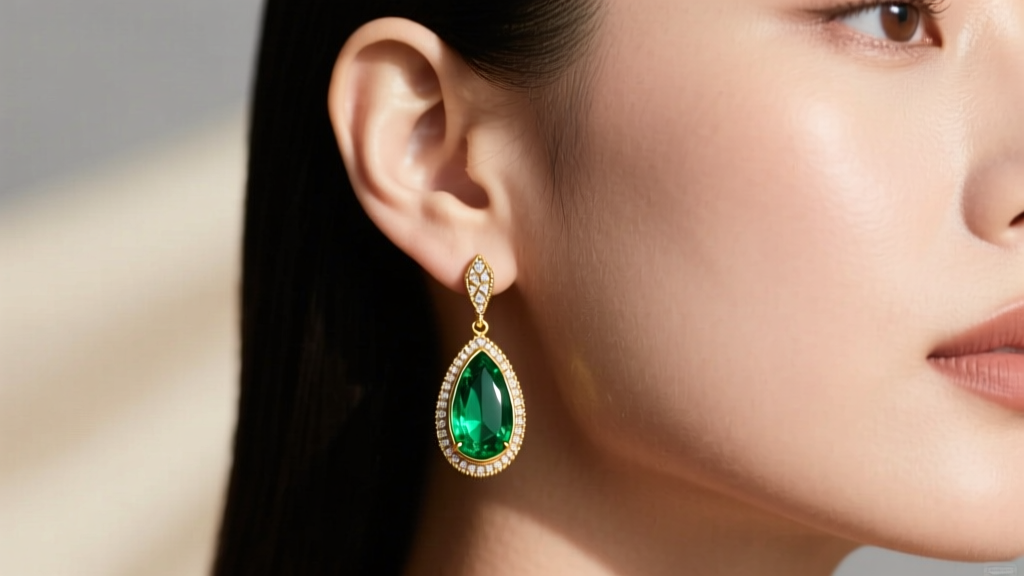
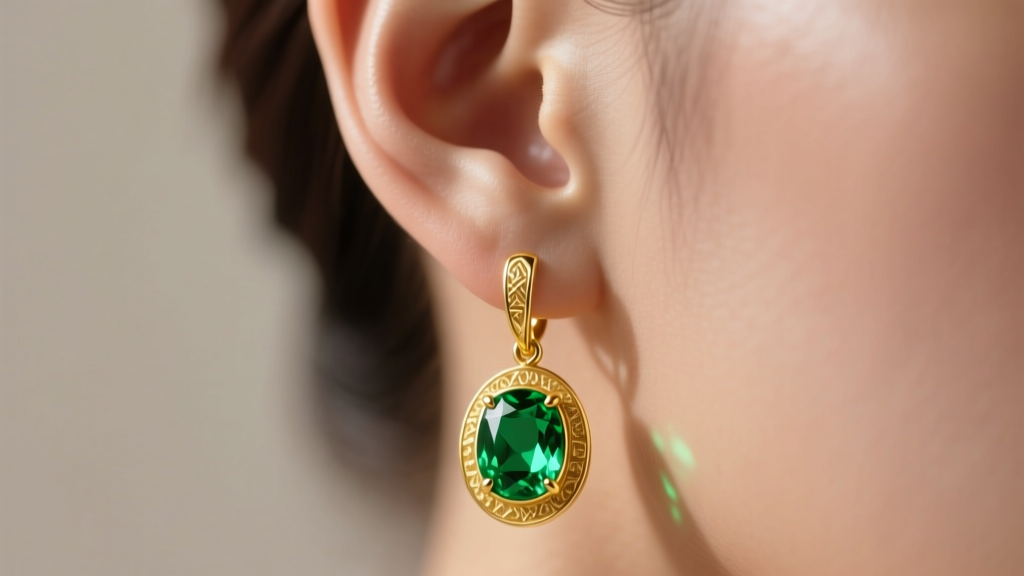
Emeralds have captivated jewelry enthusiasts for millennia, but pairing these lush, vibrant gemstones with precious metals requires more than just an eye for color. When investing in emerald drop earrings gold settings, the interplay between gemstone durability, metal tensile strength, and facial geometry is critical. Unlike studs, drop earrings introduce a pendulum effect that places unique physical stress on both the gemstone prongs and the ear wire. This comprehensive, step-by-step guide will teach you how to evaluate quality, authenticate treatments, select secure clasps, and style your pieces like a master jeweler.
Step 1: Evaluating Emerald Clarity and Gold Karat Durability
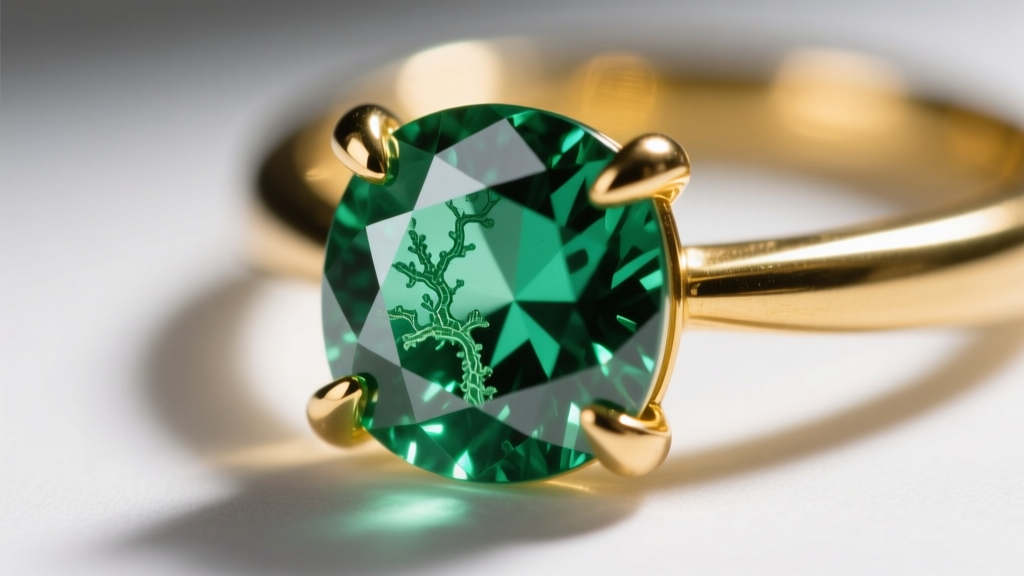
The first step in selecting premium emerald drop earrings gold designs is understanding the physical limitations and grading standards of the materials involved. According to the Gemological Institute of America (GIA), emeralds are classified as Type III gemstones, meaning they are almost always included. These internal fractures and inclusions are poetically referred to as 'jardin' (French for garden). While inclusions are expected, they significantly impact the structural integrity of the stone, especially in a drop setting where the gemstone may swing and strike against surfaces.
The Karat Conundrum: 14k vs. 18k Gold
While 18k gold (75% pure gold) offers a richer, warmer hue that beautifully complements the verdant tones of an emerald, it is inherently softer. For drop earrings, which rely on a single post or wire to support the entire weight of the dangling stone, 14k gold (58.5% pure gold) is vastly superior. The additional alloys in 14k gold—typically copper and silver—provide the tensile strength required to prevent the ear wire from bending or the prongs from pulling away from the gemstone over time. If you prefer the color of 18k gold, ensure the structural components (like the post and backing) are reinforced or crafted from a hardened alloy.
Step 2: Authenticating Treatments and Selecting Secure Clasps
The vast majority of emeralds on the market are treated to improve their clarity and color. The traditional and widely accepted method is oiling with cedarwood oil, which fills surface-reaching fractures and reduces their visibility. However, modern treatments often involve epoxy resins or polymers (like Opticon) which are more durable but can severely diminish the resale value of the stone if undisclosed. When examining emerald drop earrings gold settings, always request a report from a reputable gemological laboratory verifying the type and extent of the treatment.
Clasp Mechanisms for Heavy Drops
Drop earrings featuring dense, multi-carat emeralds require specialized backing systems to prevent loss. Standard butterfly friction backs frequently fail under the pendulum weight of a heavy drop, causing the earring to tilt forward and eventually slip out. When shopping, prioritize these secure mechanisms:
- Omega Backs: These feature a wide, hinged surface area that distributes the weight of heavy emerald drop earrings gold settings evenly across the back of the earlobe, preventing painful sagging.
- Leverback Closures: A hinged wire that snaps securely into a catch, offering the highest level of security for valuable gemstone drops that swing with movement.
- French Wire with Silicone O-Rings: The classic hook design is elegant, but must always be paired with high-grade, hypoallergenic silicone stoppers to prevent the earring from sliding out during physical activity.
Step 3: Styling Drop Lengths for Face Shapes and Occasions
Styling emerald drop earrings gold pieces requires an understanding of facial geometry and neckline pairings. The length of the drop can dramatically alter the perceived proportions of your face. The American Gem Society emphasizes that jewelry should balance, rather than mimic, your natural features.
| Face Shape | Ideal Drop Length | Gold Color Recommendation | Styling Rationale |
|---|---|---|---|
| Round | Long, linear drops (2+ inches) | White Gold or Platinum | Elongates the face; cool metals provide sharp contrast to soften roundness. |
| Square | Medium, curved drops (1.5 inches) | Yellow Gold | Curved silhouettes soften a strong jawline; warm gold complements angularity. |
| Oval | Any length; teardrops excel | Rose Gold | Balanced proportions allow for versatility; rose gold adds a modern, romantic flush. |
| Heart | Short to medium, bottom-heavy | Yellow Gold | Wider drops at the bottom balance a narrower chin; yellow gold draws the eye downward. |
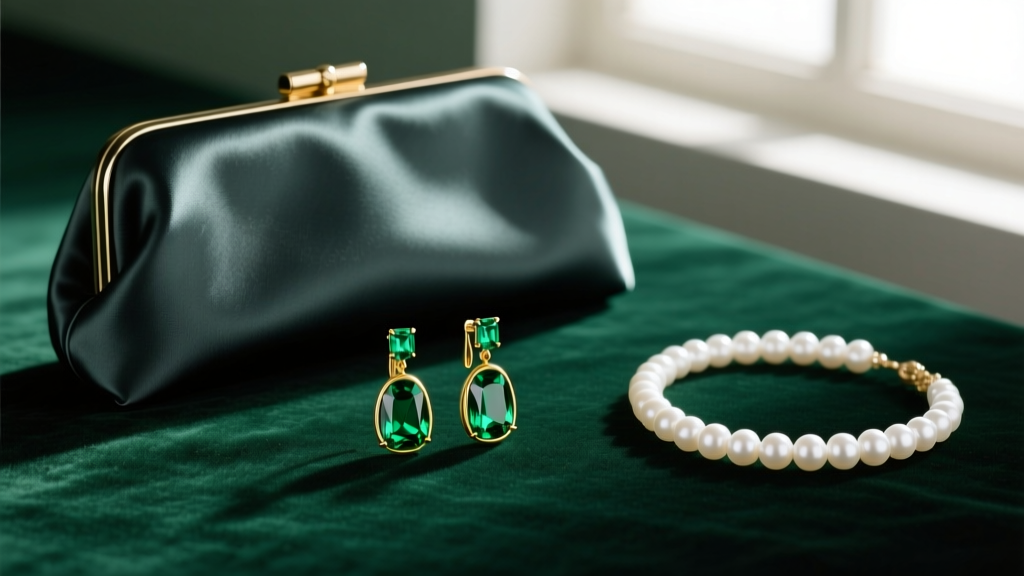
When it comes to necklines, emerald drop earrings gold designs pair exceptionally well with V-necks and sweetheart necklines, which echo the downward trajectory of the earring. Avoid wearing long drops with high collars or intricate halter necks, as the visual competition will clutter your silhouette and risk the gemstone catching on the fabric.
Step 4: The Safe Cleaning Protocol for Oiled Emeralds
Perhaps the most critical step in owning emerald jewelry is understanding what not to do. Because most emeralds are fracture-filled with oils or resins, exposing them to heat, harsh chemicals, or high-frequency vibrations can be catastrophic.
Expert Warning: Never place oiled or resin-filled emeralds in an ultrasonic cleaner. The high-frequency vibrations can cause internal fractures to shatter the stone, while the heat will melt or dry out the cedarwood oil, leaving the emerald looking cloudy, white, and heavily fractured.
Step-by-Step Safe Cleaning Routine
To maintain the brilliance of your emerald drop earrings gold settings, follow this gentle, jeweler-approved cleaning protocol every few months:
- Prepare the Solution: Mix one part mild, phosphate-free dish soap with ten parts lukewarm distilled water in a shallow glass bowl. Avoid hot water, which can expand internal fractures.
- Surface Dusting: Before wetting the stone, use a clean, dry makeup brush to gently sweep away any loose dust or cosmetic powders trapped in the prongs.
- Gentle Agitation: Dip a super-soft baby toothbrush into the soapy solution and gently brush the back (pavilion) of the emerald, where skin oils and lotions accumulate and block light return.
- Rinse and Dry: Briefly rinse the earrings under a gentle stream of lukewarm water. Immediately pat dry with a lint-free microfiber cloth. Do not air dry, as water spots can form on the gold setting.
- Re-Oiling (Optional): If your emerald begins to look dry or chalky over the years, a professional jeweler can safely re-oil the stone using a vacuum chamber to ensure the cedar oil penetrates the micro-fractures without damaging the gold setting.
Final Thoughts on Investment and Wearability
Selecting the perfect pair of emerald drop earrings gold settings is an exercise in balancing aesthetic beauty with structural engineering. By prioritizing 14k gold for durability, demanding transparency regarding gemstone treatments, and adhering to strict, non-ultrasonic cleaning protocols, you ensure that your investment remains vibrant and secure for generations. Whether you are styling a medium-length teardrop for a formal gala or a subtle, short drop for everyday elegance, the rich contrast between verdant emeralds and luminous gold remains one of the most timeless pairings in the world of fine jewelry.


