Bottle Cap Earrings Buying Guide: Materials, Sizing & Top Picks
Discover what to look for when buying bottle cap earrings. Our guide covers hypoallergenic metals, resin vs. enamel, sizing, and styling tips.

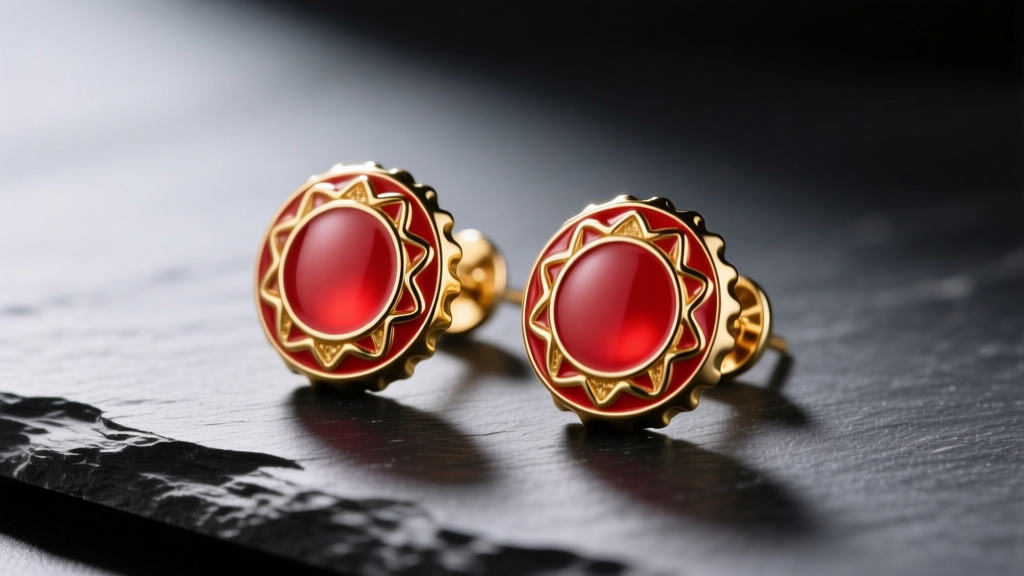
The Appeal of Bottle Cap Earrings
Bottle cap earrings occupy a unique intersection in the jewelry world, bridging the gap between nostalgic pop-art novelty and meticulous artisanal craftsmanship. Whether you are drawn to upcycled eco-jewelry, retro diner aesthetics, or high-end enamel work, these miniature crowns offer a bold statement. However, the novelty shape presents specific structural challenges regarding weight distribution, edge finishing, and material longevity. This comprehensive buying guide breaks down exactly what to look for when investing in bottle cap earrings, ensuring your quirky accessories are as durable and comfortable as they are eye-catching.
Decoding Materials: Enamel, Resin, and Upcycled Metal
The visual impact of bottle cap earrings relies heavily on the manufacturing technique. Understanding the difference between mass-produced stamped metals and artisan-crafted pieces is critical for assessing value and durability.
Hard Enamel vs. Soft Enamel
High-quality bottle cap studs are often crafted using cloisonné or hard enamel techniques. According to the Gemological Institute of America (GIA), true hard enamel involves fusing glass powder to a metal base at extreme temperatures, resulting in a smooth, scratch-resistant surface that is level with the metal cloisons. Soft enamel, conversely, leaves the metal ridges raised and the color fields recessed, which can trap oils and lotions over time. For everyday wear, hard enamel over a solid brass base is the superior choice.
Upcycled and Resin-Domed Caps
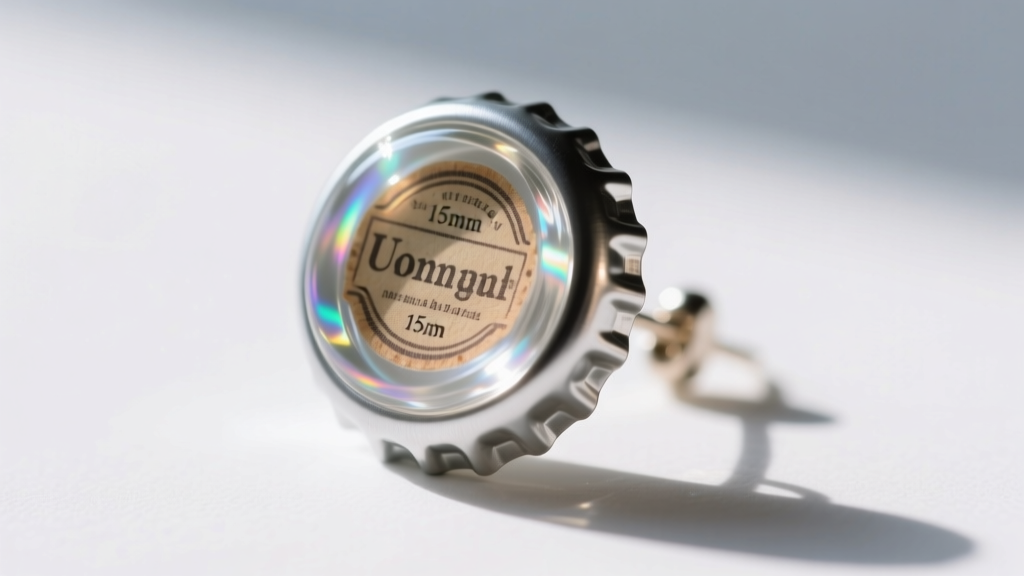
Many indie jewelers upcycle actual aluminum or steel beverage caps. The critical flaw in poorly made upcycled earrings is the failure to properly seal the crimped 'skirt' of the cap. Look for pieces sealed with high-viscosity, jewelry-grade UV resin. This doming process not only magnifies the underlying vintage label or artwork but also encapsulates the sharp, cut edges of the metal, preventing snags on hair and clothing.
| Material Type | Base Metal | Durability | Price Range |
|---|---|---|---|
| Hard Enamel | Brass / Copper | Excellent (Scratch-resistant) | $35 - $85 |
| Soft Enamel | Zinc Alloy | Moderate (Prone to chipping) | $15 - $30 |
| Upcycled Resin | Aluminum / Steel | Good (UV sensitive over time) | $25 - $50 |
| Stamped Painted | Aluminum | Poor (Paint flakes easily) | $5 - $15 |
Hardware and Hypoallergenic Standards
The whimsical front of a bottle cap earring should never compromise the biocompatibility of the post that actually enters your piercing. Because novelty earrings are frequently manufactured by novelty companies rather than dedicated jewelers, the hardware is often an afterthought.
Post Gauges and Implant-Grade Metals
Standard lobe piercings typically accommodate 20-gauge (0.81mm) or 18-gauge (1.02mm) posts. However, if you have sensitive ears, the metal alloy is paramount. Avoid vague terms like 'surgical steel,' which often contains nickel. Instead, verify that the manufacturer uses ASTM F136 compliant titanium or pure niobium. The Association of Professional Piercers (APP) strictly recommends implant-grade titanium for initial and sensitive piercings due to its zero-nickel composition and high polish, which minimizes tissue irritation.
Clutch and Backing Security
Bottle cap studs, particularly those in the 15mm to 20mm range, carry more frontal weight than a standard 4mm pearl stud. Standard metal butterfly clutches often fail to grip the post securely under this uneven weight distribution, causing the earring to droop or fall out. Always look for sellers that include secure silicone disc clutches or locking ear nuts to keep the bottle cap facing forward.
Sizing, Scale, and Weight Distribution
A standard real-world beverage cap measures exactly 26mm in diameter. While a 26mm bottle cap earring makes a fantastic dangle or statement piece, it is overwhelmingly large for a standard stud. Understanding scale is vital for both aesthetics and ear health.
The Scale Spectrum
- 10mm - 12mm (Micro Studs): Ideal for secondary lobe piercings or upper cartilage (helix). These offer a subtle nod to the motif without overwhelming the ear.
- 15mm - 18mm (Standard Studs): The sweet spot for primary lobe piercings. Large enough to read the design clearly, but light enough to prevent lobe fatigue.
- 26mm (Statement Dangles): True-to-size replicas. These should never be worn as friction-post studs. The leverage created by a 26mm cap on a rigid post will stretch the piercing hole and cause the 'cheese cutter effect' over time.
Weight Mitigation for Dangles
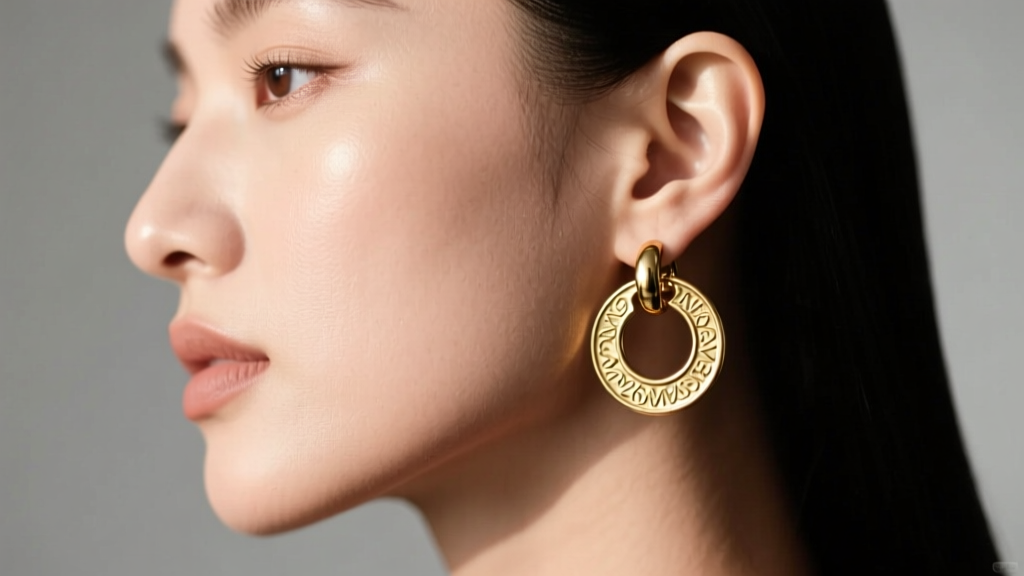
If you opt for true-to-size 26mm dangles, ensure they are hung from a French wire or a leverback hoop rather than a rigid post. This allows the earring to articulate and move with your head, dispersing the kinetic energy and reducing static stress on the fistula (the piercing channel).
Quality Control: What to Inspect Before Buying
When evaluating bottle cap earrings, whether online or in a boutique, run through this specific quality control checklist to ensure you are getting a piece built to last.
A true artisan upcycler will never leave the interior of a bottle cap raw. Moisture trapped inside the unsealed metal skirt will cause rapid oxidation, turning the earring brown and potentially causing skin discoloration.
- Edge Smoothing: Run your finger along the perimeter of the cap. If it is an upcycled piece, the crimped edges must be sanded flush and sealed. Any sharp burrs indicate poor finishing.
- Resin Clarity: For resin-domed caps, inspect the surface under direct light. High-quality UV resin should be crystal clear. A yellowish tint or trapped micro-bubbles indicates rushed curing or cheap resin formulas.
- Soldering Integrity: If the earring is a solid cast metal piece, check the solder joint where the post meets the back of the cap. It should be a clean, flush pad of silver or gold solder, not a messy, oxidized blob that could snap under pressure.
- Colorfastness: For painted aluminum caps, check if a clear protective topcoat has been applied. Bare acrylic paint on metal will chip within weeks of regular wear.
Styling Frameworks for Novelty Jewelry
Because bottle cap earrings inherently carry a casual, retro, or kitschy connotation, styling them requires intentional contrast to elevate the look from 'costume' to 'curated eclectic.' Pair hard enamel bottle cap studs with structured, tailored clothing—such as a crisp oversized blazer or a silk button-down. The juxtaposition of high-end tailoring with pop-art jewelry creates a sophisticated, fashion-forward aesthetic. For upcycled resin dangles, lean into the eco-conscious vibe by pairing them with textured, natural fabrics like raw linen or heavyweight organic cotton, allowing the vintage typography inside the cap to serve as the focal point of your accessory lineup.


