Clear Hoop Earrings: A Beginner's Guide to Styling & Care
Discover everything about clear hoop earrings. Learn about glass vs acrylic materials, gauge sizes, and styling tips for lobes and cartilage.

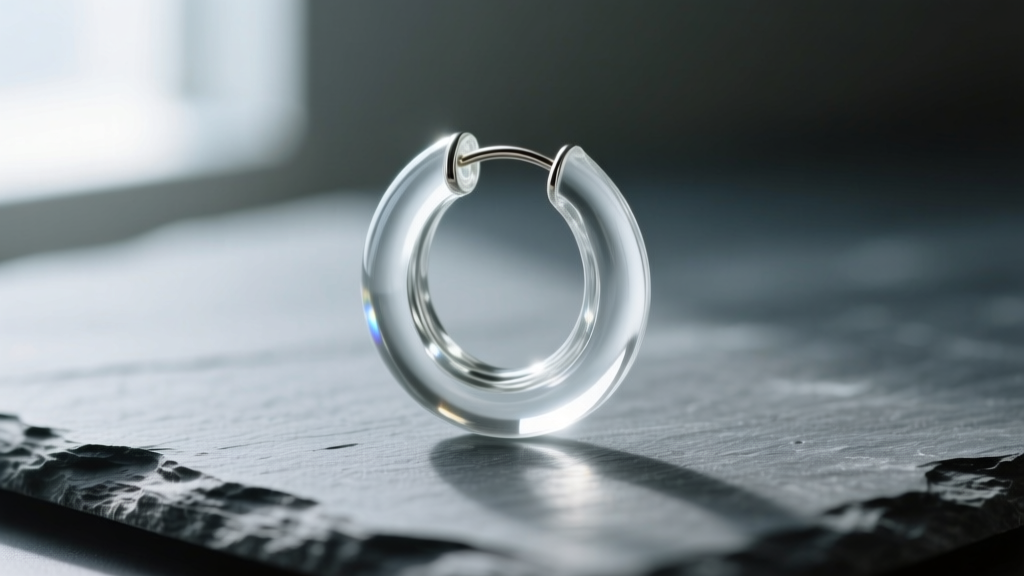
Clear hoop earrings have transcended fleeting trends to become a staple in modern, minimalist jewelry curation. Whether you are aiming for an ethereal, barely-there look or want to let your ear anatomy take center stage without the distraction of heavy metals, transparent hoops are the ultimate solution. However, navigating the world of clear jewelry can be deceptive. What looks like a simple aesthetic choice actually involves critical decisions regarding material science, biocompatibility, and precise sizing.
As a beginner, buying the wrong type of clear hoop can lead to contact dermatitis, piercing migration, or shattered jewelry. This comprehensive guide will walk you through the exact specifications, material grades, and styling frameworks you need to master clear hoop earrings in 2026.
The Material Science of Clear Jewelry
Not all transparent materials are created equal. The most common mistake beginners make is assuming all clear earrings are made from the same plastic or glass. Understanding the molecular structure of your jewelry is vital for piercing health.
Acrylic (PMMA): The Budget Trap
Acrylic, or Polymethyl methacrylate, is the most widely available and cheapest clear material on the market. While it is lightweight and shatter-resistant, it is highly porous at a microscopic level. This porosity harbors bacteria and dead skin cells. Furthermore, lower-grade acrylics can leach methyl methacrylate monomers, which are known skin sensitizers. Acrylic should never be worn in unhealed piercings or left in the ear for prolonged periods without rigorous cleaning.
Borosilicate Glass: The Professional Standard
When professional piercers recommend clear jewelry, they are almost exclusively referring to borosilicate glass. This is the same material used in high-end laboratory beakers. It is entirely non-porous, hypoallergenic, and can be autoclaved (sterilized using high-pressure steam). According to the Association of Professional Piercers (APP), glass is one of the safest materials for both fresh and healed piercings due to its inert nature.
Fused Quartz and Natural Crystals
For those seeking a premium upgrade, fused quartz and hand-carved clear quartz crystals offer exceptional clarity and natural durability. Brands like Glasswear Studios specialize in hand-lampworked glass and quartz jewelry that features seamless integration and polished finishes that glide through the fistula (the piercing channel) without causing micro-tears.
Sizing and Gauge: Getting the Perfect Fit
Unlike studs, which only require you to match the gauge (thickness), hoops require you to calculate both the gauge and the Inner Diameter (ID). Getting the ID wrong is the primary reason beginners experience irritation bumps with clear hoops.
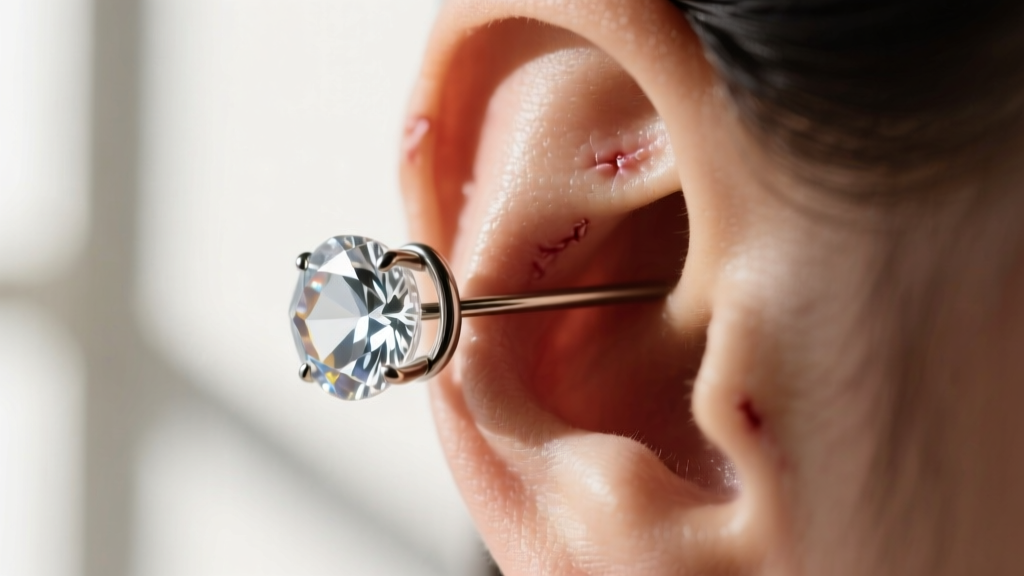
Understanding Gauge Thickness
- 20 Gauge (0.81mm): Standard for basic earlobe piercings done with a needle. Rarely used for cartilage.
- 18 Gauge (1.02mm): The most common size for standard lobe piercings and some delicate cartilage piercings like the tragus.
- 16 Gauge (1.29mm): The industry standard for almost all cartilage piercings, including the helix, conch, and daith. If your cartilage was pierced with a 16G needle, wearing an 18G hoop can cause the fistula to shrink, making future upsizing painful.
Calculating Inner Diameter (ID)
The ID is the measurement of the empty space inside the hoop, not the total outer width. If your ID is too small, the hoop will press against the skin, causing pressure necrosis and irritation bumps. If it is too large, it will snag on hair and clothing.
| Piercing Location | Recommended Gauge | Ideal Inner Diameter (ID) | Best Material |
|---|---|---|---|
| Standard Lobe | 18G or 16G | 10mm - 12mm | Borosilicate Glass |
| Helix / Forward Helix | 16G | 8mm - 10mm | Fused Quartz / Glass |
| Tragus | 16G | 6mm - 8mm | Glass with O-ring |
| Conch | 16G or 14G | 12mm - 16mm | Thick Glass / Quartz |
| Daith | 16G | 10mm (Heart/Daith shape) | Glass Clicker |
Styling Frameworks for Clear Hoops
Clear hoop earrings offer a unique styling advantage: they create the illusion of floating jewelry. Because the material refracts light rather than reflecting it like gold or silver, the focus remains entirely on your ear anatomy and facial structure.
The Minimalist Ear Curation
If you are building a curated ear, clear hoops act as the perfect 'neutral' anchor. Pair a 10mm borosilicate glass hoop in your upper lobe with a delicate titanium threadless stud in your helix. The clear hoop prevents the ear from looking visually cluttered while maintaining the structural flow of a stacked piercing setup.
Face Shape Considerations
Because clear hoops lack visual weight, they do not drag the face down or widen the jawline, making them universally flattering. However, the thickness of the glass matters:
- Round Faces: Opt for slightly thicker glass hoops (3mm-4mm glass diameter) with a larger drop (12mm+ ID) to elongate the profile.
- Angular/Square Faces: Choose thinner, delicate quartz hoops (2mm glass diameter) with a snug fit (8mm ID) to soften sharp jawlines without adding harsh geometric lines.
Common Beginner Mistakes (And How to Avoid Them)
"The most frequent issue I see with clear jewelry isn't the material itself, but the hardware. Beginners often buy cheap acrylic captive bead rings (CBRs) and use pliers to bend the metal, which micro-fractures the clear plastic, leading to sudden snapping inside the piercing."
— Senior Piercer, SafePiercing Certified
To avoid damaging your piercings or your jewelry, steer clear of these critical errors:
- Sleeping in Rigid Glass: While borosilicate glass is strong, it does not flex. If you sleep on a tight 8mm glass hoop in a helix piercing, the sustained pressure can cause the glass to snap or, worse, drive the jewelry into the cartilage. Always swap to a flat-back labret stud for sleeping, or use a specialized piercing pillow with a central divot.
- Using Alcohol or Acetone: Never clean acrylic or resin clear hoops with rubbing alcohol, hand sanitizer, or nail polish remover. These solvents will cause the plastic to cloud, craze (develop micro-cracks), and degrade. Stick to sterile saline solution (0.9% sodium chloride) for all cleaning.
- Forcing Captive Beads: Clear acrylic beads used in CBRs are notoriously fragile. If your hoop feels too tight, do not force the bead into the tension gap. Instead, visit a professional piercer who can use ring-opening pliers to safely expand the metal or glass base.
Your Daily Care and Maintenance Routine
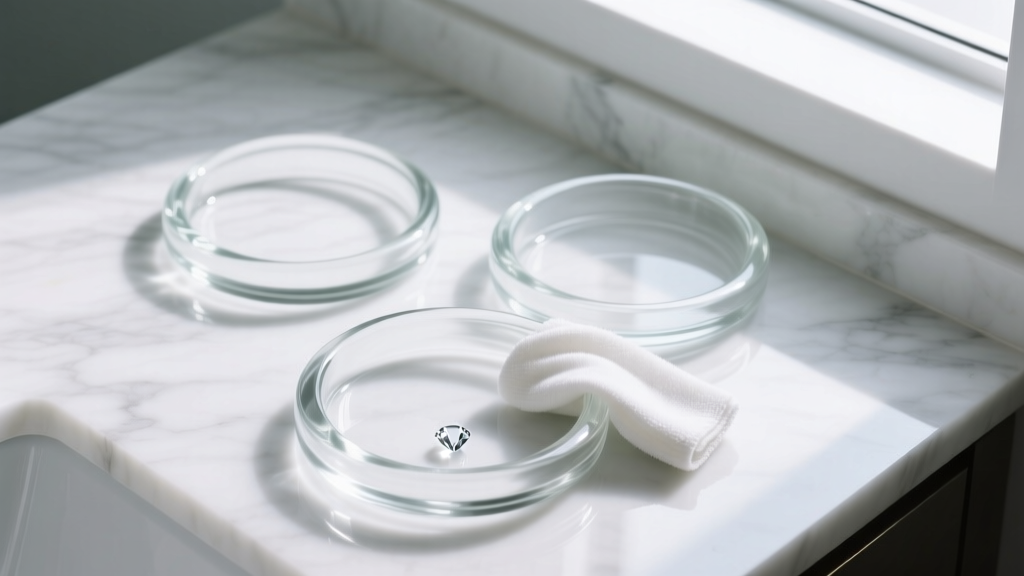
Maintaining the optical clarity of your hoops requires a specific routine. Glass and quartz can accumulate sebum (skin oils) and dead skin cells, which will make them look cloudy and dull within 48 hours of wear.
The 3-Step Clarity Protocol
Step 1: The Saline Soak
Once a week, remove your glass or quartz hoops and place them in a small shot glass filled with sterile wound wash saline. Let them soak for 5 to 10 minutes. This softens any hardened sebum or crusties without scratching the surface.
Step 2: The Microfiber Wipe
Remove the hoops and gently wipe them with a clean, lint-free microfiber cloth. Avoid paper towels or tissues, as the wood pulp fibers can leave microscopic scratches on polished glass, eventually causing permanent cloudiness.
Step 3: The Steam Polish (Glass Only)
For borosilicate glass and quartz, you can hold the jewelry over a steaming kettle for 3-5 seconds, then buff it dry with a jewelry polishing cloth. This restores the high-gloss, diamond-like finish. Note: Never use steam on acrylic or bioplast, as the heat will warp the material instantly.
Final Thoughts on Investing in Quality
When shopping for clear hoop earrings, the adage 'you get what you pay for' is a biological necessity. A $5 pack of acrylic hoops from a fast-fashion retailer may seem appealing, but the cost of treating an infected cartilage piercing or an allergic reaction far outweighs the initial savings. Invest in hand-blown borosilicate glass or precision-cut quartz from reputable body jewelry brands. By respecting the material science and adhering to precise gauge and ID measurements, your clear hoops will remain a breathtaking, invisible staple in your jewelry collection for years to come.


