2026 Gift Guide: Top Golden Earring Hits for Every Occasion
Discover the top golden earring hits for 2026. Our expert gift guide matches karats, styles, and gauge sizes to every milestone occasion and budget.

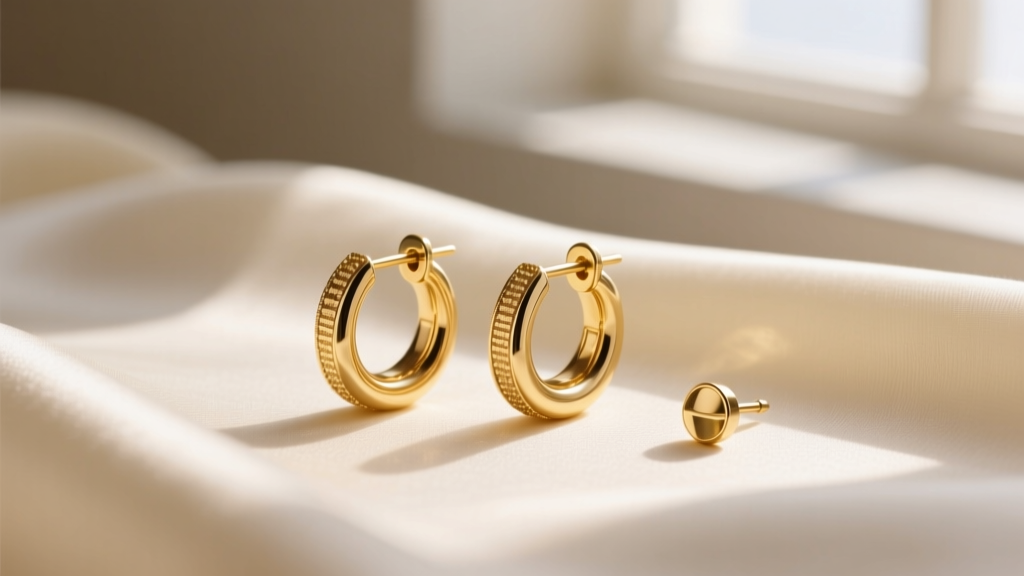
The Metallurgy of Gifting: Decoding Karats for Occasions
Gifting jewelry in 2026 requires more than simply selecting a trending aesthetic; it demands a nuanced understanding of metallurgy, anatomy, and the recipient’s lifestyle. When curating a list of the season's most coveted golden earring hits, the first variable to master is the gold karat. Gold in its purest form (24k) is exceptionally soft, measuring merely 25 on the Vickers hardness scale. This makes it entirely unsuitable for earring posts, which require structural rigidity to survive daily wear without bending or snapping.
To create durable, enduring gifts, gold is alloyed with metals like copper, silver, zinc, and palladium. According to the Gemological Institute of America (GIA), the most common standards for fine jewelry are 14k and 18k. 14k gold (58.5% pure gold) boasts a Vickers hardness of roughly 120-140 HV, making it the ultimate workhorse for everyday studs and active recipients. 18k gold (75% pure gold) sits around 90-110 HV, offering a richer, deeper yellow hue and higher intrinsic value, making it the premier choice for milestone celebrations where the piece will be worn with intention and care.
Occasion-Matching Matrix: The 2026 Golden Earring Hits
Matching the style of the earring to the gravity of the occasion is where good gift-givers become great. Below is our definitive 2026 matrix for aligning golden earring hits with specific life milestones, complete with technical specifications to ensure your gift is both beautiful and structurally sound.
| Occasion | Ideal Style | Recommended Karat | Post Gauge | Est. Price Range |
|---|---|---|---|---|
| College Graduation | Textured Gold Huggies | 14k Yellow Gold | 16G (1.29mm) | $150 - $350 |
| Wedding / Anniversary | Diamond & Gold Drop Earrings | 18k Yellow or White Gold | 18G (1.02mm) | $800 - $2,500+ |
| Milestone Birthday (30/40) | Ear Cuffs & Climbers | 18k Rose or Yellow Gold | 18G / 20G | $400 - $900 |
| Everyday Luxury / Promotion | Sculptural Knot Studs | 14k Solid Gold | 20G (0.81mm) | $120 - $280 |
For graduations, huggies offer a secure, snag-free profile that transitions seamlessly from the cap-and-gown ceremony to the corporate boardroom. For weddings and major anniversaries, 18k gold drop earrings provide the necessary visual weight and luxury to complement formal attire without competing with a neckline.
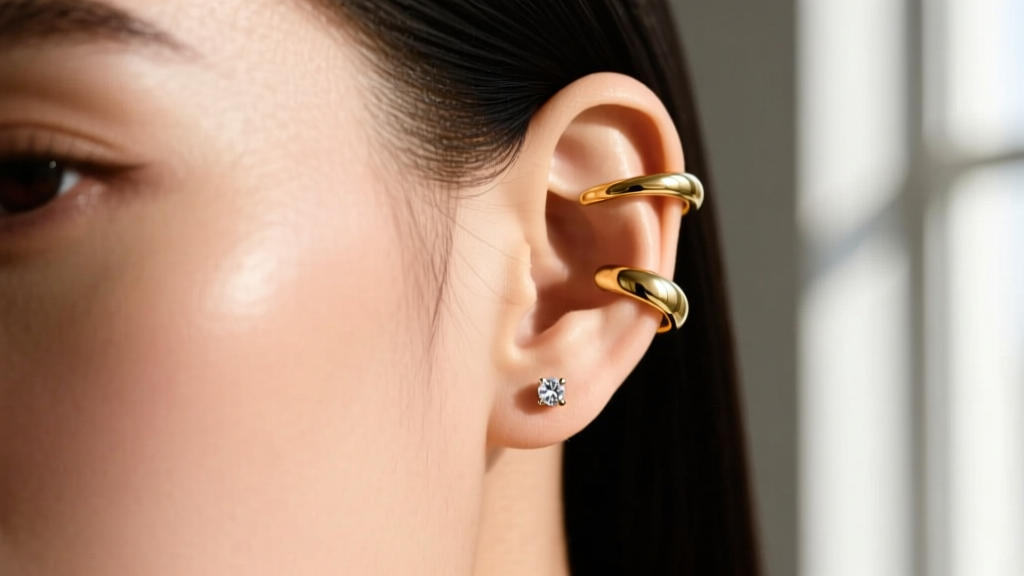
Technical Fit: Gauge Sizes and Backing Mechanics
A common pitfall when gifting the latest golden earring hits is ignoring the physical dimensions of the ear piercing. Gifting a beautifully crafted 16-gauge earring to someone whose lobes were pierced at a standard mall kiosk (usually 20-gauge) will result in pain, micro-tears, and an unwearable gift.
Post Gauges Explained
The Association of Professional Piercers (APP) outlines standard body jewelry thicknesses that every jewelry buyer must memorize:
- 20-Gauge (0.81mm): The standard for traditional lobe piercings done with piercing guns or standard needles. Ideal for lightweight studs and delicate drops.
- 18-Gauge (1.02mm): A slightly thicker post, often used by professional piercers for lobes and standard cartilage (helix) piercings. Best for medium-weight drops and secure everyday hoops.
- 16-Gauge (1.29mm): The gold standard for modern cartilage piercings, conches, and thicker huggie hoops. Do not force a 16G post into a standard 20G lobe piercing.
Backing Security for Active Recipients
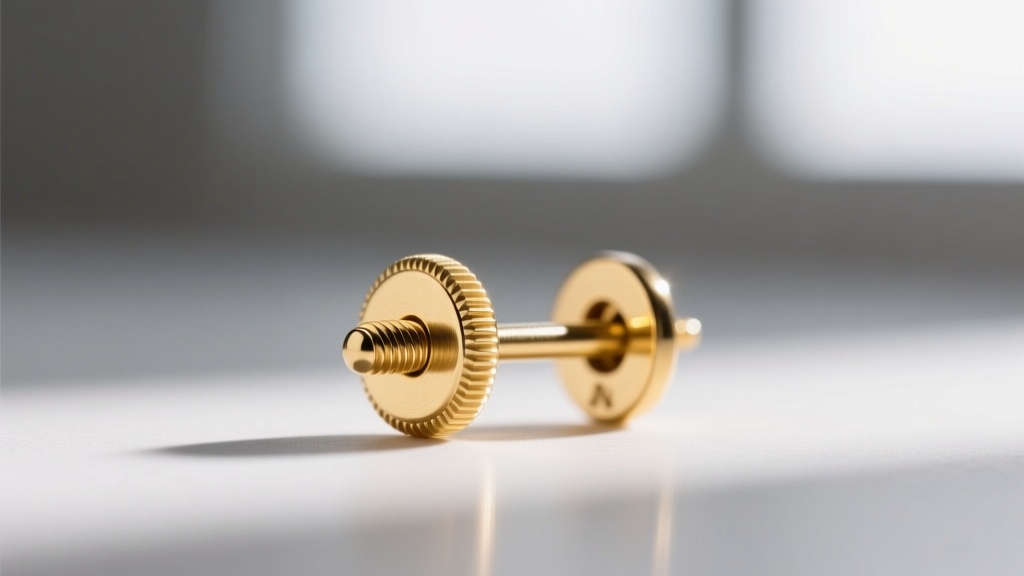
The backing mechanism is just as critical as the front design. Standard friction backs (butterfly backs) rely on tension and are notorious for slipping off during sleep or workouts. If your recipient is active, seek out golden earring hits featuring La pousette (screw-back) mechanisms or locking silicone O-rings. For hoops, look for hinged snap-backs with a satisfying, audible click to ensure the post is fully seated in the catch.
Navigating Gold Allergies and Alloy Compositions
Gold allergies are exceptionally rare; contact dermatitis from jewelry is almost always a reaction to the alloy metals mixed with the gold. This is particularly prevalent in white gold and certain rose gold formulations.
To achieve the silvery hue of white gold, manufacturers historically alloyed pure gold with nickel. However, nickel is a potent sensitizer. The European Union’s Nickel Directive strictly limits nickel release from body jewelry to 0.5 µg/cm²/week. When gifting white gold, verify that the piece is alloyed with palladium rather than nickel. Palladium-white gold is hypoallergenic, denser, and possesses a naturally whiter color, requiring less frequent rhodium plating.
Rose gold achieves its pinkish tint through high copper content. While copper allergies are less common than nickel sensitivities, they do exist. If you are unsure of the recipient's metal sensitivities, 14k or 18k yellow gold (alloyed primarily with silver and zinc) remains the safest, most universally tolerated option for sensitive earlobes.
Sourcing Authentic Golden Earring Hits
The market is saturated with deceptive terminology. When investing in a gift meant to last a lifetime, you must understand the difference between plating and solid gold. The Federal Trade Commission (FTC) Jewelry Guides strictly regulate how gold content can be marketed.
- Gold Plated / Flash Plated: A microscopic layer of gold (often less than 0.5 microns) over a base metal like brass. This will tarnish and wear off within months of daily wear. Avoid for milestone gifts.
- Gold Vermeil: A heavy plating of gold (minimum 2.5 microns) over a sterling silver (925) base. A fantastic, budget-friendly alternative for large, statement-making golden earring hits where solid gold would be prohibitively expensive.
- Solid Gold: The entire piece is forged from the gold alloy (14k or 18k). It will never tarnish, can be polished indefinitely, and holds intrinsic scrap value.
Maintenance & Care for Golden Gifts
To ensure your gift retains its brilliance, include a care kit or a note on proper maintenance. 14k and 18k gold are highly resistant to tarnish, but they easily accumulate sebum, lotions, and environmental dust, which dulls their luster. Advise the recipient to clean their earrings bi-weekly using a few drops of mild, phosphate-free dish soap in warm water, gently agitating with a soft-bristled baby toothbrush. Warn them against using ultrasonic cleaners on any golden earring hits that feature fracture-filled diamonds, emeralds, or opals, as the high-frequency vibrations can shatter these delicate gemstones.
By prioritizing the correct karat, verifying the precise gauge size, and selecting hypoallergenic alloys, you elevate your gift from a simple accessory to a deeply considered, wearable heirloom. The best golden earring hits of 2026 are those that marry impeccable design with uncompromising technical execution.


