Beginner's Guide to Genuine Copper Turquoise Earrings
Discover how to choose, style, and care for copper turquoise earrings. Learn about stone treatments, skin reactions, and styling tips in our guide.

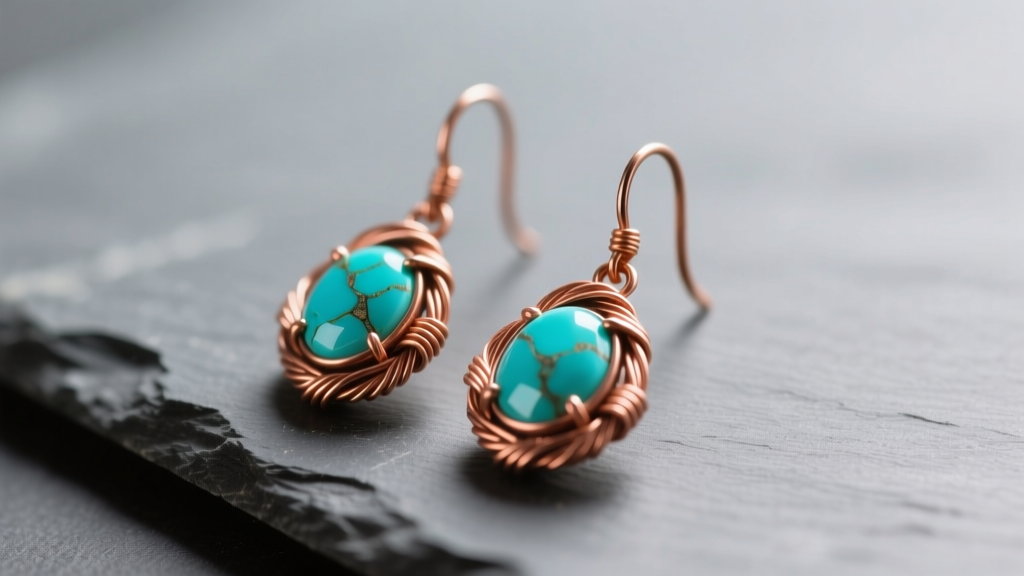
The Magic of Copper and Turquoise
When it comes to earthy, bohemian, and Southwestern-inspired jewelry, few combinations are as iconic as copper and turquoise. For beginners stepping into the world of artisan jewelry, copper turquoise earrings offer a vibrant pop of color paired with a warm, rustic metal that develops a unique character over time. However, navigating the market can be tricky. Not all turquoise is created equal, and copper requires specific care to manage its natural reactivity. This comprehensive guide will walk you through the metallurgical and gemological realities of these stunning earrings, ensuring you make informed, confident purchases.
Decoding Turquoise: What Are You Actually Buying?
Turquoise is a porous, hydrous phosphate of copper and aluminum, ranking between 5 and 6 on the Mohs scale of hardness. Because it is relatively soft and porous, the vast majority of turquoise on the market undergoes some form of treatment. Understanding these treatments is critical when evaluating the quality and price of your earrings.
Natural vs. Stabilized vs. Imitation
Gemological experts, including the Gemological Institute of America (GIA), note that untreated, high-grade natural turquoise is rare and highly prized. However, most turquoise used in jewelry is stabilized. Stabilization involves infusing the porous stone with a clear epoxy or plastic resin under pressure. This enhances the stone's durability, deepens its color, and prevents it from absorbing oils and lotions from your skin, which can otherwise cause the stone to turn a dull greenish-brown over time.
Beware of imitations. Dyed howlite and magnesite are frequently passed off as turquoise. Reconstituted turquoise, which is essentially turquoise dust mixed with epoxy and pressed into blocks, is another common, lower-quality alternative.
| Turquoise Type | Treatment Process | Durability (Mohs) | Price Tier |
|---|---|---|---|
| Natural (Untreated) | None; only cut and polished | 5.0 - 6.0 | Premium ($50 - $200+) |
| Stabilized | Epoxy/resin infusion | 6.0 - 7.0 | Mid-Range ($20 - $60) |
| Zachery Treated | Potassium bromide infusion | 5.5 - 6.5 | High ($40 - $100) |
| Reconstituted | Turquoise dust + binder | 4.0 - 5.0 | Budget ($10 - $25) |
| Imitation (Howlite) | Dyed porous calcium silicate | 3.5 | Low ($5 - $15) |
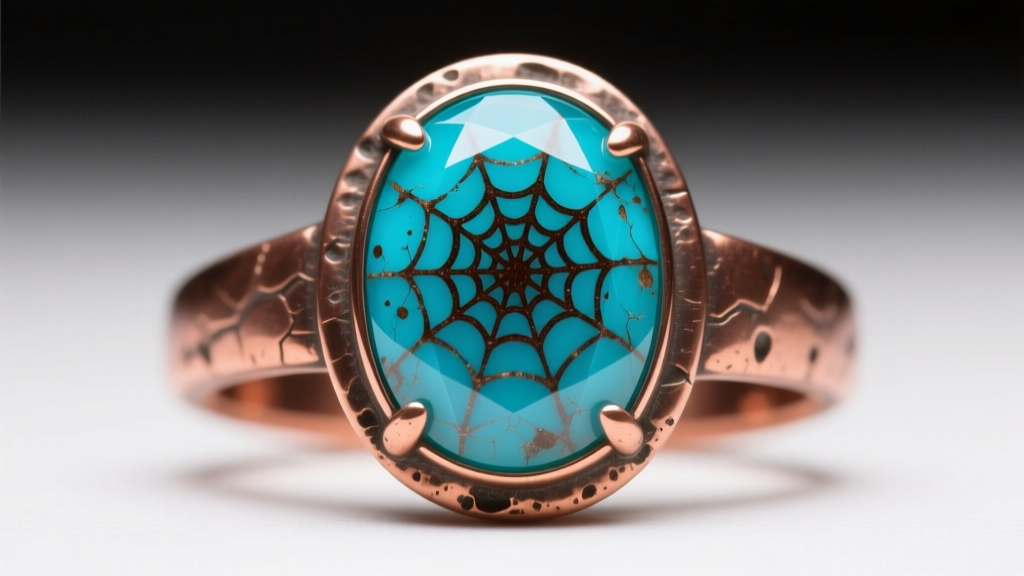
The Copper Factor: Patina, Allergies, and the 'Green Ear'
Copper is a highly reactive, non-precious metal. In jewelry making, artisans often use C110 (Electrolytic Tough Pitch) copper, which is 99.9% pure. Pure copper is exceptionally malleable, making it ideal for intricate wire-wrapping techniques often seen in turquoise settings. However, its reactivity means it will naturally oxidize when exposed to air, moisture, and the natural acids in your skin.
Managing Oxidation and Verdigris
Over time, copper develops a patina—a darkening or tarnishing of the metal. If exposed to prolonged moisture, it can develop verdigris, a greenish-blue crust. Many jewelry lovers adore the antique look of oxidized copper, but if you prefer a bright, shiny finish, you will need to polish your earrings regularly.
The 'Green Ear' Phenomenon
One of the most common concerns for beginners is the dreaded 'green ear.' This occurs when copper chelates (binds) with the salts and oils in your sweat, creating copper chloride, which transfers to your skin. This is not an allergic reaction and is completely harmless. True copper allergies are exceedingly rare; most metal allergies are actually triggered by nickel, which is absent in pure C110 copper. To prevent green staining, you can coat the earring wires with a specialized jewelry shield, apply a thin layer of Renaissance Wax, or simply remove the earrings before exercising or swimming.
Pro Tip: Never use harsh chemical dip cleaners on copper turquoise earrings. The chemicals that strip tarnish from copper will permanently ruin the polish and matrix of your turquoise stones.
Sizing, Gauges, and Piercing Placements
When selecting copper turquoise earrings, the physical weight of the stone and the gauge of the wire are crucial for comfort and piercing health.
Wire Gauges and Hardness
Standard ear wires for copper earrings are typically crafted from 20-gauge (0.81mm) or 21-gauge (0.72mm) wire. Artisans use 'half-hard' copper wire for French hooks and leverbacks to ensure the wire retains its shape and doesn't bend out of your piercing. Conversely, 'dead-soft' copper is used for the decorative wire-wrapping around the turquoise cabochon, as it allows for tight, intricate coils without snapping.
Lobe vs. Cartilage Considerations
Turquoise cabochons can be surprisingly dense. A large, natural turquoise drop earring set in a thick copper bezel can easily exceed 10-15 grams per ear. These should only be worn in standard, fully healed lobe piercings. Wearing heavy copper dangles in delicate cartilage piercings (like the helix or tragus) or in stretched lobes can cause migration, tearing, or the dreaded 'cheese-cutter effect,' where the thin wire slowly slices through the tissue. For cartilage, opt for lightweight copper turquoise huggies or small bezel-set studs weighing under 3 grams.
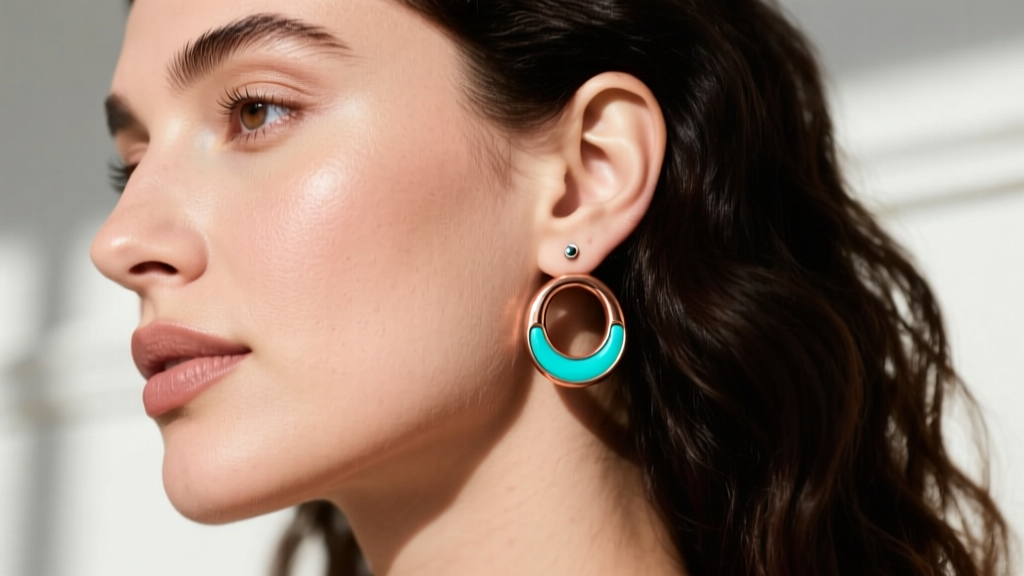
Pricing Guide: What Should You Pay?
Understanding the intersection of metal weight, stone quality, and artisan labor will help you spot fair pricing. According to gemological market data outlined by sources like Britannica, the origin of the turquoise (e.g., Sleeping Beauty, Kingman, or Persian) heavily influences the price.
- Budget ($15 - $35): Expect reconstituted turquoise or dyed howlite set in thin, mass-produced copper wire. Often manufactured overseas.
- Mid-Range ($40 - $85): Genuine stabilized turquoise (often with a beautiful spiderweb matrix) set in handcrafted, 20-gauge C110 copper wire. Usually made by independent artisans.
- Premium ($90 - $250+): Rare, untreated natural turquoise from legendary mines (like Number 8 or Lander Blue), set in heavy-gauge copper with advanced wire-weaving or cast bezel techniques.
Care and Maintenance for Longevity
Proper care ensures your copper turquoise earrings last a lifetime. The golden rule is to keep them dry and avoid harsh chemicals.
- Put Them On Last: Always put your earrings on after applying makeup, hairspray, lotions, and perfumes. Cosmetics can clog the natural pores of untreated turquoise.
- Clean the Metal Only: To shine the copper, use a dry, treated jewelry polishing cloth. Gently rub the metal, avoiding the stone. If the copper is heavily tarnished, you can use a paste of lemon juice and baking soda, but you must remove the turquoise stones first, as acids will eat away at the stone's surface.
- Storage: Store your earrings in an airtight ziplock bag with an anti-tarnish strip. Keep them away from direct sunlight, which can fade certain types of treated turquoise over time.
By understanding the nuances of turquoise treatments, the reactive nature of copper, and the proper gauge sizes for your piercings, you can confidently build a stunning, earthy collection of copper turquoise earrings that perfectly suits your personal style.


