Square Guy Earrings: 2026 Budget & Value Buying Guide
Shop smart with our 2026 square guy earrings value guide. Compare materials, pricing tiers, and durability to find the best geometric studs for your budget.


The landscape of men's jewelry has shifted dramatically over the last decade, moving away from overly flashy pieces toward refined, architectural minimalism. In 2026, geometric shapes dominate the market, and square guy earrings have emerged as a staple for men seeking a sharp, masculine aesthetic. Whether you are looking at a 4mm tungsten carbide cube or a sleek 14k gold square signet stud, understanding the intersection of budget, material science, and long-term value is critical before making a purchase.
Many buyers fall into the trap of prioritizing upfront cost over metallurgical integrity, leading to lost earrings, allergic reactions, and rapid tarnishing. This comprehensive value assessment breaks down exactly where your money goes when buying square men's earrings, helping you identify the sweet spot between affordability and heirloom-quality durability.
The Anatomy of Square Men's Earrings: Dimensions and Proportions
Not all square earrings are created equal. The visual weight of a square stud on a male earlobe depends heavily on its millimeter dimensions and edge finishing. When evaluating budget options, pay close attention to these specifications:
- The 4mm x 4mm Micro Square: The most versatile size for men. It provides a subtle, modern geometric accent without overwhelming the earlobe. Ideal for professional environments and first-time wearers.
- The 6mm x 6mm Statement Square: A bolder choice that commands attention. Best suited for men with larger earlobes or those who already have multiple cartilage piercings to balance the visual weight.
- Beveled vs. Sharp Edges: High-end square earrings feature a 45-degree micro-bevel on the edges. This prevents the sharp corners from catching on towels, hoodies, or hair. Budget manufacturers often skip this CNC-machining step, leaving sharp 90-degree edges that can scratch the skin behind the ear.
Material Science: Where Does Your Money Actually Go?
The primary driver of price variance in square guy earrings is the base metal and the plating process. According to GIA's metallurgical research, the longevity of men's jewelry is directly tied to the Mohs hardness and oxidation resistance of the chosen alloy. Let's evaluate the 2026 market tiers.
Tier 1: The Budget Option (316L Stainless Steel & Titanium)
If your budget is under $50, you are looking at surgical steel or titanium. ASTM F136 Implant-Grade Titanium is the undisputed king of this tier. It is completely nickel-free, hypoallergenic, and incredibly lightweight. A CNC-machined titanium square stud will typically cost between $25 and $45. 316L Stainless Steel is slightly cheaper ($15–$30) and offers a heavier, more premium feel in the hand. However, steel contains trace amounts of nickel; if you have sensitive skin or a history of contact dermatitis, the savings are not worth the medical discomfort.
Tier 2: The Mid-Range Trap (Gold Vermeil & Plated Brass)
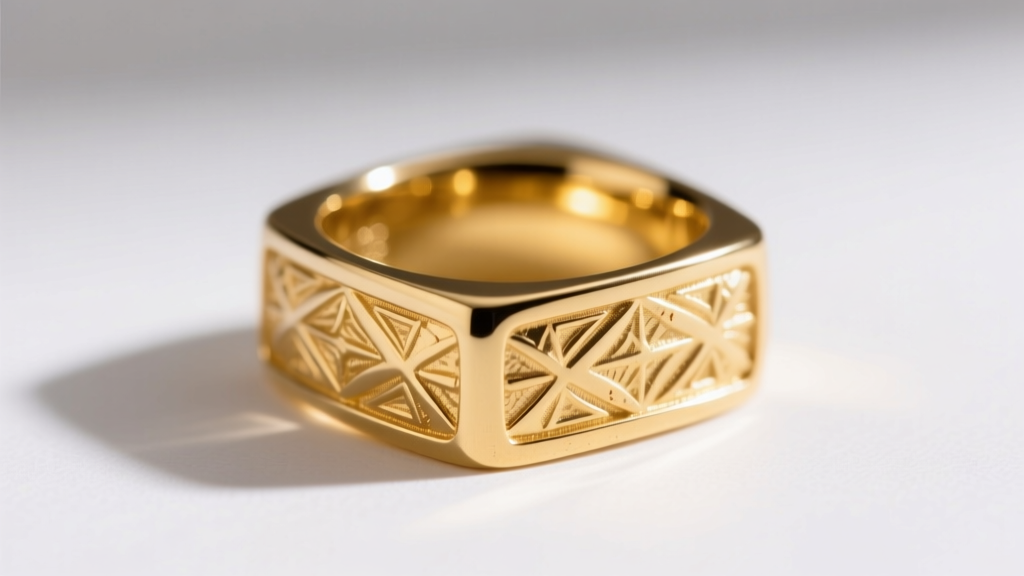
Gold vermeil consists of a sterling silver base coated with at least 2.5 microns of gold. While a vermeil square stud looks identical to solid gold on day one, it presents a massive value proposition issue for men's earrings. The friction point where the earring post rubs against the earlobe will inevitably wear away the gold plating within 6 to 12 months of daily wear. Once the silver or brass core is exposed, it will oxidize, turning your earlobe green or black. Spending $60 to $90 on vermeil is generally a poor long-term investment for daily-wear studs.
Tier 3: The Heirloom Investment (Solid 14k & 18k Gold)
Solid gold is the ultimate value play for jewelry you never intend to take off. A solid 14k gold square stud ranges from $150 to $350, depending on the gram weight. 14k gold (58.5% pure gold) is preferred over 18k for men's geometric studs because the higher copper and zinc alloy content increases the metal's hardness, making it highly resistant to scratching and bending. As noted by the Jewelers of America care guidelines, solid gold requires minimal maintenance and will never flake, tarnish, or cause allergic reactions.
2026 Price-to-Value Matrix for Square Men's Earrings
To help you visualize the return on investment, we have mapped the current market data for standard 5mm square studs across different materials.
| Material Grade | Avg Price (2026) | Expected Lifespan | Maintenance Level | Overall Value Score |
|---|---|---|---|---|
| ASTM F136 Titanium | $25 - $45 | Lifetime | Very Low | 9.5 / 10 |
| 316L Surgical Steel | $15 - $30 | 5 - 10 Years | Low | 7.0 / 10 |
| Gold Vermeil (Silver Base) | $60 - $90 | 1 - 2 Years | High | 4.0 / 10 |
| Solid 14k Yellow Gold | $180 - $350 | Lifetime | Very Low | 9.0 / 10 |
| Tungsten Carbide | $30 - $60 | Lifetime | Low | 8.5 / 10 |
Face Shape Mechanics: Do Square Earrings Suit Square Faces?
A common styling dilemma is whether men with strong, square jawlines should wear square earrings. In traditional styling theory, echoing your face shape with your accessories can create a harsh, boxy silhouette. However, modern men's styling embraces this architectural repetition. If you have a square face, a sharp, matte-black titanium square stud can accentuate your masculine features beautifully.
If you prefer to soften your angles, look for square earrings with heavily rounded corners (often called 'squircle' or cushion-cut shapes) or opt for a square earring that features a domed, convex surface rather than a flat, geometric plane. This introduces light reflection and curvature that balances a rigid jawline.
Hidden Costs: Gauge Sizes, Backings, and Loss Prevention
When assessing the budget of square guy earrings, the earring backing is a frequently overlooked point of failure. Men are statistically more likely to lose earrings than women due to friction from short haircuts, frequent hat-wearing, and aggressive towel-drying.
The Gauge Standard
Most standard male lobe piercings are performed at 18-gauge (1.0mm) or 16-gauge (1.2mm). Avoid budget earrings that use 20-gauge (0.8mm) or 22-gauge (0.6mm) posts. These ultra-thin posts are prone to bending when you insert them, and they can easily slice through the earlobe tissue if the earring gets snagged on a shirt collar.
Upgrading Your Backings
Cheap butterfly friction backs are the enemy of value. If you are investing $200 in a solid 14k gold square stud, do not rely on a $2 piece of stamped metal to keep it secure. Consider the following upgrades:
- Screw-Backs: The post is threaded, and the backing screws onto it. This adds roughly $20 to the manufacturing cost but makes accidental loss nearly impossible.
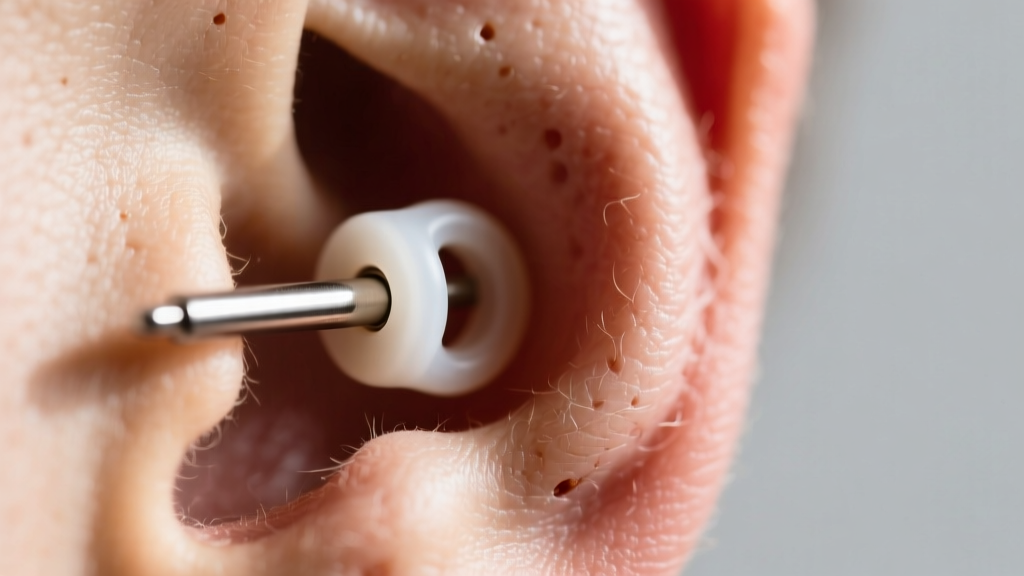
- Silicone O-Backs: A highly affordable ($5 for a pack of 10) aftermarket solution. The silicone grips the metal post with immense friction and is incredibly comfortable for men who sleep with their earrings in.
- Locking Labacks: A mechanical lever-back system designed specifically for straight posts, offering a physical click-lock mechanism that prevents the backing from sliding off.
Final Verdict: Maximizing Your Earring Budget
When shopping for square guy earrings in 2026, the concept of 'value' must be decoupled from 'cheapness.' If your budget is strictly under $50, bypass gold-plated options entirely and invest in high-quality, beveled titanium or tungsten carbide. You will get a lifetime of wear, zero skin irritation, and a distinctly modern look. If your budget allows for $150 or more, bypass the mid-tier vermeil trap and go straight to solid 14k gold with a secure screw-back mechanism. By prioritizing metallurgical integrity and secure hardware over superficial flash, you ensure that your geometric menswear staples remain sharp, secure, and stylish for decades to come.


