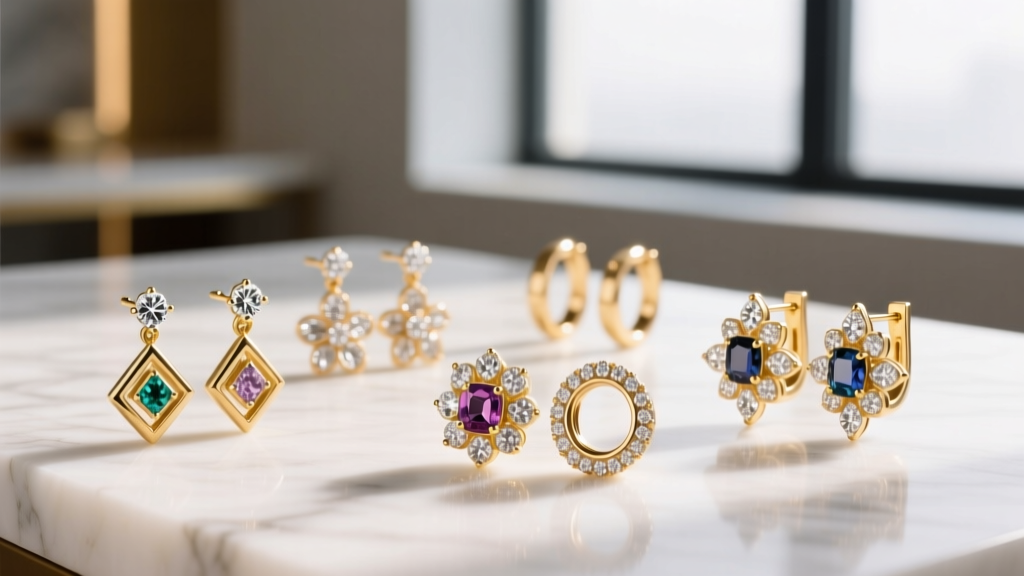
How to Style and Maintain a Tear Drop Earring Gold Piece
Learn how to style, clean, and maintain a tear drop earring gold piece. Expert tips on karat weights, face shapes, and preventing jump ring failure.


The teardrop silhouette is a masterclass in jewelry design, balancing geometric precision with organic fluidity. When you invest in a tear drop earring gold piece, you are acquiring a versatile staple that bridges the gap between quiet luxury and bold statement-making. However, the difference between a teardrop that elevates your look and one that feels cumbersome lies in understanding proportion, metallurgy, and proper maintenance. This comprehensive guide breaks down exactly how to style, wear, and care for your gold teardrops in 2026, ensuring they remain a flawless part of your rotation for decades.
The Anatomy and Metallurgy of Gold Teardrops
Before styling, it is crucial to understand the physical construction of your jewelry. A standard teardrop earring consists of the ear wire (often a French hook or leverback), a jump ring or bail, and the teardrop body. The longevity and aesthetic of the piece are entirely dictated by its gold karat weight and casting method.
Karat Weights and Durability Matrix
According to the Gemological Institute of America (GIA), gold purity directly impacts the structural integrity of the ear wire and the weight of the drop. Pure 24k gold is far too soft to support the leverage of a heavy teardrop; the wire will bend and open under the pendulum motion of walking.
| Karat Weight | Gold Purity | Best Use Case for Teardrops | Durability Rating |
|---|---|---|---|
| 10k Gold | 41.7% | Large, oversized statement pieces requiring rigid wire strength. | Excellent |
| 14k Gold | 58.5% | The industry standard. Perfect balance of rich yellow hue and French wire resilience. | Very Good |
| 18k Gold | 75.0% | High-end luxury pieces, best with leverback clasps to prevent wire bending. | Good |
| 22k/24k Gold | 91.6% - 99.9% | Strictly for lightweight, hollow, or bezel-set designs with reinforced structural clasps. | Poor (for wires) |
Solid vs. Hollow Casting
Many mass-market jewelers utilize hollow casting (electroforming) to create large tear drop earring gold designs that remain lightweight. While comfortable for the earlobe, hollow gold is highly susceptible to denting. If you drop a hollow teardrop on a tile floor, it will likely dent inward, a flaw that is nearly impossible to buff out without professional burnishing. For everyday wear, always opt for solid cast or die-struck gold, even if it requires sizing down the overall dimensions of the teardrop to keep the weight manageable.
Step-by-Step Styling Guide by Face Shape
The elongated nature of a teardrop naturally draws the eye downward. Styling them effectively requires manipulating this visual weight to balance your facial proportions.
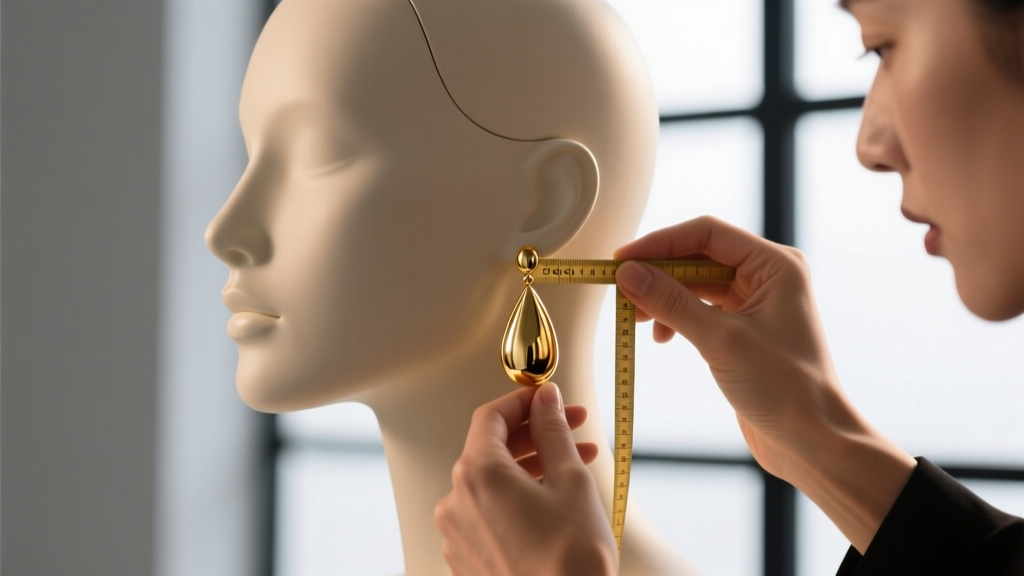
Step 1: Identify Your Proportions
- Round Faces: Avoid wide, chunky teardrops that add horizontal volume. Opt for elongated, narrow teardrops that drop at least 2 to 2.5 inches below the earlobe to visually lengthen the jawline.
- Square Faces: The goal is to soften a strong mandible. Choose teardrops with soft, rounded bottom curves and avoid harsh geometric angles. A hammered or matte gold finish works beautifully here to diffuse light.
- Oval Faces: You have the most versatility. You can pull off wide, triangular teardrops or short, stud-like teardrops that sit flush against the lobe.
- Heart Faces: Balance a narrower chin by selecting teardrops that feature wider volume at the very bottom, drawing attention to the lower third of the face.
Step 2: Coordinate with Necklines
Gold teardrops demand specific neckline pairings to avoid visual clutter. A deep V-neck or scoop neck creates a negative space frame that allows a 1.5-inch gold teardrop to act as a standalone focal point. Conversely, if you are wearing a high crew neck or turtleneck, scale the earrings down to a micro-teardrop (under 0.75 inches) to prevent the jewelry from tangling with the fabric or overwhelming the collarbone area.
How to Clean and Polish Gold Teardrops
Because teardrops hang freely, they are constantly in motion, making them prone to collecting skin oils, hair product residue, and environmental dust. Regular maintenance keeps the gold reflective and prevents the jump rings from seizing up.
The Mild Soap Soak Protocol
The Jewelers of America recommends a gentle, non-chemical approach for routine gold cleaning. Follow these steps to restore your teardrops:
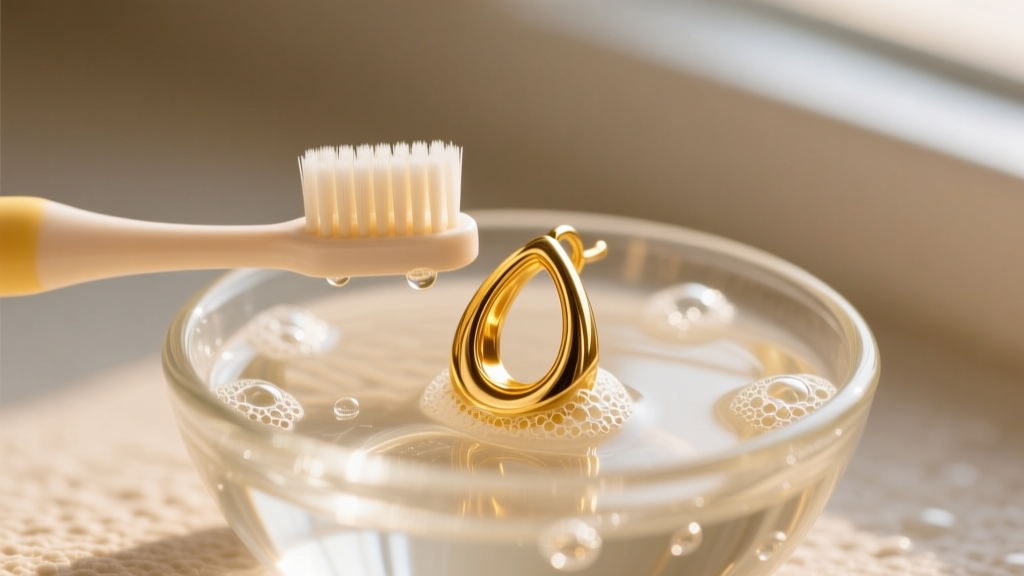
- Prepare the Solution: Mix a few drops of mild, phosphate-free dish soap (like Dawn) into a small glass bowl of lukewarm water. Avoid hot water, which can weaken certain adhesives if your teardrop features a glued-in gemstone cap.
- Soak: Submerge the earrings for 10 to 15 minutes. This loosens sebum and lotion buildup trapped in the bail or textured surfaces of the gold.
- Agitate Gently: Use a brand-new, extra-soft baby toothbrush to gently sweep the crevices where the jump ring connects to the ear wire. Never use a stiff-bristled brush, as 14k and 18k gold will accumulate micro-scratches over time.
- Rinse and Dry: Rinse thoroughly under lukewarm running water. Pat dry with a lint-free microfiber cloth. Never air-dry, as water spots will dull the high-polish finish.
Expert Warning: Never place hollow gold teardrops or teardrops set with porous stones (like turquoise, opal, or pearls) into an ultrasonic jewelry cleaner. The high-frequency vibrations can shatter stones or cause micro-fractures in thin electroformed gold shells.
Troubleshooting Common Teardrop Failures
Even high-quality gold jewelry experiences mechanical wear. Recognizing these failure modes early will save you from losing an earring.
1. The French Wire Gap
The most common issue with teardrop earrings is the French wire hook slowly pulling open due to the pendulum weight of the drop. If you notice a gap between the tip of the wire and the curve, use two pairs of smooth-jawed nylon pliers to gently squeeze it back into alignment. For a permanent fix, ask a jeweler to add a tiny silicone earring back or switch the wire to a secure leverback clasp.
2. Jump Ring Stretching
The jump ring is the small circular link connecting the ear wire to the teardrop body. Over years of wear, the lateral friction can cause the jump ring to stretch into an oval shape, eventually snapping open. Inspect your jump rings every six months. If the slit is visible or the ring is no longer perfectly circular, have a jeweler solder it shut or replace it with a thicker gauge ring.
3. Surface Scratches on High-Polish Drops
Highly polished gold teardrops will inevitably develop a patina of fine scratches. While some wearers love this lived-in antique look, you can restore a mirror finish by using a specialized gold polishing cloth infused with jeweler's rouge. Rub in a single direction rather than in circles to maintain a uniform grain on the metal's surface.
Final Thoughts
Mastering the tear drop earring gold aesthetic is about more than just slipping them on; it is about understanding the interplay of weight, karat purity, and facial geometry. By selecting the correct casting method for your lifestyle, pairing the proportions with your face shape, and adhering to a strict, gentle cleaning regimen, your gold teardrops will remain a sophisticated, timeless anchor in your jewelry collection for years to come.