Beginner Guide to Buying Emerald Diamond Drop Earrings
Discover how to choose the perfect emerald diamond drop earrings. Learn about gemstone grades, settings, and pricing in this beginner-friendly guide.

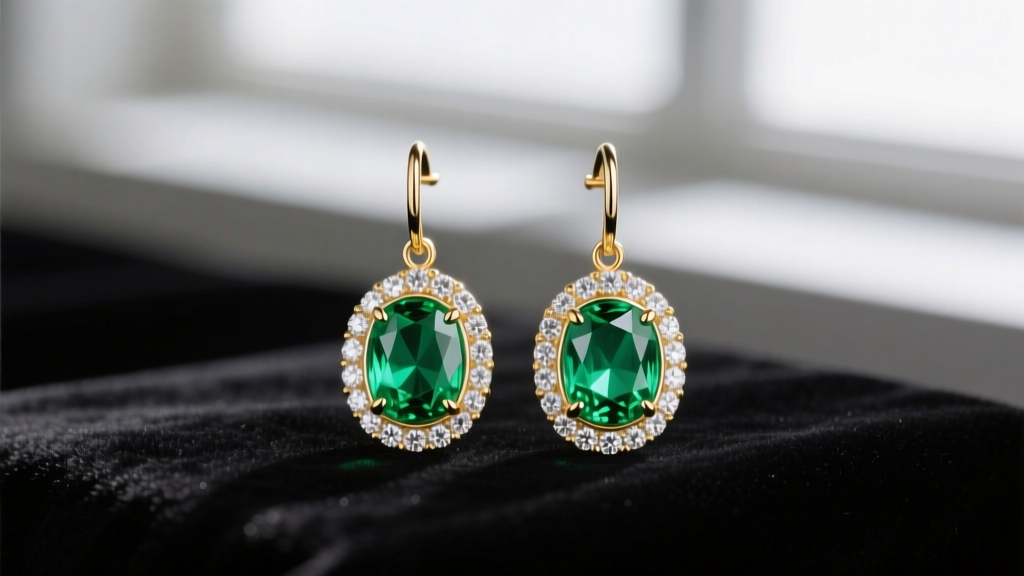
The Allure of Emerald and Diamond Drops
There is a timeless sophistication in pairing the lush, verdant depths of an emerald with the icy brilliance of diamonds. For beginners stepping into the world of fine jewelry, emerald diamond drop earrings represent a perfect intersection of vintage glamour and modern elegance. However, buying emeralds requires a different mindset than buying diamonds. Emeralds are complex, heavily included, and almost universally treated gemstones. Understanding these nuances is the key to making a confident, informed purchase that you will cherish for a lifetime.
Drop vs. Dangle: Knowing the Difference
Before diving into gemology, it is crucial to clarify terminology. While often used interchangeably, "drop" and "dangle" earrings are structurally different. A drop earring hangs just below the earlobe and is typically stationary, connected by a single rigid bail or a solitary jump ring. A dangle earring, conversely, features multiple articulation points that allow the jewelry to swing and move freely with your head. When shopping for emerald diamond drop earrings, you are generally looking for a sleek, elongated silhouette that frames the face without excessive kinetic movement.
Understanding Emerald Quality: Beyond the 4 Cs
The Gemological Institute of America (GIA) evaluates emeralds using a modified version of the traditional 4 Cs. Because emeralds are a Type III gemstone—meaning they almost always contain visible inclusions—the grading priorities shift dramatically.
1. Color: The Ultimate Value Driver
Color accounts for up to 70% of an emerald's value. You are looking for a specific combination of hue, tone, and saturation. The most prized emeralds exhibit a pure, vivid green to bluish-green hue with a medium-to-dark tone.
- Colombian Emeralds: Sourced from mines like Muzo and Chivor, these are famous for their warm, pure, and intensely saturated green.
- Zambian Emeralds: Typically darker with a cooler, bluish-green undertone. They often have higher clarity than Colombian stones and are an excellent choice for buyers wanting a deeper, moodier green.
- Brazilian Emeralds: Generally lighter in tone, often leaning toward a yellowish-green, making them a more budget-friendly option.
2. Clarity and the "Jardin"
Unlike diamonds, where flawless clarity is the goal, emeralds are expected to have inclusions. The French call these internal fractures and mineral deposits the jardin (garden). A completely eye-clean natural emerald is exceedingly rare and commands a massive premium. As a beginner, do not fear the jardin; it is the fingerprint of a natural stone. However, avoid stones where inclusions reach the surface or create large, cloudy white patches, as these compromise the structural integrity and brilliance of the gem.
3. Cut and Carat Weight
Emeralds are brittle (ranking 7.5 to 8 on the Mohs scale). To protect the stone, cutters often use the classic "emerald cut" (a rectangular step cut with truncated corners). For drop earrings, however, you will frequently see pear, oval, and cushion cuts, which maximize the rough crystal's yield and enhance the dangling silhouette. Because emerald density (specific gravity of 2.67-2.78) is lower than diamond, a 1-carat emerald will appear physically larger than a 1-carat diamond.
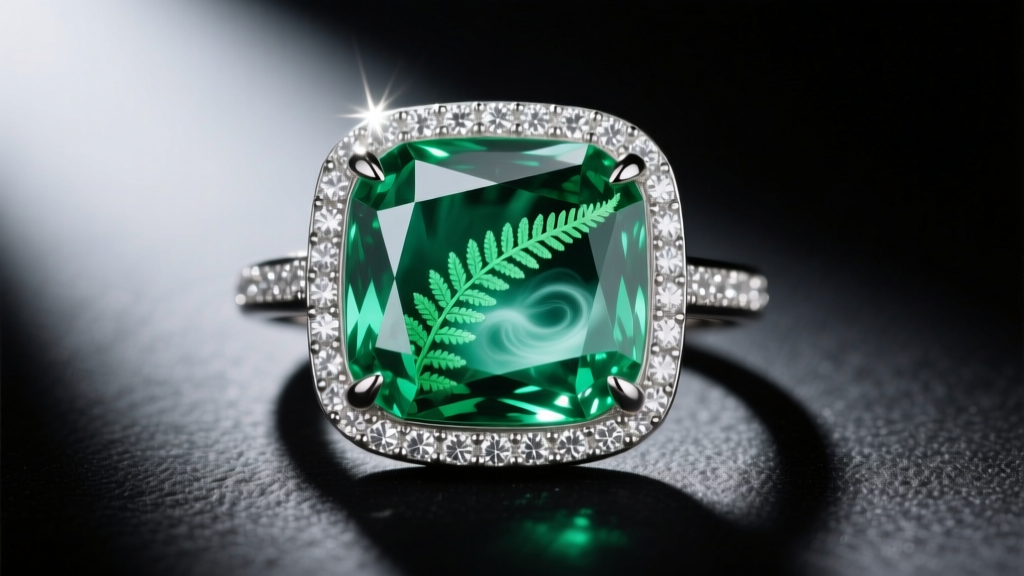
The Reality of Emerald Treatments
According to the Federal Trade Commission (FTC) Jewelry Guides, sellers must disclose significant gemstone treatments. Over 90% of natural emeralds on the market are treated to improve clarity.
Expert Insight: The traditional and most accepted treatment is cedar oil impregnation. Oil fills surface-reaching fractures, making them less visible. However, avoid emeralds treated with epoxy resins (like Opticon) or hard polymers, as these are considered permanent, unstable over time, and significantly lower the resale value of the stone.
When reviewing a gemological report, look for the "Clarity Enhancement" scale. "None" or "Faint" (minor oil) is ideal for investment-grade pieces. "Moderate" is acceptable for everyday jewelry, while "Significant" or "Prominent" should be avoided.
Diamond Accents: What to Look For
The diamonds surrounding or capping your emeralds are typically "melee" (small diamonds under 0.15 carats each). Because they are small, you do not need to pay a premium for D-color or Internally Flawless (IF) clarity.
The Sweet Spot for Melee Diamonds:
- Color: G to H (Near Colorless). These will face up white and won't clash with the green emerald.
- Clarity: VS2 to SI1. Inclusions in melee diamonds are invisible to the naked eye.
- Setting Style: Pavé or micro-prong settings maximize light return, creating a continuous ribbon of sparkle that frames the central emerald drop.
Settings and Findings: Securing Your Stones
Because emeralds are brittle, the metalwork and earring findings are critical for both security and comfort.
Best Metals for Emeralds
18k Yellow Gold is the traditional choice, as its warm undertones beautifully complement the rich green of the emerald. Platinum or 18k White Gold provides a striking, high-contrast backdrop that makes both the green and the diamond accents pop. If choosing white gold, ensure the prongs holding the emerald are thick enough to withstand rhodium replating without damaging the stone.
Earring Findings
For drop earrings, the backing mechanism dictates how the earring sits on your ear:
- Leverback: The most secure option for drops. A hinged wire snaps into a closed loop, preventing loss and supporting the weight of heavier emerald drops.
- French Wire (Shepherd's Hook): Elegant and classic, but lacks a secure closure. If your drops are heavy or valuable, use silicone ear nuts to prevent them from slipping out.
- Post with Omega Clip: Offers the security of a post and butterfly back, combined with the weight distribution of a hinged clip. Ideal for substantial, high-carat drops.
Pricing Matrix: What Should You Expect to Pay?
Pricing for emerald diamond drop earrings varies wildly based on origin, treatment, and diamond quality. Below is a realistic 2026 market guide for a pair of earrings (totaling roughly 2.00 CTW emeralds and 0.50 CTW diamonds).
| Tier | Emerald Origin & Quality | Diamond Quality | Metal | Estimated Price Range |
|---|---|---|---|---|
| Entry | Zambian/Brazilian, Moderate Oil | I1-I2 Clarity, J-K Color | 10k/14k Gold or Silver | $800 - $2,500 |
| Mid | Zambian, Minor Oil, Vivid Color | SI1 Clarity, G-H Color | 18k Gold | $3,500 - $8,000 |
| High | Colombian, Faint/No Oil, Top Color | VS Clarity, E-F Color | Platinum / 18k Gold | $12,000 - $35,000+ |
Lab-Grown vs. Natural Emeralds
As of 2026, hydrothermal lab-grown emeralds have reached a level of perfection that makes them virtually indistinguishable from top-tier natural stones to the naked eye. Lab-grown emeralds offer vivid color and eye-clean clarity without the need for oil treatments. For beginners on a budget who prioritize visual perfection and ethical sourcing over geological rarity, lab-grown emerald diamond drop earrings are an outstanding choice, typically costing 60% to 80% less than their natural counterparts.

Care and Maintenance: The Golden Rules
Emeralds require specialized care. The most common mistake beginners make is ruining their jewelry with improper cleaning methods.
- NEVER use ultrasonic cleaners: The high-frequency vibrations will shatter the emerald or boil out the cedar oil, leaving the fractures visible and the stone dull.
- NEVER use steam cleaners: Heat and steam will also strip the oil treatments.
- DO use lukewarm soapy water: Mix a few drops of mild dish soap in lukewarm water. Use a baby toothbrush to gently clean the diamond accents and the back of the emerald. Rinse with plain water and pat dry with a microfiber cloth.
- Re-oiling: If your natural emerald drops begin to look cloudy or chalky after a few years, take them to a professional lapidary to have them safely re-oiled.
Final Thoughts
Purchasing emerald diamond drop earrings is an exercise in balancing nature's beautiful imperfections with masterful craftsmanship. By prioritizing vivid color over flawless clarity, insisting on reputable gemological reports, and choosing secure leverback findings, you will secure a breathtaking pair of earrings that command attention and stand the test of time. Always buy from a jeweler who transparently discloses all treatments, ensuring your investment is as authentic as it is beautiful.


