How to Choose Gold Earrings With Pearl: A Beginner Guide
Discover how to choose the perfect gold earrings with pearl. Learn about pearl types, gold karats, sizing, and care in this beginner guide.

The Timeless Appeal of Gold and Pearl
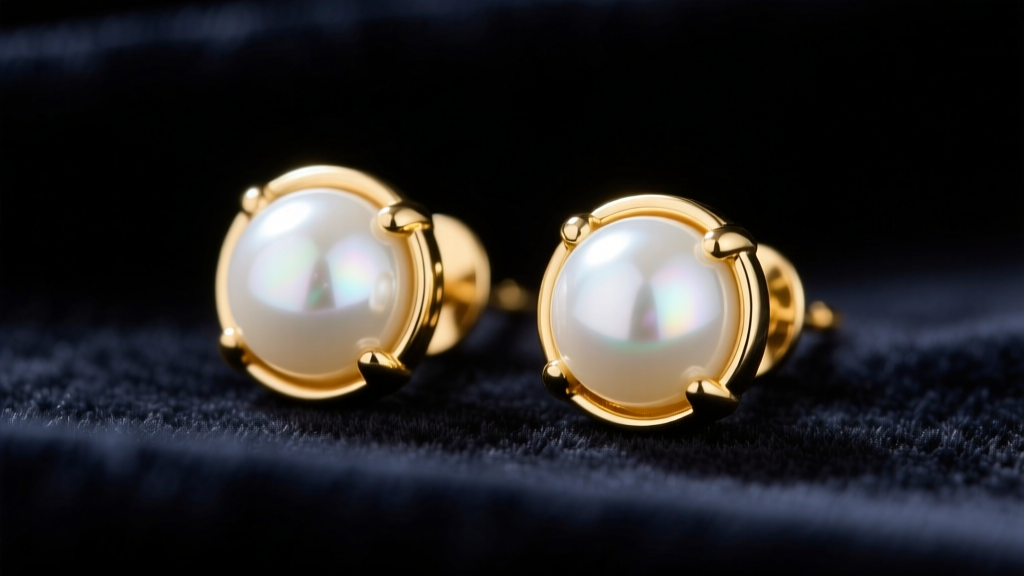
Few jewelry combinations carry the historical weight and visual harmony of gold earrings with pearl. The warm, reflective properties of gold perfectly complement the organic, soft luster of a pearl, creating a versatile accessory that transitions seamlessly from boardroom meetings to evening galas. However, for beginners, the market can be overwhelming. Between varying gold karats, pearl species, post gauges, and setting mechanics, making an informed purchase requires a basic understanding of jewelry metallurgy and gemology.
This guide breaks down the exact specifications you need to know to invest in high-quality gold pearl earrings that will last a lifetime, avoiding common pitfalls and structural failure modes that plague mass-produced fashion jewelry.
Decoding Pearl Varieties: What Are You Actually Buying?
Not all pearls are created equal. The species of mollusk, the cultivation environment, and the nacre thickness drastically alter the price, durability, and visual impact of your earrings. According to the Gemological Institute of America (GIA), pearl value is heavily dependent on luster, surface quality, and nacre thickness. Here is a breakdown of the three most common pearl types used in gold settings.
| Pearl Type | Typical Size | Luster Profile | Avg. Price Range (Studs) | Best For |
|---|---|---|---|---|
| Freshwater | 6mm - 10mm | Soft, satiny glow | $50 - $250 | Everyday wear, budget-conscious buyers |
| Akoya | 6mm - 9mm | Mirror-like, sharp reflections | $300 - $1,200+ | Classic elegance, formal events |
| South Sea | 10mm - 16mm+ | Deep, luxurious satin | $1,500 - $5,000+ | Statement pieces, luxury collectors |
Pro Tip: When buying Akoya pearls, always ask for the nacre thickness. Bead-nucleated Akoya pearls with nacre thinner than 0.25mm are prone to peeling and chipping over time. Aim for a minimum of 0.4mm nacre for long-term durability.
Understanding Gold Karats and Alloy Metallurgy
Pure gold (24k) is incredibly soft. If a jeweler were to craft a 24k gold post for a heavy pearl drop earring, the post would bend under the weight, and the tension setting would fail, resulting in a lost gemstone. Therefore, gold is alloyed with other metals to increase its tensile strength. The GIA's educational resources on gold detail how these alloys affect both color and durability.
14k vs. 18k Gold: Which is Better for Earrings?
- 14k Gold (58.5% Pure Gold): The industry standard for everyday earrings. It offers excellent durability, resists scratching, and holds prong settings tightly. It is the most practical choice for heavy pearl drops or active lifestyles.
- 18k Gold (75% Pure Gold): Prized for its rich, buttery yellow hue and higher hypoallergenic properties. However, it is softer than 14k. If you choose 18k gold for heavy dangle earrings, ensure the post is adequately thick to prevent warping.
The White Gold Rhodium Dilemma
White gold earrings with pearl are highly sought after for their modern, cool-toned aesthetic. However, white gold is naturally yellowish and is plated with rhodium to achieve a bright white finish. Failure Mode: Over 1 to 3 years, the rhodium plating on the earring post and backing will wear off due to friction and skin oils, revealing the yellowish alloy beneath. If you have a nickel allergy, ensure your white gold is alloyed with palladium rather than nickel, as exposed nickel can cause severe contact dermatitis on the earlobe.
Sizing, Gauges, and Backing Mechanics
The structural integrity of your earrings relies heavily on the post gauge (thickness) and the backing mechanism. Ignoring these details is the primary reason beginners experience discomfort or lost jewelry.
Post Gauge and the "Cheese-Cutter" Effect
Standard lobe piercings are typically 20-gauge (0.81mm) or 18-gauge (1.02mm). If you purchase heavy South Sea pearl drop earrings set on a thin 22-gauge (0.64mm) wire, the weight of the pearl will cause the thin wire to slice through the bottom of your earlobe piercing over time—a painful phenomenon known in the jewelry industry as the "cheese-cutter effect." Always verify that heavy gold earrings with pearl feature a minimum 18-gauge post for adequate support.
Securing Your Investment: Backing Types
Never rely on standard friction push-backs for pearl drops valued over $500. The shallow notches on mass-produced posts easily slip off when caught on hair or clothing.
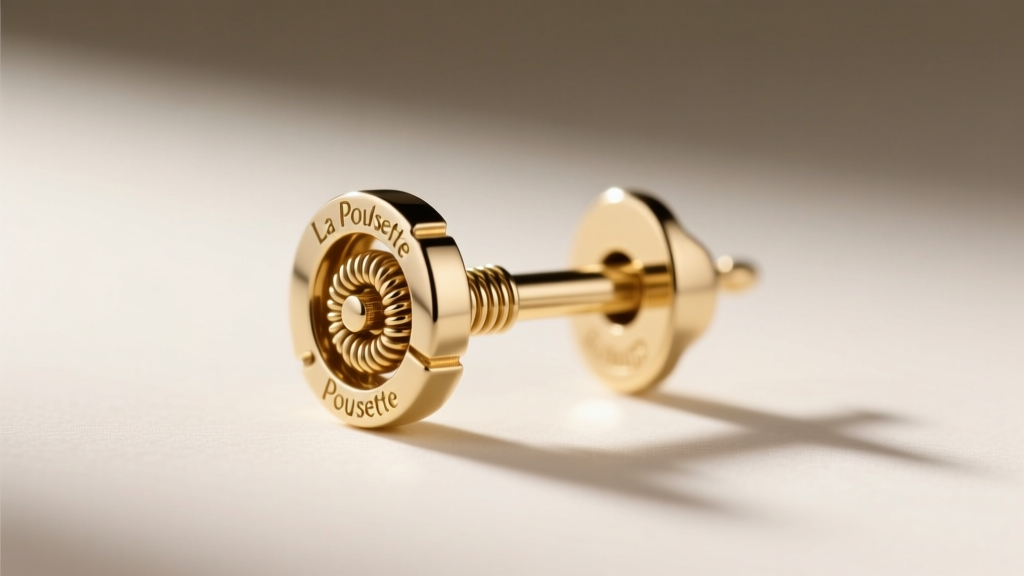
Instead, look for La Pousette backings. Originally designed in France, these locking butterfly clutches feature a tiny spring-loaded mechanism that snaps securely into a deep groove on the post, making accidental loss virtually impossible. Alternatively, screw-backs offer high security, though repeated over-tightening can strip the delicate threads on the gold post.
Styling Gold Earrings With Pearl for Your Face Shape
While gold and pearl are universally flattering, the silhouette of the earring can dramatically alter your facial proportions. Here is a quick framework for selecting the right shape:
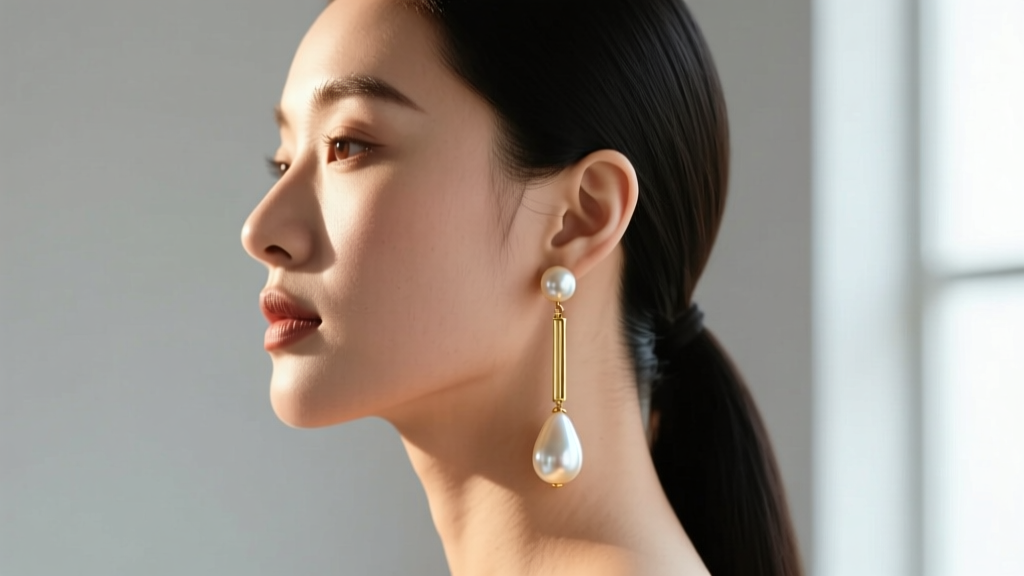
- Round Faces: Avoid large, perfectly round pearl studs or wide hoops, which will emphasize facial width. Instead, opt for elongated gold drop earrings featuring pear-shaped or baroque pearls to create a vertical, lengthening illusion.
- Square Faces: Soften a strong jawline with curved silhouettes. Gold hoops with small pearl charms or circular cluster settings will balance angular features.
- Heart-Shaped Faces: Draw attention downward and balance a narrow chin with teardrop pearl dangles or chandelier settings that are wider at the bottom.
- Oval Faces: The most versatile shape. You can confidently wear anything from minimalist 14k gold huggies with tiny pearl accents to dramatic, oversized South Sea pearl drops.
Care, Maintenance, and Preventing Failure Modes
Pearls are organic gemstones composed primarily of calcium carbonate and conchiolin. They rank a mere 2.5 to 3.0 on the Mohs hardness scale, making them highly susceptible to chemical and physical damage. Proper care is non-negotiable.
The "Last On, First Off" Rule
Always put your gold earrings with pearl on after applying makeup, hairspray, and perfume. The alcohol and harsh chemicals in cosmetics will strip the pearl's natural luster and degrade the jeweler's epoxy used in peg settings. Remove them before showering or exercising, as chlorine and sweat can pit the pearl's surface and tarnish the gold alloy.
Cleaning and Storage
Never use ultrasonic cleaners or steamers on pearl jewelry. The high-frequency vibrations will shatter the nacre, and the heat will melt the adhesive securing the pearl to the gold post. Instead, gently wipe the pearls with a damp, lint-free microfiber cloth after each wear to remove skin oils. Store them in a soft pouch away from harder gemstones like diamonds or sapphires, which will easily scratch the pearl's delicate surface.
Final Thoughts
Investing in gold earrings with pearl is a rewarding endeavor that bridges classic heritage and modern style. By prioritizing thick-nacre pearls, choosing the appropriate gold karat and alloy for your skin sensitivity, and insisting on secure, properly gauged backing mechanisms, you ensure your earrings remain a staple in your collection for decades. Take your time, verify the specifications with your jeweler, and enjoy the timeless elegance that only gold and pearl can provide.


