The Ultimate Guide to Pearl and Diamond Dangle Earrings for Beginners
Discover how to choose, style, and care for pearl and diamond dangle earrings. Learn about pearl grades, diamond accents, and weight limits for lobes.

Why Pearl and Diamond Dangle Earrings Are a Timeless Investment
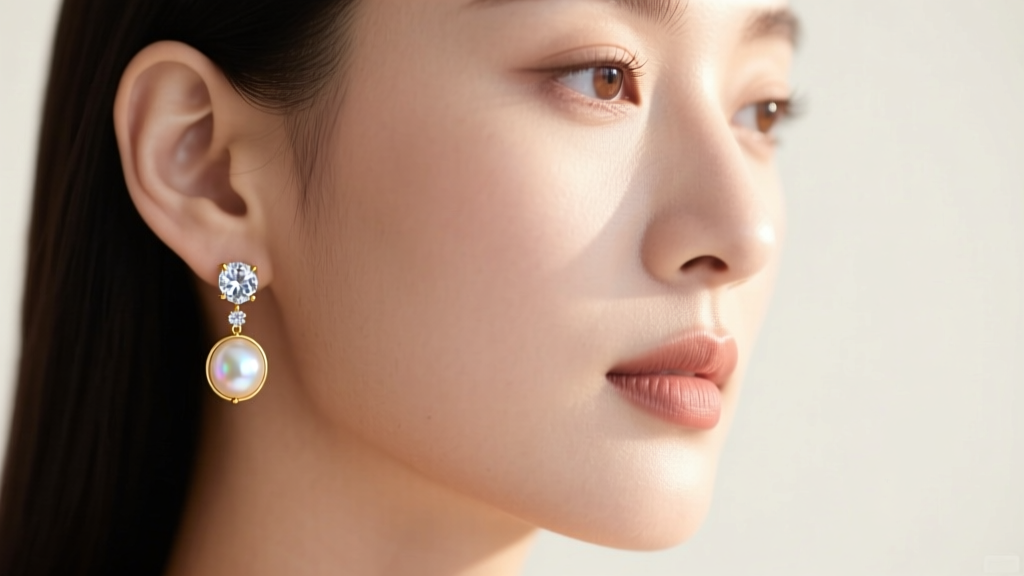
When it comes to building a fine jewelry wardrobe, few pieces offer the versatility and elegance of pearl and diamond dangle earrings. This specific style marries the organic, soft luster of cultured pearls with the sharp, crystalline brilliance of diamonds. For beginners stepping into the world of fine jewelry, understanding how these two distinct materials interact is crucial for making a smart purchase. Unlike static studs, dangle earrings introduce movement, which catches the light and maximizes the visual impact of both the diamond accents and the pearl's orient (the iridescent play of color on the surface).
However, combining these materials also introduces unique structural and maintenance challenges. From selecting the right nacre thickness to ensuring your earlobes can support the weight of the drop, this guide breaks down everything you need to know before investing in your first pair.
Decoding Pearl Types: Which Nacre Suits Your Lifestyle?
The pearl is the focal point of any dangle earring. According to the Gemological Institute of America (GIA), the value and durability of a pearl are heavily dictated by its nacre thickness and luster. For dangle earrings, which are prone to swinging and occasionally knocking against surfaces, nacre durability is paramount.
| Pearl Type | Average Size | Nacre Thickness | Luster Quality | Price Range (per pair) |
|---|---|---|---|---|
| Akoya | 6.0mm - 8.5mm | 0.4mm - 0.8mm | Mirror-like, high shine | $400 - $1,200 |
| Freshwater | 7.0mm - 10.0mm | Solid Nacre | Soft, satiny glow | $150 - $500 |
| White South Sea | 10.0mm - 15.0mm | 2.0mm - 4.0mm | Deep, luxurious satin | $1,500 - $5,000+ |
The Beginner's Rule of Thumb
If you want maximum brilliance and a classic look, choose Akoya pearls. Their mirror-like luster perfectly complements the sparkle of diamond accents. If you are on a budget or want a larger stone without the premium price tag, Freshwater pearls are incredibly durable (since they are solid nacre) but lack the sharp reflection of Akoya. Avoid pearls with chalky surfaces or visible banding, as these indicate poor nacre quality that will degrade quickly with daily wear.
Understanding the Diamond Accents: Don't Overpay for Melee
In pearl and diamond dangle earrings, the diamonds are typically used as accents—either forming a halo around the pearl, capping the top, or creating a delicate chain link. These small diamonds are known in the industry as melee diamonds (generally weighing under 0.15 carats each).
As the GIA notes regarding diamond melee, these stones are often sold in parcels and are not individually graded with the same rigorous certificates as larger center stones. Here is how to avoid overpaying:
- Clarity: Do not pay a premium for VVS (Very Very Slightly Included) clarity in melee diamonds. Because the stones are so small and constantly moving in a dangle earring, SI1 to SI2 (Slightly Included) clarity is visually identical to the naked eye.
- Color: Aim for G-H color grades. These are near-colorless and will face up white against the metal, ensuring they don't cast a yellow tint that clashes with the cool overtones of a white pearl.
- Setting Style: Bead settings or micro-prongs are standard. Ensure the prongs are flush against the diamond's crown to prevent them from catching on silk blouses or hair.
The Hidden Factor: Earring Weight and Lobe Health
The most overlooked aspect of buying dangle earrings is the physical toll they take on your earlobes. A standard, healthy earlobe can comfortably support about 7 to 10 grams of weight before experiencing fatigue, drooping, or pain. A 12mm South Sea pearl capped in 14k gold with a diamond halo can easily exceed 12 grams per earring.
Wire Gauge and Clasp Mechanics
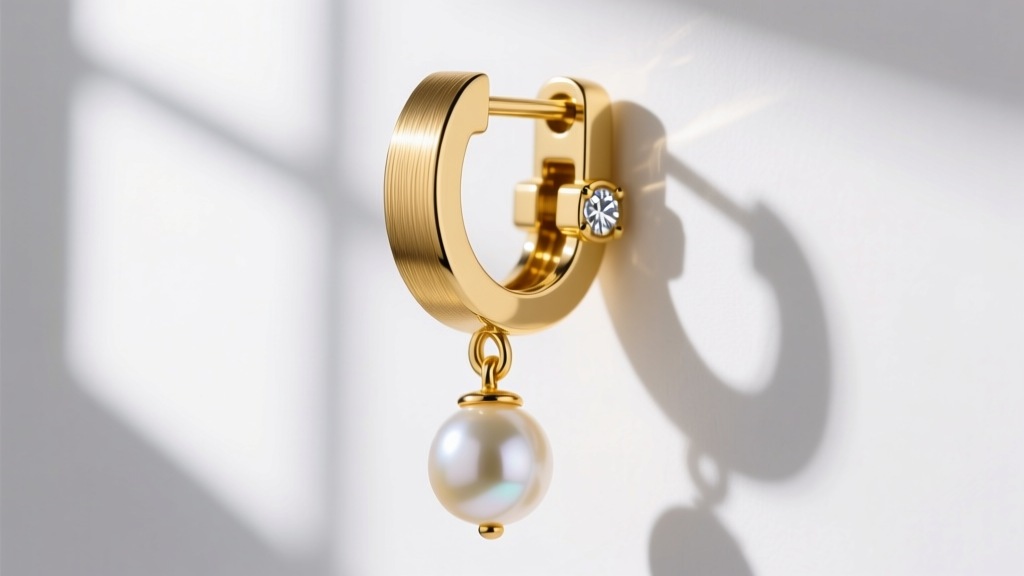
To prevent the earring wire from bending or tearing your piercing, pay close attention to the wire gauge. Standard stud earrings usually use a 20-gauge (0.81mm) or 22-gauge (0.64mm) post. However, for dangle earrings, you should look for an 18-gauge (1.02mm) or 19-gauge (0.91mm) wire. This thicker wire provides the necessary structural integrity to hold the swinging weight without warping.
Furthermore, avoid standard friction backs (butterfly backs) for heavy dangles. Instead, opt for:
- Leverback Closures: These snap securely shut and distribute weight evenly across the back of the earlobe.
- French Wire with Silicone Stoppers: If the design requires a shepherd's hook, always use high-quality silicone ear nuts to prevent the heavy earring from sliding out and getting lost.
- Omega Backs: For very heavy, high-carat diamond and pearl drops, omega clips provide a wide surface area that hugs the lobe, preventing the dreaded "forward droop."
Metal Choices: Matching the Alloy to the Pearl Overtone
The metal you choose should enhance, not fight, the natural overtone of the pearl.
- White Gold & Platinum: Best for pearls with rosé or silver overtones. The bright white metal amplifies the cool, icy flash of the diamonds and the pearl's surface.
- Yellow Gold: The traditional choice for pearls with cream or gold overtones. 14k or 18k yellow gold provides a warm contrast that makes white diamonds pop brilliantly.
- Rose Gold: A modern choice that pairs beautifully with freshwater pearls that have peach or pink natural body colors.
Care and Maintenance: Protecting the Nacre and Prongs
Maintaining pearl and diamond dangle earrings requires a dual approach, as the cleaning methods for diamonds can be highly destructive to pearls.
The "Last On, First Off" Rule
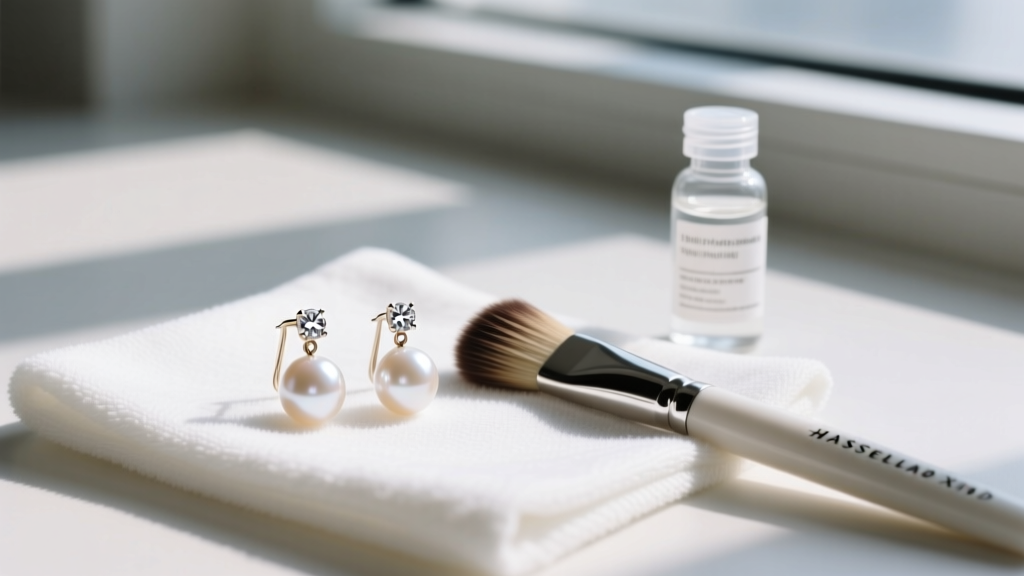
Pearls are organic gemstones with a Mohs hardness of just 2.5 to 3.0, making them highly susceptible to acids, perfumes, and hairsprays. Always put your earrings on after applying cosmetics and styling your hair. When you return home, take them off first and gently wipe the pearls with a damp, lint-free microfiber cloth to remove skin oils and environmental pollutants.
What to Avoid at All Costs
Expert Warning: Never place pearl and diamond dangle earrings in an ultrasonic jewelry cleaner. While ultrasonic waves are excellent for shaking dirt out of diamond pavé settings, the high-frequency vibrations will fracture the pearl's nacre layers and dissolve the epoxy glue often used to secure the pearl to its metal post.
Instead, use a soft, baby-bristle toothbrush dipped in warm water and a drop of pH-neutral dish soap to gently clean the diamond accents and metal settings. Avoid brushing the pearl itself. Once a year, take your dangles to a professional jeweler to have the diamond prongs checked and the pearl posts re-glued if you notice any spinning or looseness.
Final Thoughts for the First-Time Buyer
Investing in pearl and diamond dangle earrings is about balancing visual drama with structural practicality. By prioritizing thick nacre, accepting sensible melee diamond grades, and respecting the weight limits of your earlobes, you will secure a pair of earrings that remain elegant, comfortable, and structurally sound for decades.


