The Beginner's Guide to Rai Earrings & Sculptural Styles
Discover everything about rai earrings in our beginner guide. Learn about sculptural designs, metal grades, gauge sizes, and styling tips for 2026.

Understanding the Rai Earring Aesthetic
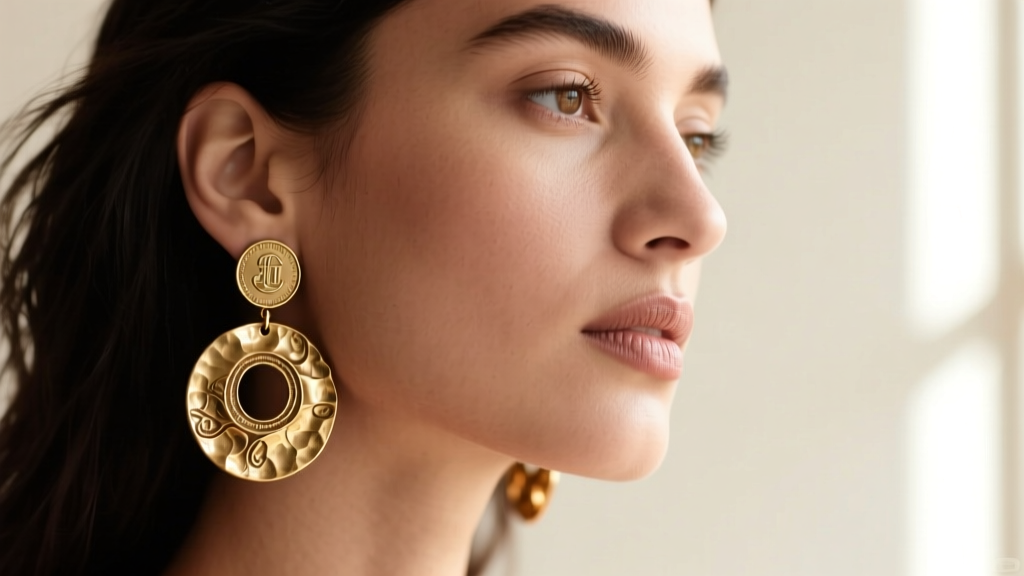
If you have been exploring artisan jewelry trends in 2026, you have likely encountered the term 'rai earrings.' Drawing inspiration from the ancient, monolithic Rai stones of Yap Island and popularized by contemporary sustainable jewelry houses, rai earrings represent a distinct category of sculptural, coin-motif, and heavily textured metallic ear adornments. Unlike mass-produced stamped jewelry, authentic rai-inspired pieces are characterized by their organic asymmetry, hammered finishes, and substantial visual weight. For beginners, navigating this niche requires an understanding of metal grades, structural integrity, and how to balance their bold proportions.
The Hallmarks of Sculptural Coin Jewelry
True rai earrings are not perfectly round or machine-smooth. The aesthetic relies on the artisan's hand, featuring deliberate hammer marks, uneven edges, and a raw, tactile surface. This texture catches the light dynamically, meaning the earrings shift in appearance as you move. They are typically crafted in warm metals—recycled brass, bronze, or rich gold vermeil—to mimic the earthen, historical feel of ancient currency and artifacts.
Material Grades and Gauge Sizing: A Technical Breakdown
One of the most common mistakes beginners make when buying heavy, sculptural earrings is ignoring the post gauge and metal composition. Because rai earrings possess significant visual and physical weight, the hardware must be robust enough to support the piece without stretching your piercing or bending over time.
Why Gauge Thickness Matters
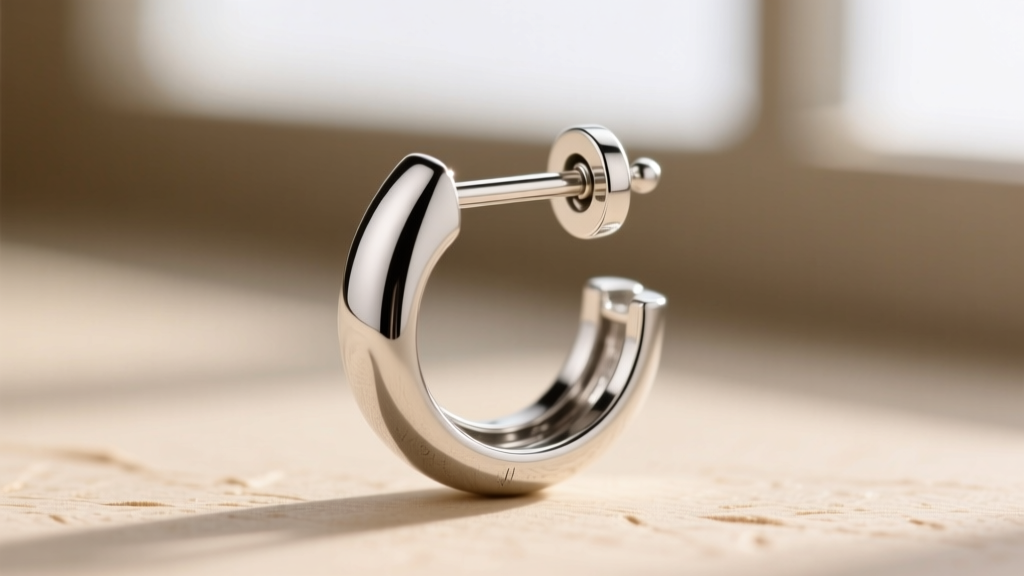
Standard commercial earrings usually feature a 20-gauge (0.81mm) or 22-gauge (0.64mm) post. However, for a heavy hammered brass or silver rai earring, a 20G post is often too thin. The weight of the sculptural face will cause a thin post to droop, making the earring sit awkwardly on the lobe and potentially causing micro-tears in the healing fistula. When shopping, look for 18-gauge (1.02mm) or even 16-gauge (1.29mm) posts. According to professional piercers, an 18G post provides the necessary structural rigidity for statement pieces while remaining comfortable for standard lobe piercings.
Metal Composition Comparison
Not all gold-toned rai earrings are created equal. The base metal and plating thickness dictate both the longevity of the piece and its suitability for sensitive skin. Below is a breakdown of what to expect in the current market.
| Material Type | Base Metal | Plating / Finish | Average Price Range | Durability & Care |
|---|---|---|---|---|
| Raw Brass / Bronze | Solid Brass | None (Raw) | $35 - $75 | Will oxidize and develop a patina; requires regular polishing. |
| Gold Vermeil | 925 Sterling Silver | 2.5+ microns of 18k Gold | $90 - $180 | Hypoallergenic base; highly durable if kept dry and stored properly. |
| Solid 14k Gold | Solid 14k Alloy | Solid throughout | $300 - $650+ | Lifetime durability; safe for 24/7 wear and sensitive piercings. |
Expert Tip: Always verify that 'gold vermeil' meets the industry standard of a sterling silver base with at least 2.5 microns of gold plating. Anything less is considered simple gold plating and will wear through quickly on high-friction areas like the earlobe.
Styling Dynamics: Balancing Visual Mass
Because rai earrings are inherently bold and textured, styling them requires an understanding of facial proportions and visual weight. The goal is to complement your features, not overwhelm them.
Face Shape Pairings
- Round Faces: Opt for elongated, teardrop-shaped rai designs rather than wide, circular coin motifs. The vertical drop helps create the illusion of length, while the hammered texture draws the eye downward.
- Square Faces: Soften a strong jawline with organic, asymmetrical rai earrings. The uneven, hand-hammered edges contrast beautifully with sharp angular features, adding a touch of fluidity to your profile.
- Oval Faces: You have the versatility to pull off almost any sculptural shape. Wide, oversized rai hoops or heavy circular coin studs will sit perfectly in balance with your natural proportions.
- Heart-Shaped Faces: Choose bottom-heavy designs, such as inverted triangle motifs or chandelier-style rai dangles, to add visual width to the lower half of the face and balance a narrower chin.
Lobe vs. Cartilage Placement
While standard lobe piercings are the most common home for rai earrings, the 2026 trend cycle has seen a surge in 'flat' or 'conch' piercings adorned with smaller, modified rai studs. If you are adapting a sculptural coin motif for a cartilage piercing, you must ensure the post length accommodates the thicker tissue (typically requiring a 6mm to 8mm post length) and that the backing is a secure screw-back or flat-back labret to prevent the heavy face from pulling on the delicate cartilage angle.
Caring for Hammered and Textured Metals
The very texture that makes rai earrings so captivating is also their biggest maintenance challenge. Hammered crevices and porous raw metals easily trap sebum, dead skin cells, and cosmetic products. Over time, this buildup can dull the metal's luster and, more importantly, cause irritation or infection in the piercing tract.
The Weekly Cleaning Protocol
To maintain the integrity of your sculptural pieces without damaging the finish, follow a gentle, non-abrasive cleaning routine. According to metal care guidelines from The Gemological Institute of America (GIA), harsh chemicals and ultrasonic cleaners can strip gold vermeil and accelerate the oxidation of raw brass.
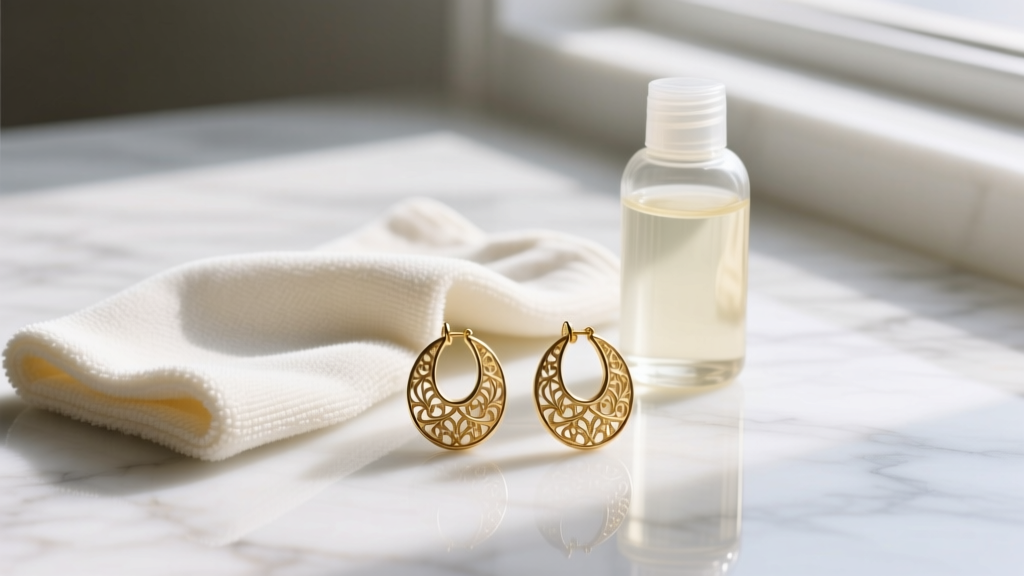
The Safe Cleanse: Mix a few drops of mild, phosphate-free dish soap into a bowl of lukewarm water. Use a soft-bristled baby toothbrush to gently agitate the hammered crevices of the earring. Rinse thoroughly with distilled water to prevent hard water spots, and pat completely dry with a lint-free microfiber cloth before storing.
For raw brass or bronze rai earrings that have developed a dark, unwanted patina, The Spruce Crafts recommends a natural acid bath: a brief soak in a mixture of lemon juice and baking soda, followed by an immediate and thorough rinse. However, never use this method on gold vermeil, as the citric acid will degrade the gold layer.
Where to Source Authentic Artisan Pieces
As the demand for sculptural, heritage-inspired jewelry grows, the market has been flooded with cheap, machine-stamped imitations. To ensure you are investing in true rai-style craftsmanship, look for independent artisans and sustainable jewelry collectives rather than fast-fashion conglomerates. Authentic pieces will explicitly detail their forging process, the origin of their recycled metals, and the exact micron count of their plating.
When browsing online, scrutinize the product photography. True hammered rai earrings will show variations in the light reflection across the surface, indicating hand-tooling. If the texture looks perfectly uniform or pixelated, it is likely a cast mold or a stamped replica. Expect to invest between $80 and $150 for a high-quality, ethically made pair of gold vermeil rai earrings that will serve as a cornerstone of your jewelry wardrobe for years to come.
Final Thoughts for the Beginner
Transitioning into the world of rai earrings is an exercise in appreciating imperfection and artisanal weight. By prioritizing an 18-gauge post for structural support, selecting a metal grade that aligns with your skin sensitivity, and committing to a gentle cleaning regimen for those intricate hammered textures, you can confidently wear these sculptural masterpieces. Whether you are drawn to the historical resonance of the coin motif or the raw, organic beauty of hand-forged brass, rai earrings offer a deeply personal and striking way to frame the face.


