The Ultimate Guide to Silver Cat Earrings: Styles, Metals & Care
Discover everything you need to know about silver cat earrings. Learn about 925 sterling grades, stud vs. dangle styles, and expert tarnish care tips.

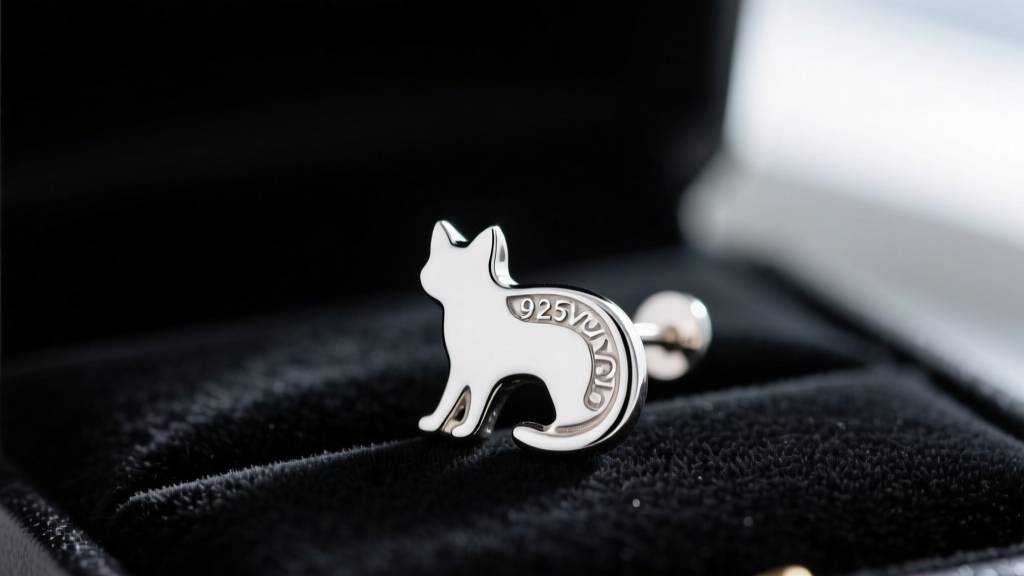
Feline-inspired jewelry has maintained a steadfast presence in accessory trends, but navigating the market as a beginner can be surprisingly complex. Silver cat earrings offer a perfect blend of playful charm and timeless elegance, yet not all pieces are created equal. Whether you are looking for a subtle stud for the office or an elaborate dangle for a night out, understanding the metallurgy, sizing, and care requirements of sterling silver is essential. This guide breaks down everything you need to know to make an informed, skin-safe, and stylish purchase.
Why 925 Sterling Silver is the Only Grade You Should Buy
When shopping for silver cat earrings, the "925" hallmark is your most critical indicator of quality. Pure silver (often stamped 999) is far too malleable for everyday jewelry. If a jeweler crafted a cat's delicate whiskers or pointed ears from pure silver, they would bend and warp out of shape within days of wear. To solve this, metallurgists created sterling silver, an alloy composed of exactly 92.5% pure silver and 7.5% secondary metals, usually copper. This copper addition provides the necessary tensile strength to hold intricate feline silhouettes while retaining the brilliant luster of precious metal.
However, beginners must be wary of deceptive marketing terminology. Terms like "Tibetan Silver," "Alpaca," and "Nickel Silver" are entirely misleading; they contain zero actual silver. These base-metal alloys frequently contain high levels of nickel, a notorious contact allergen that causes severe earlobe dermatitis, itching, and flaking. Always verify the 925 stamp, and if you have sensitive skin, seek out pieces that are explicitly rhodium-plated or verified nickel-free by the manufacturer. For a deeper dive into safe body jewelry materials, consult the guidelines published by the Association of Professional Piercers.
Choosing the Right Cat Earring Style for Your Face Shape
The geometry of your earrings can dramatically alter the perceived proportions of your face. Here is a practical framework for matching silver cat styles to your specific facial structure:
- Round Faces: Elongate your features with silver cat dangle earrings. A stylized, elongated feline silhouette dropping 1.5 to 2 inches below the lobe draws the eye downward, creating a slimming vertical line that offsets wide cheekbones.
- Square Faces: Soften a strong, angular jawline with curved designs. Opt for silver cat huggies or small hoops featuring a resting cat charm. The circular geometry of the hoop balances sharp facial structures.
- Heart Faces: Balance a narrower chin with wider, geometric cat head studs that sit flush against the lobe. This adds visual weight to the upper half of your face, creating harmonious symmetry.
- Oval Faces: You possess the most versatile canvas. Nearly any style works, from minimalist cat ear cuffs to dramatic shoulder-dusting feline drops.
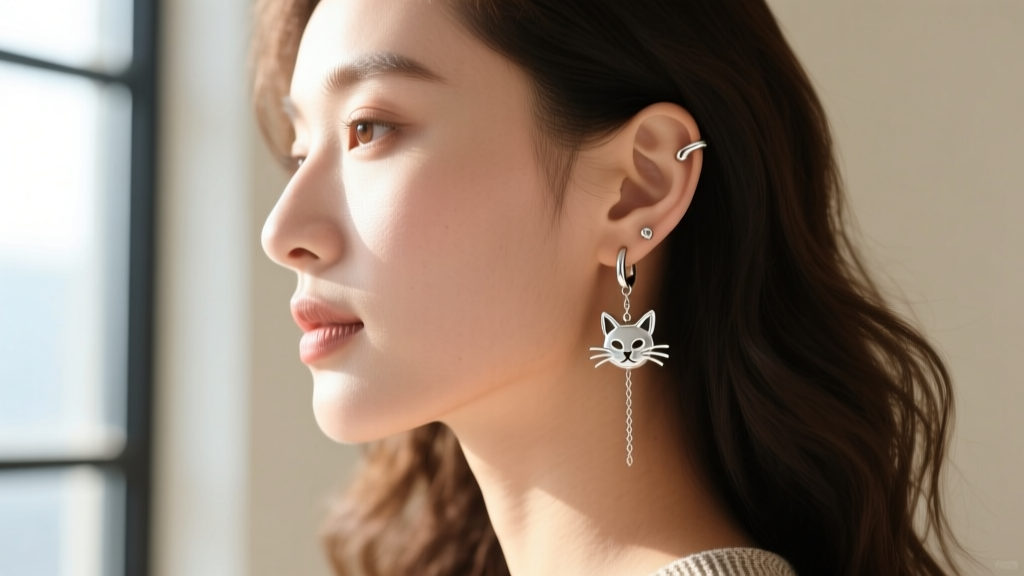
Ear Placement: Lobe vs. Cartilage Sizing
A common beginner mistake is ignoring post thickness (gauge) when buying earrings for different piercings. Standard lobe piercings are typically done at 20-gauge (0.81mm) or 18-gauge (1.02mm). Cartilage piercings, such as the helix or tragus, are usually pierced at 16-gauge (1.29mm) or 18-gauge. Wearing the wrong gauge can lead to irritation, migration, or tearing.
| Piercing Type | Standard Gauge | Recommended Cat Style | Ideal Post Length |
|---|---|---|---|
| Standard Lobe | 20g or 18g | Cat Head Studs, Small Dangles | 6mm - 8mm |
| Upper Lobe / Helix | 18g or 16g | Feline Huggies, Cartilage Cuffs | 6mm - 8mm |
| Tragus | 18g or 16g | Micro Cat Studs (3mm-4mm) | 5mm - 6mm |
| Conch | 16g or 14g | Large Geometric Cat Studs | 6mm - 8mm |
If you attempt to wear a thin 20g post in a 16g cartilage hole, the earring will slide around excessively, causing friction and potential rejection. Conversely, forcing a thick 16g post into a delicate 20g lobe hole will cause micro-tearing. Always check the product specifications for gauge size before purchasing. The APP Jewelry Sizing Guide provides excellent visual references for these measurements.
Clasp Security: Keeping Your Feline Friends Safe
Losing a beloved piece of jewelry is a heartbreaking experience, and the clasp mechanism is usually the point of failure. For silver cat studs, the traditional "butterfly" friction back is common but notoriously insecure. The tiny metal scrolls lose their tension over time, allowing the earring to slip off when you pull a sweater over your head.
Pro Stylist Tip: Upgrade your friction backs to silicone o-rings or screw-on backs. Silicone grips provide superior friction without damaging the silver post, while screw backs offer a mechanical lock that makes accidental loss nearly impossible.
For silver cat huggies and hoops, look for a hinged clicker mechanism with a secure snap closure. You should hear and feel a distinct "click" when the post seats into the receiving tube. Flimsy wire loops that simply bend into a catch are a recipe for lost jewelry.
The Science of Tarnish and How to Prevent It
Many beginners mistakenly believe that tarnish is a sign of fake silver. In reality, tarnish is a chemical certainty for sterling silver. The 7.5% copper in the alloy reacts with hydrogen sulfide in the air and moisture to form silver sulfide, the dull, blackish layer you see on neglected jewelry. While you cannot stop this chemical reaction entirely, you can drastically slow it down with proper storage and care.
Actionable Tarnish Prevention Framework
- The Pacific Silvercloth Method: Store your silver cat earrings in pouches made of Pacific Silvercloth. This specialized fabric is embedded with microscopic silver particles that absorb tarnish-causing gases before they reach your jewelry.
- The Chalk Trick: If you use a standard jewelry box, place a piece of plain blackboard chalk or a silica gel packet in each compartment. These desiccants absorb ambient moisture, starving the tarnishing reaction of one of its key ingredients.
- The "Last On, First Off" Rule: Lotions, perfumes, hairsprays, and the natural acids in your skin accelerate tarnishing. Always put your silver earrings on after applying cosmetics, and wipe them gently with a microfiber cloth before storing them away.
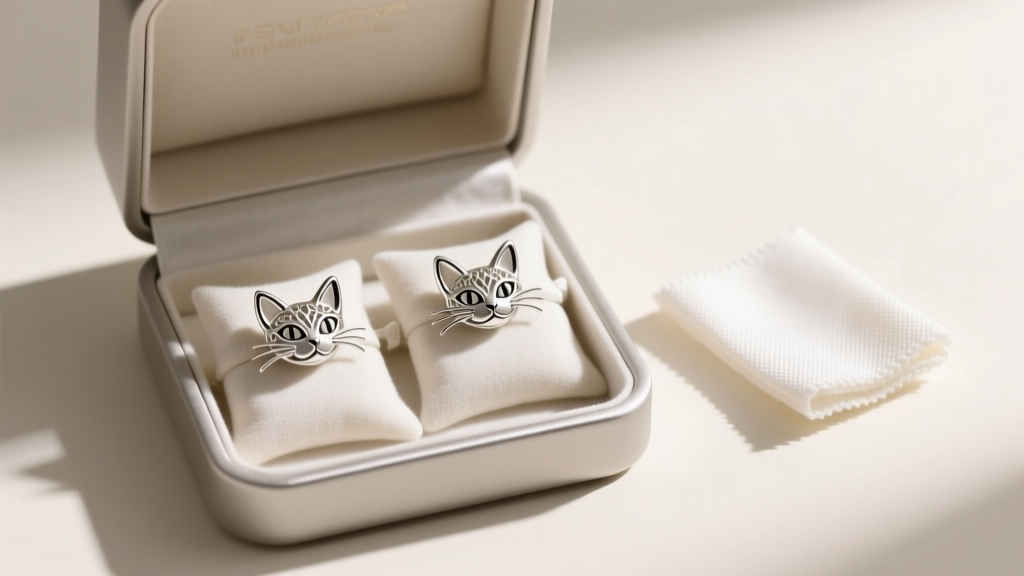
Where to Buy: Trusted Tiers and Pricing
The market for silver cat earrings spans a wide spectrum of quality and price. Understanding these tiers will help you set realistic expectations and avoid overpaying for mass-produced items.
- Mass Market ($15 - $35): Brands like Pandora or local mall kiosks offer accessible, machine-stamped silver cat earrings. These are great for trendy, seasonal wear but often lack intricate detailing and may use thinner silver plating over a brass core if not carefully vetted.
- Artisan & Handmade ($40 - $90): Platforms like Etsy host independent metalsmiths who cast or hand-saw solid 925 sterling silver feline designs. This tier offers the best balance of unique artistry, durable solid metal construction, and reasonable pricing.
- Fine Jewelry ($120+): Designer brands and high-end boutiques offer silver cat earrings accented with precious gemstones (like sapphire cat eyes or diamond collars). Here, you are paying for brand prestige, advanced stone-setting techniques, and premium packaging.
Final Thoughts
Silver cat earrings are more than just a whimsical accessory; they are a versatile staple that can transition seamlessly from casual daytime wear to elegant evening attire. By insisting on 925 sterling silver, matching the style to your face shape, respecting gauge sizes, and implementing a strict anti-tarnish storage routine, you ensure your feline jewelry remains as brilliant as the day you bought it. Approach your purchase with these technical insights, and you will build a collection that is both beautiful and built to last.


