A Beginner's Guide to Choosing and Styling Rabbit Earrings
Discover how to choose, style, and care for rabbit earrings. Learn about hypoallergenic metals, gauge sizes, and face-shape matching in this guide.

The Sophisticated Resurgence of Rabbit Earrings
When you think of animal-themed jewelry, rabbit earrings might initially evoke childhood nostalgia or costume accessories. However, in the contemporary jewelry landscape, the lagomorph motif has been elevated to high art and sophisticated everyday wear. Indie designers and heritage jewelers alike are reimagining the rabbit silhouette through minimalist geometry, intricate goldsmithing, and vibrant vitreous enameling. For beginners stepping into the world of whimsical yet refined jewelry, understanding how to select the right metal, gauge size, and style is crucial for both aesthetics and ear health.
This comprehensive guide will walk you through the material science, structural considerations, and styling frameworks necessary to curate a collection of rabbit earrings that are as comfortable as they are captivating.
Decoding Rabbit Earring Styles
The anatomy of a rabbit lends itself beautifully to various earring categories. The elongated ears, compact body, and dynamic posture offer unique design opportunities depending on the earring type you choose.
1. Minimalist Silhouette Studs
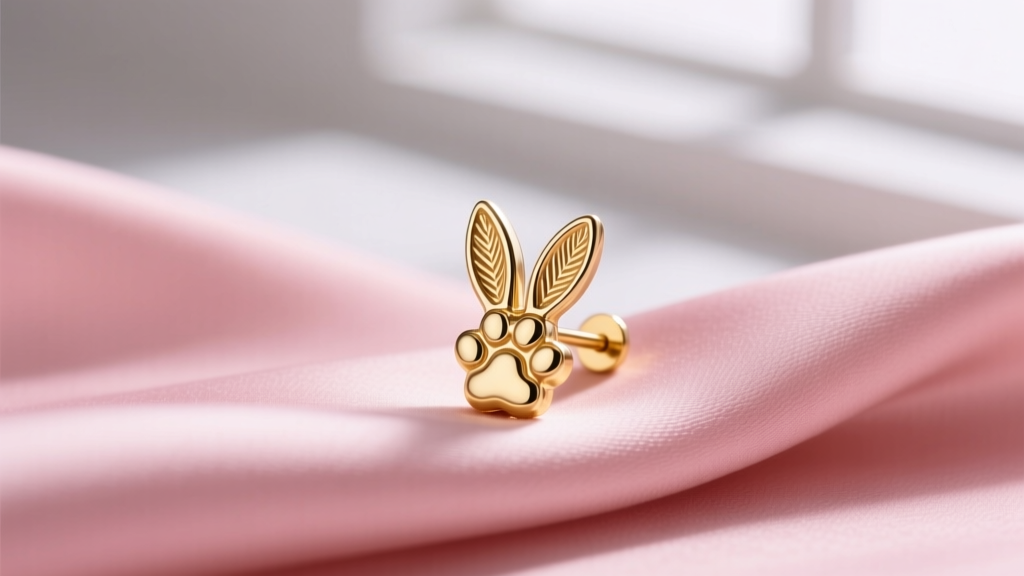
Stud earrings are the cornerstone of any jewelry collection. For rabbit motifs, designers often utilize negative space or continuous line art to create a subtle nod to the animal. Look for studs measuring between 5mm and 8mm. Anything smaller loses the distinct rabbit shape, while anything larger can overwhelm the earlobe and cause the post to droop due to the weight of the metal.
2. Kinetic Dangles and Drops
Drop earrings introduce movement. A popular design features a rabbit silhouette suspended from a delicate cable chain or a hinged hoop. The kinetic energy of a dangling rabbit earring catches the light and draws attention to the jawline. When purchasing dangles, ensure the jump rings (the tiny loops connecting the charm to the ear wire) are soldered shut to prevent the charm from slipping off and getting lost.
3. Cartilage Ear Cuffs
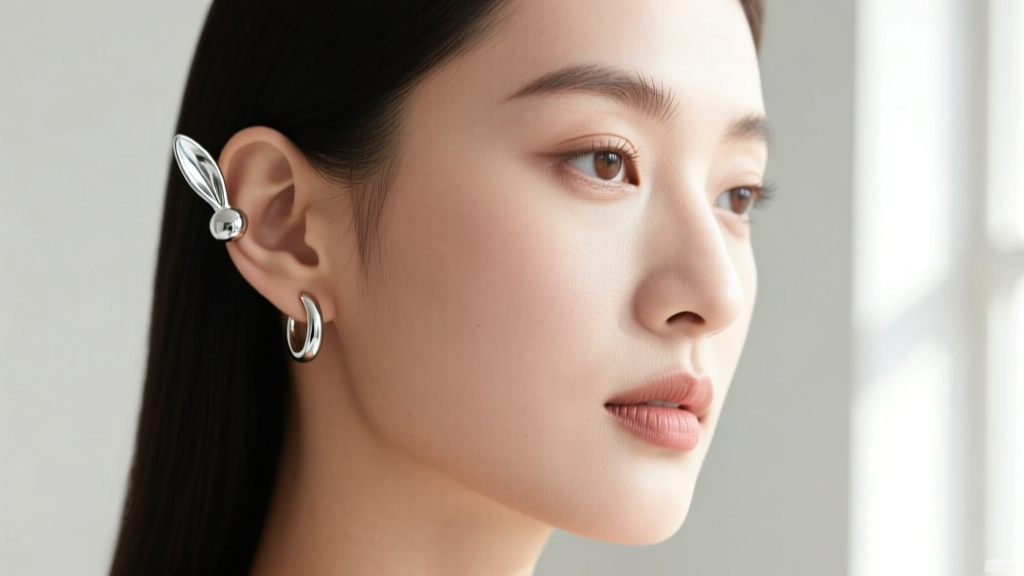
For those who want the aesthetic without the commitment of a new piercing, rabbit ear cuffs are an excellent choice. These wrap around the outer helix of the ear. The tension must be carefully calibrated; too loose, and the cuff will slide off; too tight, and it will restrict blood flow and cause cartilage pain. Look for cuffs made from malleable metals like sterling silver or 14k gold, which can be gently squeezed to customize the fit.
Material Matters: Hypoallergenic Metals & Enamel
The skin on your earlobes and cartilage is highly susceptible to contact dermatitis. According to the Association of Professional Piercers (APP), nickel is the most common culprit for jewelry allergies, often hidden in cheap brass or white gold alloys. When investing in rabbit earrings, prioritize the following materials:
- ASTM F136 Implant-Grade Titanium: The gold standard for sensitive ears and fresh piercings. It is completely nickel-free, lightweight, and will not tarnish. Many high-end indie brands now cast rabbit motifs in titanium or use titanium posts with decorative ends.
- 14k or 18k Solid Gold: Hypoallergenic and durable. However, be wary of 'gold-filled' or 'gold-plated' items if you have severe allergies, as the base metal can eventually be exposed through wear.
- Sterling Silver (925) with Rhodium Plating: Silver is naturally soft and prone to tarnishing when exposed to sulfur in the air. A thick rhodium flash not only prevents tarnish but also provides a bright, white-metal finish that mimics platinum.
- Gold Vermeil: Unlike standard flash plating, the FTC requires vermeil to have a base of sterling silver coated with at least 2.5 microns of 10k, 14k, or 18k gold. This thickness ensures the rabbit charm won't fade to silver after a few weeks of wear.
The Enamel Factor
Many colorful rabbit earrings utilize enamel to achieve pastel or vibrant hues. Cold enamel (an epoxy resin) is common in affordable jewelry but can yellow over time and is sensitive to harsh chemicals. Vitreous enamel is powdered glass fused to metal in a kiln at high temperatures. As noted by the Gemological Institute of America (GIA), vitreous enamel is incredibly durable, scratch-resistant, and colorfast, making it the superior choice for heirloom-quality animal motif jewelry.
Gauge Sizes & Piercing Compatibility
A common beginner mistake is ignoring the thickness of the earring post, known as the gauge. If you buy a heavy cast-metal rabbit dangle with a post that is too thin, the weight will stretch your piercing and cause the earring to hang at an awkward, downward angle.
| Gauge Size | Millimeter (mm) | Best Use Case | Common Backing Type |
|---|---|---|---|
| 22g | 0.64mm | Ultra-lightweight, tiny wire-wrapped rabbit charms. | Friction backs (butterfly) |
| 20g | 0.81mm | Standard commercial studs and lightweight drops. | Friction backs, fish hooks |
| 18g | 1.02mm | Heavier solid gold rabbit motifs, professional body jewelry. | Threadless ends, screw-in |
| 16g | 1.29mm | Cartilage piercings, thick hoops with rabbit clicker segments. | Segment rings, threadless |
Expert Tip: If you purchase a heavy 18k gold rabbit silhouette, ensure the post is at least 18g. Pair it with a secure backing like a la pousette (butterfly back with a locking groove) or a silicone O-ring to prevent the earring from slipping out and getting lost.
Face Shape Matching for Animal Motifs
Because rabbit earrings often feature distinct vertical (long ears) or horizontal (hopping posture) lines, they can be used strategically to balance your facial proportions.
'The goal of styling motif jewelry is to create visual harmony. Elongated drop earrings soften angular jawlines, while wider, stud-style motifs add necessary width to longer face shapes.'
- Round Faces: Opt for long, vertical rabbit drop earrings. The elongated ears of the motif will draw the eye downward, creating an illusion of length and slimming the cheeks. Avoid wide, circular hoops featuring rabbit charms.
- Oval Faces: You have the versatility to pull off any style. Geometric, abstract rabbit studs or bold, oversized enamel rabbit hoops will look exceptionally balanced.
- Heart-Shaped Faces: Choose rabbit dangles that are wider at the bottom, such as a teardrop-shaped design featuring a curled-up sleeping bunny. This adds visual weight to the narrower lower half of your face.
- Square Faces: Soften strong jawlines with curved, wire-wrapped rabbit silhouettes or huggie hoops with a small bunny charm dangling just below the lobe. Avoid sharp, angular, or blocky metal designs.
Care & Maintenance: Preventing Tarnish and Damage
Proper maintenance ensures your rabbit earrings remain pristine. The intricate crevices often found in cast animal motifs can trap sebum, dead skin cells, and environmental dust, leading to dullness and potential skin irritation.
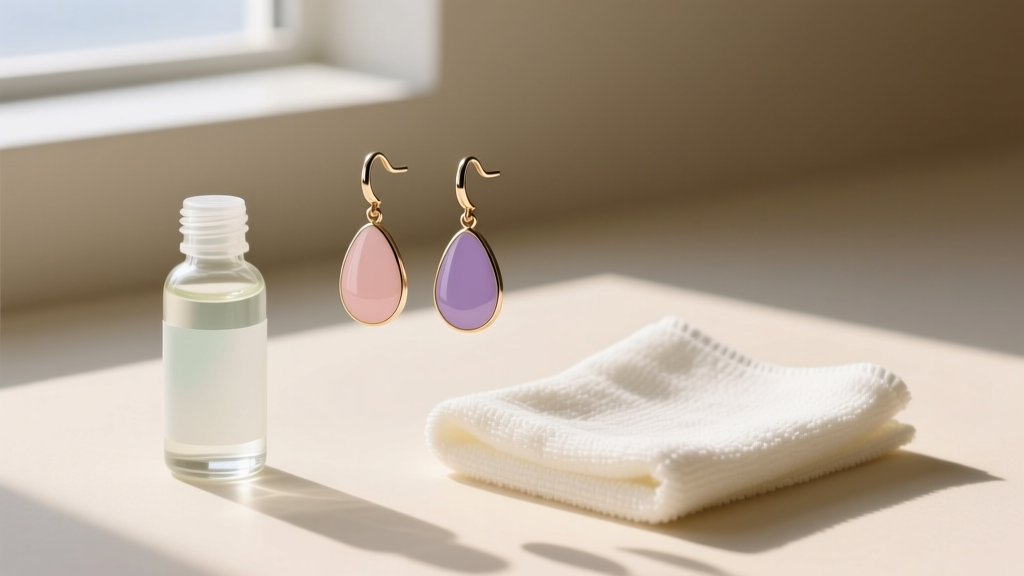
- Daily Wipe Down: After wearing, gently wipe the earrings with a lint-free microfiber cloth to remove oils and sweat. This is especially critical for sterling silver, as the sulfur in human sweat accelerates tarnishing.
- Deep Cleaning (Metal Only): Mix a few drops of mild, phosphate-free dish soap in warm water. Use an extra-soft baby toothbrush to gently scrub the crevices of the rabbit motif. Rinse thoroughly and pat dry.
- Enamel Warning: Never use ultrasonic cleaners or harsh chemical dips (like silver polish) on enameled rabbit earrings. The high-frequency vibrations can shatter vitreous enamel, and chemicals will strip the glossy finish of cold enamel.
- Storage: Store your earrings in an anti-tarnish ziplock bag or a lined jewelry box. Keep them away from direct sunlight and humidity to preserve both the metal finish and any resin or enamel accents.
Final Thoughts on Curating Your Collection
Rabbit earrings offer a unique blend of playfulness and sophistication when chosen with intention. By prioritizing hypoallergenic materials like ASTM F136 titanium or thick gold vermeil, respecting the gauge requirements of your piercings, and selecting a silhouette that complements your face shape, you can seamlessly integrate this whimsical motif into your daily wardrobe. Whether you prefer a subtle, continuous-line gold stud or a bold, vitreous enamel drop, the right pair of rabbit earrings is an investment in both personal style and ear health.


