Sun Earrings Explained: A Beginner Guide to Solar Styles
Discover everything about sun earrings in our beginner guide. Learn about metal grades, weight limits, face shape matching, and solar motif styling.

What Are Sun Earrings? Decoding the Solar Motif
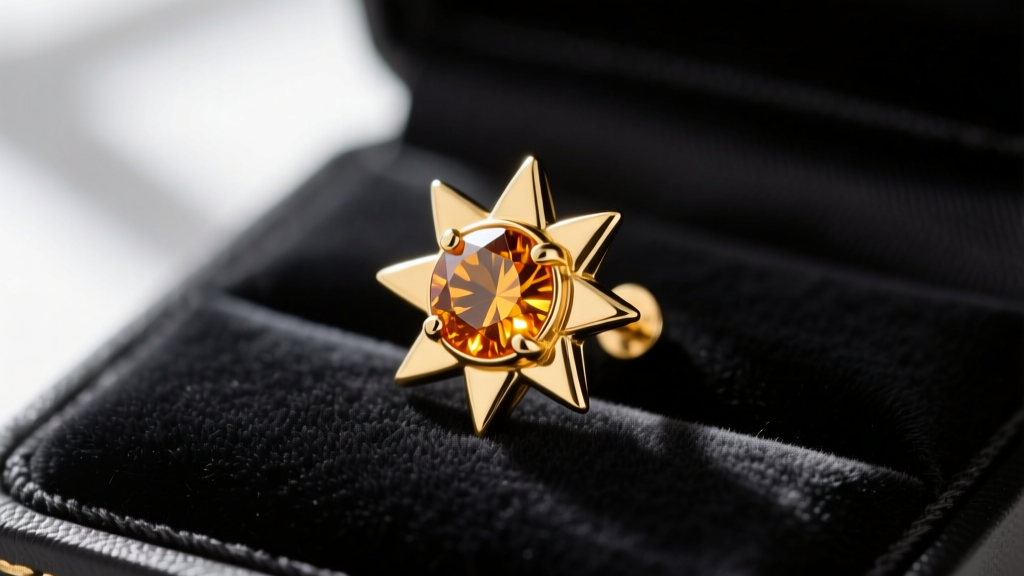
Sun earrings are more than just a fleeting jewelry trend; they are a timeless category of body adornment that draws on centuries of celestial symbolism. For beginners stepping into the world of motif jewelry, solar designs offer a unique blend of geometric symmetry and organic warmth. At their core, sun earrings feature a central focal point—often a gemstone, a textured metal dome, or an enamel disc—surrounded by radiating elements that mimic the rays of the sun.
Understanding the anatomy of these earrings is crucial before making a purchase. A standard solar design consists of three main components: the halo or center stone, the radiating rays (which can be straight, wavy, or tapered), and the structural backing. In 2026, modern jewelers are moving away from flimsy, mass-produced stamped metals, favoring cast or die-struck pieces that provide structural integrity to the delicate rays. Whether you are looking at a minimalist sunburst stud or an elaborate dangling sun face, the quality of the ray construction dictates the earring's longevity and visual impact.
Choosing the Right Metal: Hypoallergenic and Tarnish-Resistant
Because sun earrings feature intricate crevices between the rays, they are prone to trapping skin oils, lotions, and environmental moisture. This makes metal selection a critical factor, especially for those with sensitive skin or nickel allergies. Avoid gold-plated or gold-vermeil options for daily-wear sun motifs, as the friction and cleaning required for the crevices will quickly wear away the thin outer layer of gold, exposing the base metal beneath.
| Metal Grade | Price Range (2026) | Tarnish Risk | Best For |
|---|---|---|---|
| ASTM F136 Titanium | $40 - $120 | Zero | Cartilage, fresh piercings, hyper-sensitive lobes |
| 14k Solid Gold | $150 - $450 | Very Low | Everyday lobe wear, durable ray details |
| 18k Solid Gold | $300 - $800+ | Zero | Heirloom pieces, rich color contrast with stones |
| 925 Sterling Silver | $30 - $90 | High | Occasional wear, budget-friendly starter pieces |
According to the Association of Professional Piercers (APP), implant-grade titanium (ASTM F136) remains the gold standard for biocompatibility. If you are buying sun earrings for a newer piercing or have a history of contact dermatitis, titanium is non-negotiable. For those seeking the classic warm glow associated with solar motifs, 14k or 18k solid gold provides the necessary durability to withstand the micro-abrasions of daily cleaning without losing its finish.
Sizing, Weight, and the Physics of 'Lobe Droop'
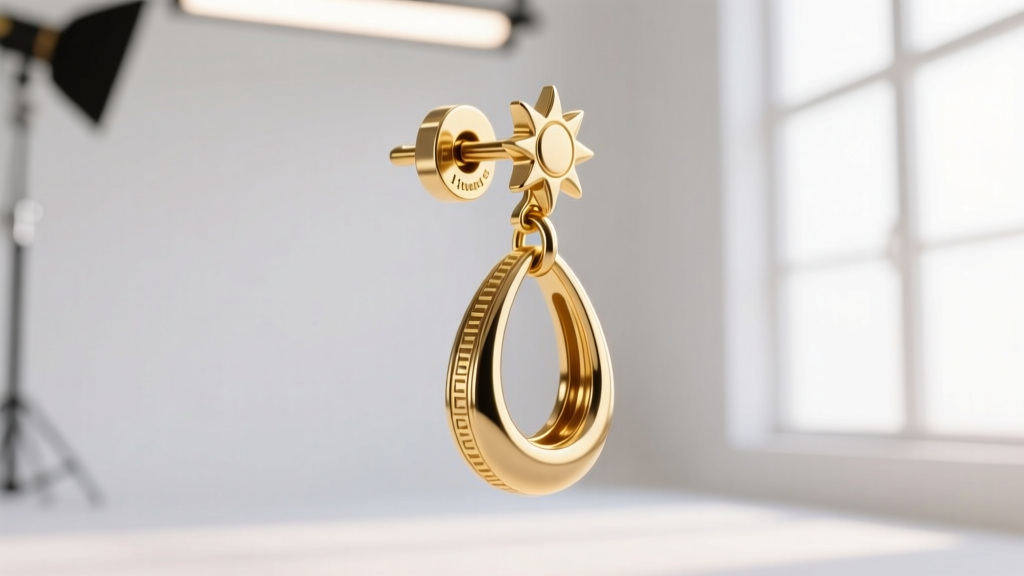
One of the most common mistakes beginners make with sun earrings is ignoring the weight-to-surface-area ratio. Sunburst designs are inherently top-heavy or wide-set, meaning the center of gravity often sits far from the actual piercing hole. Wearing a 20-gram sun drop earring with a standard friction back will inevitably lead to 'lobe droop'—the gradual stretching and downward tilting of the earlobe tissue over time.
The Weight Limit Rule
For daily wear, keep your sun earrings under 15 grams per ear. If you purchase a statement sun earring that exceeds this weight, you must upgrade your earring backing. Standard butterfly clutches offer less than 2 millimeters of surface area against the back of the lobe, which concentrates the weight and causes pain. Instead, opt for:
- La Pousette Clasps: These feature a locking mechanism with a wide, flat silicone or metal disc that distributes weight evenly across the back of the lobe.
- Jumbo Silicone Stoppers: A budget-friendly alternative that provides a wider grip, though they must be replaced every 6 to 12 months as the silicone degrades.
- Screw-Back Posts: Ideal for heavy sun studs, ensuring the wide backing cannot be accidentally pulled off by hair or clothing.
Gauge Thickness Matters
Standard lobe piercings are typically 20-gauge (0.81mm) or 18-gauge (1.02mm). If your sun earring is heavy or features a large, dangling solar disc, insist on an 18-gauge post. The extra 0.21mm of thickness provides significantly more shear strength, preventing the metal post from bending under the leverage created by the sun's radiating rays.
Face Shape Matching for Sunburst Designs
The geometric nature of sun earrings makes them a powerful tool for balancing facial proportions. The diameter of the sun motif and the style of its rays should be chosen to complement your natural bone structure.
- Round Faces: Avoid wide, circular sunburst hoops that emphasize facial width. Instead, choose elongated sun drop earrings or dangles where the rays point vertically downward. Aim for a length of 40mm to 60mm to create a lengthening illusion.
- Square Faces: Soften a strong jawline with sun earrings that feature wavy, organic, or curved rays rather than sharp, geometric spikes. Medium-sized sun studs (12mm to 18mm in diameter) with rounded halo centers work beautifully.
- Heart-Shaped Faces: Balance a narrower chin with bottom-heavy sun designs. Chandelier-style sun earrings or inverted sunbursts draw the eye downward and add visual weight to the lower half of the face.
- Oval Faces: You have the versatility to wear almost any solar design. Proportionate sun face studs (8mm to 15mm) sitting flush on the lobe highlight your natural symmetry without overwhelming your features.
Lobe vs. Cartilage: Adapting the Sun for Different Piercings
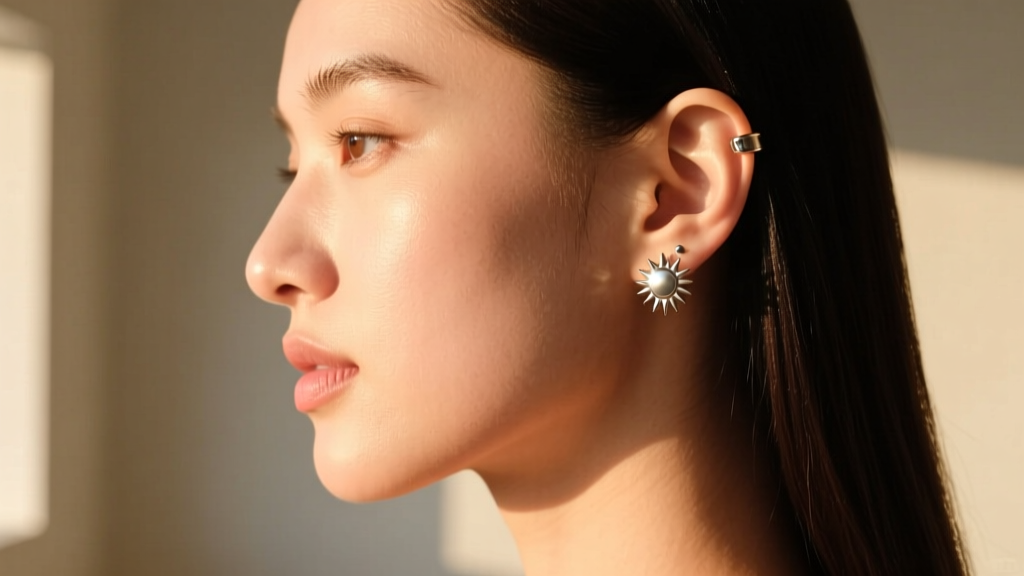
While the earlobe is the traditional canvas for sun earrings, the motif has become incredibly popular in cartilage placements like the helix, tragus, and conch. However, cartilage requires strict adherence to specific jewelry standards to avoid irritation bumps and migration.
Cartilage piercings are generally done at 16-gauge (1.29mm) or 14-gauge (1.6mm). Attempting to force a standard 20-gauge lobe stud into a cartilage hole can cause the post to bend or irritate the fistula (the piercing channel). When shopping for cartilage sun earrings, look specifically for flat-back labret studs featuring a sun motif. The flat disc backing is essential; a traditional butterfly back will dig into the back of the ear cartilage, causing pressure necrosis and severe discomfort while sleeping.
For tragus piercings, keep the sun motif miniature—between 4mm and 6mm in diameter. Larger sunburst designs will catch on earbuds, headphones, and telephone receivers, leading to constant snagging and potential tearing of the delicate tragus tissue.
Gemstone Centers: Sunstone, Citrine, and Care Protocols
The center of a sun earring is often anchored by a gemstone chosen for its optical properties or color. Two of the most popular choices are Citrine and Sunstone, but they require vastly different care regimens due to their position on the Mohs hardness scale and their internal structures.
Sunstone (a variety of orthoclase feldspar) is famous for its 'aventurescence'—a glittering effect caused by microscopic platelets of hematite or goethite suspended within the stone. According to the Gemological Institute of America (GIA), Sunstone ranks between 6 and 6.5 on the Mohs scale. This makes it relatively soft and prone to scratching if stored loosely with diamond or sapphire jewelry. Furthermore, Sunstone can be sensitive to sudden temperature changes and harsh chemical cleaners.
Citrine, a yellow variety of quartz, ranks at a 7 on the Mohs scale, making it much more durable for daily-wear sun earrings. It resists scratching well and can handle standard commercial jewelry cleaners.
How to Clean Intricate Sun Rays
The spaces between the rays of a sun earring are magnets for dead skin cells and sebum. To clean them safely without damaging the center stone:
- Mix a few drops of mild, phosphate-free dish soap into a bowl of lukewarm (not hot) water.
- Soak the earrings for 3 to 5 minutes to loosen debris.
- Use an extra-soft baby toothbrush or a dedicated jewelry brush to gently sweep outward from the center stone to the tips of the rays. Never scrub in a circular motion, as this can bend delicate ray tips or loosen the prongs holding the center stone.
- Rinse under distilled water to prevent hard water spots, and dry completely with a lint-free microfiber cloth before storing.
Never use ultrasonic cleaners on sun earrings featuring Sunstone, Amber, or Opal centers. The high-frequency vibrations can cause internal fractures in these stones, especially if they have natural inclusions or are foil-backed to enhance their solar glow. By understanding the specific material and structural needs of your sun earrings, you ensure they remain a radiant staple in your collection for years to come.


