How to Clean and Restore a Tarnished Rose Earring at Home
Learn how to safely clean, polish, and restore a tarnished rose earring at home with our expert step-by-step guide for silver, gold, and enamel pieces.

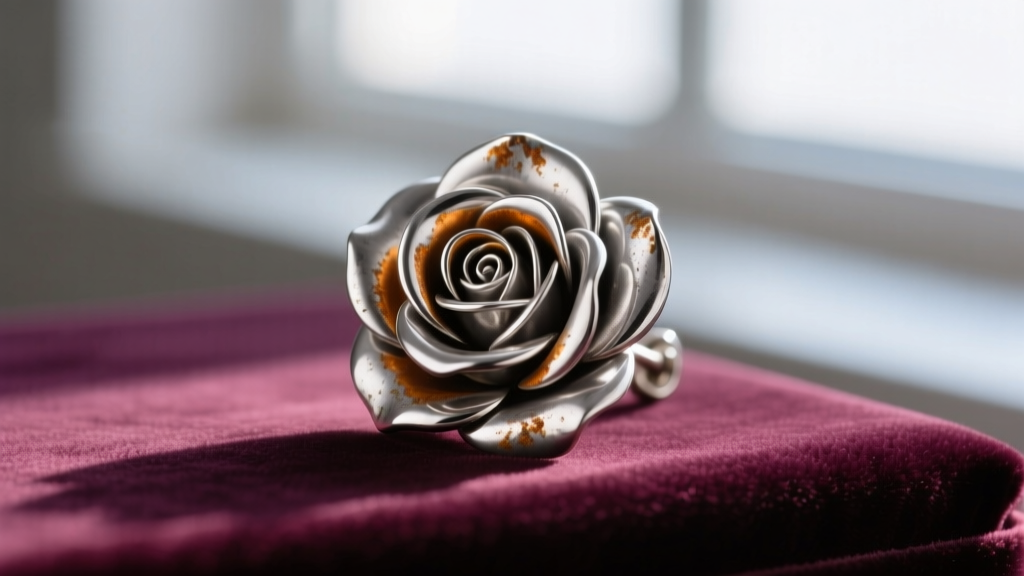
Floral jewelry remains a timeless staple, but the intricate overlapping petals and textured stamens of a rose earring make it uniquely susceptible to trapped sebum, cosmetic residue, and environmental tarnish. Unlike simple studs or smooth hoops, the deep crevices of a floral design require specialized care to restore their original luster without damaging delicate gemstone accents or stripping precious metal plating.
This comprehensive, step-by-step guide will walk you through the professional methods for identifying your materials, formulating the correct cleaning solutions, and executing a safe restoration process at home.
The Anatomy of a Rose Earring: Identifying Your Materials
Before applying any liquid or abrasive to your jewelry, you must accurately identify the base metal and any secondary finishes. The cleaning protocol for solid 14k gold differs vastly from that of gold vermeil or oxidized sterling silver.
Metal Bases and Plating Thickness
Most modern floral earrings are crafted from 925 sterling silver or feature gold plating over a brass or silver base. If your piece is gold-plated, determining the thickness is critical. According to industry standards outlined by the Jewelers of America, 'flash plating' is typically less than 0.17 microns thick and will easily rub off with aggressive polishing. In contrast, 'gold vermeil' requires a sterling silver base and a minimum gold thickness of 2.5 microns, making it far more resilient to gentle cleaning.
Enamel and Gemstone Vulnerabilities
Many rose earrings feature cold enamel detailing on the petals or micro-pave gemstones (like rose quartz or diamonds) in the center. The Gemological Institute of America (GIA) strictly warns against using ultrasonic cleaners or harsh chemical dips on porous stones and enamel, as the high-frequency vibrations can shatter inclusions, and chemicals can cause irreversible clouding or chipping.
Step-by-Step Restoration Guide for Tarnished Rose Earrings
Gather your tools: a 10x jeweler's loupe, an ultra-soft baby toothbrush, pH-neutral dish soap (like Dawn), distilled water, a wooden toothpick, and a lint-free microfiber cloth. Avoid tap water, as mineral deposits can leave microscopic etching on high-polish gold surfaces.
Step 1: The Dry Inspection and Prong Check
Use your 10x loupe to inspect the earring dry. Look closely at the prongs holding any center gemstones. Floral designs often feature 'stamen' prongs that endure high friction against hair and clothing. If you notice lifted prongs or rattling stones, stop immediately; cleaning will dislodge the stone. Take it to a jeweler for retipping. Next, use the wooden toothpick to gently dislodge any hardened, dry debris trapped between the overlapping metal petals.
Step 2: Formulating the Right Cleaning Solution
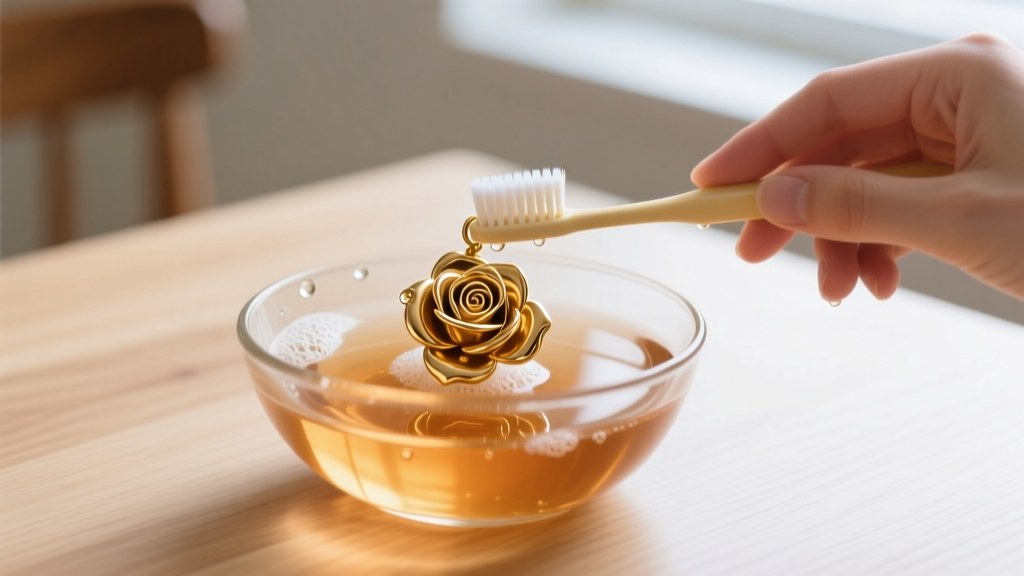
In a small glass bowl, mix one cup of lukewarm distilled water with three drops of pH-neutral dish soap. The water should be around 85°F (29°C)—warm enough to dissolve skin oils, but cool enough to prevent thermal shock to any set gemstones. Submerge the rose earring and let it soak for exactly 3 to 5 minutes. Do not exceed 5 minutes, as prolonged moisture exposure can weaken the adhesive used in some micro-pave settings.
Step 3: Precision Scrubbing Techniques
Remove the earring and use the ultra-soft baby toothbrush to agitate the soapy water across the metal. Critical technique: Use small, circular motions rather than linear back-and-forth strokes. Linear strokes can create micro-scratches on high-polish petals that catch the light. Pay special attention to the under-gallery (the hollow space beneath the rose bloom) and the earring post groove, where dead skin and lotion accumulate heavily.
Step 4: Rinsing and Safe Drying
Rinse the earring under a gentle stream of lukewarm distilled water. To dry, do not rub aggressively with a towel, as fibers can snag on prongs. Instead, pat the piece gently with a microfiber cloth, then use a hair dryer on the cool, low-airflow setting to blow residual moisture out of the deep petal folds. Air-drying often results in hard water spots, even with distilled water, if left completely undisturbed.
Material-Specific Troubleshooting Chart
Not all tarnish or discoloration is created equal. Use this diagnostic chart to address specific failure modes common to floral jewelry.
| Material | Common Issue | DIY Fix | When to See a Pro |
|---|---|---|---|
| 925 Sterling Silver | Black/Yellow Tarnish (Silver Sulfide) | Polish gently with a treated silver cloth (e.g., Sunshine Cloth). Avoid liquid dips. | Heavy, pitted corrosion or blackening in deep crevices that a cloth cannot reach. |
| Gold Vermeil | Dullness or Copper/Brass Show-Through | Clean with soapy distilled water. Do not use polishing cloths, which strip gold. | When the silver base is visibly exposed; requires professional electroplating. |
| Cold Enamel | Cloudiness or Micro-Chipping | Wipe only with a damp microfiber cloth. Never soak or scrub. | Deep chips or cracking; requires a specialized enamel artisan to refill. |
| Rose Quartz/Gems | Oily Film or Cloudiness | Soak in mild soapy water and use a soft brush. Avoid ammonia or alcohol. | Deep internal fractures or severe surface scratching requiring lapidary repolishing. |
Advanced Care: Preventing Future Tarnish and Damage
Restoring your rose earring is only half the battle; preserving it requires an understanding of environmental chemistry and proper storage protocols.
Storage Environments and Anti-Tarnish Strips
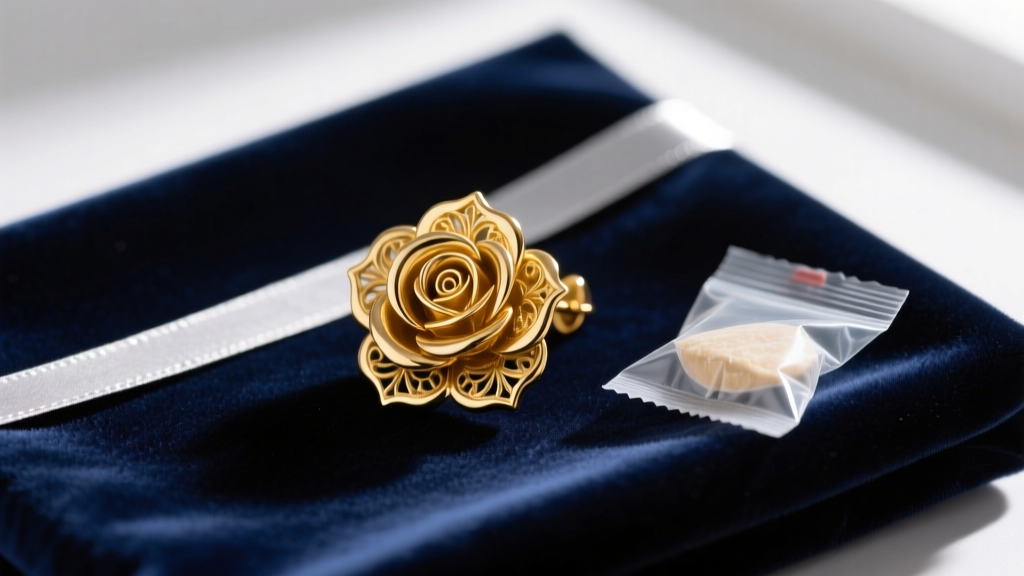
Silver tarnishes primarily due to a reaction with hydrogen sulfide in the ambient air. To halt this process, store your earrings in an airtight polyethylene ziplock bag alongside a 3M anti-tarnish strip. These strips contain activated carbon and silver nitrate, which absorb sulfur gases before they can react with your jewelry. Replace these strips every 6 months for optimal efficacy. Never store floral earrings loosely in a communal jewelry box, as the delicate petals will scratch against harder gemstones like diamonds or sapphires.
Wearing Order and Chemical Exposure
Adopt the 'Last On, First Off' rule. Your rose earring should be the final accessory you put on after applying hairspray, perfume, and lotions, and the first item you remove upon returning home. The alcohol and volatile organic compounds (VOCs) in cosmetics can rapidly degrade gold plating and cause cold enamel to become brittle over time.
When to Seek Professional Jeweler Intervention
While home maintenance is highly effective for surface grime and mild oxidation, certain structural and chemical issues require professional equipment. If your earring post is bent, attempting to straighten it at home can cause metal fatigue and a catastrophic snap at the solder joint. Furthermore, if a gold-plated rose earring has lost its color due to friction, a professional jeweler can safely strip the remaining plating, polish the base metal, and apply a fresh layer of 14k or 18k gold via electroplating, restoring the piece to its original factory condition.
Expert Insight: Never use commercial 'silver dip' liquids on antique or vintage rose earrings. These dips contain thiourea and harsh acids that strip away the intentional patina (oxidation) that jewelers use to highlight the depth and shadows of intricate floral carvings, leaving the piece looking flat and unnaturally white.


