Woven Earrings Guide: Styles, Materials & Care for Beginners
Discover everything about woven earrings, from wire gauges and metal grades to face-shape styling and care tips in this beginner-friendly guide.

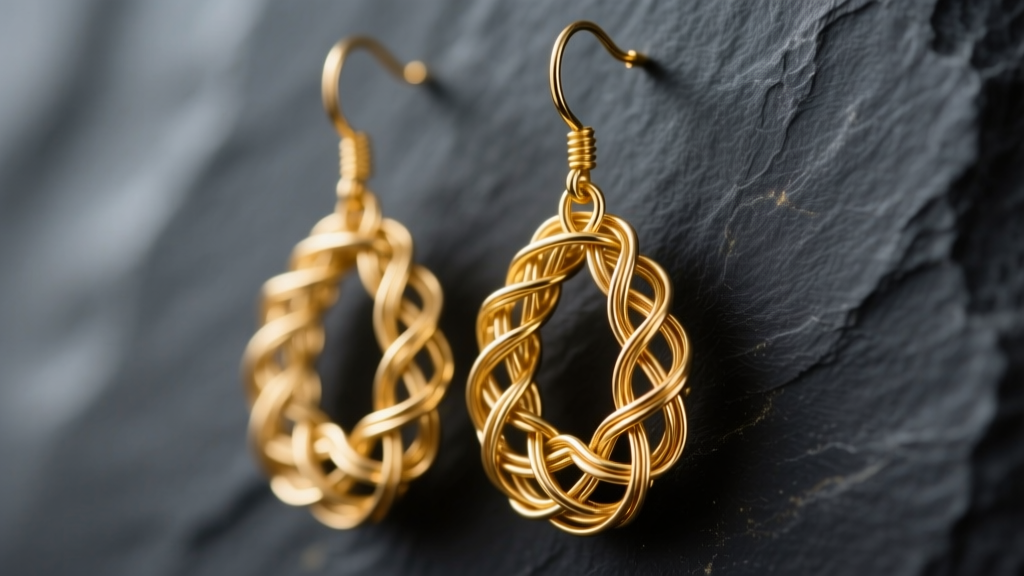
The Art and Engineering of Woven Earrings
Woven earrings represent a fascinating intersection of structural engineering and wearable art. Unlike cast or stamped jewelry, which are formed in molds or punched from sheets, woven pieces are constructed strand by strand. This meticulous process results in jewelry that boasts incredible texture, dynamic movement, and a distinct artisanal quality. For beginners navigating the vast jewelry market, understanding the craftsmanship behind woven earrings is essential for making informed purchases that balance aesthetics, durability, and comfort.
At their core, woven earrings fall into two primary categories: metal wire weaving and textile or bead weaving. Metal weaving involves wrapping and interlacing thin wires around a thicker structural frame, utilizing techniques like the basket weave, Viking knit, or intricate filigree. Textile weaving, on the other hand, encompasses macrame, loom work, and intricate bead stitching. Both require a high degree of manual dexterity and an understanding of material tension.
Wire Weaving vs. Bead Weaving: What’s the Difference?
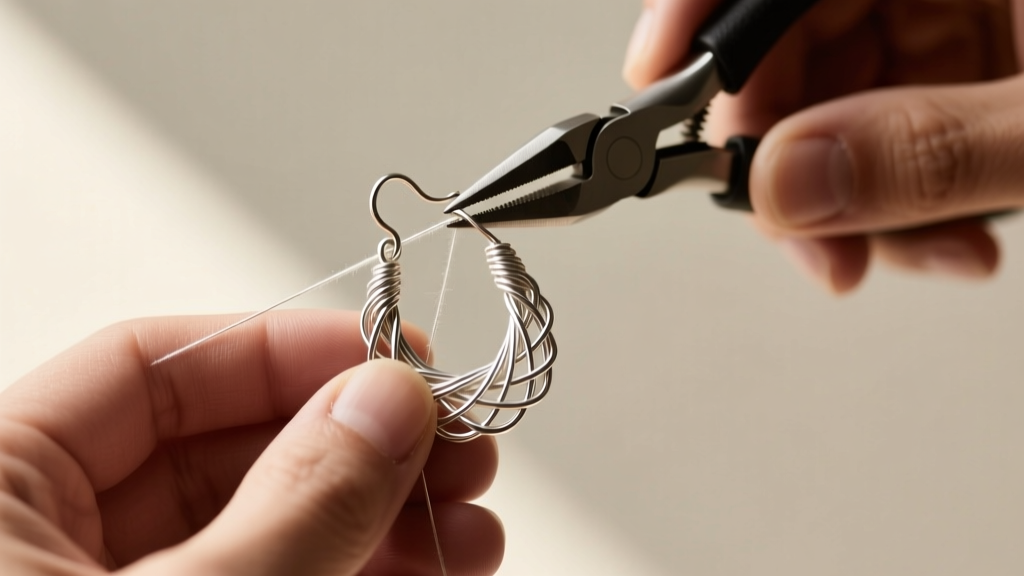
Metal wire weaving relies on the malleability of precious metals. Artisans use nylon-jaw pliers to manipulate wire without marring the surface, creating geometric or organic patterns. Bead weaving, popularized by brands using uniform seed beads like Miyuki Delicas, relies on needle and thread to create flexible, fabric-like sheets of glass beads. Techniques such as the peyote stitch, brick stitch, and right-angle weave dictate the drape and stiffness of the final earring.
Material Grades and Wire Gauges Explained
If you are investing in woven metal earrings, you must understand the relationship between the frame wire and the weaving wire. The frame provides the skeleton, while the weave provides the skin. According to jewelry manufacturing standards outlined by suppliers like Rio Grande, the American Wire Gauge (AWG) system dictates the thickness of the wire. A lower AWG number means a thicker wire.
| Material | Grade / Type | Frame Gauge (AWG) | Weave Gauge (AWG) | Price Range | Tarnish Resistance |
|---|---|---|---|---|---|
| Sterling Silver | .925 Standard | 18 - 20 | 24 - 28 | $45 - $120 | Moderate (Requires polishing) |
| Argentium Silver | .935 / .960 | 18 - 20 | 24 - 28 | $60 - $150 | High (Contains germanium) |
| Gold-Filled | 14/20 GF | 18 - 20 | 24 - 26 | $35 - $90 | High (Thick gold layer) |
| Copper / Brass | Raw or Enameled | 16 - 18 | 22 - 26 | $15 - $40 | Low (Oxidizes quickly) |
The Science of Work-Hardening
One critical concept beginners must grasp is work-hardening. Every time a metal wire is bent during the weaving process, its internal crystal structure aligns and tightens, making the metal harder but more brittle. A well-crafted woven earring is manipulated just enough to hold its shape without crossing the threshold into brittleness. If you attempt to bend or reshape a woven metal earring after purchase, you risk snapping the weave wires instantly.
Matching Woven Earrings to Your Face Shape
Because woven earrings often feature complex textures and prominent silhouettes, selecting the right shape for your facial geometry is crucial for visual harmony.
- Round Faces: Opt for elongated, angular woven wire drops or rectangular bead-woven panels. The vertical lines and sharp corners will contrast beautifully with soft facial curves, creating an illusion of length.
- Square Faces: Choose woven hoops, circular macrame designs, or teardrop-shaped Viking knit earrings. The rounded edges will soften a strong jawline and prominent cheekbones.
- Heart-Shaped Faces: Look for woven earrings that are wider at the bottom, such as triangular peyote-stitch beadwork or chandelier-style wire weaves. This adds visual weight to the lower half of the face, balancing a narrower chin.
- Oval Faces: You have the versatility to pull off almost any woven style, from tight, geometric basket-weave studs to dramatic, shoulder-duster macrame threads.
Weight, Gauges, and Piercing Placement
The intricate nature of woven jewelry means it can be surprisingly dense. A solid cast earring might have hollowed-out backs to save weight, but a woven wire earring is solid metal from end to end. A 2-inch woven wire drop can easily weigh between 8 and 12 grams.
Lobe vs. Cartilage Considerations
Standard earlobes can comfortably support up to 15 grams of weight before experiencing fatigue or stretching. Therefore, most woven metal dangles are perfectly safe for standard lobe piercings. However, you must pay attention to the post or ear wire gauge. Woven earrings typically utilize 20-gauge (0.8mm) or 18-gauge (1.0mm) ear wires to support the structural load.
For cartilage piercings (such as the helix, tragus, or conch), the rules change entirely. Cartilage is sensitive to pressure and weight. Woven earrings intended for cartilage should strictly remain under 4 grams. If you love the woven look for your upper ear, seek out woven huggies or small, tight-fitting wire-woven ear cuffs that distribute pressure evenly without dragging on the piercing channel.

Advanced Textile Techniques: Bead Weaving Stitches
If you are leaning toward textile and bead woven earrings, understanding the stitching terminology will help you evaluate the quality and drape of the piece. According to educational resources from the Gemological Institute of America (GIA) and artisan guilds, the stitch type dictates the flexibility of the earring.
- Peyote Stitch: Creates a flexible, fabric-like drape. Ideal for long, flowing fringe earrings that move with your head.
- Brick Stitch: Results in a stiffer, more structured piece. Excellent for geometric shapes, tassels, and rigid triangles that need to hold their silhouette.
- Right-Angle Weave (RAW): Offers a three-dimensional, bouncy structure. Often used for woven bead ropes or intricate, hollow geometric cages.
Cleaning and Maintenance Rules
Caring for woven earrings requires a departure from standard jewelry cleaning routines. The tight spaces between woven wires or the porous nature of weaving threads make these pieces highly susceptible to trapping lotions, oils, and dirt.
Warning: Never place woven earrings in an ultrasonic cleaner. The high-frequency vibrations can easily snap the delicate 26-gauge weave wires, shatter glass seed beads, or fray the nylon threads used in bead weaving.
Step-by-Step Cleaning Guide
- For Metal Weaves: Mix a few drops of mild, phosphate-free dish soap in lukewarm water. Use a clean, extra-soft baby toothbrush to gently sweep between the woven wires. Rinse under a gentle stream of water and pat dry with a microfiber cloth. Use a treated silver polishing cloth only on the outer frame, avoiding aggressive rubbing on the delicate weave.
- For Bead and Thread Weaves: Avoid submerging the piece in water, as this can weaken the nylon or silk thread over time. Instead, use a slightly damp makeup brush to dust between the beads. If the thread becomes soiled, lightly dab it with a cotton swab dipped in rubbing alcohol, allowing it to air dry completely before storing.
- Storage: Always store woven earrings flat or hanging. Tossing them into a jewelry box can cause the woven wires to crush or the bead fringe to tangle irreparably.
Final Thoughts for the Beginner
Woven earrings are more than just accessories; they are micro-sculptures that showcase the limits of material manipulation. By paying close attention to wire gauges, metal tempers, and weight distributions, you can curate a collection that is not only visually striking but structurally sound. Whether you prefer the metallic gleam of a 14k gold-filled basket weave or the bohemian sway of terracotta macrame, understanding the mechanics behind the weave ensures your earrings will remain a staple in your wardrobe for years to come.


