Berebi Earrings Troubleshooting: Fixing Clasps, Weight & Tarnish
Solve common Berebi earrings issues. Learn expert fixes for heavy lobe strain, intricate filigree snags, oxidized metal care, and loose clasps.

Introduction to Berebi Earrings and Common Wearability Issues
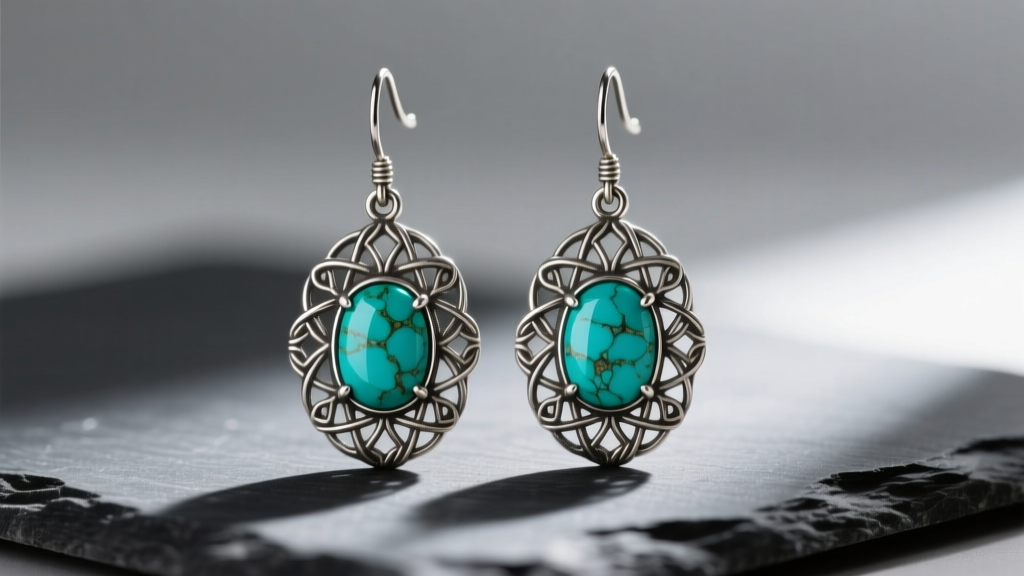
Berebi earrings are celebrated in the artisan jewelry community for their bold, heritage-inspired designs. Characterized by intricate metal filigree, heavy gemstone cabochons, and striking oxidized finishes, these statement pieces are a staple for collectors of bohemian and ethnic-inspired jewelry. However, the very elements that make Berebi earrings visually stunning also introduce a unique set of wearability challenges. From excessive weight causing earlobe strain to delicate wirework snagging on clothing, owning these pieces requires specialized care.
As of 2026, the secondary market for vintage and contemporary Berebi designs continues to grow, meaning many collectors are troubleshooting aging clasps, degraded metal patinas, and loose stone settings. This comprehensive troubleshooting guide dives deep into the material science and mechanical fixes required to keep your Berebi earrings comfortable, secure, and pristine.
The Weight Problem: Solving Lobe Strain and the "Cheese Cutter" Effect
Authentic Berebi drop earrings frequently weigh between 15 and 25 grams per earring. While this substantial heft contributes to their luxurious drape, it places immense mechanical stress on the earlobe piercing. Standard earring wires are typically 20-gauge (0.81mm thick). When a 20-gauge wire supports a 20-gram drop, the downward force creates a "cheese cutter" effect, gradually stretching the piercing hole and causing micro-tears in the tissue.
Upgrading the Ear Wire Gauge
The most effective permanent solution for heavy Berebi drops is to replace the standard fishhook wires with thicker alternatives. If your piercing allows, upgrade to an 18-gauge (1.02mm) or 16-gauge (1.29mm) ear wire. The increased surface area distributes the weight more evenly across the bottom of the piercing fistula, drastically reducing tissue fatigue. When sourcing replacement wires, ensure you select dead-soft or half-hard sterling silver to match the original artisan aesthetic.
Friction Backers and Support Patches
If you cannot stretch your piercing to accommodate thicker wires, you must reinforce the back of the lobe. Standard metal butterfly backs are insufficient for heavy drops because they slip down the post and offer a rigid, narrow point of pressure. Instead, utilize the following:
- 40A Shore Hardness Silicone O-Rings: These medical-grade silicone backers provide high-friction grip without degrading from natural skin oils. The 40A durometer is soft enough to conform to the ear but firm enough to bear weight.
- Latex-Free Ear Support Patches: Adhesive patches applied to the back of the earlobe provide a wide, supportive base that prevents the earring from drooping forward. This is essential for Berebi designs with a front-heavy center of gravity.
Clasp and Hook Mechanics: Securing Artisan Drops
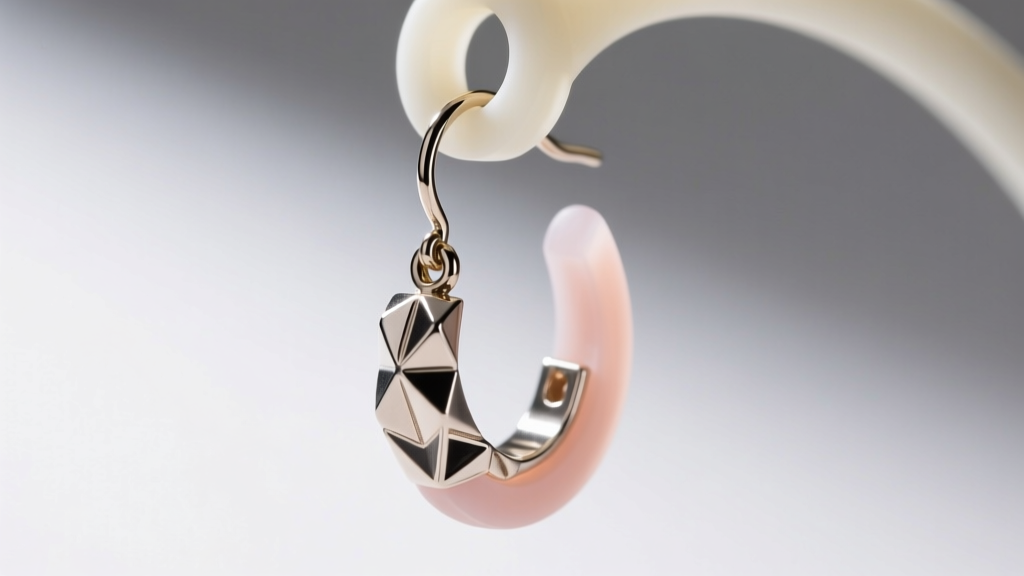
Because Berebi earrings are often crafted using traditional metalsmithing techniques, they frequently rely on tension-based leverbacks or simple French wire fishhooks rather than modern locking mechanisms. Over time, these clasps lose their tension or bend out of shape.
Retensioning Leverback Clasps
If your Berebi leverbacks are popping open or failing to click shut, the internal tension spring or the hinged arm has warped. Never use standard steel jewelry pliers to bend the arm back into place. Steel pliers will mar the soft sterling silver and leave permanent teeth marks. Instead, use nylon jaw pliers. Gently squeeze the hinged arm just below the hinge pin to increase the curve, which restores the downward pressure required for a secure "click."
Securing French Wire Fishhooks
Open fishhooks are notorious for slipping out of the earlobe, especially when removing scarves or sweaters. To secure a Berebi fishhook without altering the original wire, thread a tiny, clear silicone ear nut onto the hook after it passes through the piercing. Alternatively, you can use a small piece of clear surgical tubing cut to 3mm in length as a custom, invisible stopper.
Filigree Snagging and Gemstone Security
The hallmark of the Berebi style is elaborate wire filigree and granulation. While beautiful, these raised metal textures act like tiny hooks that catch on knitwear, lace, and hair. Furthermore, the cabochon stones (often turquoise, lapis lazuli, or coral) are typically held in place by delicate bezel walls or minimal prongs that can lift upon impact.
Expert Insight: Never use a ultrasonic cleaner on Berebi earrings. The high-frequency vibrations can easily fracture porous stones like turquoise and malachite, while the heat can loosen the jewelers epoxy often used in vintage artisan settings. Always opt for gentle, manual cleaning methods.
Checking and Tightening Bezel Walls
Inspect the bezels surrounding your cabochons every six months using a 10x jeweler's loupe. If you notice the metal wall lifting away from the stone, do not attempt to push it down with your fingernail. Use a teflon-tipped bezel pusher or a polished agate burnisher to gently roll the metal edge back over the stone's girdle. Teflon tips prevent scratching the soft silver or the delicate surface of the gemstone.
The Oxidation Dilemma: Cleaning Without Stripping Patina
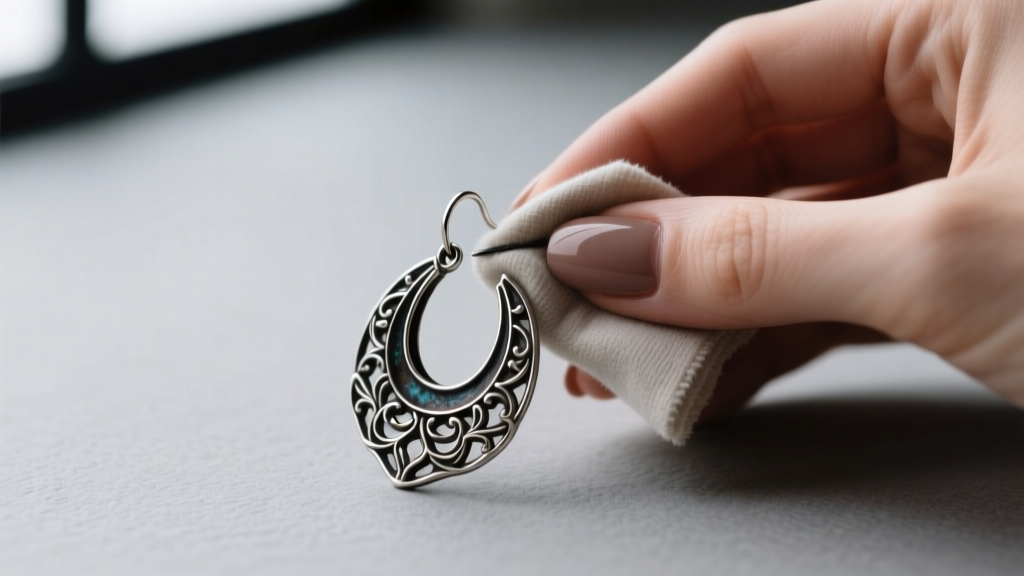
Many Berebi earrings feature intentional oxidation—a process where the silver is treated with liver of sulfur to turn the recessed areas black, highlighting the raised filigree. The most common mistake owners make is using commercial silver dip solutions, which instantly strip this dark patina, leaving the earring looking flat, overly bright, and ruined.
Safe Cleaning Protocols for Oxidized Silver
To clean oxidized Berebi earrings without removing the intentional blackening, you must rely on mechanical polishing rather than chemical stripping. The following table outlines the correct troubleshooting approach for various types of tarnish and dirt buildup on artisan earrings.
| Issue | Cause | Correct DIY Fix | What to Avoid |
|---|---|---|---|
| Surface Oils & Sebum | Skin contact and cosmetics | Wash with mild dish soap, lukewarm water, and a soft baby toothbrush. Pat dry immediately. | Hot water (can crack porous stones) |
| Loss of Shine on High-Relief Areas | Friction from clothing and handling | Use a treated silver polishing cloth only on the raised, high-relief areas. Avoid the recesses. | Liquid silver dips or baking soda pastes |
| Green/Black Skin Discoloration | Copper content in sterling silver reacting to skin acidity | Wipe the ear wire with rubbing alcohol before wearing. Apply a micro-thin layer of clear nail polish to the post only. | Coating the entire decorative earring body |
| Stubborn Tarnish in Crevices | Environmental sulfur and humidity | Use a wooden toothpick wrapped in a microfiber cloth to gently swab the crevices without removing the dark patina. | Wire brushes or abrasive polishing compounds |
Skin Sensitivities and Alloy Troubleshooting
While high-end Berebi pieces are crafted from 925 sterling silver, some vintage or globally sourced artisan variations may incorporate mixed base metals or solder alloys that contain trace amounts of nickel or brass. According to the American Academy of Dermatology (AAD), nickel allergy is one of the most common causes of allergic contact dermatitis, presenting as red, itchy, and flaky skin around the earlobe.
If you experience irritation specifically where the Berebi ear wire passes through the piercing, the issue is likely the wire alloy. The safest troubleshooting step is to have a professional jeweler cut off the original ear wire and laser-weld a niobium or implant-grade titanium (ASTM F136) post in its place. This preserves the decorative body of the earring while ensuring the part that touches your internal tissue is entirely hypoallergenic.
Long-Term Storage and Maintenance Schedule
Proper storage is the final pillar of Berebi earring maintenance. Because these earrings feature complex, three-dimensional wirework, tossing them into a standard jewelry box will result in bent filigree and tangled pairs. Furthermore, the porous gemstones frequently used in these designs can absorb ambient moisture and chemicals, leading to discoloration.
The Ideal Storage Environment
Store each pair of Berebi earrings individually in a soft, anti-tarnish flannel pouch. Place a small 3M anti-tarnish strip inside the pouch to absorb ambient sulfur gases in the air. If you live in a high-humidity environment, add a tiny silica gel desiccant packet to the storage box to protect porous stones like turquoise from absorbing moisture, which can cause them to crack or change color over time. For ultimate protection, hang heavy drop earrings on a padded jewelry stand rather than laying them flat, which prevents the ear wires from bending under the weight of the earring body resting against a hard surface.
By understanding the specific material properties and mechanical needs of Berebi earrings, you can troubleshoot common issues effectively. Whether you are reinforcing a heavy drop with silicone backers, carefully retensioning a leverback with nylon pliers, or preserving a delicate oxidized patina, these expert techniques ensure your artisan jewelry remains comfortable and breathtaking for decades to come. For more information on caring for specific gemstone cabochons, consult the Gemological Institute of America (GIA) gem care guidelines.


