Hip Hop Earrings Value Guide: Budget vs. Luxury 2026
Discover how to assess the true value of hip hop earrings in 2026. Compare moissanite, lab diamonds, and gold grades to maximize your jewelry budget.

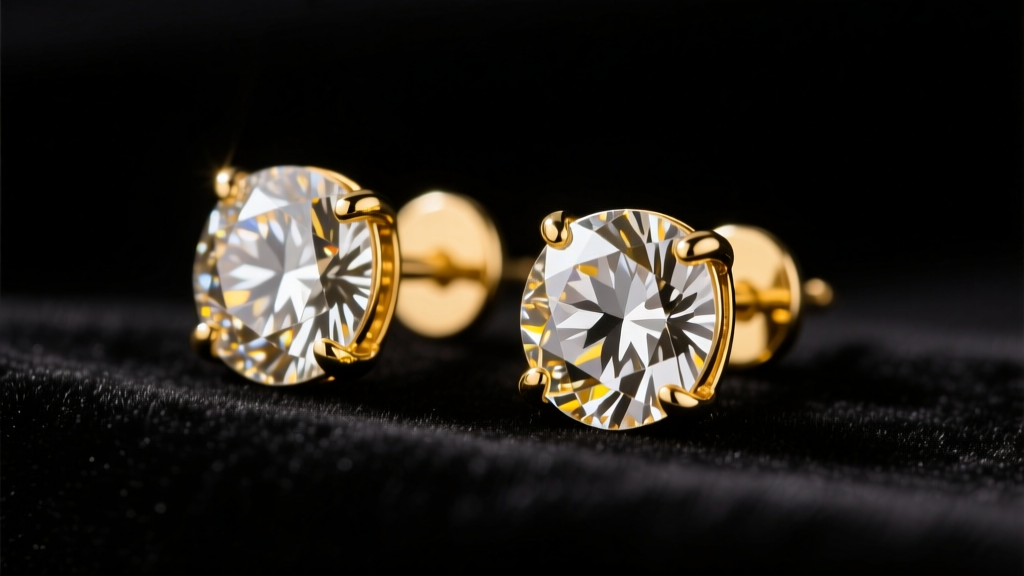
The Economics of Iced-Out and Classic Hip Hop Earrings
The landscape of hip hop jewelry has undergone a massive transformation by 2026. Historically, achieving the signature "iced-out" aesthetic or acquiring heavyweight, solid gold hoops required a massive financial commitment. Today, the democratization of lab-grown diamonds and advanced moissanite cutting techniques means you can achieve the exact same optical brilliance and cultural flex for a fraction of the historical cost. However, this accessibility has also flooded the market with misleading marketing, inflated markups, and sub-par base metals disguised as luxury.
As a buyer, your primary objective is to separate the actual material value from the brand markup. Whether you are looking for classic 20mm thick Cuban link hoops, iced-out bust-down studs, or diamond-cut huggies, understanding the exact metrics of gold purity, plating thickness, and stone grading is the only way to ensure you are paying a fair market price. This guide breaks down the exact material costs and value brackets for hip hop earrings in the current market.
Material Breakdown: Base Metals and Gold Grades
The foundation of any hip hop earring dictates its longevity, weight, and intrinsic value. Many budget brands use brass or copper bases, which can cause severe contact dermatitis and turn your earlobes green as the thin gold plating wears off. According to the Federal Trade Commission's Guidelines for Precious Metals, jewelers must accurately disclose the base metal and plating thickness. Always look for a Sterling Silver (.925) or solid gold base.
Plating vs. Solid: The Micron Truth
When assessing gold-plated hip hop earrings, the thickness of the gold layer is measured in microns. Flash plating (0.1 to 0.5 microns) will wear off within weeks of daily wear, exposing the cheap base metal. True Gold Vermeil requires a minimum of 2.5 microns of gold over a sterling silver base. For pieces meant to be worn daily, especially heavy hoops that experience friction against the neck and hair, solid gold is the only viable long-term investment.
| Metal Grade | Composition & Thickness | Durability & Lifespan | Estimated Price Range (15mm Hoops) |
|---|---|---|---|
| Flash Plated | Brass base, <0.5 microns gold | 1-3 months; high tarnish risk | $25 - $60 |
| Gold Vermeil | .925 Silver base, 2.5+ microns gold | 1-3 years with proper care | $80 - $180 |
| Solid 10k Gold | 41.7% pure gold, alloyed for hardness | Lifetime; highly scratch-resistant | $250 - $450 |
| Solid 14k Gold | 58.3% pure gold, premium finish | Lifetime; heirloom quality | $400 - $850 |
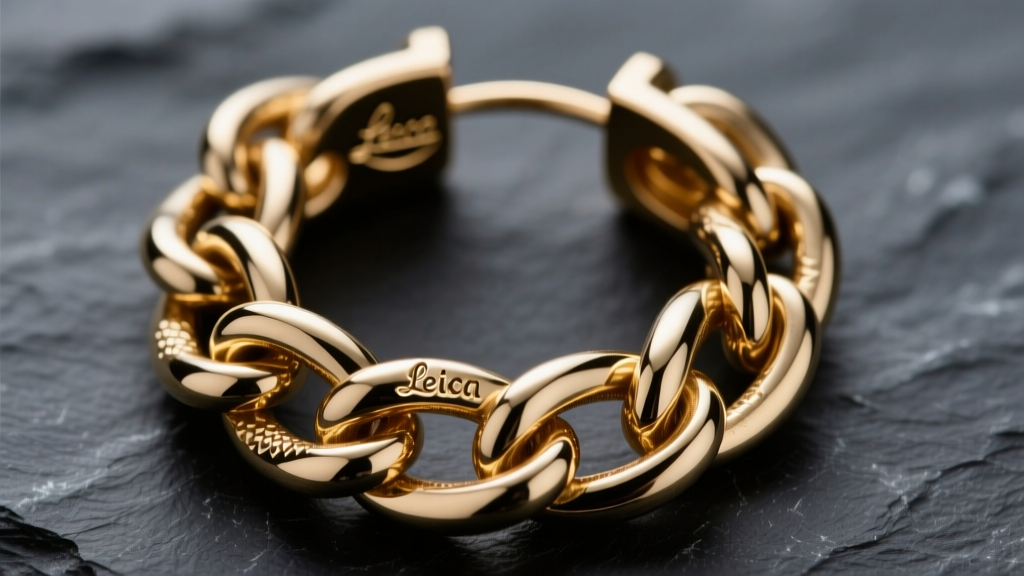
Stone Value Matrix: Moissanite, Lab, and Natural Diamonds
The "flood" or "bust-down" look relies on covering every visible millimeter of the earring's surface with stones. Using natural VVS diamonds for a fully iced-out 12mm stud would cost upwards of $15,000. In 2026, smart buyers utilize Moissanite and CVD (Chemical Vapor Deposition) Lab Diamonds to achieve the identical visual impact. As noted by GIA's research on laboratory-grown diamonds, lab diamonds possess the exact same chemical, physical, and optical properties as mined diamonds, making them indistinguishable to the naked eye.
- Cubic Zirconia (CZ): Costs roughly $2 to $10 per carat. It lacks the refractive index of diamonds, looking cloudy and overly "rainbow" under light. It scratches easily and fails all diamond testers. Avoid CZ if you want a genuine hip hop aesthetic.
- Moissanite (DEF Color, VVS1): Costs between $60 and $120 per carat. Moissanite is actually more brilliant than diamond (2.65 refractive index vs 2.42). Crucially, moissanite passes standard thermal diamond testers, making it the ultimate budget hack for passing the "jeweler test."
- Lab-Grown Diamonds (VS1/VS2): Costs between $150 and $350 per carat for melee sizes. They will pass both thermal and electrical conductivity testers. They are the premium choice for buyers who want actual carbon diamonds without the natural diamond markup.
- Natural Diamonds (VVS1): Costs $3,000+ per carat. Reserved strictly for investment-grade, custom-commissioned hip hop pieces where provenance and resale value are the primary motivations.
Price Bracket Assessment: What Should You Actually Pay?
To assess value, you must understand the manufacturing costs. A standard 10mm iced-out stud requires approximately 1.5 to 2.0 carats of total stone weight (CTW) and 3 to 5 grams of metal. Here is what you should expect to pay across different budget tiers in 2026.
Tier 1: The Fashion Budget ($40 - $150)
At this price point, you are paying for aesthetics, not intrinsic value. Expect Sterling Silver bases with 2.5-micron vermeil plating and high-grade Moissanite or premium CZ stones. These are excellent for rotating styles, concert wear, and seasonal trends. Do not expect these to be passed down as heirlooms, but they offer the best visual-to-dollar ratio.
Tier 2: The Everyday Flex ($250 - $800)
This is the sweet spot for modern hip hop jewelry. In this bracket, you should demand Solid 10k or 14k gold. If the piece is iced out, it should feature VVS Moissanite or entry-level Lab Diamonds. A pair of 15mm solid 14k gold hoop earrings with a micro-pave lab diamond bail should cost around $600. If a brand is charging $1,200 for this exact specification, you are paying a 100% brand-name tax.
Tier 3: The Investment Grade ($1,500+)
This tier is for solid 14k or 18k gold, fully flooded with VS1 or VVS1 Lab Diamonds, featuring intricate custom settings like shared-prong or bezel-set baguettes. The craftsmanship here involves hand-setting each stone, ensuring the metal prongs do not catch on clothing. You are paying for the master jeweler's labor time and the premium grade of the carbon stones.
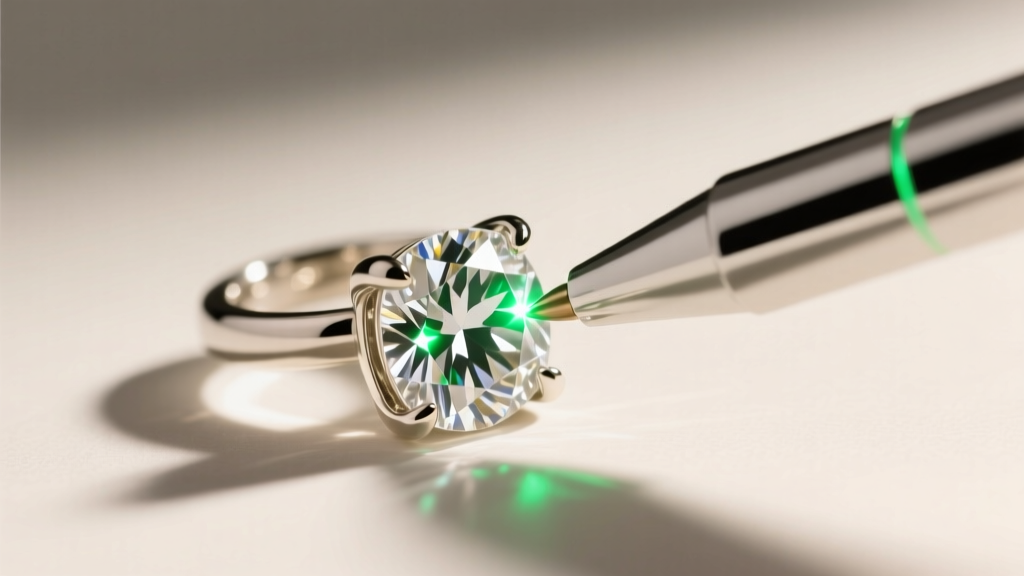
How to Spot Overpriced and Misleading Jewelry
The hip hop jewelry market is rife with inflated terminology designed to confuse novice buyers. Protect your budget by watching out for these specific red flags:
The "Hollow Link" Deception: Many brands sell thick, 20mm Cuban link hoops that look incredibly heavy in photos. However, if the product description doesn't list the gram weight, they are likely using hollow tubing. While hollow hoops are lightweight and comfortable, they dent easily and cannot be resized or repaired by a jeweler. Always demand the exact gram weight before purchasing solid gold hoops.
Another common trap is the "Simulated Diamond" label. Simulated is a legal catch-all term that usually means Cubic Zirconia or glass. If a listing does not explicitly state "Moissanite" or "Lab-Grown Diamond," assume it is CZ and adjust your willingness to pay accordingly. Furthermore, beware of "Gold Bonded" or "Gold Filled" earrings; while these are durable for chains, the mechanical bonding process is rarely used for complex, iced-out earring casts, meaning the term is often misapplied by overseas dropshippers.
Final Verdict: Maximizing Your Carat and Karat
Assessing the budget and value of hip hop earrings in 2026 requires looking past the hype and focusing on the raw material specifications. For the ultimate balance of street credibility, durability, and financial prudence, Solid 10k Gold paired with DEF/VVS1 Moissanite remains the undisputed champion of value. It provides the exact visual weight, the brilliant light return, and the ability to pass a thermal diamond tester, all while keeping your investment well under the $500 mark. Always verify the micron thickness on plated pieces, demand exact carat and gram weights on solid pieces, and refuse to pay luxury markups for mass-produced castings.


