White and Blue Earrings: The Beginner's Buying Guide
Discover how to choose, style, and care for white and blue earrings. Our beginner's guide covers metals, gemstones, gauge sizes, and sensitive ears.

The Timeless Appeal of White and Blue Earrings
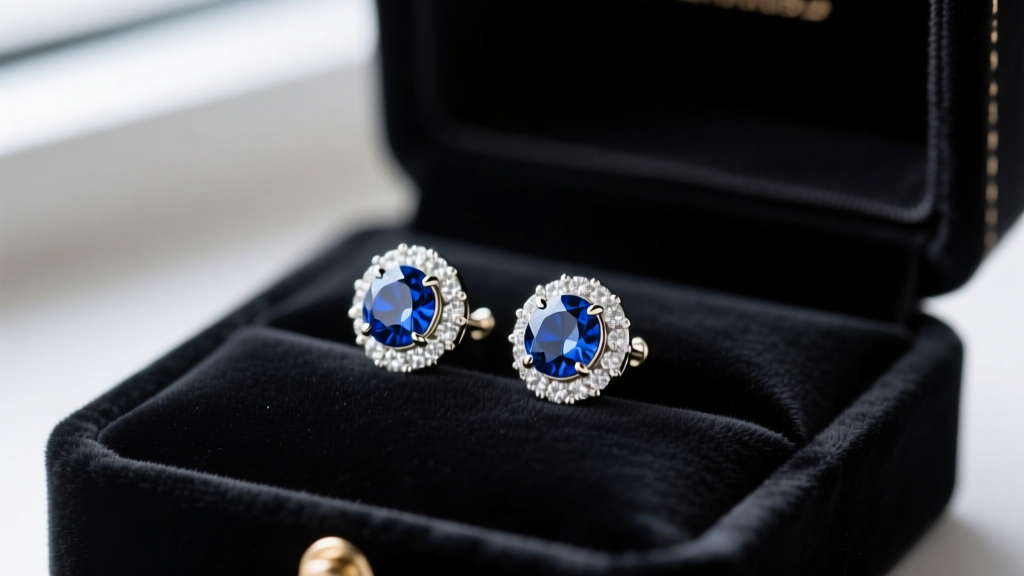
When building a foundational jewelry wardrobe, few color combinations offer the versatility and crisp elegance of white and blue earrings. The pairing of silvery-white metals with cool blue gemstones creates a striking contrast that flatters a wide array of skin tones and transitions seamlessly from corporate boardrooms to evening events. However, for beginners, navigating the myriad of metal alloys, gemstone hardness ratings, and piercing gauges can be overwhelming. This comprehensive guide breaks down the exact specifications you need to know to invest in high-quality white and blue earrings that will last a lifetime, avoiding common pitfalls like allergic reactions and fractured stones.
Choosing the Right Metal Base for Sensitive Ears
The "white" in white and blue earrings typically refers to the metal setting. While they may look identical in a display case, the metallurgical composition of white gold, platinum, and sterling silver varies drastically, directly impacting durability, price, and skin compatibility.
Standard 14k white gold is an alloy containing 58.5% pure gold, mixed with metals like nickel, zinc, and copper to achieve its silvery hue. According to the Association of Professional Piercers (APP), nickel is a leading cause of allergic contact dermatitis. If you have sensitive ears or a known nickel allergy, you must specifically request "palladium white gold" (which uses palladium instead of nickel) or opt for platinum. Furthermore, all white gold is plated with rhodium to give it a bright, mirror-like finish. Over time, this plating wears away, revealing the slightly yellowish undertone of the gold alloy beneath, requiring periodic re-plating.
| Metal Type | Purity / Composition | Hypoallergenic? | Avg. Price Range (Studs) | Maintenance Level |
|---|---|---|---|---|
| 950 Platinum | 95% Platinum, 5% Ruthenium/Iridium | Yes | $400 - $1,500+ | Low (Develops a natural patina) |
| 18k Palladium White Gold | 75% Gold, Palladium alloy | Yes | $250 - $800 | Medium (Rhodium re-plating needed) |
| 14k Standard White Gold | 58.5% Gold, Nickel/Zinc alloy | No (Nickel risk) | $150 - $500 | High (Rhodium re-plating needed) |
| Sterling Silver (Rhodium Plated) | 92.5% Silver, 7.5% Copper | Mostly (Copper can react) | $30 - $120 | High (Tarnishes, plating wears) |
Gemstone Selection: Durability, Cleavage, and Care
The "blue" component of your earrings introduces a new set of variables. Gemstones are not just evaluated by their color saturation, but by their Mohs hardness and internal crystal structure. Understanding these factors is critical to preventing catastrophic stone failure.
Blue Sapphire (Corundum)
Sapphire is the undisputed king of blue gemstones for everyday wear. Ranking a 9 on the Mohs scale of hardness, it is second only to diamond in its resistance to scratching. Sapphires lack cleavage planes, meaning they are highly resistant to chipping or splitting if accidentally knocked against a hard surface. Whether you choose a deep Ceylon blue or a lighter cornflower blue, sapphire set in platinum or white gold is a virtually indestructible choice for daily-wear studs or huggies.
Blue Topaz (Swiss and London)
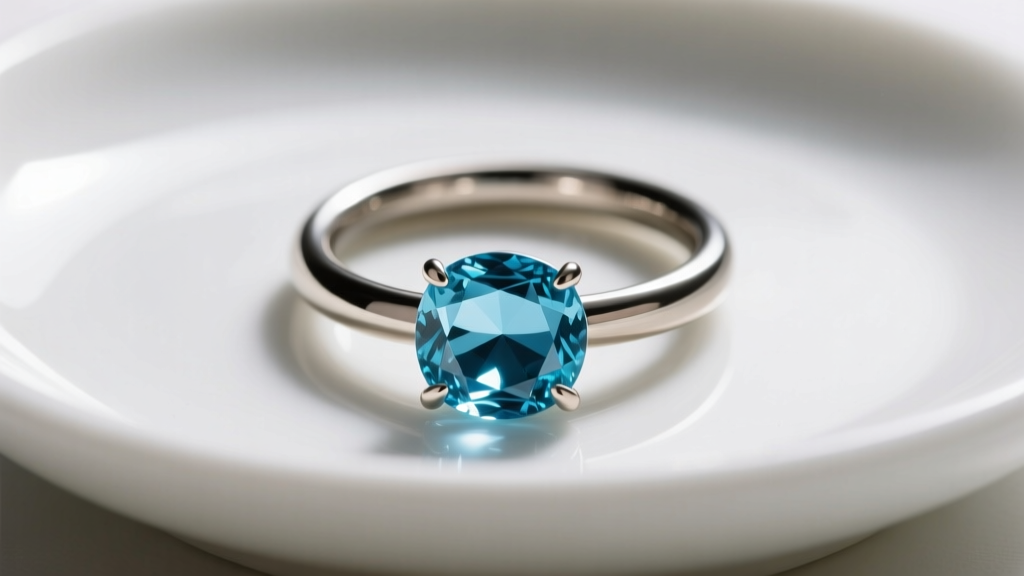
Blue topaz offers incredible color saturation at a fraction of the cost of sapphire, but it comes with a major structural caveat. The Gemological Institute of America (GIA) notes that while topaz ranks an 8 on the Mohs scale, it possesses perfect basal cleavage. This means a single hard knock against a steering wheel or desk can cause the stone to fracture cleanly along its internal planes. Additionally, never place London or Swiss blue topaz in an ultrasonic jewelry cleaner; the high-frequency vibrations can easily shatter the stone. Clean them only with warm water, mild dish soap, and a soft brush.
Aquamarine (Beryl)
Aquamarine provides a delicate, icy blue hue that pairs beautifully with bright white metals. As a member of the beryl family (Mohs 7.5 to 8), it is reasonably durable but is notoriously brittle. Jewelers often use bezel settings or heavy prongs to protect the vulnerable girdle (the outer edge) of an aquamarine stone. When buying aquamarine earrings, inspect the setting to ensure the stone's edges are fully shielded from impact.
Understanding Gauge Sizes and Piercing Types
Buying beautiful white and blue earrings is only half the battle; ensuring the post actually fits your piercing is the other. Earring posts are measured in gauges (g), where a higher number indicates a thinner wire.
- 20-Gauge (0.81mm) & 18-Gauge (1.02mm): The standard for traditional earlobe piercings, especially those done with a piercing gun. Most commercial fashion earrings and lightweight diamond studs use these sizes.
- 16-Gauge (1.29mm) & 14-Gauge (1.63mm): The standard for professional needle piercings, particularly in cartilage areas like the helix, tragus, or conch.
Critical Warning: Never force a thin 20g lobe earring into a 16g cartilage piercing. The thin wire sitting loosely in a larger hole can lead to the "cheese-cutter effect," where the earring slowly migrates and tears through the tissue due to the weight of the jewelry and localized pressure.
Styling Framework: Face Shape and Color Theory
White metals and blue stones inherently possess cool undertones. This makes them exceptionally flattering for individuals with cool or neutral skin undertones (veins appear blue/purple, skin burns easily). If you have warm undertones (veins appear green, skin tans easily), you can still wear white and blue earrings, but consider balancing them with warm-toned clothing or makeup to prevent the jewelry from looking visually disconnected from your complexion.

When selecting the silhouette of your earrings, factor in your face shape:
- Round Faces: Opt for angular, linear drop earrings featuring rectangular blue topaz or sapphire baguettes set in white gold. The sharp lines create a visual elongation of the face.
- Square Faces: Choose curved silhouettes like white gold hoops adorned with blue enamel, or circular huggies with round aquamarine cabochons to soften a strong jawline.
- Heart-Shaped Faces: Teardrop or chandelier earrings with a concentration of blue gemstones at the bottom help add visual weight to a narrower chin.
Common Mistakes and Troubleshooting
Even experienced collectors make errors when caring for white and blue jewelry. Avoid these common failure modes to protect your investment:
- The Rhodium Fade: If your white gold earrings start looking slightly yellow or brassy, the rhodium plating has worn off. Take them to a jeweler for a quick, inexpensive re-plating bath. Do not attempt to polish them yourself, as this will remove more of the plating.
- Prong Snagging: Traditional prong settings on sapphire studs frequently catch on wool sweaters and hair. If you wear your earrings daily, ask a jeweler to check the prongs annually with a loupe, or switch to a bezel setting where the metal completely wraps around the gemstone's girdle.
- Chemical Exposure: Chlorine in swimming pools and hot tubs can permanently discolor the copper and zinc alloys in white gold and sterling silver. Always remove your earrings before swimming or using harsh household cleaning agents.
By prioritizing hypoallergenic metals, respecting the structural limitations of specific blue gemstones, and matching the correct gauge to your piercing, you can confidently curate a collection of white and blue earrings that are as durable as they are breathtaking.


