Aquamarine Earrings White Gold: Cleaning & Care Guide
Learn expert techniques to safely clean aquamarine earrings in white gold. Discover rhodium care, ultrasonic warnings, and prong maintenance tips.

The Dual-Maintenance Challenge of Aquamarine and White Gold
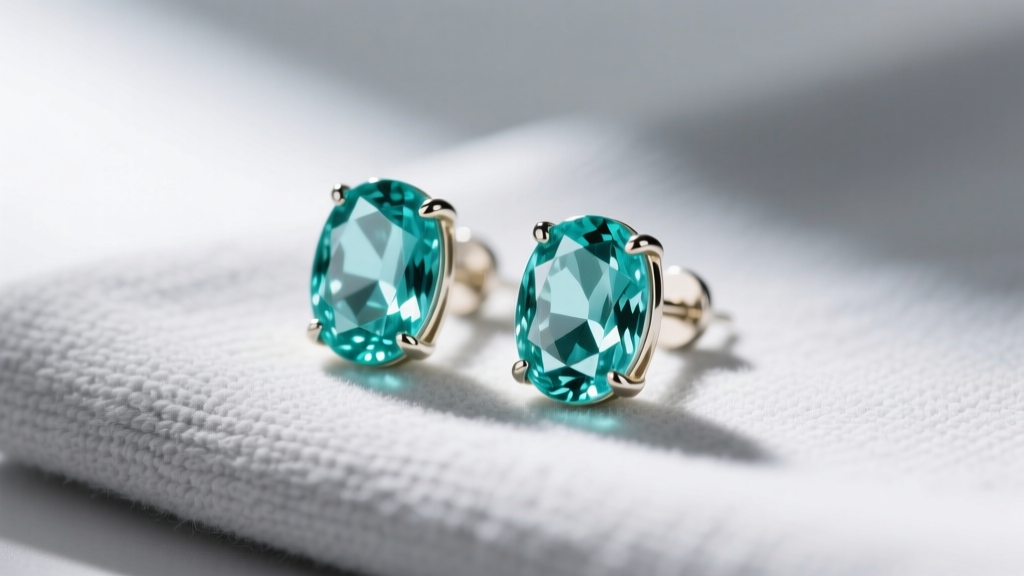
Aquamarine earrings set in white gold represent a classic, icy aesthetic that remains highly coveted in fine jewelry. However, maintaining this specific pairing requires a nuanced understanding of both gemology and metallurgy. You are not just caring for a single material; you are managing the intersection of a brittle, heat-sensitive beryl gemstone and a rhodium-plated gold alloy. According to the Gemological Institute of America (GIA), aquamarine ranks between 7.5 and 8 on the Mohs hardness scale, making it durable enough for daily wear but highly susceptible to chipping and thermal shock if mishandled during cleaning.
White gold adds a secondary layer of complexity. It is not a naturally occurring white metal. Instead, it is an alloy of yellow gold mixed with white metals like nickel, palladium, or silver, and then electroplated with a microscopic layer of rhodium to achieve its brilliant, reflective white finish. Improper cleaning techniques can strip this plating prematurely or degrade the alloy's structural integrity, putting your precious aquamarine stones at risk of falling out.
The Science of Rhodium Plating and White Gold Alloys
Before reaching for a jewelry cleaner, it is vital to understand what is actually on the surface of your earrings. The rhodium plating on white gold is typically only 0.75 to 1.0 microns thick—roughly 1/100th the thickness of a human hair. While rhodium is incredibly hard and highly reflective, it is not permanent.
- Friction and Skin pH: The natural acidity of your skin, combined with the friction from putting on and taking off earrings, will gradually wear away the rhodium, particularly on the posts and butterfly backs.
- The 'Yellowing' Effect: As the rhodium wears thin, the underlying 14k or 18k white gold alloy (which naturally has a faint yellowish or grayish tint) begins to show through. This is not tarnish; it is simply the base alloy revealing itself.
- Chemical Sensitivity: Chlorine and harsh household cleaners can cause 'chlorine embrittlement' in the gold alloy, microscopically weakening the prongs that hold your aquamarine in place.
Step-by-Step Safe Cleaning Protocol
Forget commercial jewelry dips and ultrasonic machines. The safest, most effective way to restore the brilliance of your aquamarine earrings white gold settings is through a gentle, manual cleaning process. Follow this exact protocol to remove sebum, cosmetic buildup, and environmental dust without damaging the gemstone or the rhodium.
Step 1: The Pre-Clean Inspection
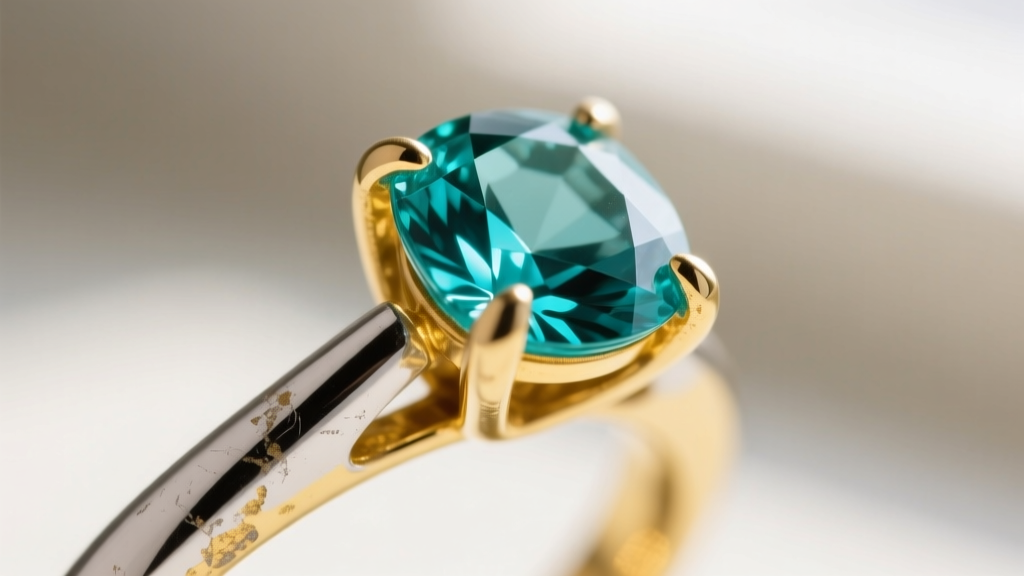
Before introducing any moisture, examine the prongs securing the aquamarine. Use a 10x jeweler's loupe or your smartphone's macro camera lens. If any prong is lifted, bent, or catching on fabric, do not clean the earrings. Take them to a professional jeweler immediately. Cleaning a loose stone can dislodge it entirely.
Step 2: The Lukewarm Soak
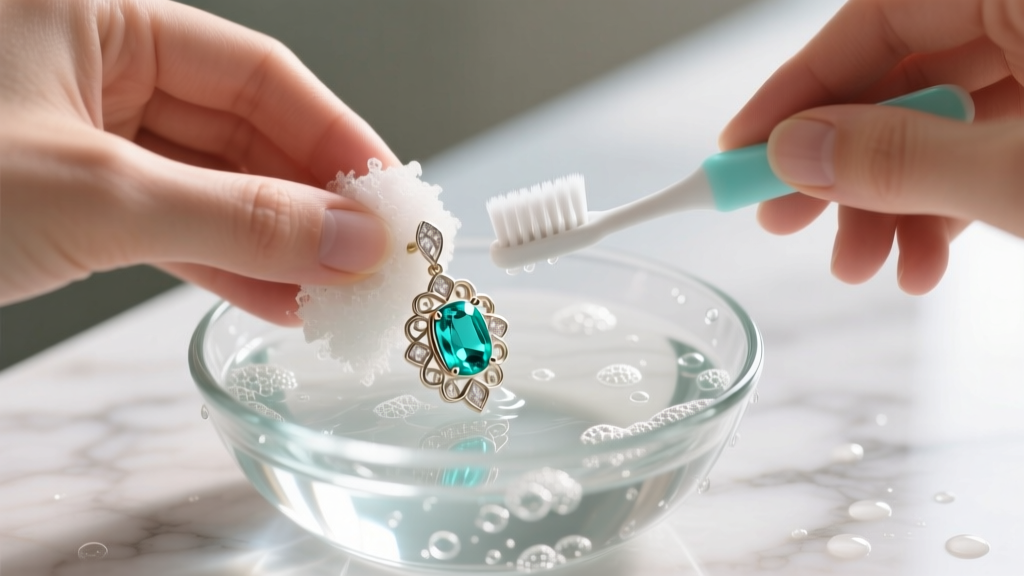
Fill a small glass bowl with lukewarm distilled or filtered water. Avoid tap water, as hard water minerals can leave microscopic calcium deposits on the gemstone's table facet, dulling its sparkle. Add two drops of a mild, phosphate-free dish soap (such as original blue Dawn). Avoid soaps with heavy moisturizers or exfoliating beads. Let the earrings soak for exactly 10 to 15 minutes. This softens the hardened sebum and lotion trapped beneath the gemstone's girdle.
Step 3: Gentle Agitation
Using an extra-soft baby toothbrush (never a standard adult toothbrush, as the bristles can scratch the gold alloy if the rhodium is worn), gently brush the earrings. Pay special attention to the underside of the aquamarine, known as the pavilion. This is where light enters and exits the stone; grease buildup here will make even a flawless, AAA-grade aquamarine look cloudy and lifeless. Brush in gentle, circular motions, avoiding aggressive scrubbing directly on the metal prongs.
Step 4: The Rinse and Dry
Rinse the earrings under a gentle stream of lukewarm distilled water. Ensure the drain is securely plugged. Pat the earrings dry with a clean, lint-free microfiber cloth. Never use paper towels or tissue paper; the wood fibers can leave microscopic scratches on the rhodium and leave dust particles wedged under the prongs.
Critical Warnings: What to Avoid
The most common way jewelry is ruined is through well-intentioned but fundamentally flawed cleaning methods. Adhere strictly to the GIA Gem Care Guidelines by avoiding the following:
Never Use Ultrasonic Cleaners
Ultrasonic cleaners use high-frequency sound waves to create microscopic bubbles in a cleaning solution (a process called cavitation). While excellent for diamonds, this violent vibration can shatter an aquamarine. Aquamarine is a Type I clarity gemstone, but it can contain liquid inclusions or internal stress fractures that are invisible to the naked eye. The ultrasonic vibrations can cause these internal flaws to expand, splitting the stone in half.
Never Use Steam Cleaners
Steam cleaning exposes the gemstone to sudden, extreme temperature changes. Aquamarine is highly susceptible to thermal shock. A blast of hot steam followed by the cooler ambient air of your room can cause the crystal lattice to fracture instantly.
Avoid Harsh Chemicals
Never clean your earrings while wearing them in a swimming pool or hot tub. Chlorine reacts with the alloy metals in white gold (especially copper and nickel), causing a chemical reaction that weakens the metal at a molecular level. This leads to prong failure and catastrophic stone loss.
Long-Term Maintenance and Professional Care
Routine home cleaning maintains brilliance, but structural maintenance requires a professional schedule. Because white gold relies on rhodium for its color, and prongs endure daily micro-impacts, you must budget for professional upkeep.
| Maintenance Task | Recommended Frequency | Estimated Professional Cost | Purpose & Details |
|---|---|---|---|
| Prong Inspection & Tightening | Every 6 Months | $0 - $35 | Prevents stone loss. Many jewelers offer free visual inspections with a loupe. |
| Professional Deep Clean | Annually | $30 - $50 | Removes stubborn buildup without risking thermal shock or ultrasonic damage. |
| Rhodium Replating (Dipping) | Every 12 - 24 Months | $60 - $125 | Restores the bright white finish when the underlying yellow/gray alloy shows through. |
| Prong Re-tipping | As Needed (Every 5-10 Years) | $40 - $75 per prong | Rebuilds worn metal at the tip of the prong to securely grip the aquamarine's girdle. |
Proper Storage to Prevent Micro-Scratches
How you store your aquamarine earrings is just as important as how you clean them. Because aquamarine sits at a 7.5 to 8 on the Mohs scale, it is softer than diamonds (10), sapphires (9), and rubies (9). If you toss your aquamarine earrings into a communal jewelry box alongside diamond studs, the diamonds will easily scratch the surface of the aquamarine and the rhodium plating on the white gold.
Always store your earrings individually in soft, anti-tarnish flannel pouches or a jewelry box with separate, fabric-lined compartments. Furthermore, keep them away from direct, prolonged sunlight when not in use. While modern heat-treated aquamarine is generally stable against fading, prolonged exposure to intense UV light over many years can subtly alter the color saturation of some untreated or lightly treated stones.
When to Seek Professional Help
Home maintenance is excellent for surface dirt, but you must recognize the limits of DIY care. If your white gold earrings have taken on a distinctly yellow hue, no amount of scrubbing will restore them; they require professional rhodium replating. If your aquamarine appears cloudy from the inside out, or if you notice a new 'feather' (a tiny internal crack) near the girdle, stop wearing them immediately and consult a certified gemologist. By respecting the unique material properties of both the beryl gemstone and the plated alloy, your aquamarine earrings will retain their icy brilliance and structural security for decades.


