Marshalls Earrings Troubleshooting: Fixing Allergies, Tarnish & Posts
Learn how to troubleshoot Marshalls earrings. Expert fixes for nickel allergies, tarnished plating, broken posts, and heavy lobe stretching.

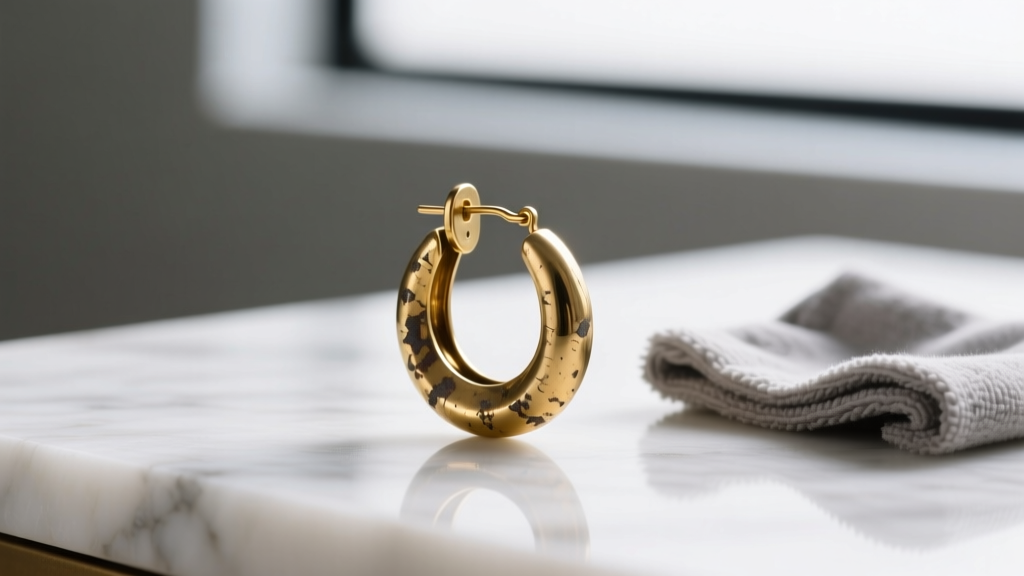
The Metallurgical Reality of Discount Fashion Jewelry
Scoring a pair of trendy, oversized hoops or intricate crystal drops at Marshall's for under $15 feels like a massive victory. However, as we navigate the jewelry market in 2026, the metallurgical reality of off-price retail fashion jewelry remains largely unchanged. When you buy discount earrings, you are rarely paying for solid precious metals. Instead, you are purchasing base metal alloys—most commonly Zamak (a zinc alloy containing aluminum, magnesium, and copper) or cast brass—covered in microscopic layers of flash plating.
The core problem with Marshalls earrings is not their aesthetic design; it is their structural and chemical longevity. Flash plating on discount jewelry typically measures between 0.1 and 0.5 microns thick. To put that in perspective, a human hair is roughly 70 microns thick. This ultra-thin veneer of gold or rhodium is highly susceptible to friction, sweat, and the natural acids in your skin, leading to the three most common complaints: severe contact dermatitis, rapid tarnishing, and catastrophic structural failure (snapped posts). This guide provides expert-level troubleshooting to salvage, repair, and safely wear your favorite discount finds.
Troubleshooting Allergic Reactions and Nickel Sensitivity
The most frequent issue reported with discount fashion earrings is an itchy, red, or weeping earlobe. This is almost always nickel contact dermatitis. While the decorative front of a Marshall's earring might be plated, the post that actually pierces your skin is often made of 'surgical steel'—a loosely regulated term in the fashion jewelry industry that frequently contains 8% to 12% nickel to increase hardness and lower manufacturing costs.
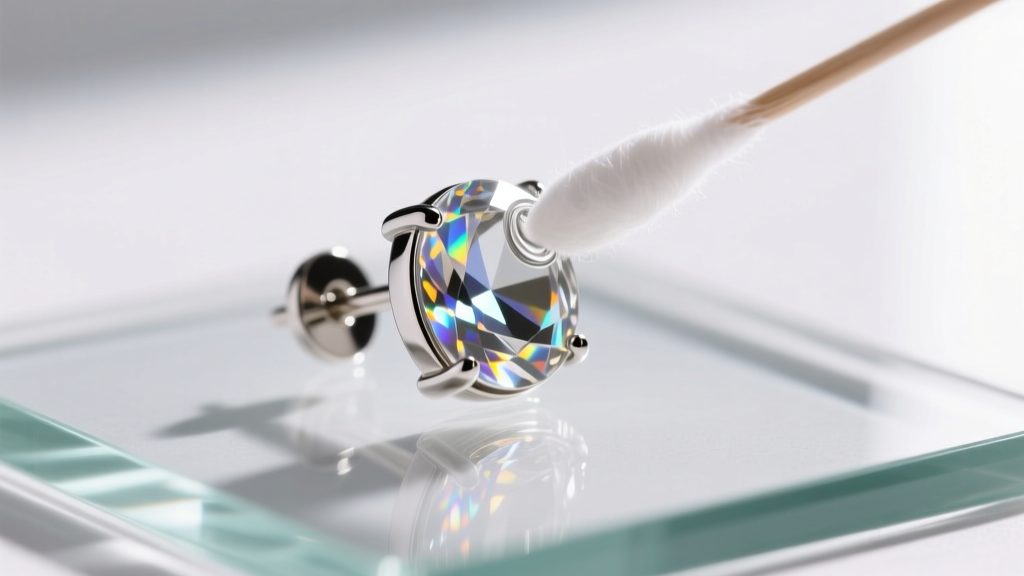
Step 1: Verify the Culprit with a DMG Test
Before attempting a fix, confirm the presence of nickel. Purchase a Nickel Test Kit containing Dimethylglyoxime (DMG) swabs. Rub the swab on the earring post for 30 seconds. If the cotton turns pink or red, the post is leaching nickel.
Step 2: The Polyurethane Barrier Method
If the earring is a lightweight stud and you want a quick fix, apply a liquid jewelry barrier coating (like Jewelry Shield, typically priced around $8). This paints a micro-thin layer of polyurethane over the post, creating a physical shield between the nickel and your skin. Reapply every 3 to 4 wears, as the friction of insertion will eventually wear the coating away.
Step 3: The Permanent Post Swap (Expert Level)
For heavy or beloved pieces, the only permanent solution is replacing the post. You can purchase blank 20-gauge (0.81mm) flat-pad earring posts made from ASTM F136 implant-grade titanium on jewelry supply sites for less than $1 each. ASTM F136 titanium contains zero nickel and is the gold standard for biocompatibility. To attach the new titanium post to the Marshall's earring base, use a two-part jeweler's epoxy (like G-S Hypo Cement or E6000). Clean the old post area with isopropyl alcohol, score the flat pad of the new titanium post with sandpaper for grip, apply a micro-drop of epoxy, and clamp it for 24 hours.
Reversing Tarnish and the Dreaded 'Green Ear' Effect
Waking up with a green or black stain on your earlobe is a hallmark of discount brass and copper-alloy earrings. This is not a sign of toxicity; it is a simple chemical reaction. The copper in the brass base metal reacts with the oxygen, sweat, and lotions on your skin to create copper chloride, which transfers to your epidermis.
Why Standard Polishing Cloths Fail
If you aggressively rub a tarnished Marshall's earring with a standard silver polishing cloth, you will likely strip the 0.2-micron gold flash plating right off, exposing the raw, dull yellow brass underneath. Once the plating is gone, the piece cannot be polished back to its original state without professional electroplating.
The Mild Surfactant Cleaning Protocol
- For Gold-Tone Plated Pieces: Mix a few drops of pH-neutral dish soap (like Dawn) in lukewarm water. Soak the earrings for exactly 3 minutes. Gently agitate with a baby-hair toothbrush. Rinse in distilled water (tap water minerals can cause water spots) and pat dry with a microfiber cloth.
- For Silver-Tone (Rhodium Plated) Pieces: You can use the aluminum foil and baking soda electrolytic method, but limit the soak to 60 seconds. Any longer, and the chemical reaction will pit the porous rhodium layer.
Expert Insight: Never use ultrasonic cleaners on discount fashion jewelry. The high-frequency vibrations will shatter the adhesive holding glued-in cubic zirconia or glass rhinestones, and the heat generated can blister thin flash plating.
Structural Repairs: Snapped Posts and Lobe Stretching
Discount retailers frequently prioritize visual impact over structural engineering. This results in two major mechanical failures: posts snapping at the solder joint, and heavy alloys stretching the earlobe.
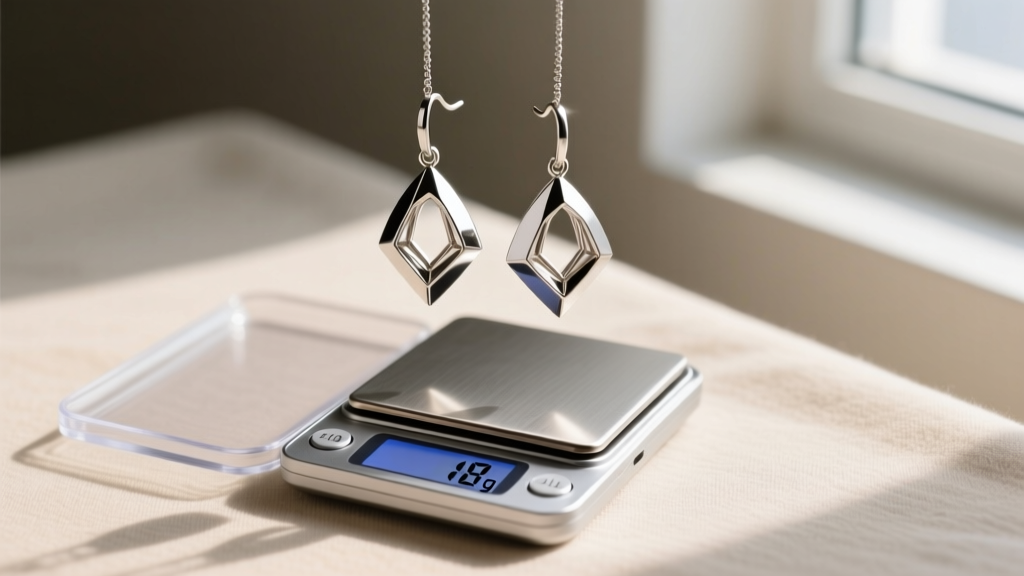
The 'Cheese Wire' Effect and Gauge Upgrades
Most Marshall's drop earrings feature posts that are 22-gauge (0.64mm) or 20-gauge (0.81mm). When a Zamak alloy earring weighs 15 grams or more, gravity pulls that thin wire downward, turning it into a cheese wire that slowly slices through your earlobe tissue. According to dermatological literature on contact and mechanical dermatitis, prolonged tension on the piercing tract causes irreversible micro-tearing and lobe elongation.
The Fix: You cannot easily thicken the metal post without a jeweler's laser welder. Instead, you must distribute the weight. Purchase silicone earring support patches (often sold under brand names like Lobe Wonder or BlingDots, usually $10 for a pack of 50). These adhesive patches stick to the back of your earlobe and feature a reinforced hole that absorbs the downward drag of the heavy earring, saving your tissue from stretching.
Diagnosing and Repairing Snapped Posts
If the post snaps flush against the back of the earring, standard superglue (cyanoacrylate) will fail. Superglue is brittle and cannot withstand the lateral shear force of taking an earring on and off. If the piece is valuable to you, take it to a local bench jeweler and ask for a 'laser weld.' Laser welding uses concentrated light to fuse a new sterling silver or titanium post to the base metal without melting the surrounding plastic, resin, or glued stones. Expect to pay between $25 and $45 per earring for this service.
Material Breakdown and Troubleshooting Matrix
Use this quick-reference table to diagnose the specific failure mode of your discount earrings and apply the correct intervention.
| Issue | Base Metal Culprit | Symptom | Expert Fix |
|---|---|---|---|
| Itchy, weeping lobes | Nickel-brass or low-grade steel | Redness, flaking skin within 12 hours | Apply polyurethane barrier or epoxy a titanium post |
| Green skin stains | High-copper brass or Zamak 3 | Green/black residue on the earlobe | Wash with pH-neutral soap; apply clear nail polish to the back pad |
| Gold color rubbing off | Zinc alloy with flash plating | Dull grey or yellow metal showing through | Unsalvageable at home; requires professional electroplating |
| Lobe stretching/pain | Dense Zamak or heavy glass | Piercing hole elongates, feels sore | Use adhesive silicone lobe support patches |
| Post snaps at base | Brittle solder or weak alloy | Post separates from the decorative front | Professional laser welding (avoid cyanoacrylate glues) |
Expert Sourcing: How to Buy Safely at Marshall's in 2026
Troubleshooting is necessary when things go wrong, but preventative sourcing is the mark of a true jewelry enthusiast. When browsing the Marshall's jewelry aisles, look past the flashy packaging and inspect the hardware.
First, examine the earring post. If the post is a bright, yellow gold color all the way to the tip, it is plated brass and highly likely to cause an allergic reaction once the plating wears down. If the post is a dull, matte grey, it is more likely to be stainless steel or titanium, which are vastly superior for sensitive ears. Second, check the weight. Pick up the earring. If it feels denser than a standard silver coin, it is likely cast zinc alloy. Finally, look for specific terminology on the tag. 'Gold-tone' means absolutely no real gold is present. '14k Gold Plated' indicates a slightly thicker layer of real gold over a base metal, offering marginally better tarnish resistance. By understanding the metallurgy hiding beneath the price tag, you can curate a discount jewelry collection that looks luxurious and wears comfortably.


